Thinking about adding a flavorful and culturally rich experience to your Sri Lankan trip? This Traditional Milk Rice Cooking Class in Anuradhapura promises just that—an authentic taste of Sri Lanka’s beloved Kiribath, prepared in a rustic village setting. It’s a chance to get your hands dirty, learn a treasured culinary tradition, and enjoy a memorable moment connecting with local culture.
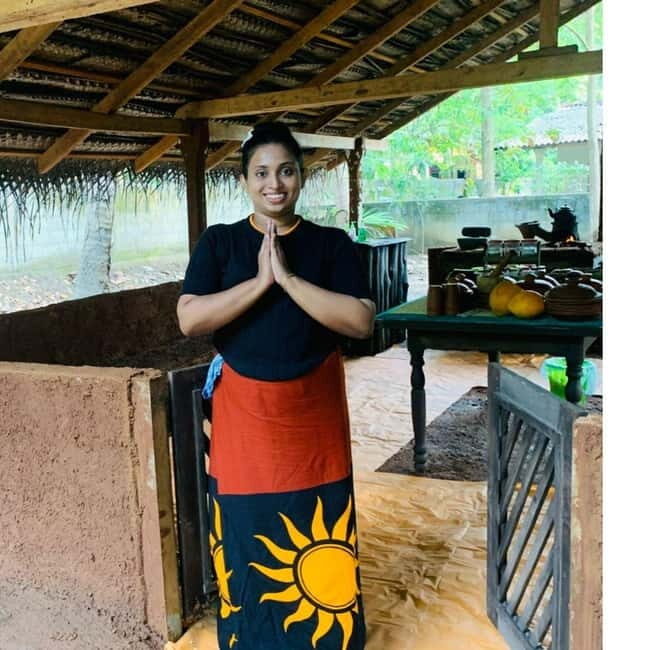
What we love about this experience is the focus on authenticity—you’ll cook in a clay kitchen under a coconut-leaf roof, grind spices on a traditional stone, and eat by hand the same way Sri Lankans have for generations. Plus, the price of $40 per person offers a satisfying blend of cultural insight, hands-on cooking, and delicious food.
On the flip side, it’s a relatively short class and might not suit those looking for a comprehensive Sri Lankan cooking course.
Still, it’s perfect for travelers who want a genuine, relaxed, and informative glimpse into local traditions—especially those interested in food and cultural stories.
Key Points
 1 / 3
 2 / 3
 3 / 3
- Authentic setting: Experience Sri Lankan cuisine in a rustic village kitchen with traditional equipment.
- Expert guidance: Learn from a local housewife who shares cultural insights along with cooking tips.
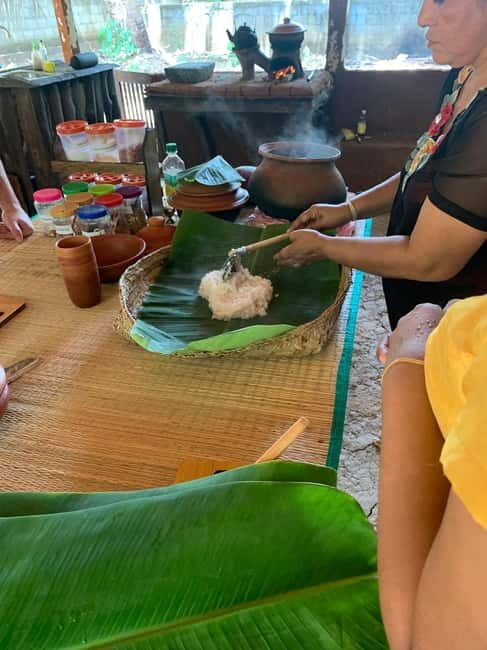
- Hands-on involvement: Grind spices, scrape coconuts, shape Kiribath, and eat it by hand.
- Cultural significance: Discover why milk rice is more than just a dish—it’s part of Sri Lankan celebrations.
- Local flavors: Pair the creamy Kiribath with condiments like lunu miris and jaggery for contrasting tastes.
- Value for money: All ingredients, equipment, and tastings are included for $40.
A Hands-On Journey into Sri Lankan Cuisine
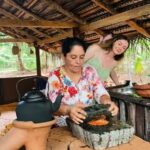
This cooking class offers more than just a simple recipe; it’s a window into Sri Lanka’s culinary soul. From the moment you arrive at the clay kitchen with its coconut-leaf roof and surrounded by nature, you’re stepping into a genuine village environment. This setting is one of the tour’s biggest draws, offering a rustic charm that’s both photogenic and immersive.
You start by learning how to select the right rice—an important detail because texture is everything when making Kiribath. The instructor explains that milk rice is traditionally prepared for special occasions and celebrations like New Year or weddings, making it more than just everyday fare. Then, you’ll witness and participate in grinding fresh spices on a miris gala—a traditional stone grinder—releasing a heady aroma that adds depth to any dish. Grinding spices the old-fashioned way isn’t just about flavor; it’s an experience that connects you to generations of Sri Lankan cooks.
Next comes the coconut scraping, a simple but satisfying task that adds fresh coconut to your dish. The instructor might show you how to shape the milk rice into traditional forms—an aesthetic touch that makes your homemade Kiribath feel special. As you cook on a wood-fired stove, you’ll notice the smoky flavors that give the rice a delicious, authentic touch. Cooking over firewood is a reminder of how Sri Lankan cooks have traditionally prepared their meals—no electric gadgets here.
You’ll love the opportunity to learn how to eat by hand, a fundamental aspect of Sri Lankan dining etiquette. It’s a tactile experience that enhances your appreciation for the food and the culture. When your Kiribath is ready, you’ll enjoy it with local condiments like lunu miris (spicy onion sambal) and jaggery—a sweet, caramel-like syrup. The combination of creamy, spicy, and sweet flavors offers a true taste of Sri Lankan culinary harmony.
You can also read our reviews of more cooking classes in Anuradhapura
Why the Experience is Special
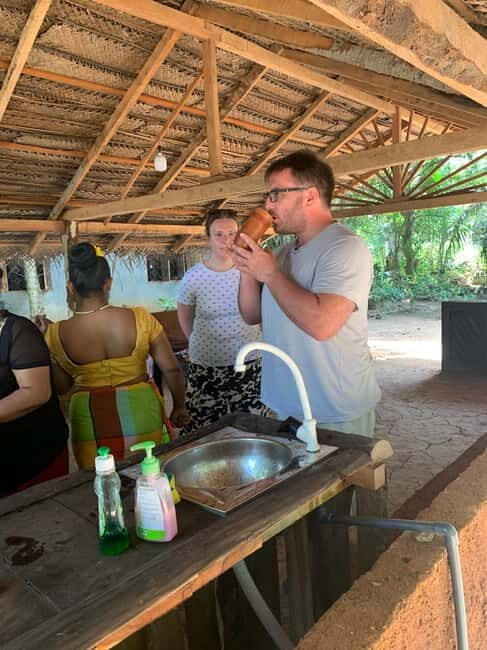
One of the standout aspects of this class is its authentic village setting. Unlike touristy kitchens in hotels, this experience is rooted in a real Sri Lankan home environment. You’ll see how everyday ingredients and traditional tools come together to create something meaningful. The guide’s expertise and the personal touch they bring help make this more than just a cooking lesson—it’s a cultural storytelling session, woven with local insights and anecdotes.
The emphasis on traditional methods—using a clay kitchen, grinding spices manually, cooking over a wood fire—means you’re not just learning a recipe, you’re witnessing a way of life. The use of simple, natural tools like the kulla (winnowing basket) and hiramanaya (coconut scraper) keeps the experience rooted in local practices, providing a tactile connection to the land and its people.
On top of that, the experience is designed to be accessible. No previous cooking experience is required, and all ages are welcome. This makes it a versatile option for families, couples, or solo travelers seeking an authentic cultural activity. Plus, the cost of $40 includes everything—ingredients, equipment, and tastings—meaning no hidden expenses or surprises.
The Value and Practicalities
Priced at $40, this class offers good value considering the personalized attention, cultural insights, and the chance to enjoy your own creation. Learning traditional techniques like grinding, scraping, and shaping in an authentic setting is priceless for food lovers and cultural enthusiasts alike. The inclusion of a welcome drink and tasting of the finished dish ensures that you leave with a full appreciation—not just of the dish itself but of the rich traditions behind it.
The tour is scheduled in a way that’s convenient—starting in the morning or early afternoon—and the activity typically lasts around two hours. It’s suitable for all ages, and you can inform the instructor of any food allergies beforehand to ensure a safe and enjoyable experience.
Authenticity and Connection
Maud, a recent reviewer, summed it up nicely: “It’s nice to see how Milk Rice is made in the traditional way. Nice family.” Her words highlight the genuine, warm atmosphere that this experience fosters. It’s not just about the food; it’s about connecting with a family’s tradition, learning their techniques, and understanding how a simple dish like Kiribath holds a special place in Sri Lanka’s cultural fabric.
More Great Tours NearbyWho Will Love This Experience?
This class is perfect for travelers interested in cultural authenticity rather than polished culinary tours. Food lovers who enjoy hands-on experiences will appreciate the opportunity to grind spices and shape rice with their own hands. Those curious about Sri Lankan traditions and celebrations will find the stories behind Kiribath particularly enriching. It’s also a good choice for families or small groups wanting a relaxed, engaging activity away from busy tourist spots.
If you’re seeking a meaningful, budget-friendly way to interact with local culture through food, this class ticks all the boxes. However, if you’re looking for a comprehensive cooking course covering multiple dishes or a detailed culinary tour, this might feel a bit limited in scope.




The Sum Up
This Traditional Milk Rice Cooking Class in Anuradhapura offers a genuine and memorable glimpse into Sri Lanka’s culinary traditions. Through a rustic village setting, hands-on participation, and expert guidance, you’ll learn to prepare a dish that’s deeply woven into local celebrations and everyday life. The experience’s focus on authenticity, cultural storytelling, and local flavors makes it a standout activity for travelers seeking more than just sightseeing.
While it’s a relatively short experience, the richness of the setting and the personal attention from your guide make it well worth the $40 price tag. It’s especially suited for foodies, cultural explorers, and those wanting a relaxed, authentic activity that leaves a lasting impression. Whether you want to impress friends back home with your new skills or simply enjoy a taste of true Sri Lankan hospitality, this class delivers.
Anuradhapura: Traditional Milk Rice Cooking Class
FAQs
Is this experience suitable for children?
Yes, it’s suitable for all ages, as long as children are comfortable participating in hands-on activities like grinding spices and eating by hand.
Do I need cooking experience to join?
No prior experience is required. The instructor will guide you step-by-step through each process.
What’s included in the price?
All necessary ingredients, equipment, and a tasting of your homemade milk rice with local condiments are included, along with a welcome drink.
What should I wear?
Wear comfortable, casual clothing suitable for getting a bit messy. Aprons are usually provided.
Can I ask about food allergies?
Absolutely. It’s recommended to inform the instructor beforehand to accommodate any allergies or dietary restrictions.
How long does the class last?
Typically around two hours, making it a manageable and enjoyable activity without taking up your entire day.
Is transportation provided?
The meeting point is in a village setting with a clay kitchen, so it’s best to arrange your own transport or ask your local host about options.
What makes this experience different from other food tours?
It’s truly traditional—prepared in a village environment with ancient tools—and focuses on learning techniques rather than just tasting.
Can I buy any ingredients or souvenirs after?
The tour mainly focuses on the cooking experience itself. If you’re interested in purchasing special Sri Lankan ingredients or souvenirs, you might find local markets nearby.
Would this experience suit someone interested in history or only food?
While primarily a food experience, the story behind Kiribath and its cultural significance adds a historical and celebratory dimension that will appeal to history buffs as well.
This cooking class stands out as a genuine, accessible way to connect with Sri Lanka’s culinary roots in a relaxed, authentic setting. Whether you’re a solo traveler, a couple, or a family, it’s a memorable activity that offers both skill and stories—an experience worth savoring.
You can check availability for your dates here: