- Discover Cape Town’s Black Heritage on a Guided Walking Tour
- Key Points
- An In-Depth Look at the Cape Town: Black Route Walking Tour
- Starting Point and First Impressions
- The Historic Significance of the Castle
- District Six: From Vibrant Community to Displacement
- The Slave Auction Tree and Slave Lodge
- St. Georges Cathedral: A Beacon of Resistance
- From Colonial Laws to Democratic Reforms
- The Garden of Colonial Roots and Segregation
- Greenmarket Square and Nelson Mandela’s Historic Speech
- Overall Value and Experience
- Authenticity and Impact
- Who Should Take This Tour?
- FAQs
- Final Thoughts
- The Best Of Cape Town!
- More Walking Tours in Cape Town
- More Tours in Cape Town
- More Tour Reviews in Cape Town
Discover Cape Town’s Black Heritage on a Guided Walking Tour
If you’re looking for a way to understand Cape Town beyond its stunning landscapes and vibrant culture, this Black Route Walking Tour offers a meaningful look into the city’s often overlooked history. This 2.5-hour journey is more than just a stroll; it’s a chance to connect with the stories that shaped South Africa’s past and present.
What we appreciate most about this tour is how it balances historical depth with personal stories. You’ll visit iconic sites like the Castle of Good Hope and District Six, gaining insight into the conflicts and forced removals that affected the city’s Black communities. Plus, the visit to the Slave Auction Tree and Slave Lodge brings to life the city’s dark days of slavery. Finally, ending at St. Georges Cathedral offers a powerful reminder of faith and resistance.
One possible consideration is that the tour involves significant walking and is not wheelchair accessible. For travelers with mobility challenges, this might limit participation. Also, since it’s a walking tour, dressing comfortably and bringing essentials like water and sunscreen are advised.
This experience suits travelers who value authentic stories and want to see Cape Town through a different lens—those eager to learn about the struggles and resilience of its Black communities. It’s perfect for history buffs, socially conscious travelers, or anyone wanting a deeper understanding of the city’s complex past.
You can check availability for your dates here:
👉 See our pick of the Discover 5 Great Tours & Things To Do In Cape Town
Key Points
- Authentic storytelling about Cape Town’s Black heritage
- Visits to historic sites like Castle of Good Hope and District Six
- Educational insights into colonialism, slavery, and apartheid
- Guided by knowledgeable local guides, enhancing the experience
- 2.5-hour duration makes it a manageable addition to your itinerary
- Not suitable for mobility-impaired travelers or young children under 10
You can also read our reviews of more walking tours in Cape Town



An In-Depth Look at the Cape Town: Black Route Walking Tour
If you’re planning a trip to Cape Town and want to go beyond the postcard views, this tour offers a rare window into the city’s untold stories. It’s a thoughtful way to spend a few hours, especially if you’re interested in history, social justice, or truly understanding South Africa’s journey from colonization to democracy.
Starting Point and First Impressions
Meet outside the Castle of Good Hope, South Africa’s oldest surviving colonial building. From here, your guide begins by recounting the earliest clashes between European settlers and the indigenous Khoi and San peoples. We loved the way the guide explained how these conflicts laid the groundwork for the land dispossession that followed, making the site more than just an old fortress but a symbol of the beginning of colonial oppression.
The Historic Significance of the Castle
The Castle of Good Hope is more than a pretty structure; it’s a concrete reminder of how European settlement impacted the land and its original inhabitants. The guide explained how colonial authorities waged the first wars against the Khoi, forever changing the land and its people. For history enthusiasts, this site offers a tangible connection to the early struggles of South Africa’s indigenous peoples.
More Great Tours NearbyDistrict Six: From Vibrant Community to Displacement
Next, the tour takes you to District Six, once a lively, multicultural heart of Cape Town. We found this part especially moving because it underscores the human cost of apartheid policies. In 1966, the government declared District Six a whites-only zone, forcibly removing over 60,000 residents. The neighborhood was left empty for decades, a silent testament to the pain of dislocation.
The guide shared stories of community life, music, and resilience, making it clear how deeply these forced removals scarred the city. You’ll see the physical emptiness and imagine the vibrant life that once thrived there.






The Slave Auction Tree and Slave Lodge
A short walk brings you to the Slave Auction Tree, a stark site where enslaved Africans and Asians were sold. The guide explained how these enslaved people built much of Cape Town, often under brutal conditions. Just nearby, you’ll visit the Slave Lodge, which once housed hundreds of enslaved people under appalling circumstances. This part of the tour offers a sobering look at how slavery was embedded in the city’s foundation.
St. Georges Cathedral: A Beacon of Resistance
The tour then visits St. Georges Cathedral, dubbed the People’s Cathedral. Here, the guide highlighted its role during the fight against apartheid. Led by Archbishop Desmond Tutu, the church became a safe space for anti-apartheid activism. The cathedral hosted prayer vigils, marches, and was a symbol of moral courage.
Many visitors find the cathedral inspiring—it’s a place where faith and activism intertwined to oppose systemic injustice.
From Colonial Laws to Democratic Reforms
Next, we explore the Parliament Building, where laws shaping South Africa’s past and future were debated. The contrast between the oppressive laws and the struggles for democracy is striking. This site is a reminder that South Africa’s journey to freedom was fought in legislative chambers as well as in the streets.
The Garden of Colonial Roots and Segregation
The Company’s Garden, originally cultivated by enslaved laborers, now serves as a peaceful place to reflect. It’s also layered with history—statues and remnants hint at the city’s colonial and exploitative past.
Similarly, the Apartheid Benches serve as a stark reminder of segregation’s persistence in everyday life. The replicas of the White-only and Non-White-only benches illustrate how apartheid seeped into even the smallest aspects of daily routine.
Greenmarket Square and Nelson Mandela’s Historic Speech
Your walk continues to Greenmarket Square, once a site of slave sales and anti-apartheid protests. Today, it’s a bustling market filled with crafts from across Africa—a lively contrast to its dark history.
Finally, the tour ends at City Hall, where Nelson Mandela gave his first major speech after release from prison, marking the dawn of a new era. Standing here, you get a sense of how the city’s space witnessed pivotal moments in South Africa’s history.
Overall Value and Experience
At $55 per person, the tour provides excellent value, considering the wealth of stories and sites covered. The group size is likely small, allowing for personalized interaction, and the guide’s knowledge adds depth and authenticity. Keep in mind, it’s a walking tour—wear comfortable shoes and prepare for some sun exposure.
Authenticity and Impact
Many travelers have praised this experience for its honesty and depth. One reviewer called it “the best walking tour I’ve ever been on,” appreciating the guide’s well-informed storytelling. The tour’s focus on Black heritage, colonialism, and resistance makes it stand out from typical sightseeing options.
Who Should Take This Tour?
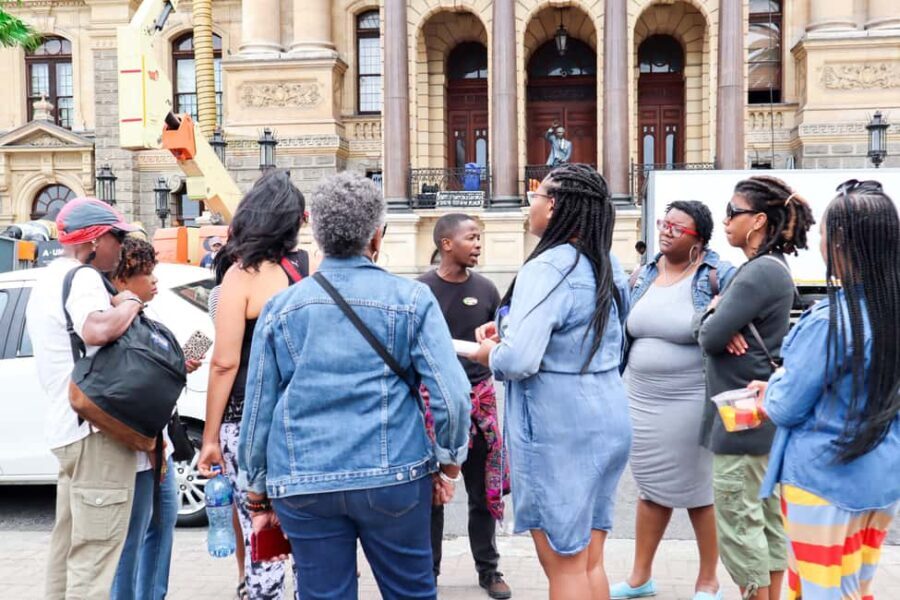
This tour suits travelers eager to understand Cape Town’s complex history and its social fabric. If you’re interested in history, social justice, or cultural stories, you’ll find this walk compelling. It’s ideal for those comfortable with walking and looking for a meaningful, educational experience.
People with mobility issues may find it less suitable due to the walking involved, and it’s not recommended for children under 10. But if you’re prepared, you’ll leave with a richer understanding of the city and its resilience.
FAQs
How long is the tour?
It lasts approximately 2.5 hours, making it a manageable addition to your day.
Where does the tour start?
Meet outside the Castle of Good Hope, the starting point for this journey through history.
Is the tour suitable for children?
It’s best for travelers over 10 years old. The content and walking pace may not be engaging for very young children.
What should I bring?
Comfortable shoes, hat, sunscreen, and water are recommended for walking and sun protection.
Are there any restrictions?
Yes, the tour is not suitable for people with mobility impairments or wheelchair users due to walking requirements.
Can I cancel if my plans change?
Yes, free cancellation is available up to 24 hours in advance for a full refund.
Is the guide fluent in English?
Yes, the tour is conducted in English with a knowledgeable local guide.
Cape Town: Black Route Walking Tour
Final Thoughts
This Black Route Walking Tour in Cape Town offers a rare chance to walk through history with a focus on the stories of the city’s Black communities. It’s a well-balanced experience—educational, emotional, and thought-provoking—delivered by passionate guides. For those who want more than surface-level sightseeing, it provides an authentic glimpse into the resilience and struggles that have shaped Cape Town.
If your aim is to leave with a deeper understanding of South Africa’s history, this tour will likely be one of the most memorable parts of your trip. It’s especially valuable for travelers who appreciate stories grounded in real places and meaningful narratives that challenge and inspire.
In essence, this tour is a window into Cape Town’s heart—the stories of its peoples, their resilience, and their fight for justice. Whether you’re a history buff or a curious traveler, it’s a meaningful experience worth considering.
You can check availability for your dates here: