If you’re eager to explore Cape Town beyond its usual scenic vistas and popular spots, the Black Route Walking Tour offers a meaningful journey into the city’s often overlooked history. This 2.5-hour walk, led by a knowledgeable local guide, takes visitors through significant sites linked to the Black community, colonial history, and resistance movements.
What makes this tour especially compelling is its focus on untold stories—providing context and voices that mainstream guides might miss. We love how it balances historical depth with accessible storytelling, making complex topics approachable. Plus, the sites visited, from the Castle of Good Hope to St Georges Cathedral, are not only historically rich but also emotionally impactful.
A potential consideration is that it’s a walking tour, so comfort and mobility are key. If you’re prepared for a 2.5-hour stroll, this experience offers tremendous value for those interested in authentic, socially conscious tourism. It’s ideal for travelers who want a deeper understanding of Cape Town’s complex past, especially those interested in social justice and cultural history.
This tour suits curious travelers and history buffs, especially those visiting Cape Town for a longer stay and eager to understand the city’s diverse stories.
This experience made our article of Discover 5 Great Tours & Things To Do In Cape Town.
Key Points
- Historical Focus: The tour centers on Cape Town’s Black heritage, with visits to key sites linked to indigenous peoples, slavery, apartheid, and resistance.
- Concise but Deep: At just 2.5 hours, it offers a meaningful overview without feeling rushed.
- Authentic Stories: The guide shares personal and community histories often absent from typical city tours.
- Walking Tour: Expect a fair amount of walking, so wear comfortable shoes.
- Price & Value: At $55, it’s affordable considering the depth of experience and expert local guidance.
- Educational and Reflective: It encourages thoughtful reflection on the city’s past and present.

👉 See our pick of the Discover 5 Great Tours & Things To Do In Cape Town
An In-Depth Look at the Tour Experience
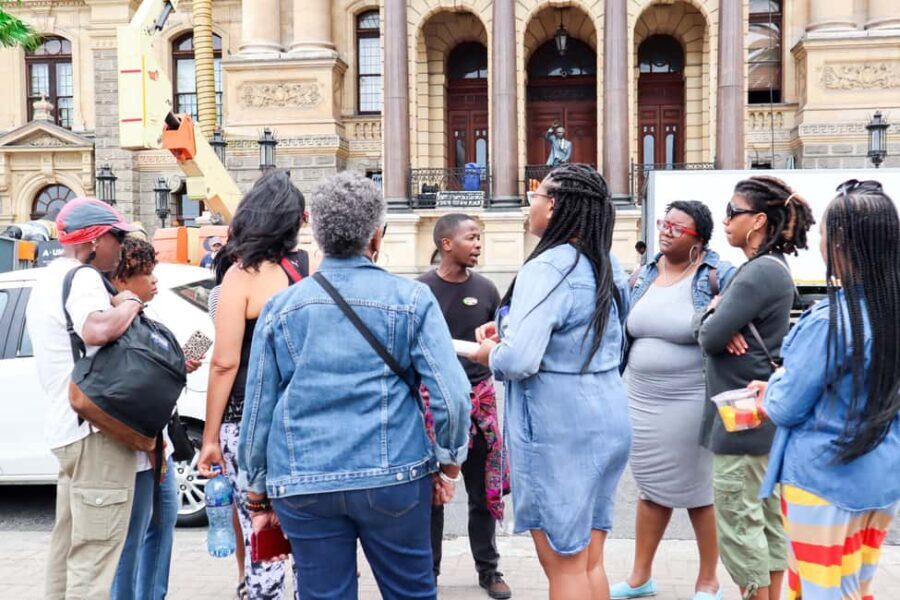
Starting outside The Castle of Good Hope, South Africa’s oldest surviving colonial building, the tour immediately sets a historical tone. Here, your guide will explain how the earliest conflicts between European settlers and indigenous Khoi and San peoples began, shaping the land’s future. We loved the way this site frames the broader narrative of dispossession—something often missing from standard sightseeing.
Next, the route takes you to District Six, once a vibrant, multiracial neighborhood known for its music and community spirit. The narrative here shifts to the pain of forced removals in 1966, when apartheid authorities declared it a whites-only area, uprooting over 60,000 residents. The emotional weight of this story is palpable, and the empty land still stands as a silent reminder of loss—a stark contrast to the lively vibrancy it once had. As one reviewer noted, it’s a place that “tells a story of pain and resilience.”
From there, the walk continues to the Slave Auction Tree and Slave Lodge. The site of the Slave Auction Tree marks where enslaved Africans and Asians were sold under brutal conditions. Nearby, the Slave Lodge housed hundreds of enslaved individuals, highlighting the city’s part in the slave trade and its lasting impact. This part of the tour is intense but essential, giving voice to those whose stories are often marginalized. We found it eye-opening to see how much of Cape Town’s foundation was built on forced labor.
Moving on, the tour visits St Georges Cathedral, affectionately called the Peoples’ Cathedral. This iconic place of worship became a hub for anti-apartheid activism, hosting prayer vigils and protests led by figures like Archbishop Desmond Tutu. It’s a space that exemplifies moral courage, and the guide’s storytelling brings these moments vividly to life. Many travelers find it inspiring—a symbol of faith and resistance intertwined.
The tour then explores political history at Cape Town’s Parliament Building, where laws shaping the nation were debated. The juxtaposition between oppressive legislation and democratic reform is striking, illustrating how South Africa’s journey has been a fight for justice.
A visit to the Company’s Garden reveals its colonial origins—established by the Dutch for provisioning passing ships, and later tended by enslaved laborers. Today, it’s a peaceful park, but its layered past offers a lesson in colonial exploitation.
The Apartheid Benches are a stark visual reminder of segregation, with replicas of the benches that divided society into racial categories. These simple yet powerful artifacts demonstrate how discrimination permeated everyday life and remain as poignant symbols today.
Greenmarket Square provides a lively contrast—once a slave market, now a bustling hub for local crafts and traders. It’s a vibrant spot that reflects both the city’s history and its ongoing cultural resilience.
Finally, the tour culminates at City Hall, where Nelson Mandela made his famous speech after his release from prison in 1990. Standing here, you can almost hear the echoes of hope and the promise of a new South Africa.
You can also read our reviews of more walking tours in Cape Town



Walking and Practical Considerations
The entire experience involves about 2.5 hours of walking, mostly on pavements and accessible routes, though it’s not suited for those with mobility challenges. Wear comfortable shoes and bring essentials like hat, sunscreen, and water—the South African sun can be unforgiving. Since the tour is in the morning, you’ll beat the midday heat, but always stay prepared.
Transportation to the starting point is not included, so plan your arrival outside The Castle of Good Hope accordingly. The group tends to be small enough for an intimate experience, fostering interaction and personalized storytelling.
Cost-wise, at $55 per person, this tour offers exceptional value considering the depth of information, the local expertise, and the emotional impact. It’s a meaningful addition to your Cape Town itinerary, especially if you’re keen to understand the social fabric behind the tourist highlights.
What Others Say
The sole review available so far gives high praise: “Best walking tour I have ever been on. An excellent walk, tracing a different perspective of Cape Town.” The reviewer emphasizes the knowledge and storytelling skills of the guide, Yanga, and recommends it highly. This suggests that the tour’s strength lies in its guides and their ability to bring history alive.
The Sum Up: Who Should Consider This Tour?
This guided walk is perfect for travelers eager to see Cape Town through a different lens—one that acknowledges its complex history of colonization, slavery, and resistance. It’s especially suited for those interested in social justice, cultural understanding, and authentic stories that aren’t typically covered in mainstream tours.
If you’re someone who appreciates walking through history, engaging with local narratives, and reflecting on how past injustices shape contemporary society, this tour will resonate deeply. The modest price and expertly curated content make it a worthwhile addition to any Cape Town visit.
However, if mobility is an issue or you prefer a more relaxed, less physically demanding experience, you might want to consider alternative ways to explore these stories, perhaps through museums or guided discussions.
Cape Town: Black Route Walking Tour






FAQ
Is this tour suitable for children?
It’s generally not suitable for children under 10 years due to the historical content and walking involved. Check with the provider if in doubt.
Are there any age restrictions?
The tour is best for older children and adults who can handle a 2.5-hour walk and engage with serious historical topics.
Do I need to book in advance?
Yes, reservations are recommended. You can cancel up to 24 hours before without penalty, providing flexibility.
Is this tour available in other languages?
The tour is conducted in English. No mention of other language options is provided.
What should I bring?
Comfortable shoes, a hat, sunscreen, and water are essential to stay comfortable during the walk.
Can I join the tour if I have mobility issues?
No, the tour involves walking, and it’s not suitable for those with mobility impairments or wheelchair users.
Does the tour include transportation?
No, you need to make your way to the meeting point outside The Castle of Good Hope on your own.
What is the tour’s cancellation policy?
You can cancel up to 24 hours in advance for a full refund, giving you peace of mind when planning your trip.
In all, the Cape Town: Black Route Walking Tour offers a heartfelt, eye-opening look at the city’s often hidden stories. It’s a strong choice for travelers seeking to understand the social and historical layers that have shaped Cape Town. For those who want more than just photos and sightseeing, this tour provides an authentic and educational experience that will linger long after your walk ends.
You can check availability for your dates here: