Planning a trek up Kilimanjaro is no small feat, and choosing the right route can make all the difference. The 7-day Rongai Route offers an intriguing blend of scenery, strategic acclimatization, and a quieter trail compared to the more popular Marangu and Machame routes. This review aims to give you a detailed look at what to expect, what’s included, and whether this adventure suits your travel style.
We’re particularly drawn to the way this route allows for less crowded paths and a more scenic ascent that highlights diverse ecosystems—from rainforest to semi-desert plains. The inclusion of professional guides and comfortable hut accommodations offers a compelling mix of safety and comfort. However, it’s worth noting that this trek isn’t cheap, and you’ll need to handle your own gear and pre/post-trek arrangements.
This trip is ideal for those who seek a well-organized climb with a focus on authentic landscapes and thoughtful acclimatization strategies.
- Key Points
- An In-Depth Look at the Kilimanjaro Rongai Route
- Why Choose the Rongai Route?
- Day-by-Day Breakdown
- What’s Included and What’s Not
- The Experience: What Travelers Say
- Practical Considerations
- Final Thoughts: Who Will Love This Tour?
- FAQ
- The Best Of Arusha!
- More 7-Day Experiences in Arusha
- More Tour Reviews in Arusha
Key Points
- Unique route offering fewer crowds and diverse scenery
- Strategic acclimatization increases chances of reaching the summit
- Expert guides enhance safety and provide local insights
- Comfortable hut stays elevate the trekking experience
- All-inclusive fees cover permits, park entry, transportation, and meals
- Designed for fit adventurers willing to handle their own gear and pre/post trip logistics
👉 See our pick of the Arusha’s 7 Best Tours & Things To Do
An In-Depth Look at the Kilimanjaro Rongai Route
You can also read our reviews of more tours and experiences in Arusha

Why Choose the Rongai Route?
The Rongai Route is often praised for its less crowded, quieter trail. Unlike the busy Marangu or Machame routes, the Rongai offers a more solitary journey through less-trodden paths, giving you a sense of adventure and a more intimate connection with the mountain’s changing landscapes.
This route approaches Kilimanjaro from the north, starting in the relatively arid, semi-desert plains. Over the course of 7 days, you’ll traverse diverse ecosystems, starting from lush rainforest and progressing through moorland, alpine desert, and finally the snow-capped summit. This variety offers not only stunning scenery but also a better chance for effective acclimatization, which is crucial for a successful summit.
Day-by-Day Breakdown
Day 1: From Arusha to Simba Camp
Your adventure begins in the lively town of Arusha, where you’ll meet your guides and prepare gear. A scenic drive takes you to Nale Moru Gate, the starting point of the trek. The first walk through cultivated fields and Maasai villages introduces you to local life before entering a verdant rainforest. Expect to see colorful birdlife and lush foliage. Reaching Simba Camp offers your first taste of mountain camping—and a good night’s sleep before the ascent truly begins.
Day 2: Into the Semi-Desert Plains
Leaving the rainforest behind, you’ll traverse Second Cave Camp area, characterized by volcanic rocks and open plains. The landscape becomes more stark, with volcanic formations and distant views of Kilimanjaro’s peaks. Birdwatchers will love spotting eagles and kestrels overhead. Weather can be cooler here, so layering your gear is wise.
Day 3: Acclimatization at Kikelea Camp
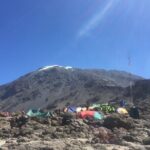
A relatively gentle hike to Kikelea Camp helps your body adjust to higher altitudes while providing gorgeous panoramic views of Kibo and the surrounding peaks. This day is about gradually increasing altitude without pushing too hard, helping to set you up for success in the days ahead.
Day 4: Mawenzi Tarn’s Serenity
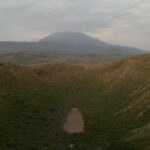
Reaching Mawenzi Tarn is a highlight. This volcanic crater lake set amidst stunning landscape offers a peaceful spot to absorb the mountain’s majesty while enjoying the fresh mountain air. The terrain here is still accessible, but the views of the Mawenzi peaks are stunning, making it a favorite among trekkers.
Day 5: Further Acclimatization and Preparation
This day involves a trek toward the base of Kibo Crater rim, a strategic move to help your body further adapt. The trail features breathtaking vistas and is a key step before the summit push. Returning to Mawenzi Tarn Hut allows some rest before the big day.
Day 6: The Summit Push
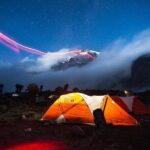
Early in the morning—before dawn—you’ll start the challenging ascent. The terrain features scree slopes and switchbacks, demanding focus and stamina. Headlamps light your way as you climb under a star-filled sky. The moment you reach Gilmans Point on the crater rim, you’re greeted by a spectacular sunrise. The views of glaciers and the expansive plains below make every step worthwhile.
Day 7: Descent via Marangu Route
Descending through the Marangu Route, you’ll pass through lush vegetation as you reach Mweka Gate. Many find this part of the trek more relaxed, with green landscapes replacing the barren high-altitude terrain. This day marks the end of your climb, leaving you with a profound sense of achievement.
What’s Included and What’s Not
The $1,990 price covers a lot: professional guides, park entry permits, transportation from Arusha, meals, hut accommodations, safety gear, and taxes. Having knowledgeable guides is crucial—they will keep you safe, motivated, and informed about each ecosystem and the mountain’s history.
However, you’ll need to budget for pre- and post-trek accommodation in Arusha, personal gear (hiking boots, sleeping bags), and your international flights. The tour also doesn’t include travel insurance or a Tanzania visa, both of which are important considerations.
More Great Tours NearbyThe Experience: What Travelers Say
Many reviews praise the guides’ knowledge and friendliness, often describing them as “professional and reassuring”. The scenery, especially the sunrises from the crater, consistently earns high marks. Travelers also appreciate the comfortable huts compared to tent-based treks, noting that they help conserve energy and improve overall comfort.
A common theme is the importance of good acclimatization. The strategic overnight stops at Kikeleaa and Mawenzi Tarn are seen as vital for success. Some mention the challenging terrain—particularly the scree slopes leading to the summit—but most agree that the breathtaking views make the effort worthwhile.
Practical Considerations
This trek is best suited for fit travelers who are comfortable with moderate hiking and can handle altitude changes. While the route provides strategic acclimatization, it’s still physically demanding. The shared mountain huts are generally comfortable, but bring your own sleeping bag for extra warmth. The included meals are nutritious but expect to supplement with your own snacks if you want extra energy.
Transportation logistics are straightforward, with transfers included from Arusha and back to Moshi. The book now, pay later option adds flexibility for those hesitant to commit immediately, and a full refund is possible with a 24-hour notice.
Final Thoughts: Who Will Love This Tour?
This 7-day Kilimanjaro Rongai Route trek is a smart choice for travelers who want a less crowded, scenic ascent with a focus on acclimatization and comfort. The inclusion of professional guides and hut accommodations makes it a less daunting experience, especially if you’re new to high-altitude trekking but physically fit.
It’s well-suited for adventurous travelers who appreciate stunning landscapes and want a well-organized climb with an authentic feel. If your goal is to reach Kilimanjaro’s summit with a reliable support team and comfortable overnight stops, this trip offers great value for the price.
However, it’s not a budget trip—so if you’re seeking the cheapest option or prefer camping, you might want to explore other routes. For those who love a balanced mix of challenge, scenery, and comfort, this tour provides a memorable ascent of Africa’s highest peak.
Climbing Mt.Kilimanjaro via Rongai Route 7 days
FAQ
Is this route suitable for beginners?
While it’s designed to be accessible for most fit hikers, some experience with trekking or high-altitude walking helps. The route’s gradual acclimatization and huts make it easier than tent-based routes, but it’s still physically demanding.
What kind of accommodations are included?
You’ll stay in mountain huts with shared bunk beds, providing more comfort than camping. Bringing your own sleeping bag is recommended for warmth.
Are meals provided during the trek?
Yes, nutritious meals are prepared by experienced cooks at each stop. Dietary restrictions can be accommodated, so inform your guides ahead of time.
What is the main advantage of the Rongai Route?
Its less crowded trail and scenic diversity offer a more peaceful and visually rewarding experience compared to busier routes. It also offers good acclimatization potential.
What should I bring from home?
Essential gear includes hiking boots, warm clothing, a headlamp, and your own sleeping bag. Personal items like sunscreen, sunglasses, and a water bottle are also vital.
Is travel insurance necessary?
While not included, travel insurance that covers medical emergencies and trip cancellations is highly recommended, especially for high-altitude activities.
This Kilimanjaro trek via the Rongai Route strikes a nice balance between adventure, comfort, and scenery. It’s perfect for those who want a well-organized climb with authentic views and strategic acclimatization. If you’re ready for a challenging journey that rewards you with some of Africa’s most stunning vistas, this tour could be just the right fit.
You can check availability for your dates here: