If you’re looking to explore Louisiana’s storied past without the crowds of the more famous plantations, the Destrehan Plantation offers a compelling, accessible glimpse into antebellum life. This tour promises a mix of history, architecture, and storytelling—all wrapped up in a manageable 45-minute experience that’s ideal for those wanting a quick yet meaningful visit.
What makes this tour stand out? First, its focused narrative on the social, political, and economic aspects of plantation life enriches your understanding of this period’s complexities. Second, the discussions about the 1811 slave revolt offer a sobering but vital perspective often missing from more traditional tours.
A potential consideration? The tour’s emphasis on the landowners’ perspective means it doesn’t go as deep into the enslaved people’s experiences. If you’re craving an in-depth understanding of the enslaved community, you might find other sites or resources more satisfying.
This experience suits travelers who appreciate well-guided storytelling, are interested in authentic historical sites close to New Orleans, or want a thought-provoking introduction to Louisiana’s past. It’s particularly good for visitors who prefer shorter, focused tours rather than lengthy excursions.
Key Points
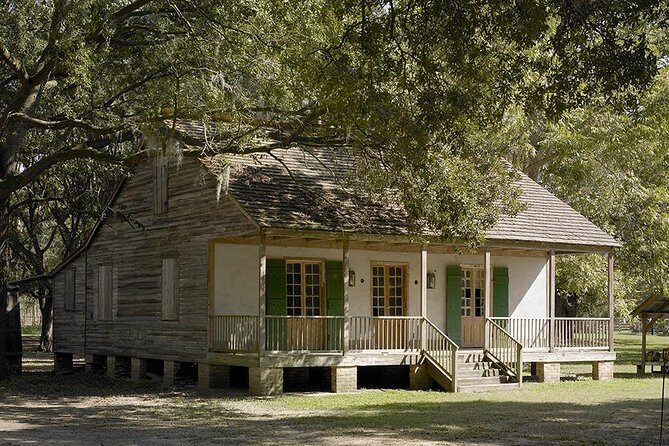
- Accessible Location: Only 25 minutes from downtown New Orleans, with easy rideshare or taxi access.
- Focused Content: Great for understanding the social and political history of plantation life, with special attention to the 1811 slave revolt.
- Knowledgeable Guides: Tour guides are praised for their expertise, engaging storytelling, and professionalism.
- Authentic Experience: Opportunities to walk grounds solo, view original artifacts, and see period demonstrations.
- Value for Money: At just over $21 per person—including guided tour, folk-life demonstration, and gift shop access—the tour offers impressive value.
- Limited Food Options: No on-site restaurant, so plan accordingly if you want a meal afterward.

👉 See our pick of the Top 15 Workshops & Classes In New Orleans
Introduction to the Tour Experience
The Destrehan Plantation tour provides a worthwhile slice of Louisiana’s history, especially for those interested in the plantation economy and the stories of the enslaved. We’ve seen how visitors consistently praise the knowledgeable guides and find the grounds both scenic and thought-provoking.
One thing everyone can agree on: the cost of around $21.60 is reasonable for what’s included—a guided walk, exhibits, and ample time to explore. The tour lasts approximately 45 minutes, but many guests linger on the grounds afterward, soaking in the atmosphere or browsing the gift shop with affordable local crafts.
A note of caution: since there’s no on-site restaurant, it’s wise to bring some snacks or plan to eat before or after. Still, the proximity to New Orleans makes it a convenient, quick trip from the city center or airport.
You can also read our reviews of more tours and experiences in New Orleans.



Why We Like This Experience
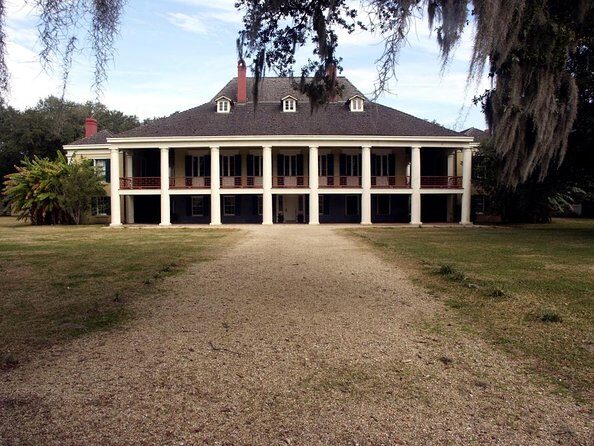
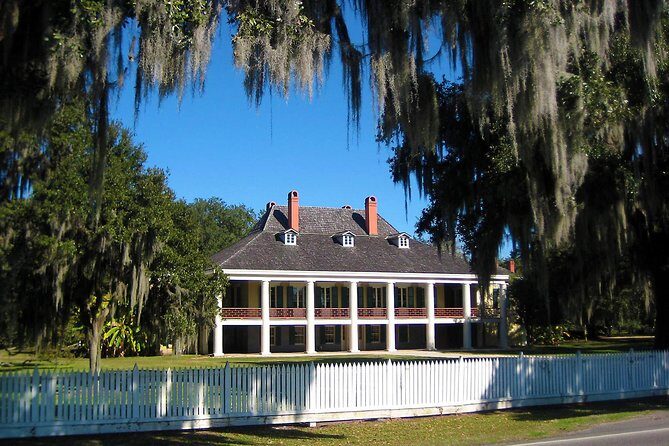
We love that Destrehan is the oldest documented plantation home in the lower Mississippi Valley, giving it an air of authenticity. The fact that it’s only 25 minutes from downtown New Orleans and accessible by Uber or taxi makes it practical for all types of travelers.
The other aspect we appreciate: the tour’s educational focus on the 1811 slave revolt—the largest uprising in U.S. history—adds depth and context rarely covered in other sightseeing options. The guided folk-life demonstrations help visitors visualize how life was on the plantation, from cooking to daily chores, making the past more tangible.
What to Expect During the Tour
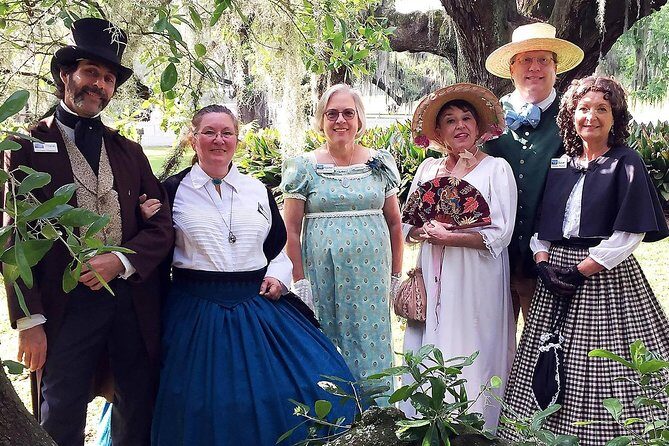
The main stop is the main house itself, where costumed interpreters share stories of both free and enslaved residents. They don’t sugarcoat history but instead offer honest insights into the plantation’s social hierarchy and political influences.
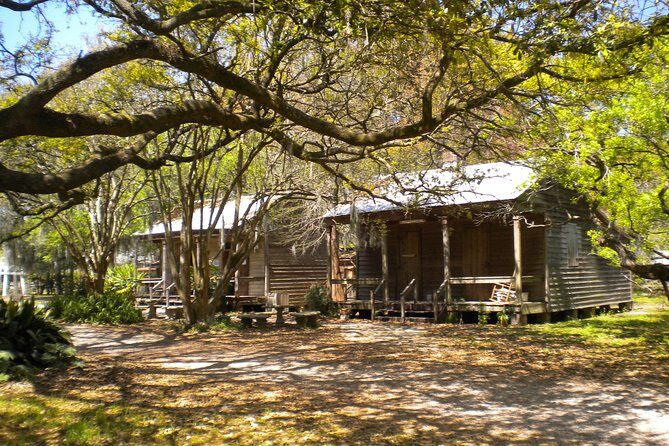
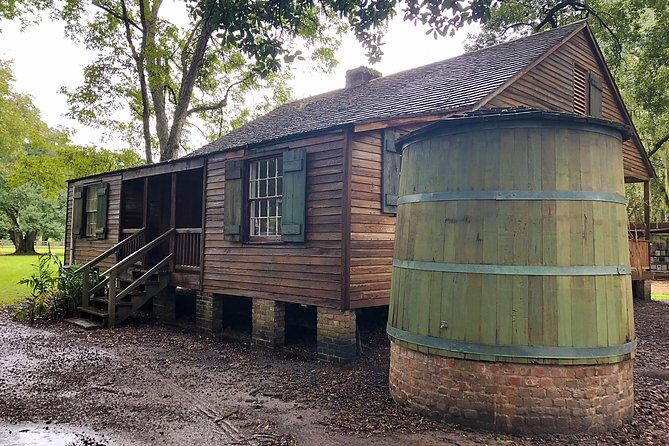
Following the house tour, visitors are encouraged to self-explore the grounds, which include several dependency buildings. You’ll find a slave cabin with an enslaved registry, which adds a poignant layer to the visit. The overseer’s cabin hosts the 1811 Slave Revolt exhibit, highlighting a pivotal event in American history. Other buildings include an outdoor kitchen, a washroom, and a trapper’s cabin.
Guests frequently comment on the quality of guides—some mention “Jim,” “Alan,” or “Beverly”—who combine historical knowledge with engaging storytelling. Many reviews praise the guides’ ability to answer questions thoroughly and keep the group interested—no small feat given the sometimes heavy subject matter.
Grounds and Exhibits
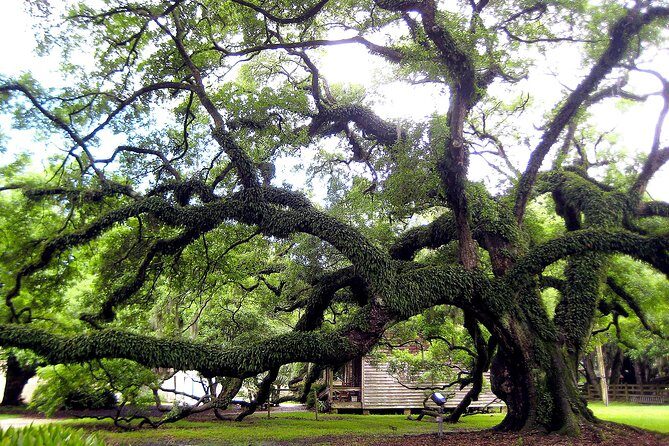
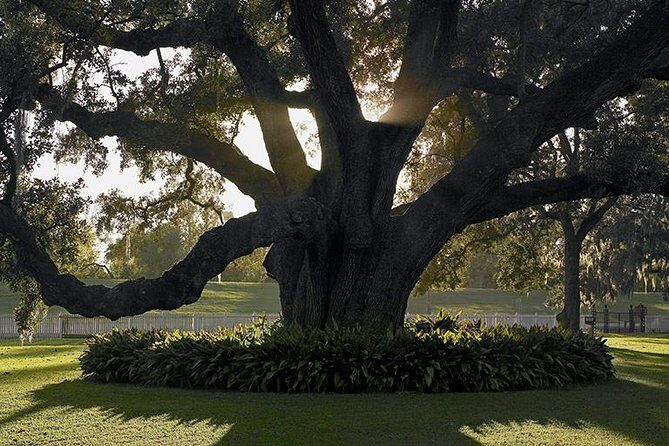
The grounds are worth a stroll independently, especially if you’re a fan of Southern landscape beauty. Visitors often remark on the scenic trees and the well-preserved buildings that conjure up the antebellum era.
The slave revolt exhibit in the overseer’s cabin is particularly impactful, offering original documents and artifacts that serve as stark reminders of resistance and resilience. Several reviews highlight how the personal stories of enslaved workers make the history feel alive and real—something that’s crucial for understanding the full picture.
The Folk-Life Demonstration & Gift Shop
The folk-life demonstration provides a hands-on look at daily chores of the period—things like cooking or laundry—giving visitors a tactile connection to the past. After the tour, guests are encouraged to wander the grounds on their own, often appreciating the peaceful ambiance.
The gift shop is a bonus—known for affordable, locally-made crafts—making it an ideal stop for souvenirs or unique keepsakes.






The Value Proposition
At just over $21, this tour is a solid value—especially considering the guided experience, access to exhibits, and time on the grounds. Compared to larger, more commercial plantations, Destrehan offers a more intimate encounter, with smaller group sizes (up to 19 guests) ensuring a personal touch.
Some guests note that the tour’s focus is mostly from the plantation owner’s perspective, which could be a drawback if you’re seeking a comprehensive view of enslaved people’s lives. However, the self-guided sections and exhibits do help fill in some of these gaps.
Practical Tips
- Reserve well in advance (most bookings are made about 16 days ahead) to secure your spot.
- The tour begins at 13034 River Rd, Destrehan, LA, and generally ends back there.
- There’s no on-site restaurant, so plan accordingly if you want lunch or snacks.
- Service animals are permitted, so travelers with pets should feel comfortable attending.
- Group size is limited to 19, which helps keep the experience engaging and personal.
Destrehan Plantation Tour
Summary
The Destrehan Plantation tour offers a rich, well-guided look at Louisiana’s antebellum past, emphasizing political, social, and economic history with a meaningful focus on the 1811 slave revolt. The guides’ expertise and the beautiful grounds create a memorable, educational experience that many visitors find both thought-provoking and enjoyable.
It’s especially suited for those who want a short, focused visit that’s both affordable and immersive. While it may not cover every aspect of plantation life, its balance of authentic storytelling, scenic views, and historical artifacts makes it a worthwhile stop for anyone interested in Louisiana’s complex history.
For travelers seeking a convenient, authentic glimpse into Louisiana’s plantation era, Destrehan offers a well-rounded experience. The knowledgeable guides and thoughtful exhibits stand out, making it a meaningful stop for history buffs and casual visitors alike.
If your goal is to understand the social and political fabric of the antebellum South, this tour provides a clear, approachable narrative. The grounds and exhibits deepen the story, providing context and personal stories that resonate.
While it leans slightly toward the plantation owner’s perspective, the inclusion of the 1811 slave revolt exhibit and self-exploration options help balance the story. It’s a solid value with a manageable time commitment—perfect for a half-day outing from New Orleans.
Overall, Destrehan Plantation is a valuable, authentic experience that combines history, scenery, and engaging storytelling in a way that leaves visitors with a deeper understanding of Louisiana’s past. It’s best suited for travelers who appreciate guided tours, are interested in historic architecture, and want a thought-provoking visit without the lengthy commitment of larger plantations.
Is the Destrehan Plantation tour suitable for children?
Yes, the tour is generally suitable for most travelers, including families. The grounds and exhibits can be engaging for children, especially those interested in history and outdoor exploration.
How long does the tour last?
The guided tour is approximately 45 minutes, with additional time to explore the grounds and visit the gift shop afterward.
Can I visit the grounds on my own after the guided tour?
Absolutely. Guests are encouraged to walk the grounds solo after the tour, which many reviewers say they enjoy, soaking in the peaceful atmosphere.
Is the tour accessible for people with mobility issues?
The description indicates the tour is accessible by rideshare or taxi, but specific details on walking distances or wheelchair access are not provided. It’s best to contact the operator for specific accommodations.
What’s included in the ticket price?
Your ticket covers the guided tour by costumed interpreters, a folk-life demonstration, access to the exhibits, and the chance to browse the gift shop.
Are there any dining options on-site?
No, there is no restaurant on the grounds. Visitors should plan to eat in nearby New Orleans or bring snacks.
What is the best way to book the tour?
The tour is most often booked 16 days in advance, so early reservations are recommended to secure your preferred date. You can contact Destrehan Plantation directly or book through the provider’s website.
Visiting Destrehan Plantation offers a rich, balanced view of Louisiana’s history that’s accessible and respectful. Whether you’re a history enthusiast or a curious traveler, this tour provides valuable insights into a complex past—set within a scenic and manageable setting.