Exploring Napier’s Earthquake Through a Self-Guided Audio Tour
This self-guided audio tour offers an engaging way to learn about one of New Zealand’s most pivotal moments— the 1931 earthquake that reshaped Napier. Perfect for history buffs, curious travelers, or those looking for a flexible way to uncover local stories, this experience combines the convenience of modern tech with the depth of detailed narration.
Two aspects stand out immediately: first, the ability to explore at your own pace without the constraints of a group or scheduled times, and second, the rich storytelling that brings Napier’s resilience to life. That said, it’s worth noting that the tour is only available in English, which could be a consideration for non-English speakers.
This tour is especially suited for travelers who enjoy walking, wish to understand local history deeply, and prefer the flexibility to pause and explore along the way. If you appreciate authentic stories and a personal pace, this experience will likely resonate with you.
- Key Points
- An In-Depth Look at the Napier Earthquake Self-Guided Audio Tour
- Introduction: Why This Tour Might Be Right for You
- Why You’ll Love This Tour
- The Itinerary: What to Expect at Each Stop
- Stop 1: Napier Municipal Theatre
- Stop 2: Waiapu Anglican Cathedral
- Additional Stops and Highlights
- Practical Tips for the Tour
- Authentic Insights from Travelers
- Final Thoughts: Is This Tour Worth Your While?
- FAQ
- More Guided Tours in Napier
- More Tours in Napier
- More Tour Reviews in Napier
Key Points
 1 / 7
1 / 7 2 / 7
2 / 7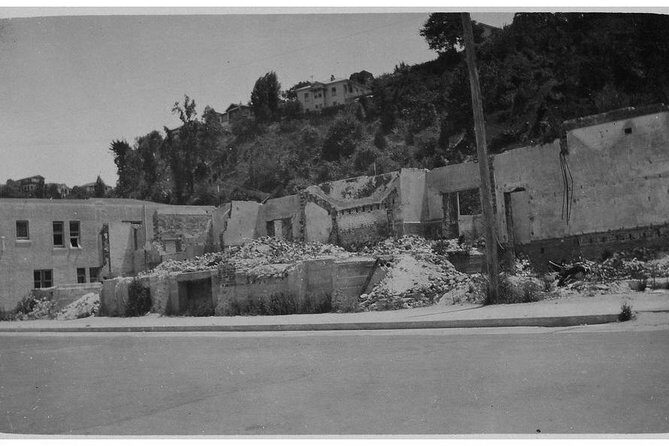 3 / 7
3 / 7 4 / 7
4 / 7 5 / 7
5 / 7 6 / 7
6 / 7 7 / 7
7 / 7- Self-paced exploration allows you to control your timing and comfort.
- The tour covers significant sites like the Napier Municipal Theatre and Waiapu Anglican Cathedral, both rich with history.
- It’s cost-effective at just over $15 per person, offering good value for a two-to-three-hour educational stroll.
- The audio guide and map provide a seamless experience, even if the app can be a little clunky at times.
- It’s ideal for history enthusiasts, casual walkers, and those on a tight schedule who want an immersive experience.
- Free cancellation makes it flexible for changing plans.
An In-Depth Look at the Napier Earthquake Self-Guided Audio Tour
You can also read our reviews of more guided tours in Napier



Introduction: Why This Tour Might Be Right for You
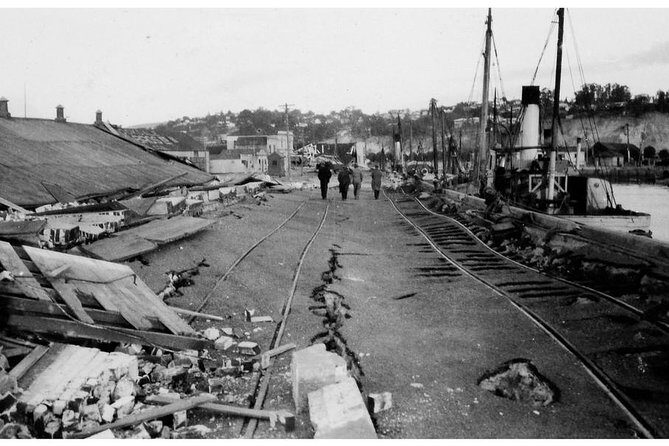
When exploring Napier, this self-guided tour offers a compelling way to connect with the city’s dramatic past. The 1931 earthquake was a watershed moment, leaving destruction in its wake but also sparking a wave of rebuilding that shaped the city’s distinctive Art Deco style.
What draws many to this experience are its flexibility and affordability. You get the freedom to walk at your own pace and linger at points of interest without the pressure of a guided group. Plus, the price point of around $15 makes it accessible, especially when you consider the depth of storytelling involved.
One thing to keep in mind is that the tour is only available in English, which might limit non-English speakers or those seeking multilingual commentary. Also, since it’s a self-guided experience, you’ll need to be comfortable with using your phone and downloading the content beforehand.
This tour is best suited for history enthusiasts, curious travelers, or anyone interested in how a city can bounce back from catastrophe with resilience and community effort. It’s a highly informative, flexible, and personal way to discover Napier’s story.
Why You’ll Love This Tour
Flexibility is the name of the game. You can start the tour at 9:00 am from the Napier Isite Visitor Information Centre and take your time exploring the city’s landmarks. The use of a GPS map and audio files makes navigation straightforward, even if you’re unfamiliar with the area or prefer to wander off the beaten path.
Historical focus makes this a meaningful experience. The narration covers key sites like the Napier Municipal Theatre, which was destroyed in the quake and rebuilt in 1938, and the Waiapu Anglican Cathedral, a symbol of community resilience completed in 1965 after the destruction of the original structure. These stories go beyond mere sightseeing—they tell of rebuilding, resilience, and hope.
Many reviews highlight how informative and well-presented the narrative is. One reviewer said, “A great self-guided walking tour. The earthquake must have been so devastating for the town. Highly recommended.” Others appreciated the value for money, noting how much they learned without breaking the bank.
Practicality is another advantage. At just over two hours, the tour fits well into a day’s exploration without feeling rushed. You can pause the audio to grab a bite or explore local shops, adding to the laid-back, personal experience.
The Itinerary: What to Expect at Each Stop
Stop 1: Napier Municipal Theatre
Starting at the Napier Isite Visitor Centre, you’ll make your way to the Municipal Theatre. This building has its own quirky story: originally planned to be at Clive Square, but local petitions convinced the town to build it where it now sits. The theatre was built with brick, but the mixture of lime and mortar failed during the earthquake, contributing to its destruction. Rebuilt in 1938, it’s a testament to the city’s resilience.
The audio guide will walk you through its history, emphasizing how the quake destroyed much of Napier’s architecture but also how the city’s spirit led to rebirth. The site is free to explore, and the visit takes about 15 minutes, making it a good starting point.
You can also read our reviews of more tours and experiences in Napier




Stop 2: Waiapu Anglican Cathedral
Next, your tour takes you to the Waiapu Anglican Cathedral, an iconic landmark completed in 1965. The story of this cathedral is poignant: the original, built in 1888, was destroyed during the earthquake, with one person losing their life during the event. For 25 years afterward, a temporary wooden structure served as the community’s place of worship.
The current cathedral, with its traditional English design, symbolizes the resilience of Napier’s people. The narration recounts how the rebuilding of the cathedral was part of the larger recovery effort that shaped the city. This stop takes approximately 15 minutes, and the experience at both sites is enhanced by the storytelling that brings their histories alive.
Additional Stops and Highlights
While the tour primarily focuses on these two sites, the overall experience encourages walking through the city’s streets, observing the Art Deco architecture— a style that blossomed after the earthquake’s destruction. The audio tour might encourage you to look at buildings with a new appreciation for how history and design intertwine.
Practical Tips for the Tour
- Download the tour beforehand: Make sure to follow the instructions in your ticket’s “Before You Go” section. Having the audio files ready will save you time and hassle.
- Bring headphones and a charged device: The audio guide is essential, so ensure your phone or device is charged and your headphones are comfortable for walking.
- Timing and pacing: The tour takes about two hours but can extend if you pause to take photos or explore shops and cafes along the way.
- Walking shoes: Expect to walk on city streets, so wear comfortable shoes.
- Language: Note that the tour is only offered in English.
Authentic Insights from Travelers
Many reviewers highlight the value and informativeness of this experience. One reviewer said, “Great concept. Enjoyed the short walking tour. App was a little clunky at times but got it sorted.” Even with minor technical hiccups, the overall experience was positive, emphasizing the good balance of historical insight and personal flexibility.
Another noted, “The earthquake must have been so devastating for the town. Highly recommended,” pointing to how well the narration captures the emotional weight of the event. Several also appreciated that the tour was easy to follow on a mobile phone and that it contributed toward a pleasant, leisurely day exploring Napier’s streets and stories.
Final Thoughts: Is This Tour Worth Your While?
This self-guided audio tour offers excellent value for travelers interested in Napier’s earthquake history and recovery. Its main selling points are the flexibility to explore at your own pace and the insightful narrative that makes the history come alive. It’s especially suited for those who enjoy walking, want to learn without a guide’s schedule, or are on a budget.
The tour does have some limitations, such as being only in English and occasional app glitches, but these are small trade-offs compared to the overall experience. If you’re looking to deepen your understanding of Napier’s resilience through an affordable, easy-to-use format, this could be just what you need.
For history lovers, casual explorers, or those curious about how communities rebuild after disaster, this tour offers a valuable perspective—one that adds a human touch to Napier’s stunning Art Deco landscape.
Discover Napier Earthquake: Self-Guided Audio Tour
FAQ
Is this tour suitable for children?
While not explicitly designed for kids, the story-driven narration can be engaging for older children or teenagers interested in history and architecture.
Do I need to be physically fit to complete the tour?
Yes, the tour involves walking on city streets, so moderate physical fitness is recommended to enjoy it comfortably.
What’s included in the tour?
You get the audio files and GPS map, which allow you to explore at your own pace. There are no admission fees or physical guides included.
Can I do this tour if I don’t speak English?
No, the tour is only available in English, so language could be a barrier for non-English speakers.
How long does the tour take?
Approximately two hours, but you can extend it if you choose to explore additional sights or take breaks along the way.
Where does the tour start and end?
It begins at the Napier Isite Visitor Information Centre and ends at Veronica Sunbay, both centrally located in Napier.
In the end, this self-guided tour is a thoughtful, affordable way to uncover Napier’s story of disaster and rebirth. It’s ideal for travelers who value authenticity, flexibility, and a deeper connection to the places they visit. Whether you’re a history buff or a casual tourist, this experience offers a meaningful glimpse into how a city’s spirit can rise from the rubble.