
Traveling to Everest Base Camp is a dream for many adventurers, but the costs and logistics can sometimes feel overwhelming. The Everest Base Camp Budget Trek offers a practical way to experience the world’s highest mountain without breaking the bank. With a 15-day itinerary, cozy bed-and-breakfast stays, and a knowledgeable guide, this tour aims to make this iconic trek accessible for those watching their wallets.
What we like most about this trek? First, the affordable price point of $960 per group is impressive given the comprehensive itinerary and included accommodations. Second, the expert, English-speaking guide enhances the experience with insights about Sherpa culture and high-altitude survival tips. A possible drawback? The cost doesn’t include flights, permits, meals, or equipment, so travelers should budget for extras.
This trek suits budget-conscious adventurers, first-timers, or anyone keen to see Everest with a clear view of local life and stunning peaks—without the luxury price tag.
- Key Points
- An Honest Breakdown of the Everest Base Camp Budget Trek
- Starting in Kathmandu: Convenience and Comfort
- The Flight to Lukla: A Key Highlight
- Trekking to Namche Bazaar: Arrival at the Hub of Sherpa Culture
- Acclimatization and Cultural Insights
- Visiting Tengboche Monastery and Its Prayer Ceremony
- High-Altitude Challenges and Rest Days
- Reaching Everest Base Camp and Kalapathar
- Returning via Gorakshep and Pheriche
- The Return to Kathmandu and Buffer Days
- What’s Included and What’s Not
- Pros and Cons from Real Reviews
- Why This Trek Is a Good Deal
- Who Should Consider This Trek?
- Final Thoughts
- FAQ
- More Tour Reviews in Mount Everest
Key Points
 1 / 7
 2 / 7
 3 / 7
 4 / 7
 5 / 7
 6 / 7
 7 / 7
- Cost-effective adventure with all essential elements included
- Comfortable guesthouse stays designed for rest and recovery
- Insightful guides with local knowledge and language skills
- Authentic cultural experiences at Tengboche Monastery and Namche Bazaar
- High-altitude acclimatization to help prevent altitude sickness
- Flexible options for booking and cancellation
An Honest Breakdown of the Everest Base Camp Budget Trek
This trek offers a compelling balance between affordability and authenticity. While it might not have all the luxuries of more expensive options, it provides a genuine Himalayan experience that adventurous travelers will appreciate. Here’s a detailed look at what you can expect.
You can also read our reviews of more tours and experiences in Mount Everest.
Starting in Kathmandu: Convenience and Comfort
Your journey begins in Kathmandu, where your group is picked up from the airport and transferred to Hotel Sohum. For many travelers, the first night in Kathmandu is a welcome chance to get acclimated, arrange any gear needed, and prepare for the adventure ahead. The included shared bunk beds offer a simple, communal atmosphere—nothing fancy, but comfortable enough for a good night’s sleep before taking to the skies.
The Flight to Lukla: A Key Highlight
Flying from Kathmandu to Lukla (2800 meters) is a highlight in itself. This short, scenic flight offers views of the Himalayas and sets the tone for the trek. It’s also a reminder of how remote this area is—delays or cancellations can happen due to weather, so a little flexibility is wise. Once in Lukla, a three-hour trek to Phakding begins, and it’s a gentle warm-up for the days ahead.
Trekking to Namche Bazaar: Arrival at the Hub of Sherpa Culture
The next stage takes you to Namche Bazaar, often called the gateway to Everest. Sitting at 3,535 meters, it’s a bustling town full of shops, cafes, and the Sherpa spirit. The trek itself offers beautiful scenery and the chance to start adjusting to higher elevations. We liked how the guide helps you understand the significance of this cultural center, with optional visits to a small museum that showcases Sherpa traditions.
More Great Tours NearbyAcclimatization and Cultural Insights
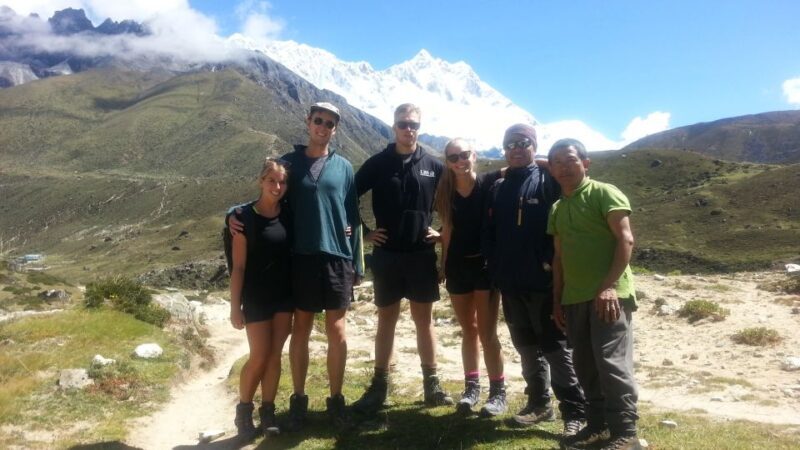
The itinerary wisely includes rest days in Namche to prevent altitude sickness. Here, you can stroll around, explore local markets, or visit the Sherpa Museum. The guide’s insights into Sherpa culture and mountain survival make these stops more meaningful. Many reviews mention how the guides’ local knowledge adds depth to the experience, turning a simple walk into a window into Himalayan life.
Visiting Tengboche Monastery and Its Prayer Ceremony
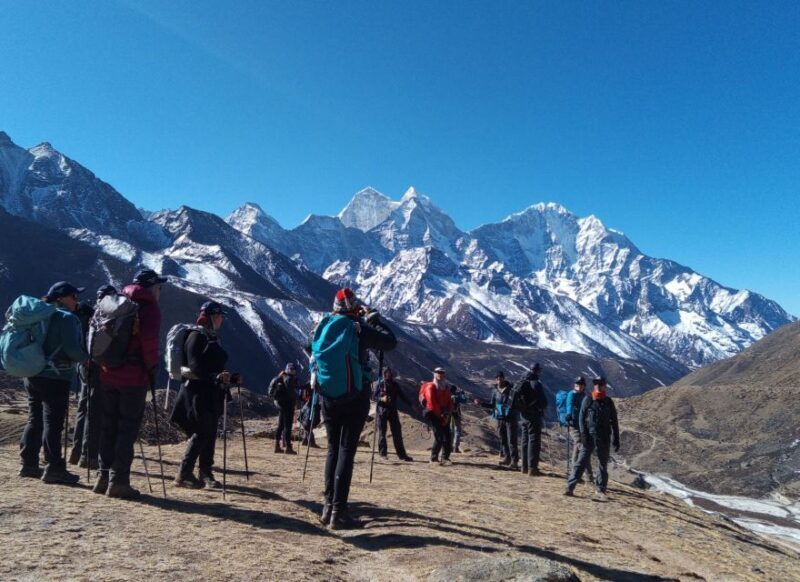
A real highlight is the visit to Tengboche Monastery, perched at 3,850 meters. Participating in the prayer ceremony (if timing permits) offers a rare glimpse into Tibetan Buddhist traditions. The scenery around Tengboche is spectacular, with views of Everest, Ama Dablam, and other peaks. This stop combines spiritual reflection with some of the best mountain vistas on the trek.
High-Altitude Challenges and Rest Days
Dingboche, at 4,350 meters, is the next stop. Here, you’ll find a village that provides a needed break from strenuous walking, helping your body adapt. An optional day trip to Chhukung Valley and Chhukung Ri (5,546 meters) allows for incredible views of Everest and Makalu, but be prepared for a challenging climb. Many trekkers appreciate these strenuous days, considering them essential for acclimatization.
Reaching Everest Base Camp and Kalapathar
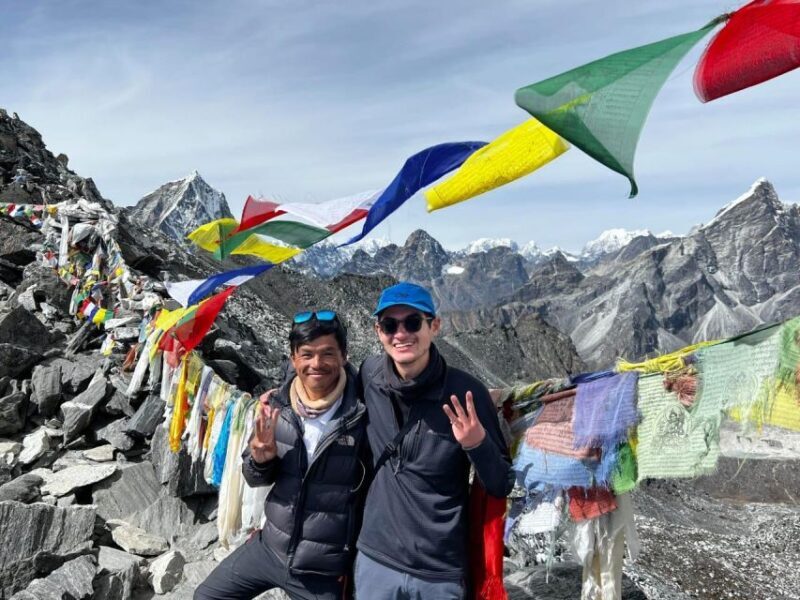
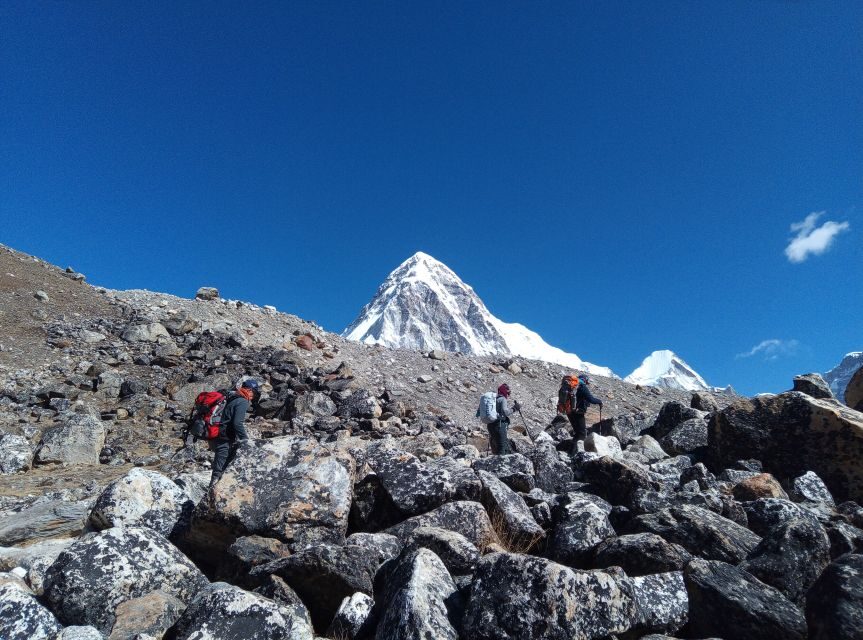
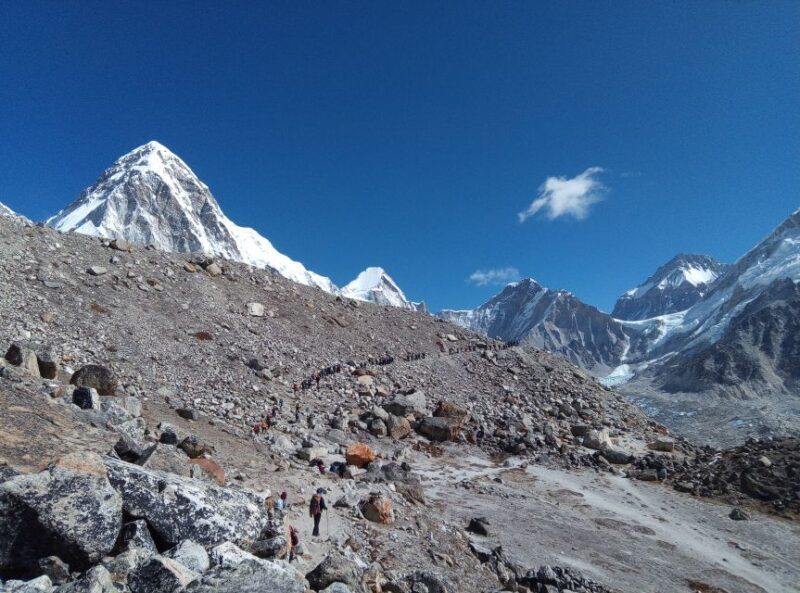
The most anticipated part is walking to Everest Base Camp (5,400 meters). While you won’t get to stand directly on the summit, the view of Everest from the base camp area is awe-inspiring. Afterward, a hike up to Kalapathar (5,545 meters) offers arguably the best panoramic vista in the region—an absolute must for photo buffs. The guide’s commentary makes these moments even more memorable, explaining peaks and geography.
Returning via Gorakshep and Pheriche
Descending to Gorakshep and then trekking down to Pheriche gives a chance to reflect on your journey. The return trek to Namche and Lukla is emotionally and physically rewarding—every step feels like a small victory.
The Return to Kathmandu and Buffer Days
Flying back to Kathmandu wraps up your trek. The included day in Kathmandu allows you to relax, explore, or catch up on last-minute shopping. For travelers with tight schedules or weather delays, this buffer is invaluable.
What’s Included and What’s Not
The $960 fee covers essential logistics—group pickup, guide, shared porter, meals at breakfast during the trek, and accommodation in guesthouses and Kathmandu. However, extra costs include round-trip flights ($433.89 per person), permits ($50), and meals beyond breakfast, personal gear, and equipment.
While the trek doesn’t provide trekking equipment like sleeping bags or jackets, assistance is available if you want to buy or rent gear in Kathmandu, which is a smart move considering the variable weather.
Pros and Cons from Real Reviews
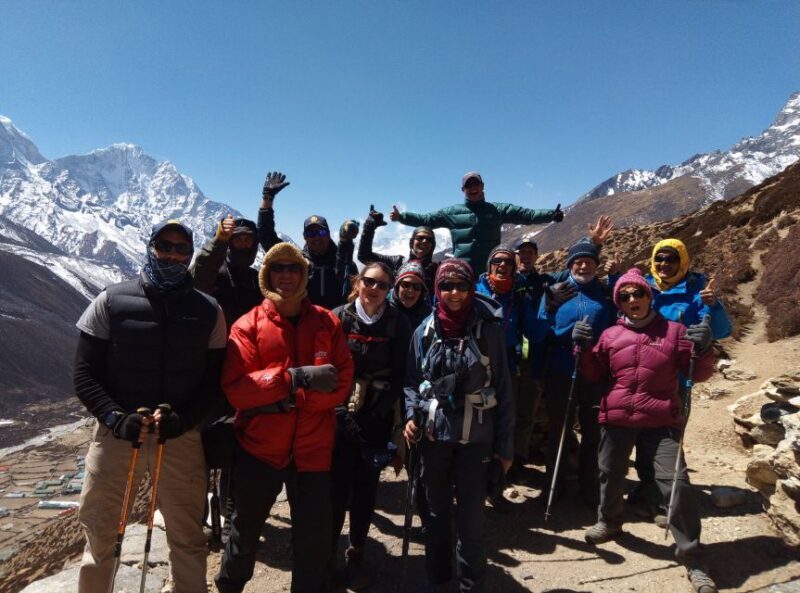
Many travelers praise the guides for their local knowledge and kindness, describing them as “extremely helpful and friendly.” The stunning mountain views and the chance to see Everest from Kalapathar or Base Camp are often highlighted as unforgettable.
On the downside, some note that weather delays can impact flights and plans, so flexibility is key. Others mention that food and accommodation are basic but meet expectations for the price point.
Why This Trek Is a Good Deal
Given the overall cost, this trek offers remarkable value. It includes most essentials—guiding, accommodations, some meals—and focuses on authentic experiences rather than luxury. For first-timers or those on a budget, it strikes a good balance between comfort and adventure.
The tour’s small group size (limited to 10 participants) ensures personalized attention and a more intimate experience with your guide. Plus, the option to cancel up to 24 hours in advance provides flexibility, a rare commodity in Himalayan trekking.
Who Should Consider This Trek?
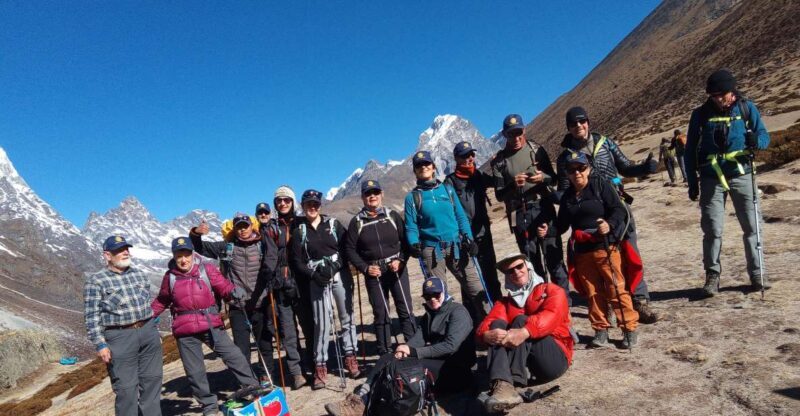
This experience is ideal for budget travelers seeking a genuine Everest adventure. It’s suitable for those comfortable with basic accommodations and prepared for high-altitude conditions. First-time trekkers with a good fitness level will appreciate the acclimatization days and guided support.
If you’re looking for stunning mountain views, culture, and a cost-conscious itinerary without sacrificing authenticity, this trek checks all those boxes. It’s also perfect for independent travelers who want a guided experience but aren’t interested in luxury.
Final Thoughts
The Everest Base Camp Budget Trek manages to deliver authentic Himalayan scenery, cultural insights, and a sense of achievement at an accessible price. While it requires some flexibility—especially around weather and extra expenses—most travelers will find it a worthwhile way to see Everest up close without the premium price tag.
The combination of knowledgeable guides, comfortable guesthouses, and breathtaking vistas makes this trek a solid choice for those who want a genuine, affordable Everest experience. It encourages travelers to focus on the stunning landscapes and warm local hospitality rather than luxury amenities, which can often distract from the true spirit of trekking.
If you’re willing to forego some comforts for rich views, local culture, and a well-organized itinerary, this trek offers exceptional value. It’s best suited for adventurous, budget-minded souls ready for a challenge—and a life-changing view.
Everest Base Camp Budget Trek
FAQ
Is this trek suitable for beginners?
Yes, provided you are in good physical condition and have a reasonable level of fitness. The itinerary includes acclimatization days and manageable daily walks, but high-altitude trekking always requires preparation.
Does the price include flights?
No, the round-trip flights between Kathmandu and Lukla are not included and cost approximately $433.89 per person. It’s best to budget for this separately.
Are the accommodations comfortable?
The trek features shared guesthouse stays with bunk beds, which are simple but functional. They offer a chance to connect with fellow travelers and enjoy a local experience.
What about meals during the trek?
Breakfast is included at the guesthouses. Lunch and dinner are not covered, so you should plan to pay for these separately, typically at the guesthouses or local eateries.
What gear should I bring?
While the trek doesn’t include trekking equipment, you can rent or buy gear in Kathmandu. Pack warm clothing, sturdy hiking shoes, a headlamp, and basic personal items.
Is it necessary to have travel insurance?
Yes, travel insurance covering personal accidents and rescue evacuation is recommended. It’s not included in the package.
Can I cancel or change my booking?
Yes, you can cancel up to 24 hours in advance for a full refund. The “reserve now, pay later” option also offers flexibility if your plans are uncertain.
What happens in case of weather delays?
Flights can be delayed or canceled due to weather, so it’s wise to keep some buffer days. The itinerary includes a buffer day in Kathmandu for this reason.
To sum it up, the Everest Base Camp Budget Trek offers an accessible, authentic Himalayan adventure. It’s a well-rounded option for travelers who value cultural exposure and breathtaking scenery over luxury accommodations. With competent guides, a manageable itinerary, and a focus on local life, it provides a meaningful way to experience Everest—without the hefty price tag.
You can check availability for your dates here: