If you’re dreaming of standing at the foot of the world’s highest peak, this 14-day Everest Base Camp (EBC) trek offered by Ace the Himalaya might just be your ticket.
It’s a well-reviewed, all-in-one package designed for those who want the thrill of the mountains without the hassle of arranging every detail themselves. From domestic flights to cozy guesthouses, guided excursions to delicious meals, this tour covers almost everything.
What we genuinely appreciate about this trek is how it balances comfort with adventure—allowing you to focus on the stunning scenery and local culture.
Two standout features are the professional, English-speaking guides who steer you safely through the high-altitude terrain, and the inclusive logistics, which remove many stress points. A possible consideration? The trek is physically demanding, so a moderate fitness level is recommended.
This experience suits travelers who want a comprehensive, guided Everest adventure without the headache of planning, especially those eager to connect with Sherpa culture and absorb breathtaking mountain views. If you’re after a well-supported, authentic trek with a supportive team, this could be perfect.
- Key Points
- The Journey: From Kathmandu to Everest
- Day 1: Arrival and Orientation
- Day 2: Flight to Lukla and Trek to Phakding
- Days 3-4: Acclimatization and Exploration in Namche Bazaar
- Days 5-6: Tengboche and Dingboche
- Days 7-8: High Altitude and Glacier Views
- Days 9-10: Everest Base Camp and Kala Patthar
- Days 11-12: Downhill and Return through Namche
- Day 13: Return to Kathmandu
- Day 14: Departure
- What Makes This Tour Stand Out?
- The Not-So-Great?
- Why Choose This Trek?
- FAQs
- More Hiking & Trekking Tours in Kathmandu
- More Tour Reviews in Kathmandu
Key Points
 1 / 5
1 / 5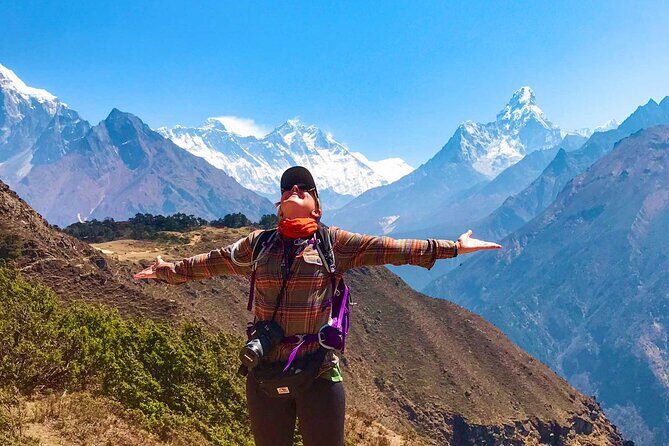 2 / 5
2 / 5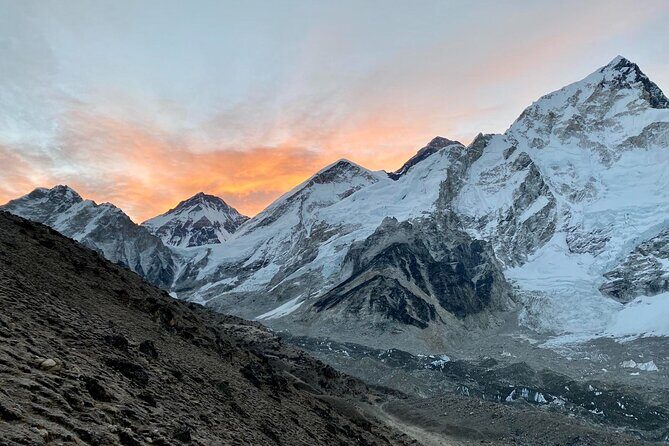 3 / 5
3 / 5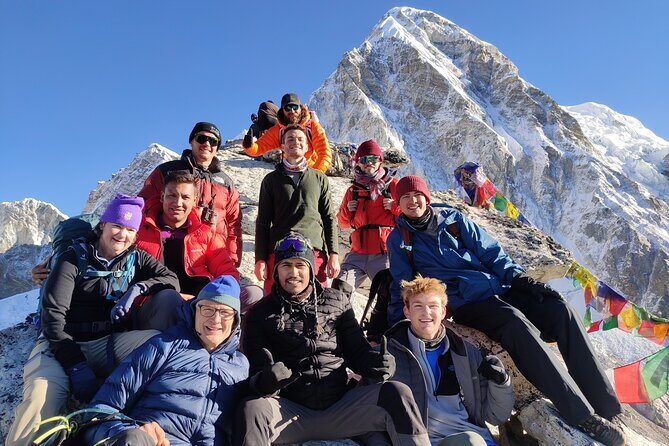 4 / 5
4 / 5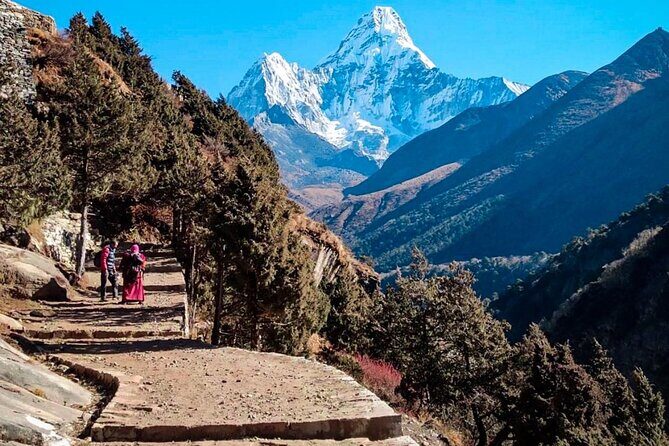 5 / 5
5 / 5- All-Inclusive Experience: Meals, permits, accommodation, and domestic flights are covered, simplifying your planning.
- Expert Guidance: Guided by a licensed, English-speaking trek leader with rave reviews for their knowledge and support.
- Comfortable Accommodation: Twin-sharing guesthouses with attached toilets at key stops, offering a step above basic camping.
- Cultural Encounters: Visits to Sherpa villages, the Sherpa Museum, and Tengboche monastery enrich the trek.
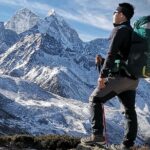
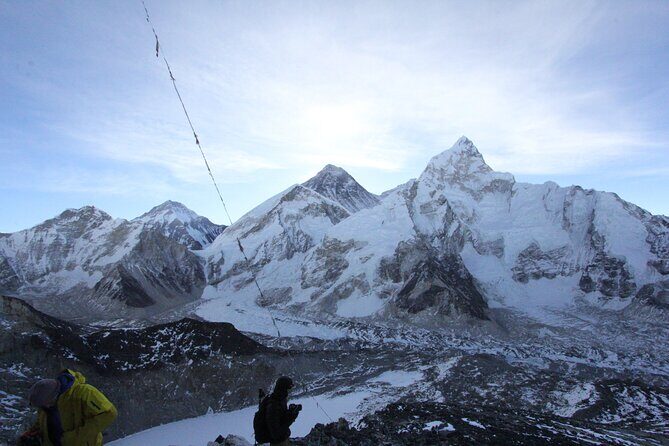
- Impressive Views: Highlights include Everest from Kala Patthar, the Khumbu Glacier, and numerous mountain panoramas.
- Community & Support: Small group size (max 14), friendly guides, and dedicated porters ensure personal attention and camaraderie.
The Journey: From Kathmandu to Everest
You can also read our reviews of more hiking tours in Kathmandu
Day 1: Arrival and Orientation
Your adventure begins with a pickup at Tribhuvan International Airport in Kathmandu. The tour company handles your transfer to a comfortable hotel, and if you arrive early, you get a chance for a quick briefing and to meet your guide. The next day, you’ll head to Lukla—either by helicopter or plane (depending on your choice)—for the start of your trek. This flexibility is a big plus, as many travelers opt to avoid the often-busy Kathmandu-Lukla flight.
Day 2: Flight to Lukla and Trek to Phakding
The short, scenic flight to Lukla (2,804m) is the highlight here, with views of the mountains as you approach the tiny airport. From Lukla, your journey begins along the Dudh Kosi River, crossing suspension bridges with prayer flags fluttering above. You’ll trek to Phakding, a pleasant village where you’ll stay overnight. The trail is manageable, setting a steady pace for acclimatization.
Days 3-4: Acclimatization and Exploration in Namche Bazaar
The trek continues to Namche Bazaar, the hub of Sherpa life. Crossing more suspension bridges and ascending steep trails, you’ll get your first real taste of Himalayan scenery. We love how Namche is a lively town with bakeries, internet cafes, and shops—making it easier to stay connected and enjoy comforts. Here, you can visit the Sherpa Museum to understand local traditions and history, which adds depth to the trek.
Reviewers highlight the importance of this stop for acclimatization: “We spent a day in Namche adjusting to the altitude and visiting the Sherpa Museum,” one remarked. The panoramic views of Everest and Lhotse from the Syangboche Airport and Everest View Hotel are truly worth the short hikes.
Days 5-6: Tengboche and Dingboche
Trekkers head towards Tengboche Gompa, a stunning monastery perched at 3,860 meters. Inside, you’ll see traditional Lamas, ornate wall hangings, and perhaps a prayer ceremony. The views of Ama Dablam are breathtaking—and the spiritual atmosphere adds a special touch.
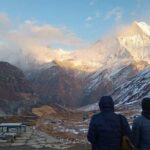
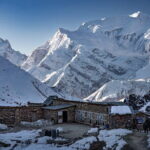
Next, the route dips into Dingboche. Surrounded by towering peaks like Lhotse and Island Peak, Dingboche is a great place to take a breather and adjust to higher elevations. Many reviews praise the village’s charm and the excellent vistas—”Dingboche is such a peaceful spot with incredible mountain views,” noted one hiker.


Days 7-8: High Altitude and Glacier Views
Dingboche’s altitude makes it an ideal acclimatization point. You’ll hike up Nangkartshang Peak for a stunning panorama, especially if weather permits. The next day, you’ll trek to Lobuche, passing memorials for climbers lost on Everest, which is a sobering reminder of the mountain’s danger.
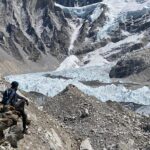
The trail along the Khumbu Glacier is an iconic experience, with views of icy peaks and the vast glacier stretching before you.
Days 9-10: Everest Base Camp and Kala Patthar
Reaching Everest Base Camp (5,365m) is the pinnacle of this trek. From Gorak Shep, you’ll walk along the glacier to the base of the Khumbu Icefall—an awe-inspiring sight. Expect to see expedition teams preparing for their climbs, especially in spring.
The next morning, the ascent of Kala Patthar (5,555m) offers what many consider the best view of Everest’s summit—towering above the surrounding giants like Nuptse and Pumori. The climb is strenuous but well worth it, with jaw-dropping mountain vistas.
Days 11-12: Downhill and Return through Namche
Descending back through Tengboche and Pangboche, you’ll revisit Sherpa villages, soaking in the culture and natural beauty. These days are slightly easier physically but give ample opportunity to reflect on your journey amidst stunning scenery.
Day 13: Return to Kathmandu
Flying back to Kathmandu, this flight offers one last chance to admire the Himalayas from above. The evening in Kathmandu is perfect for sharing stories, relaxing, and celebrating your accomplishment.
Day 14: Departure
Your trek concludes with a transfer to Tribhuvan International Airport, leaving you with memories of a once-in-a-lifetime adventure.
What Makes This Tour Stand Out?
Guides and Support: Reviewers repeatedly praise the guides—calling them knowledgeable, supportive, and friendly. Many mention guides like Milan, Rajkumar, and Janardhan, who go above and beyond to ensure safety, provide explanations about the mountains, and keep morale high. Having a licensed English-speaking guide is a real plus, especially when navigating high-altitude terrain.
Comfort and Logistics: The trek includes twin-sharing guesthouses with attached toilets at key locations, which is a step above camping or shared dormitories. Meals are included during the trek, with the company providing food, water, and even seasonal fruits. This setup allows you to concentrate on the experience rather than logistics.
Cultural Encounters: Visits to Sherpa villages and monasteries add a layer of cultural richness. The Sherpa Museum provides context about the local people’s traditions and their mountaineering history, which many trekkers find inspiring.
Value for Money: At $1,500 per person, the package offers a comprehensive experience—domestic flights, permits, guides, porters, accommodations, and meals—making it excellent value, especially considering the logistics involved in high-altitude trekking.
Authentic Experience with Support: Many reviews highlight how well-supported trekkers felt, even those with little prior experience. The team’s care in managing altitude sickness, providing water, and ensuring comfort is often mentioned as a key reason trekkers feel safe and cared for.
The Not-So-Great?
One point to consider is the physical challenge. The itinerary involves several days of strenuous walking at high altitudes. If you’re not in good shape or have health issues, this could be demanding. Also, the trek’s success relies on weather conditions—flights can be delayed or canceled, especially during peak seasons.
Another consideration is the group size—up to 14 travelers. While this keeps things intimate, it might mean some waiting or less flexibility than private treks.
Why Choose This Trek?
This tour is best suited for travelers who want a guided, all-inclusive Everest experience without the hassle of organizing every detail. It appeals to those looking for supportive guides, comfortable accommodations, and a chance to connect deeply with Sherpa culture and Himalayan scenery. It’s also ideal for first-timers or those who prefer their adventures well-organized and safe.
If you’re an experienced trekker, you might find the itinerary a bit gentle or structured, but most reviews show even seasoned hikers appreciating the support and logistics.
Everest Base Camp Trek – 14 Days
FAQs
Is this trek suitable for beginners?
It requires moderate physical fitness, and some days are quite demanding. But with proper preparation, most fit travelers can handle it, especially since acclimatization days are built in.
What is included in the price?
The package covers airport transfers, accommodations, meals during the trek, permits, domestic flights, guides, porters, and some equipment.
Are the accommodations comfortable?
Yes, most guesthouses have twin-sharing rooms with attached toilets, which is a significant upgrade over basic camping.
How is the food during the trek?
Expect a variety of meals—breakfast, lunch, and dinner—prepared with care. Many reviewers mention the delicious food and seasonal fruits.
What are the highlights of the trip?
The views of Everest from Kala Patthar, the visit to Tengboche monastery, and standing at Everest Base Camp are the top moments.
What to do if I feel altitude sickness?
The tour includes acclimatization days, and guides are trained to manage altitude issues. If symptoms are severe, evacuation arrangements are in place.
Can I do this trek solo?
Yes, many reviews mention solo travelers joining the group. The trek is designed for small groups, but solo travelers should book with the understanding that a surcharge may apply if no other group is available.
What is the best time for this trek?
Spring (March-May) and autumn (October-November) are popular, with clear skies and stable weather. The tour is booked on average 127 days in advance, so plan early.
How physically demanding is the trek?
It involves daily walking at high elevations, with some steep ascents and descents. Proper preparation and acclimatization are vital.
The Everest Base Camp trek offered by Ace the Himalaya strikes a compelling balance of support, comfort, and adventure. Its detailed itinerary, positive reviews, and inclusive package make it an excellent choice for those who want an authentic Himalayan experience without the hassle of logistics. The guides and support staff are continually praised for their professionalism and friendliness, making the challenge easier to face.
This trek is ideal for first-timers or seasoned travelers who value safety, cultural exposure, and stunning scenery. For those prepared for a physically demanding journey, this is a trip that promises a life-changing view of Everest and the Himalayas, combined with the warmth of Sherpa culture.
In essence, this 14-day Everest Base Camp trek provides a well-rounded experience that combines natural beauty, cultural richness, and expert support—worth every penny for a truly memorable Himalayan adventure.