Imagine standing at the foot of the world’s highest peak, with the winds whispering stories of climbers’ sacrifices and mountaineers’ dreams. The Everest Base Camp Trek offers nearly two weeks of incredible scenery, Sherpa culture, and personal achievement. While it’s not a trip for the faint-hearted or those seeking luxury, it’s a journey that promises unforgettable memories and a sense of accomplishment.
What we love about this trek is how it balances spectacular mountain views with culture. You’ll get to walk through traditional Sherpa villages, visit ancient monasteries, and experience the resilience of local mountain communities.
Plus, the trip is thoughtfully organized, making the challenge manageable for most physically fit travelers. That said, a potential downside is the altitude—it’s demanding, and adequate acclimatization is necessary.
This trip suits those with a good level of fitness who crave adventure, awe-inspiring scenery, and authentic Himalayan culture.
- Key Points
- Introducing the Everest Base Camp Trek: What You Need to Know
- The Itinerary: Step-by-Step Breakdown
- Days 1-2: Arrival and Flight to Lukla
- Days 3-4: From Lukla to Namche Bazaar
- Days 5-6: To Tengboche and Dingboche
- Days 7-8: High Altitude and acclimatization at Dingboche, then Lobuche
- Days 9-10: Everest Base Camp and Kala Patthar
- Days 11-12: Descending and returning to Namche
- Days 13-14: Lukla and Kathmandu
- Transportation and Support: Why It Matters
- Meals and Accommodations
- The Experience and Why It’s Worth Doing
- What to Keep in Mind
- Who Is This Trek Best For?
- FAQs
- Final Thoughts
- More Hiking & Trekking Tours in Kathmandu
- More Tour Reviews in Kathmandu
Key Points
- Stunning Views: Expect breathtaking vistas of Mount Everest and surrounding peaks.
- Cultural Encounters: Spend time in Sherpa villages and monasteries, gaining insight into local traditions.
- Well-Organized Trip: Managed by a reputable company, with experienced guides and supportive porters.
- Value for Money: At $1,500, the trek includes accommodations, meals, permits, and internal flights.
- Physical Challenge: Suitable for active travelers, with some days demanding stamina and altitude adjustment.
- Authentic Experience: Stay in local lodges and tea houses, not luxury hotels, for genuine Himalayan hospitality.
Introducing the Everest Base Camp Trek: What You Need to Know
 1 / 3
 2 / 3
 3 / 3
This 14-day journey is considered the ultimate trek in Nepal. It combines mountain adventure, Sherpa culture, and personal achievement into one memorable package. It’s ideal for those wanting to see Everest up close and personal without attempting to summit. The trip is highly rated, with a perfect 5.0 out of 5 from 27 reviewers, most of whom praise its organization, guides, and scenery.
At $1,500 per person, the trek offers what many would view as excellent value, especially considering accommodations, permits, internal flights, and meals are included. The company, Welcome Nepal Treks, has a solid reputation supported by numerous positive reviews praising their professionalism and attentive service.
You can also read our reviews of more hiking tours in Kathmandu
The Itinerary: Step-by-Step Breakdown
Let’s walk through what each day entails and what travelers can expect at each stage.
Days 1-2: Arrival and Flight to Lukla
Your adventure begins in Kathmandu, where you’ll be greeted at Tribhuvan International Airport. The transfer to your hotel is straightforward, with private transport included. The next morning, an early flight takes you from Kathmandu (1320m) to Lukla (2886m)—a short, scenic flight that’s often described as an experience in itself.
The flight is crucial because it sets the tone for the trip. It’s a chance to see the towering Himalayan range from a bird’s-eye view, though weather delays are possible. This is a critical part of the journey, and seasoned travelers recognize the importance of flexible planning here.
Days 3-4: From Lukla to Namche Bazaar
Your trek officially kicks off with a walk to Phakding (2640m), then a longer day to Namche Bazaar (3440m). This lively town is the Sherpa capital and offers a good acclimatization opportunity.
“We loved the way Namche Bazaar blends modern comforts with traditional charm,” says a reviewer, highlighting its vibrant market, cozy cafes, and stunning mountain backdrop. The walk is manageable for most, but it involves some uphill sections, so good footwear and pacing matter.
The next day is dedicated to acclimatization. Namche is a natural choice because of its elevation and facilities. Here, you’ll rest and explore, a practice that’s essential to prevent altitude sickness.
Days 5-6: To Tengboche and Dingboche
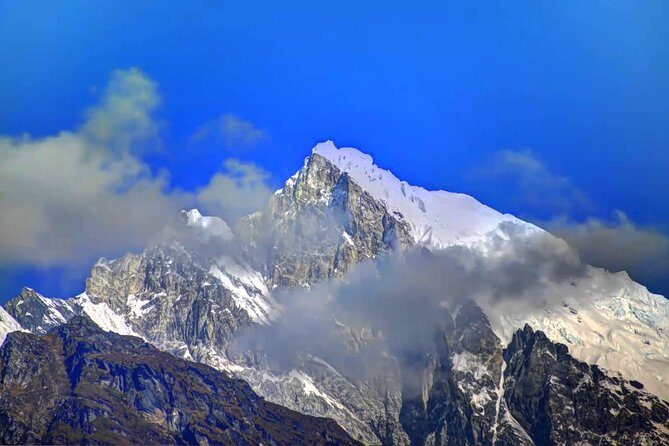
From Namche, the trail winds upward to Tengboche (3867m), famous for its historic monastery. The views of Everest and Ama Dablam are spectacular here, making the climb worthwhile. Many travelers comment on the spiritual atmosphere of the monastery, a peaceful place amidst rugged terrain.
Following Tengboche, you’ll trek to Dingboche (4260m). This stretch provides more incredible vistas and the chance to watch local herders and yak caravans. It’s a good point to see how hardy the Sherpa community is, living and working at high altitudes.

Days 7-8: High Altitude and acclimatization at Dingboche, then Lobuche
Another day of rest and gentle walks in Dingboche ensures your body adapts. The following day, the trek continues to Lobuche (4930m), with a stop at Dugla (4595m). Expect rocky terrain and panoramic views.
We loved the way each stop feels like a milestone, giving you a chance to soak in the landscape and catch your breath before the ascent. This section is demanding, but the scenery and the sense of progress keep spirits high.
Days 9-10: Everest Base Camp and Kala Patthar
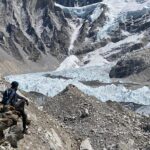
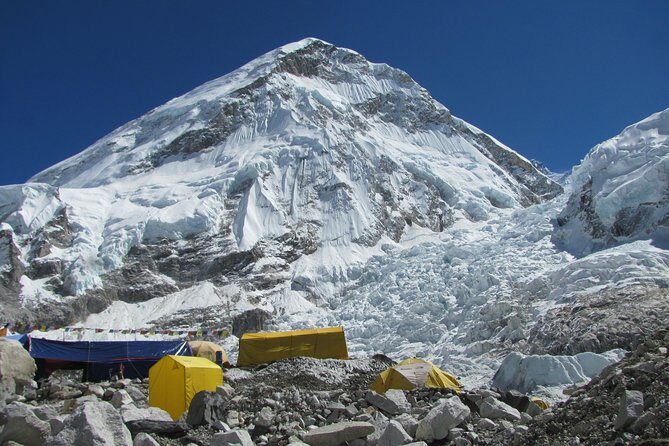
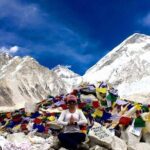
The highlight is reaching Everest Base Camp (5364m), via Gorak Shep. The trail winds past Khumbu Glacier, a moonscape of ice and rocks, culminating in the iconic B.C. at the foot of Everest. Several reviewers describe this moment as life-changing.
“Visit Everest Base Camp and return to Gorakshep—the most rewarding section of the trek,” a traveler notes. Expect rocky paths and a sense of achievement. From Base Camp, many continue to Kala Patthar (5545m) for the best panoramic view of Everest, Lhotse, and Nuptse.
Days 11-12: Descending and returning to Namche
The return involves retracing your steps, with a stop at Pheriche, a lovely village known for its hospital for altitude sickness. The descent is easier physically but offers a chance to reflect and enjoy the scenery.
Days 13-14: Lukla and Kathmandu
The journey wraps up with a flight back from Lukla to Kathmandu. Many reviewers mention that the flight is often the last memorable adventure of the trek, with breathtaking views of the mountains on the way down. In Kathmandu, you’ll unwind, reflect, and prepare for departure.
Transportation and Support: Why It Matters
The trip includes domestic flights, which are faster and more scenic than long overland drives, though weather-related delays are possible. The use of private vehicles for airport transfers and sightseeing in Kathmandu ensures a smooth start and finish.
The lodging in tea houses and lodges is a genuine experience. While not luxury hotels, they are clean, comfortable, and provide a warm, local atmosphere. Many reviews mention the friendly, helpful guides and porters, who carry much of the load, making the trek physically manageable.
Meals and Accommodations
Your package includes breakfast, lunch, and dinner during the trek, served in local lodges. The food is generally hearty, with traditional Nepali dishes and some Western options. Drinks like bottled water and tea are available for purchase, but bringing water purification pills is advised for refilling from natural sources.
In Kathmandu, standard 3-star hotels with private baths, air conditioning, and hot showers are included. For those wanting a bit more comfort, single supplements are available for an extra $200.
The Experience and Why It’s Worth Doing
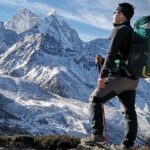
Many travelers describe the trek as both challenging and rewarding. The views of Everest and surrounding peaks are truly unforgettable, often described as “spectacular” and “magnificent”. The cultural encounters—visiting monasteries, mingling with Sherpa villagers—add depth to the journey.
You’ll love the knowledgeable guides, many of whom have decades of experience. They’re praised for their friendliness, professionalism, and ability to create a supportive environment—even on tough days. The local lodges and tea houses, while simple, offer authentic hospitality, and the chance to connect with fellow travelers.
The trek’s value is reinforced by its inclusions: flights, permits, accommodations, meals, and experienced guides. Reviews frequently mention how well-organized and smooth the process was, even with the unpredictable mountain weather.
What to Keep in Mind
Altitude is the main challenge. Proper acclimatization days in Namche and Dingboche help, but travelers should be prepared for physical exertion and colder temperatures at higher altitudes. It’s not a trek suited for those with serious health issues or unfitness.
While the price of $1,500 might seem modest for such an epic experience, it’s worth comparing what’s included—flights, permits, accommodations, guiding, and meals—against the cost of organizing it yourself.
Who Is This Trek Best For?
This journey is perfect for adventure enthusiasts who want an authentic Himalayan experience. It attracts active travelers with a good level of fitness who are ready for some physical challenge. The trek offers an excellent balance of scenery, culture, and personal achievement.
It’s also suited for those who appreciate organized, professional guiding and don’t mind basic but comfortable lodges. If you’re looking for a trip that combines stunning landscapes with cultural insight, this trek delivers on all counts.
FAQs
Is the Everest Base Camp Trek suitable for beginners?
While not a walk in the park, active travelers with good fitness levels and some trekking experience should be able to handle it. Proper acclimatization days and a moderate pace help.
What’s included in the price?
The $1,500 fee covers airport transfers, two nights in Kathmandu, all accommodations during the trek, guide and porters, permits, and meals. Flights from Kathmandu to Lukla and back are also included.
Are meals provided during the trek?
Yes, breakfast, lunch, and dinner are included during the trek, served at lodges and tea houses along the trail.
What about altitude sickness?
The itinerary includes acclimatization days at Namche and Dingboche to help prevent altitude sickness. It’s important to follow your guide’s advice and stay hydrated.
How physically demanding is this trek?
It involves some long days, steep climbs, and high altitudes. A good level of fitness and mental preparedness will make the experience more enjoyable.
Can I upgrade my accommodations?
Yes, single supplements are available for $200, and you can opt for upgraded hotels in Kathmandu for an extra cost.
What if the flight from Lukla gets canceled?
Flights can be rescheduled, or in groups, a helicopter can be hired at your own expense (minimum $500 per person) to ensure your itinerary stays on schedule.
Is it possible to extend the trip?
Yes. Many travelers combine this trek with other sightseeing tours in Kathmandu or nearby attractions.
Everest Base Camp Trek
Final Thoughts
The Everest Base Camp Trek offers a well-balanced mix of natural beauty, cultural richness, and personal challenge. For those who love mountains, want to experience Sherpa hospitality, and are ready for some physical exertion, it’s a trip that won’t disappoint.
While it requires good planning and a bit of grit, the rewards are immense—standing at the foot of Everest, witnessing glaciers and towering peaks, and feeling a sense of achievement that lasts a lifetime. The trip is notably well-organized, offers genuine Himalayan hospitality, and presents some of the most awe-inspiring scenery on Earth.
If you’re looking for a trip that pushes your limits while immersing you in a world of towering mountains and ancient traditions, this trek is a truly worthwhile choice. Just remember, pack your sense of adventure along with your hiking boots!