Planning a trek to Everest Base Camp is often the dream of seasoned hikers and adventure seekers alike. It’s a journey that combines spectacular mountain scenery, vibrant Sherpa culture, and the thrill of standing at the foot of the world’s highest peak. We’ve taken a close look at the 14-day Everest Base Camp Trek offered by Nepal Hiking Adventure Company, and here’s what we found.
Whether you’re considering this trip or just curious about what it entails, we’ll walk you through everything, from the itinerary to the pros and cons.
Two things stand out immediately: the stunning vistas of Everest and surrounding peaks and the well-organized guides who make the journey smoother and more enjoyable. On the flip side, the altitude and physical demands aren’t for everyone, so a good level of fitness is essential.
If you’re someone craving an authentic experience with a blend of adventure and culture, this trek might be perfect. But if you prefer a more relaxed pace or have altitude concerns, it’s worth considering your options carefully.
- Key Points
- An Honest Look at the Everest Base Camp Trek
- Why We Love This Trek
- The Potential Drawback
- Who Is This Trek Ideal For?
- Detailed Breakdown of the Itinerary
- Day 1-2: Arrival in Kathmandu and Flight to Lukla
- Day 3-4: Journey to Namche Bazaar and Acclimatization
- Day 5-6: Tengboche Monastery and Dingboche
- Day 7: Rest and Exploration at Dingboche
- Day 8: Lobuche and Memorials
- Day 9: Everest Base Camp and Gorak Shep
- Day 10: Kala Patthar and Descent to Pheriche
- Day 11-12: Return via Namche and Lukla
- Day 13-14: Flight Back to Kathmandu
- The Value of the Experience
- Practical Considerations
- Final Thoughts: Is It Right for You?
- Frequently Asked Questions
- More Hiking & Trekking Tours in Kathmandu
- More Tour Reviews in Kathmandu
Key Points
- Stunning mountain views of Everest, Ama Dablam, Lhotse, and more are a highlight.
- Experienced guides and porters offer support and local insights.
- The 14-day duration balances trekking, acclimatization, and culture.
- The price of $1,690 offers good value for a comprehensive Everest experience.
- Flights from Kathmandu to Lukla are a scenic, memorable start to the journey.
- Proper physical preparation is essential due to high altitude and challenging terrain.
An Honest Look at the Everest Base Camp Trek
This 14-day adventure is one of the most popular routes for those wanting to see Everest in all its glory. It’s a full experience—you’ll witness breathtaking panoramic views, get a taste of Sherpa culture, and walk in the footsteps of climbers. What makes this trek especially attractive is its combination of natural beauty, cultural richness, and manageable logistics, all wrapped into a well-organized package.
You can also read our reviews of more hiking tours in Kathmandu
Why We Love This Trek
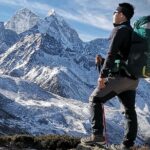
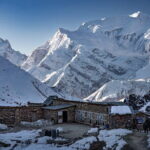
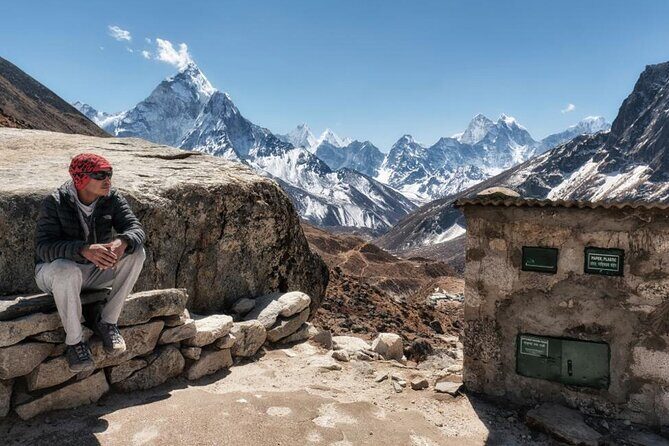
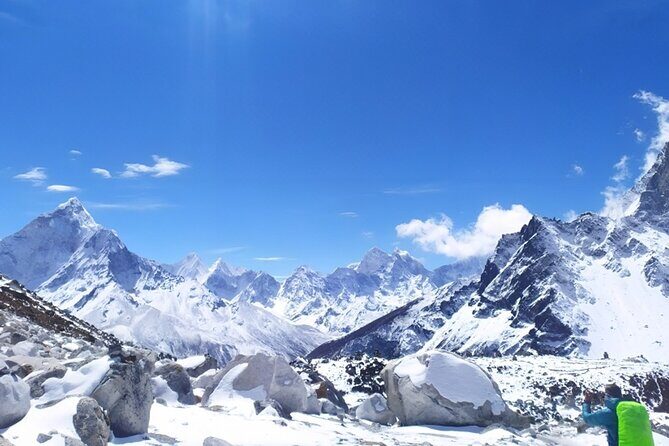
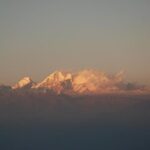
First, the views. From the moment you fly into Lukla, the scenery is nothing short of staggering. The aerial approach offers spectacular glimpses of the Himalayan range, setting the tone for the days ahead. The trail itself is lined with iconic peaks like Ama Dablam, Lhotse, and Nuptse—you’ll never get tired of the ever-changing mountain panoramas.
Second, the guides and organization. According to numerous reviews, the guides are not only knowledgeable but also supportive and attentive. They help with logistics, acclimatization, and ensuring safety — critical for such high-altitude trekking. As one reviewer states, “Tilak was a superb guide and was always on hand to offer advice and support.” Being well-supported makes a significant difference, especially when faced with altitude challenges.
The Potential Drawback
The main consideration for prospective trekkers is the altitude and physical exertion. The trek reaches over 5,500 meters at Kala Patthar, and the route involves walking on uneven, rocky terrain with some steep sections. Travelers need to be moderately fit and prepared for the high-altitude environment. Some reviews highlight the physical challenge, but also the rewarding views that make it worth every step.
Who Is This Trek Ideal For?
This journey suits adventure-minded travelers with good physical fitness who want a balance of challenge and comfort. It’s also perfect for those interested in Sherpa culture and Himalayan scenery. If you’re looking for a well-organized, guided trek that offers a mix of natural beauty and cultural experiences, this trek covers those bases.
Detailed Breakdown of the Itinerary



Day 1-2: Arrival in Kathmandu and Flight to Lukla
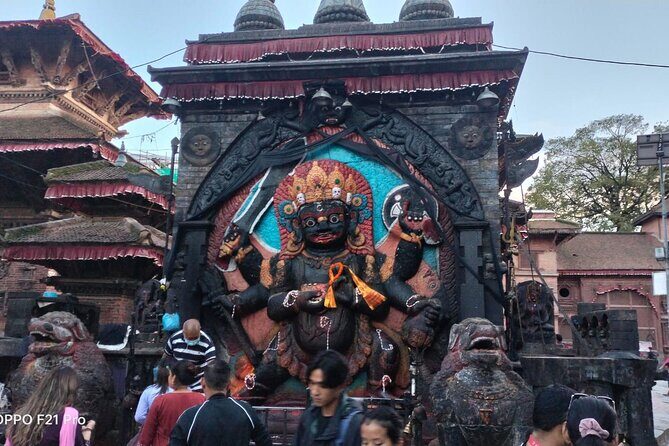
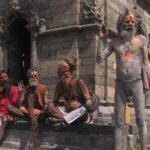
Starting in Kathmandu, the first day involves a pick-up from the airport and a short hotel stay in Thamel, the lively heart of Nepal’s capital. It’s your chance to acclimate to the new surroundings and meet your team. On Day 2, a scenic 40-minute flight takes you to Lukla, often called the world’s most dangerous airport due to its short runway and challenging conditions. The flight offers incredible mountain views—don’t forget to look out the window.
Once in Lukla, you’ll meet your porters and gear up for the trek. A gentle walk follows to Phakding, a small village along the Dudh Kosi River. This first day of trekking is relatively easy, helping your body start to adjust at lower altitude.
Day 3-4: Journey to Namche Bazaar and Acclimatization
The trek continues along the Dudh Kosi River to Jorsalle, the last stop before Namche Bazaar, the bustling trading hub of Khumbu. The walk takes about 6 hours, with suspension bridges crossing the river—an iconic feature of this route.
We particularly appreciate the acclimatization day in Namche Bazaar (Day 4). Here, you can visit the Everest View Point Hotel for panoramic mountain vistas—a highlight according to many reviews. It’s also an opportunity to explore Sherpa museums and learn about local mountaineering traditions. This day helps prevent altitude sickness and prepares you for the higher elevations ahead.
Day 5-6: Tengboche Monastery and Dingboche
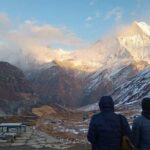
Next, the trail ascends through forests and offers views of Everest and Ama Dablam from Tengboche. The monastery here is famous for its spiritual ambiance and stunning mountain backdrop. Many trekkers find Tengboche’s atmosphere serene and inspiring.
Moving to Dingboche, you pass through blooming rhododendron forests and meadows. This village serves as a second acclimatization point, giving your body more time to adjust. You’ll notice the landscape changing to more rugged, high-altitude terrain.
Day 7: Rest and Exploration at Dingboche
Day 7 is a rest day—important for altitude adaptation. Some trek participants choose to take a short walk, while others simply relax and enjoy the scenery. This break is often mentioned as a wise inclusion, and reviewers praise the organizers’ understanding of high-altitude needs.
Day 8: Lobuche and Memorials
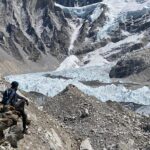
The trek to Lobuche takes around 6 hours, crossing over a hill lined with memorials to climbers who lost their lives on Everest. You’ll be rewarded with views of Pumori and the Khumbu Glacier. This day is physically demanding, but the scenery is unforgettable.
Day 9: Everest Base Camp and Gorak Shep
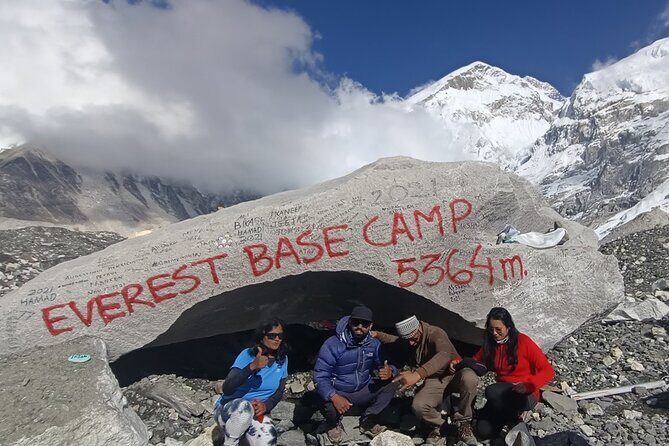
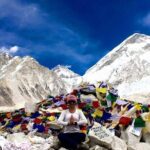
The highlight of many trips—reaching Everest Base Camp. After a packed lunch, your route crosses moraines, streams, and rocky dunes. Many reviewers talk about the emotional impact of finally arriving at the base of Everest. You get to walk around the glacier and soak in the surrounding majesty.
After the base camp visit, you trek to Gorak Shep, your overnight spot nearby. The views of Pumori and Nuptse from Gorak Shep are extraordinary, making it a good spot to rest before the early-morning ascent.
Day 10: Kala Patthar and Descent to Pheriche
Early in the morning, you ascend to Kala Patthar (5,550 m), the most popular viewpoint to see Everest at sunrise. The climb takes about two hours, but the view of Everest and the surrounding peaks is arguably the best of the entire trek.
Descending to Pheriche, you enjoy a well-deserved rest and reflect on your achievement. This day highlights the importance of altitude acclimatization, as many reviews mention the physical and mental toughness required.
Day 11-12: Return via Namche and Lukla
The trek back traces your steps down through Tengboche and eventually reaches Lukla. Along the way, you’ll revisit familiar sights and culturally rich villages, like Kyanjuma and Khumjung. Many trekkers appreciate the chance to soak in the scenery one last time and reflect on the journey.
Day 13-14: Flight Back to Kathmandu
After a final morning in Lukla, you fly back to Kathmandu or Ramechap. The airport process can be unpredictable, but most travelers find the flight scenic and a fitting end to a memorable adventure. The last day offers free time to explore Kathmandu’s sights or relax before heading home.
The Value of the Experience
At $1,690 per person, this trek offers solid value given the inclusions: flight tickets, airport transfers, accommodations in Kathmandu, meals, and expert guiding. From scenic flights to cultural stops, the experience is well-rounded. The reviews reinforce this, with many describing the trip as “flawless from start to finish” and “worth every penny.”
The small group size (max 8 travelers) ensures personalized attention and a more intimate experience. Plus, the support from guides like Tilak and Raaz received high praise for their knowledge and caring approach, making the physical challenge more manageable.
Practical Considerations
Keep in mind that altitude is the biggest challenge. Proper acclimatization days and a moderate fitness level are essential. The trek involves long days of walking on uneven terrain and some steep sections. Weather can also affect the schedule—flights might be delayed, especially during the monsoon season.
The tour’s flexibility in adjusting flight options (such as flying directly to Kathmandu or Ramechap) adds a layer of convenience, especially in busy seasons when Kathmandu airport faces congestion.
Final Thoughts: Is It Right for You?
This Everest Base Camp Trek is an outstanding option for active travelers seeking authentic Himalayan scenery and Sherpa culture. It’s especially appealing if you want an organized trip with experienced guides who know the terrain and altitude challenges well. The breathtaking views, cultural stops, and sense of achievement make it a journey worth considering.
However, the demanding nature of the trek means it’s best suited for those with decent physical fitness and high-altitude tolerance. It’s not a casual walk—be prepared for some strenuous days and cold nights. But for those who want a true Himalayan adventure, it delivers in every sense.
In the end, you’re not just walking to a mountain; you’re experiencing a landscape and culture that few get to see firsthand. And that makes this trek a story you’ll tell for a lifetime.
Everest Base Camp Trek
Frequently Asked Questions
How long is the trek? The trek lasts approximately 14 days, including acclimatization days, cultural visits, and the return journey.
What is included in the price? The $1,690 fee covers airport pickup and drop-off, all taxes and fees, flights from Kathmandu to Lukla and back (or Ramechap), accommodations in Kathmandu, meals during the trek, and guidance from experienced guides.
Are flights included? Yes, flights from Kathmandu to Lukla and return are included, with options for direct flights or via Ramechap depending on the season.
What about physical fitness requirements? You should have a moderate fitness level, as the trek involves walking on uneven terrain at high altitudes, with some days covering long distances.
Is this suitable for solo travelers? Yes, many reviews highlight the trek as being well-organized and suitable for solo travelers, especially those who appreciate small group sizes and professional guides.
Can I customize or change the itinerary? Changes are possible, but generally must be made at least 3 days in advance, and may depend on weather or group conditions.
What if the weather cancels my flight? You will be offered a different date or a full refund, as the tour requires good weather to operate safely.
Who is the tour provider? The trek is operated by Nepal Hiking Adventure Company – Private Day Tours, known for their professional service and experienced guides.
In short, this Everest Base Camp Trek offers a rewarding mix of natural beauty, cultural richness, and adventure, supported by expert guides and good value for the price. Perfect for travelers ready to take on a physical challenge for lifelong memories.