If you’re dreaming of standing at the foot of the world’s highest peak but only have a week or so, the Everest Base Camp with helicopter return might just be your best bet. This 9-day adventure offers a condensed, yet awe-inspiring trek designed for those with a busy schedule but still craving the thrill of Himalayan giants.
It’s operated by Adventure Master Trek, a company with a solid reputation, and has earned a perfect 5-star rating from satisfied travelers.
What we love most about this tour is how it combines the raw beauty of trekking with the comfort and convenience of a helicopter flight back to Kathmandu. This means you get spectacular mountain views without the long, strenuous descent, making the journey both accessible and memorable. Plus, guided by expert mountain guides, you’ll feel safe exploring remote villages and stunning landscapes.
One thing to consider is that, although the trek is rated as moderate difficulty, trekking at high altitude can be challenging, especially if you’re not acclimatized. It’s essential to be in decent physical shape and prepared for some steep ascents and thin air.
This trip is ideal for travelers who value authentic Himalayan scenery but prefer a shorter, more manageable itinerary without sacrificing the experience of reaching Everest’s iconic viewing points.
This tour suits adventure seekers with limited time, first-time trekkers, or those looking for an adrenaline-filled yet comfortable Everest experience. Let’s explore what makes this 9-day journey so special and how it can fit into your Nepal adventure plans.
- Key Points
- An Inside Look at the 9-Day Everest Base Camp Trek with Helicopter Return
- Day 1: Arrival and Orientation in Kathmandu
- Day 2: Kathmandu to Lukla – The Flight of a Lifetime
- Day 3: From Phakding to Namche Bazaar
- Day 4: Acclimatization and Sightseeing in Namche
- Day 5: Namche to Kyangjuma via Tengboche
- Day 6: Tengboche to Dingboche
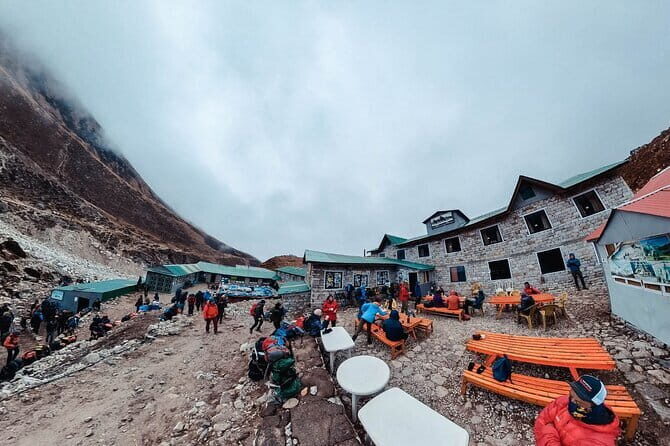
- Day 7: Dingboche to Lobuche via Khumbu Glacier
- Day 8: Lobuche to Gorak Shep and Everest Base Camp
- Day 9: Kala Patthar and Helicopter Return to Kathmandu
- What Makes This Trek Stand Out?
- The Cost and Value
- Likely Drawbacks
- Who Is This Tour Best For?
- Final Words
- FAQs
- More Helicopter Tours in Kathmandu
- More Hiking & Trekking Tours in Kathmandu
- More Tour Reviews in Kathmandu
Key Points
 1 / 5
 2 / 5
 3 / 5
 4 / 5
 5 / 5
- Time-efficient: The entire trek wraps up in 9 days, including the helicopter ride back, perfect for travelers on a tight schedule.
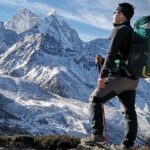
- Stunning views: You’ll see Everest, Lhotse, Nuptse, and other Himalayan giants from several vantage points, including Kala Patthar.
- Expert guidance: The trek is led by experienced mountain guides, enhancing safety and enriching your understanding of the region.
- Comfort in remote places: The helicopter flight from Gorakshep to Lukla and then to Kathmandu saves you from the long downhill walk.
- Authentic experience: Pass through traditional Sherpa villages, monasteries, and lush forests, capturing the true spirit of the Khumbu.
- Solid value: At $3,500 per person, the package covers flights, permits, guides, and accommodations, offering a smooth, hassle-free trek.
An Inside Look at the 9-Day Everest Base Camp Trek with Helicopter Return
You can also read our reviews of more hiking tours in Kathmandu
Day 1: Arrival and Orientation in Kathmandu
Your journey begins with a pickup from Kathmandu’s international airport. The logistics are handled for you, from airport transfer to hotel check-in. It’s a good chance to get acclimatized and meet your crew, including your guide, who will be with you throughout the trek.
In the evening, a briefing at the Adventure Master Trek office introduces the team, discusses the itinerary, and answers last-minute questions. This is an excellent opportunity to clarify any concerns and ensure you’re prepared. You’ll also have free time to wander the lively streets of Thamel, picking up last-minute supplies or simply soaking in the bustling atmosphere.
Day 2: Kathmandu to Lukla – The Flight of a Lifetime
Early morning, you’ll hop on a short, scenic flight from Kathmandu’s Tribhuvan Airport to Lukla’s Tenzing Hillary Airport. This flight alone is often cited as a highlight, with views of Himalayan peaks and deep valleys. It’s an exhilarating experience — especially for those who love a good mountain panorama.
On arrival at Lukla, you’ll meet your porters, who will carry your gear, and begin your trek eastward toward Phakding. The walk is leisurely – mostly downhill along the Dudh Koshi River, passing charming villages like Cheplung and Thado Koshi Gaon, with frequent views of Kusum Kangguru and Kongde Ri. It’s a gentle introduction to high-altitude walking.
Day 3: From Phakding to Namche Bazaar
Today’s route is a bit more challenging, crossing suspension bridges and ascending through lush forests of rhododendron and magnolia. The trail from Phakding to Namche is about 6 hours, but it’s packed with visual rewards, including the first glimpses of Everest as you near Namche.
Namche Bazaar feels like the heart of Sherpa culture and commerce. It’s a lively hub nestled among towering peaks, with cafes, shops, and a small museum. This is your first proper rest day to acclimate, crucial for high-altitude safety.
Day 4: Acclimatization and Sightseeing in Namche
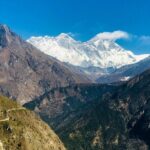
This day is dedicated to gradual altitude adjustment. The trek to the Everest View Hotel—the highest luxury hotel in the world—offers jaw-dropping vistas of Everest, Thamserku, and Ama Dablam.
You might also visit the Khumjung Monastery, one of the oldest in the area, adding a touch of spiritual calm. Many travelers rave about the panoramic views from here, describing the hotel as holding a Guinness World Record. The day offers a perfect blend of gentle hiking and culture, setting you up for the days ahead.
You can also read our reviews of more tours and experiences in Kathmandu
Day 5: Namche to Kyangjuma via Tengboche
The trail winds upward through vibrant forests, with breathtaking mountain vistas along the way. The highlight is visiting the Tengboche Monastery, perched above the trail with a commanding view of Everest and neighboring peaks. From here, you’ll get a real sense of the spiritual significance Sherpa culture places on the mountains.
This walk takes approximately 5 hours and is a mix of uphill and downhill sections, giving you a balanced day of activity amid stunning scenery.
Day 6: Tengboche to Dingboche
Early morning, you’ll descend from Tengboche, passing through small villages like Shomare and Orsho, before arriving in Dingboche. The route continues along the Imja Khola, with views of Ama Dablam and Cholatse.
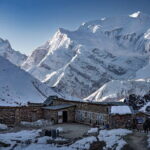
Dingboche is a charming village often used as an acclimatization stop for trekkers heading higher. The landscape here is stark yet beautiful, with views of snow-capped peaks and expansive valley vistas.
Day 7: Dingboche to Lobuche via Khumbu Glacier
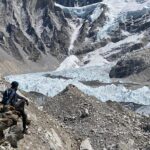
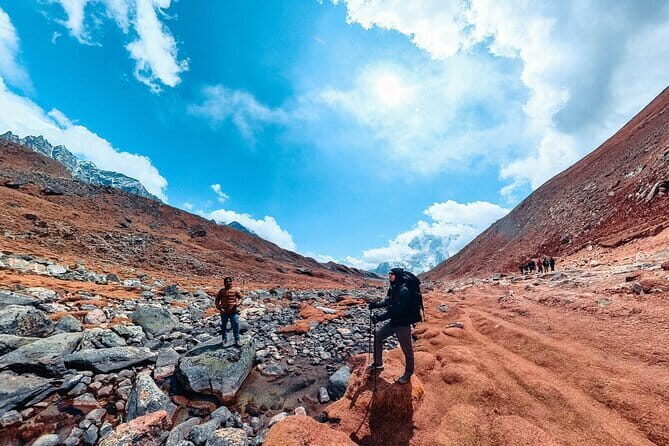
This is a trek along the Khumbu Glacier, with an ascent to the end moraine and memorials honoring those who lost their lives in the mountains. The walk takes about six hours, with stunning views of Khumbutse, Pumori, and Lingtren.
Walking on the glacier, you’ll experience the icy terrain firsthand, and the memorials provide a sobering reminder of Everest’s dangers. It’s a day that balances awe with respect for the mountain.
Day 8: Lobuche to Gorak Shep and Everest Base Camp
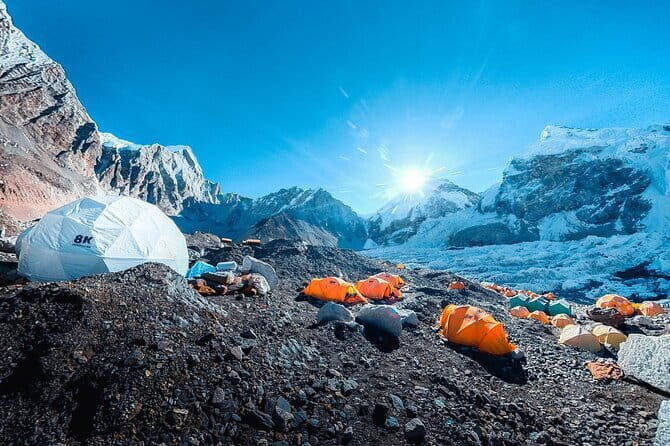
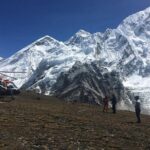
The biggest day of the trek begins early. You’ll hike from Lobuche up to Gorak Shep, then continue along the glacier to reach Everest Base Camp. The views of icefalls, glaciers, and towering peaks are simply unforgettable.
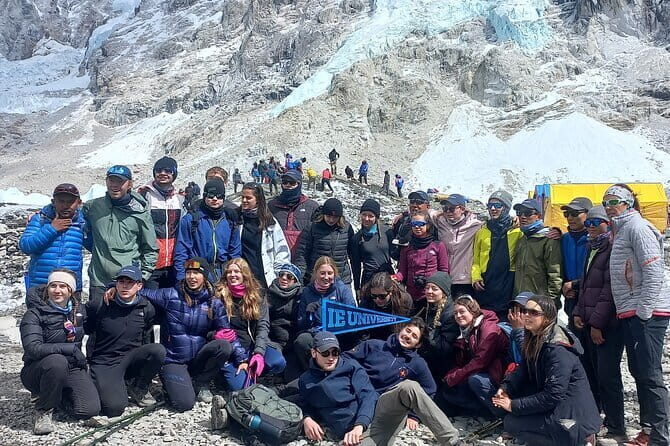
At base camp, you get a close-up look at the Everest Icefall and surrounding glaciers. Many travelers find this the highlight — standing at the foot of the world’s highest mountain, with a sense of accomplishment. Spend some time taking photos and soaking in the scenery before heading back to Gorak Shep for the night.
Day 9: Kala Patthar and Helicopter Return to Kathmandu
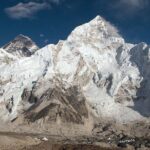
Your final morning involves a trek to Kala Patthar, a vantage point famous for its panoramic views of Everest and the surrounding peaks. The early morning light and clear skies create a picture-perfect scene. From here, you’ll see Everest in a way that many don’t get to — with expansive, unobstructed views.
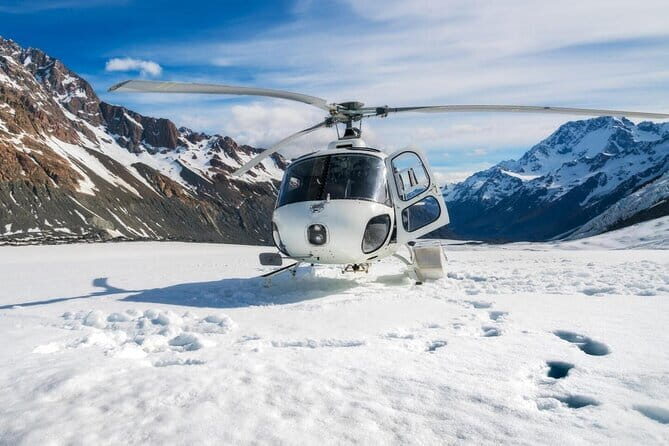
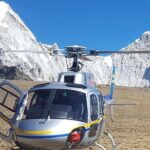
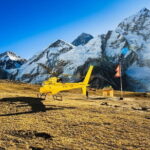
After soaking in the landscape, your helicopter will pick you up from Gorak Shep. Flying over the Khumbu Glacier, icefalls, and Everest itself, you’ll get a bird’s-eye perspective of this incredible landscape. The helicopter then takes you to Lukla, and from there, a scenic flight back to Kathmandu concludes your adventure.
What Makes This Trek Stand Out?
This tour balances spectacular scenery, cultural encounters, and convenience. The helicopter ride from Gorak Shep to Lukla and Kathmandu is a game-changer, allowing you to skip the long descent and enjoy more time at higher elevations — no more sore knees or exhausted legs. Many reviews highlight how this feature adds incredible value, with comments like, “The views from the helicopter are unforgettable,” and “It’s a relief to avoid the steep downhill after reaching Everest.”
The guided support is another significant advantage. The guides are described as knowledgeable and supportive, making the journey smoother and safer, especially when dealing with the challenges of high-altitude trekking. Their local expertise enhances your understanding of Sherpa culture, mountain ecology, and mountain safety.
The Cost and Value
At $3,500 per person, this package covers flights, permits, guides, accommodations, and the helicopter transfer. For many travelers, that’s a reasonably priced all-in-one package compared to booking each component separately. The reviews suggest that the experience and convenience justify the price, especially given the high quality of guides and the included services like insurance and a trip completion certificate.
Likely Drawbacks
While the trek is rated as moderate, it still involves high-altitude walking, which can be tough for those unprepared physically. The cost might seem high for some, but it encapsulates many logistical hassles and safety measures that would be difficult to organize independently.
The helicopter ride, while a highlight, depends on weather conditions, and sometimes flights can be delayed or canceled — a potential frustration to keep in mind.
Who Is This Tour Best For?
This trek is particularly suited for busy travelers who want to tick Everest off their bucket list without sacrificing comfort. First-timers to trekking will appreciate the guided support, and those looking for spectacular views without the endurance challenge of traditional routes will find it ideal.
It’s also perfect for adventure lovers who want a taste of high-altitude trekking combined with the thrill of a helicopter flight. However, those with health issues or difficulty walking at higher elevations should consult their doctor before embarking.
Final Words
The Everest Base Camp with Helicopter return offers a practical, enjoyable, and memorable way to experience Nepal’s crown jewel. It strikes a good balance between adventure and comfort, making it accessible for a wide range of travelers.
You’ll love the stunning mountain vistas, the insightful guidance, and the convenience of the helicopter, which turns what can be a grueling descent into a scenic flight. The cultural stops and scenic viewpoints add depth to the journey, making it more than just about reaching the base camp.
If you’re short on time but craving an authentic Himalayan experience, this tour is a smart choice. It delivers breathtaking sights, cultural richness, and genuine adventure, all wrapped up in a package that respects your time and safety.
Everest Base Camp trek with Helicopter return 9 days
FAQs
Is this trek suitable for someone with minimal trekking experience?
Yes, the trek is rated as moderate difficulty and guided by experienced professionals, making it accessible for travelers with decent physical fitness.
How long does the helicopter flight take?
The helicopter from Gorak Shep to Lukla and then onward to Kathmandu takes about 6 hours in total, including fuel stops and scenic flights.
Are meals included in the package?
The package includes breakfasts and lunches during the trek, with dinners provided in the lodges. Food in Kathmandu is not included, giving you flexibility.
What is the cost of the trek?
Per person, it costs $3,500, covering internal flights, permits, guide services, accommodations, and helicopter transfer.
Is there a support system in case of altitude sickness?
Yes, the guides carry first aid kits, oxygen, and oximeters to monitor health. They are trained to handle altitude-related issues.
Are hot showers and charging facilities available?
Yes, tea houses offer hot showers and phone charging for about $2 to $5.
Can I cancel the tour?
Yes, cancellations are free if made at least 24 hours in advance. No refunds are issued for cancellations within 24 hours or late changes.
Does the tour include all necessary permits?
Yes, all permits and papers required for trekking in the Everest region are included and organized by the tour provider.
What kind of group size can I expect?
This is a private tour, so only your group will participate, allowing for personalized attention and flexible scheduling.
Is insurance included?
While insurance is not explicitly detailed, the guide’s insurance is covered. It’s advisable to have your own travel and medical insurance.
To sum it up, this Everest Base Camp trek with helicopter return offers a unique blend of adventure, comfort, and efficiency. It’s ideal for travelers who want the majestic scenery of the Himalayas but prefer a shorter, less physically demanding route. With professional guides, stunning views, and a hassle-free itinerary, it’s an experience that can transform a mountain dream into a reality—without the usual exhaustion.