If you’re dreaming of standing at the foot of the world’s highest mountain, the Everest Base Camp Trek is a bucket-list adventure that offers more than just bragging rights. This 14-day journey in Nepal isn’t just about reaching the famed camp; it’s about experiencing the spectacular landscapes, meeting the resilient Sherpa community, and testing your limits in a terrain that’s as challenging as it is breathtaking.
What we really appreciate about this trek is its reputation for excellent guides who make the journey smoother and safer, and the stunning vistas you’ll encounter along the way. The major drawback? It’s not a cheap trip, but when you consider the inclusions and the sheer value of the experience, many agree it’s worth every penny.
This trek suits travelers who have a good level of physical fitness and are eager for an authentic Himalayan adventure. Whether you’re a seasoned trekker or a first-timer with a sense of adventure, this trip offers a genuine, rewarding experience.
- Key Points
- The Itinerary in Detail: What to Expect Each Day
- Day 1: Arrival in Kathmandu
- Day 2: Flight to Lukla and Trek to Phakding
- Day 3: From Phakding to Namche Bazaar
- Day 4: Exploring Namche Bazaar
- Day 5: Trek to Tengboche Gompa
- Day 6: Dingboche Viewpoint
- Day 7: Acclimatization Day at Dingboche
- Day 8: To Lobuche and Khumbu Glacier
- Day 9: Everest Base Camp and Gorak Shep
- Day 10: Kalapatthar and Pheriche via Pangboche
- Day 11: Descending to Namche
- Day 12: Return to Lukla
- Day 13: Flight to Kathmandu
- Day 14: Departure
- What Makes This Trek Stand Out?
- Practical Considerations
- Final Thoughts
- FAQs
- More Hiking & Trekking Tours in Kathmandu
- More Tour Reviews in Kathmandu
Key Points
 1 / 5
 2 / 5
 3 / 5
 4 / 5
 5 / 5
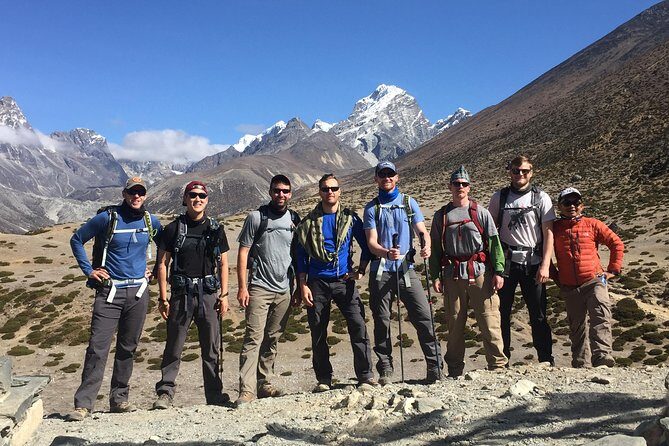
- Exceptional Guides: Knowledgeable, caring guides make a huge difference in your safety and enjoyment.
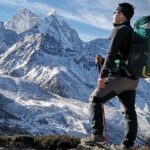
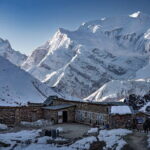
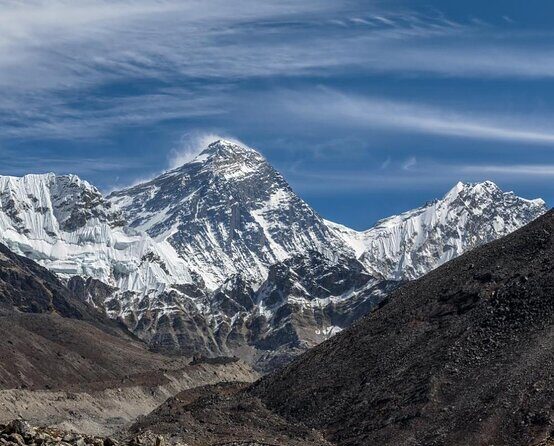
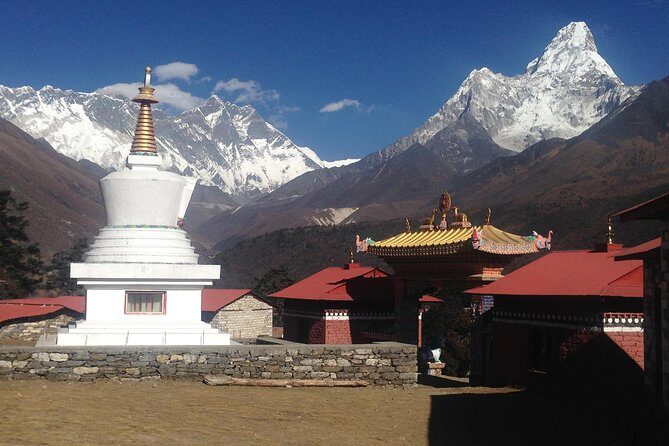
- Stunning Scenery: Expect views of Everest, Nuptse, Lhotse, and Amadablam, along with lush valleys and high-altitude deserts.
- Comprehensive Inclusions: Flights, accommodations, permits, and some meals are covered, offering good value.
- Authentic Cultural Encounters: Experience Sherpa culture and visit monasteries like Tengboche.
- Moderate Group Size: The tour is private, ensuring personalized attention.
- Physical Preparation Needed: The trek demands good fitness, especially at higher altitudes.
The Itinerary in Detail: What to Expect Each Day
You can also read our reviews of more hiking tours in Kathmandu
Day 1: Arrival in Kathmandu
The journey kicks off with a warm welcome from a Nepal High Trek representative upon landing at Tribhuvan International Airport. You’ll be taken to your hotel, where a delicious dinner is served with a briefing on the upcoming adventure. This evening is your chance to soak in the buzz of Kathmandu and prepare mentally and physically for the trek ahead.
Day 2: Flight to Lukla and Trek to Phakding
The highlight of this day is the scenic flight to Lukla, acclaimed for its dramatic landing at the Tenzing-Hillary Airport. Expect breathtaking views of the Himalayas from above—this is one of those unforgettable flight experiences. Once on the ground, you’ll meet your crew, including porters, and start your trek along the Dudh Kosi River, heading to Phakding. The walk is manageable and designed for acclimatization, with an option to visit a nearby monastery if you’re feeling energetic.
Day 3: From Phakding to Namche Bazaar
Today’s walk is about crossing suspension bridges and enjoying panoramic views of Mount Thamserku. Walking through Sagarmatha National Park, you’ll quickly notice the lush greenery giving way to the rugged beauty of high-altitude terrain. Namche Bazaar is a bustling hub of Sherpa culture, and you’ll stay at a highly regarded hotel. These first days are about gradually adjusting to the altitude, so slow and steady is the way to go.
Day 4: Exploring Namche Bazaar
A full day in Namche offers a chance to explore the local markets, visit cafes, or relax and observe Sherpa life. It’s a good opportunity to acclimate, as some travelers find the altitude here challenging. The reviews praise the lively atmosphere and the facilities—internet cafes, banks, bakeries—that make it more comfortable than some trekking camps.

Day 5: Trek to Tengboche Gompa
As you leave Namche, you’ll walk with spectacular mountain vistas as your backdrop, including Everest, Nuptse, and Amadablam. The trail to Tengboche is filled with stunning monasteries and stupas. At Tengboche, the monastery offers a peaceful place for reflection, and you’ll spend the night in cozy lodges. The views and cultural experience here are key highlights.
Day 6: Dingboche Viewpoint
You’ll start the day with a short visit to Tengboche Monastery, then trek toward Dingboche, gaining elevation gradually. The scenery is a picture of white mountains and rugged valleys, perfect for photography. The day’s walk is about three hours, making it a good acclimatization period before higher elevations.
Day 7: Acclimatization Day at Dingboche
This day provides necessary rest and adjustment. Many travelers use it for a short hike to Chhukung, with spectacular Lhotse views. It’s appreciated in reviews for its importance in preventing altitude sickness and for the gorgeous scenery.
Day 8: To Lobuche and Khumbu Glacier
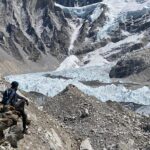
The trek continues along the Khumbu Glacier’s moraine, passing memorials dedicated to climbers who’ve lost their lives. It’s a sobering reminder of Everest’s dangers, but also a chance to see the glacier up close. Reaching Lobuche, you’ll stay overnight in a comfortable guesthouse.
Day 9: Everest Base Camp and Gorak Shep
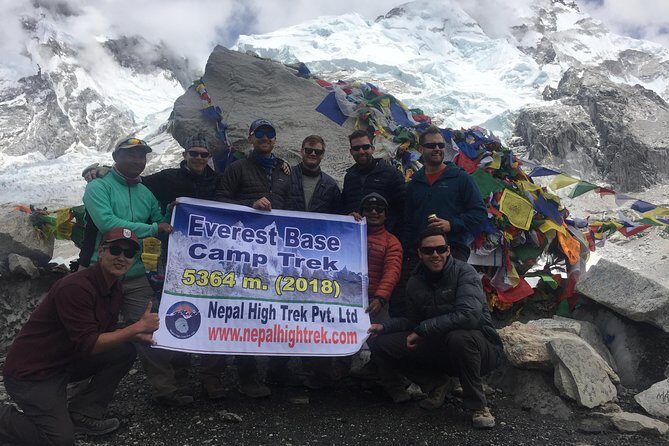
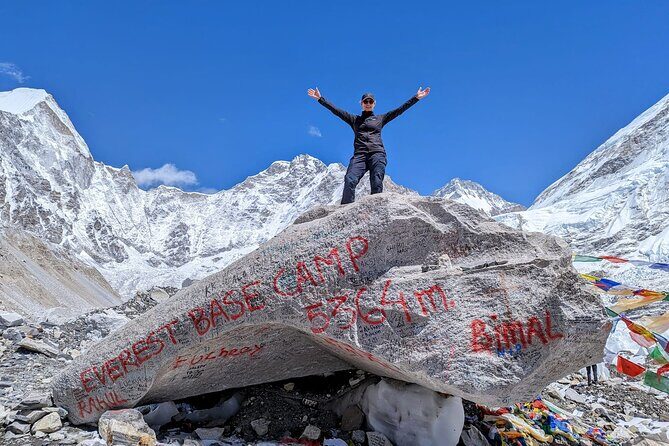
This is a pivotal day. After an early start, you’ll walk from Gorak Shep to Everest Base Camp itself, experiencing a close-up view of the Khumbu Icefall. The sense of standing where climbers prepare for summit attempts is powerful. Returning to Gorak Shep, you’ll have a taste of high-altitude life.
Day 10: Kalapatthar and Pheriche via Pangboche
The climb to Kalapatthar offers perhaps the most iconic view of Everest’s summit, with a sunrise that can leave you speechless. Afterward, you’ll descend through villages like Pheriche, with stops at Pangboche’s monastery—famous for its supposed Yeti remains.
Day 11: Descending to Namche
The trek back retraces your steps but with new perspectives. Passing through Orsho and Pangboche, you’ll enjoy the scenery and cultural stops, ending the day in Namche after a long but rewarding walk.
Day 12: Return to Lukla
You’ll have some leisure time in Lukla, exploring the valley or relaxing in the quaint town. It’s a chance to reflect on the journey and enjoy the lively atmosphere of the mountain gateway.
Day 13: Flight to Kathmandu
After breakfast, you’ll take the short flight back to Kathmandu, arriving early enough to explore or relax. Visiting Kathmandu Durbar Square gives a last taste of Nepal’s vibrant culture.
Day 14: Departure
Your adventure concludes with a transfer to Tribhuvan International Airport. The tour organizers include a farewell program, and all you need to do is pack up your memories and plan your next visit.
What Makes This Trek Stand Out?
Guides and Support: The reviews consistently praise the guides, calling them “knowledgeable,” “caring,” and “friendly.” With guides holding government licenses from Kathmandu, you can trust they know the terrain, altitude management, and local culture intimately. Their support makes a noticeable difference, especially when facing the physical and mental challenges of high-altitude trekking.
Stunning Views and Cultural Highlights: From the snow-capped peaks of Everest and Nuptse to the monasteries of Tengboche and Pangboche, the scenery is truly awe-inspiring. The trek offers a balance of natural beauty and authentic Sherpa culture, making it more than just a walking tour.
Value for Money: For $1,799.27, the trip includes international and domestic flights, permits, accommodations, most meals, and a medical kit—all under the guidance of licensed professionals. While it’s not the cheapest option available, reviewers think it’s good value considering the inclusions, especially the private guides and well-organized logistics.
Authentic Experiences: Meeting Sherpa people, visiting monasteries, and seeing memorials along the glacier, you’ll get a true sense of life in the high Himalayas. Many travelers mention how they appreciated the opportunity to learn about Sherpa culture and traditions firsthand.
Practical Considerations
While the trek is well-organized, it demands good physical fitness. The high-altitude environment can pose risks, so preparation is key. The tour is designed for acclimatization, with rest days built in, but be prepared for some long walking days, especially on the return.
The tour’s flexibility is limited since it follows a fixed itinerary, but the inclusion of pickup, flight arrangements, and permits streamline the process. Tipping isn’t included, so budget accordingly for guides and porters if you wish to show appreciation.
The tour’s price has to be viewed as an investment in an experience that can change your perspective. Many reviews highlight how it’s worth the cost for the breathtaking views and the sense of achievement.
Final Thoughts
The Everest Base Camp Trek offers a blend of adventure, culture, and natural beauty that few other experiences can match. With expert guides, well-organized logistics, and unforgettable scenery, it’s a trip that’s both challenging and deeply rewarding.
If you’re physically prepared for high-altitude trekking and eager to see Everest up close, this tour provides excellent value and an authentic taste of Himalayan life. It’s an adventure best suited for those who seek more than just a quick hike—those craving a once-in-a-lifetime journey that combines stunning vistas, cultural insights, and personal achievement.
Everest Base Camp Trek
FAQs
What is included in the tour price?
The price covers flights from Kathmandu to Lukla and back, permits, accommodations in lodges, most meals (breakfast, lunch, dinner), a government-licensed mountain guide, a medical kit, airport transfers, and some entrance fees like Sagarmatha National Park and Pashang Lhamu Rural Municipality.
Are there any additional costs I should expect?
Yes. Tipping guides and porters is not included, and you might pay for extras such as phone calls, laundry, hot showers, bottled water, and personal gear. Travel insurance and rescue services are also your responsibility.
How physically demanding is the trek?
The trek is quite challenging, especially at higher altitudes. You should be in good physical condition, capable of long walks, and prepared for high elevation. Rest days are scheduled for acclimatization, but stamina and fitness are crucial.
What is the best time to go?
While specific dates aren’t provided here, generally, the best periods for trekking are pre-monsoon (March-May) and post-monsoon (September-November). Weather can be unpredictable, so check local conditions.
Do I need special gear?
The tour provides a sleeping bag, down jacket, and duffel bag, but personal essentials like trekking boots, layered clothing, and sun protection are necessary. Prepare for cold temperatures at higher elevations.
Can I customize the itinerary?
This tour follows a fixed schedule, but since it’s a private activity, there might be some flexibility to adjust timings or stops if communicated in advance.
Is this tour suitable for solo travelers?
Absolutely, many reviews highlight solo travelers feeling well-supported, especially with the knowledge and care of guides. It’s a safe and rewarding experience for individuals.
What is the cancellation policy?
You can cancel up to 24 hours in advance for a full refund. Cancellations less than 24 hours before the start are non-refundable, and poor weather cancellations will be rescheduled or refunded.
In the end, the Everest Base Camp Trek offers an incredible balance of adventure, cultural insight, and natural beauty. With careful planning and physical preparation, it’s an accessible challenge that rewards you with some of the most stunning landscapes on Earth—and memories that will last a lifetime.