Thinking about trekking to Everest’s legendary base camp? This 14-day private guided trek offered by Alpine Ramble Treks promises a journey filled with awe-inspiring mountain vistas, vibrant Sherpa culture, and the comfort of experienced guides. It’s an adventure many travelers dream of, and from the glowing reviews, it seems to deliver on that promise.
What we love most about this trek is how smoothly it’s organized — with included flights, accommodations, permits, and well-thought-out logistics that allow you to focus on the experience rather than the paperwork. Plus, the opportunity to learn directly from knowledgeable guides who are passionate about sharing their homeland makes this trek stand out.
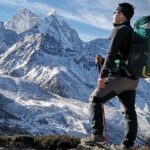
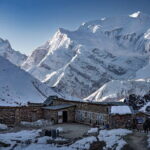
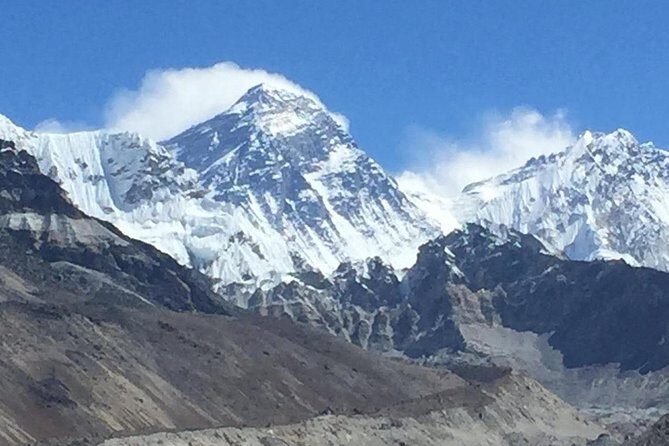
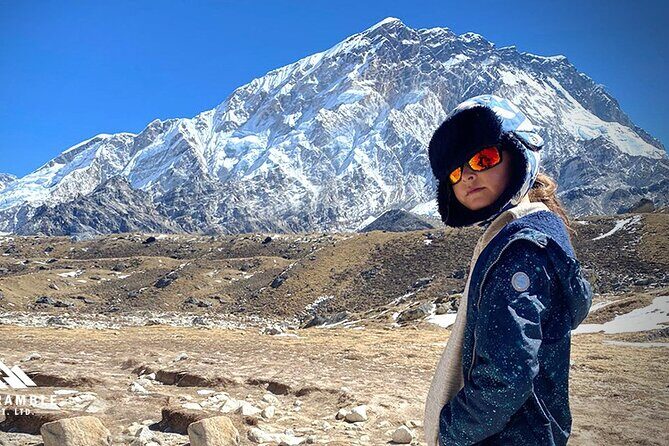
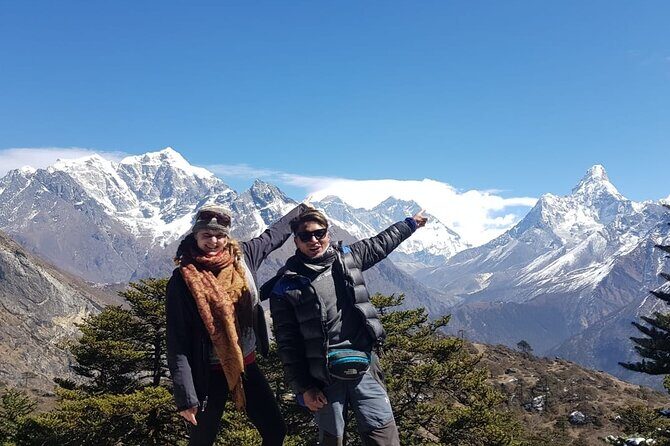
The breathtaking scenery is also a clear highlight, with every day offering new vistas of Everest and surrounding peaks.
The only consideration? The trek reaches high altitudes and crosses rugged terrain, so it’s best suited for moderately fit travelers comfortable with some physical challenge. Though the trek isn’t technically difficult, it still demands stamina and good health. This trip is perfect for those seeking a genuine Himalayan adventure with a touch of comfort and expert guidance.
If you’re someone who appreciates cultural insights, stunning mountain scenery, and reliable organization, this Everest Base Camp trek is likely to be a fantastic fit. Whether you’re a seasoned trekker or a motivated first-timer, the combination of value, safety, and authentic experience makes this trip worth considering.
- Key Points
- An Honest Look at the Everest Base Camp Trekking Experience
- The Itinerary in Detail: What to Expect
- Accommodation and Food in the Mountains
- The Guide and Support Team
- Transportation and Logistics
- Value for Money
- Who Should Consider This Trek?
- The Authentic Nepalese Experience
- Practical Considerations and Tips
- Final Thought: Is This Trek Right for You?
- FAQs
- More Hiking & Trekking Tours in Kathmandu
- More Tour Reviews in Kathmandu
Key Points
 1 / 5
 2 / 5
 3 / 5
 4 / 5
 5 / 5
- Excellent organization ensures smooth logistics, from flights to accommodations.
- Experienced guides from the local community enhance safety and cultural knowledge.
- Stunning mountain views and close encounters with Everest make it visually unforgettable.
- Good value for money with most meals, permits, and transportation included.
- Moderate fitness needed; suitable for travelers willing to hike 3-5 hours daily.
- Cultural immersion with Sherpa villages and monasteries enriches the experience.
An Honest Look at the Everest Base Camp Trekking Experience
This tour offers a well-balanced mix of adventure, comfort, and cultural exposure, making it an attractive option for travelers wanting a thorough Himalayan experience without the excessive technical demands. It’s especially appealing because of the included flights, permits, and accommodations — which often get tangled up in planning a trip to the high Himalayas. The price of around $1,339.20 per person is quite reasonable considering what’s bundled in — most meals, internal flights, permits, and lodges.
You can also read our reviews of more hiking tours in Kathmandu
The Itinerary in Detail: What to Expect
Day 1: Arrival in Kathmandu
The adventure kicks off in Nepal’s bustling capital. You’ll be greeted at the airport and transferred to your hotel, making your first impressions of Nepal comfortable and hassle-free. This initial gathering is a good chance to meet your guide and ask questions before the trek begins.
Fly to Lukla and Trek to Phakding
The next morning, you’ll take a short scenic flight to Lukla, often called one of the world’s most exciting airports — a tiny runway perched on a mountain ridge. The flight itself is memorable, offering sweeping views of the Himalayas. From Lukla, the trek begins with a gentle 3-hour walk to Phakding, where you’ll start to notice the lush forests and river valleys that set the tone for the journey.
Trekking through Sherpa Villages and Buddhist Monasteries
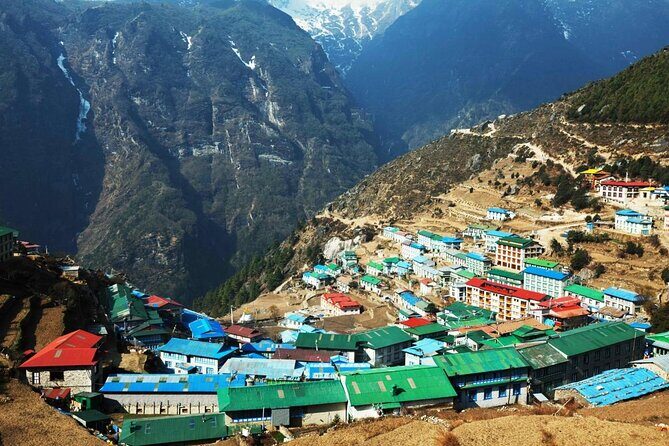
The trail winds through charming Sherpa villages like Namche Bazaar, Pangboche, and Lobuche. We loved the way these places are alive with local traditions, prayer flags fluttering in the mountain breeze, and monasteries that seem to cling to the mountainsides. As some reviews mention, guides are eager to share details about Sherpa culture, making every stop more meaningful.
High-Altitude Challenges and Rewards
The trek gradually climbs to over 13,000 feet at Namche Bazaar and then up to Gorak Shep, the last stop before the Base Camp. This part is where altitude becomes a real factor — expect to take it slow, hydrate often, and listen to your body. Many reviewers found their guides attentive and helpful, which is key at these elevations. The upside? The views of Everest and other giants are simply stunning — towering, snow-capped giants that seem to defy the imagination.
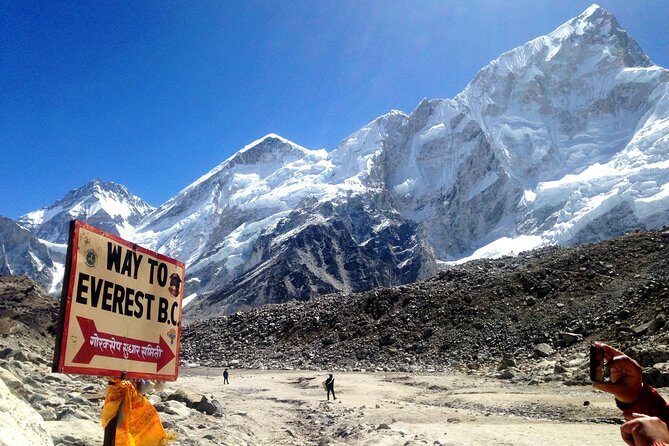
Summit Moments at Everest Base Camp
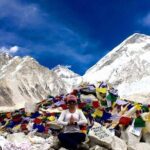
Reaching Everest Base Camp, you’ll be face-to-face with the mountain that has captured hearts worldwide. It’s a physically demanding but profoundly rewarding part of the journey. The scenery here is dramatic and raw, perfect for photos and reflection.
Accommodation and Food in the Mountains
Staying at mountain lodges, you’ll find basic but comfortable rooms with warm blankets and a cozy atmosphere. Many reviewers noted the cleanliness and friendliness of these lodges, although standards vary compared to Kathmandu. It’s all part of the adventure — expect shared bathrooms in some places, but Alpine Ramble Treks often pre-books attached facilities where possible.
Meals are hearty and surprisingly varied — from Sherpa stew to pasta, dal bhat, and fresh vegetables. Most food is freshly prepared, and the included water purification tablets help keep your water safe. Travelers rave about the quality and hygiene of the meals, which are vital for maintaining energy on demanding days.
The Guide and Support Team
One of the key reasons this trek garners high praise is the team of guides and porters. The reviews consistently mention knowledgeable, friendly guides like Krishna, Bhupal, Dawa, and others who go out of their way to ensure safety and comfort. Many trekkers appreciated guides who shared their deep understanding of the mountains, culture, and local environment, making the journey not just a hike but an educational experience.
The company provides one porter for every two trekkers, respecting their hard work and ensuring luggage stays manageable (around 18 kg per person). Many reviewers noted their guides’ attentiveness, whether it was in helping with altitude sickness or sharing stories over dinner.
Transportation and Logistics
The included domestic flights from Kathmandu to Lukla are a highlight, saving days of overland travel and allowing more time on the trail. The private air-conditioned vehicles used in Kathmandu add comfort to your pre- and post-trek days. The 14-day schedule is designed to give a gradual ascent, reducing the risk of altitude sickness while maximizing views and cultural exposure.


Value for Money
Considering everything included — flights, permits, most meals, lodge stays, and expert guiding — this trek offers solid value. Some reviews highlighted how smoothly the entire process was, with many praising the professionalism of the organization. Extra expenses like visa fees, international flights, and personal shopping aren’t covered, but these are standard for most trips.
Who Should Consider This Trek?
This trip is best suited for moderately fit travelers with a willingness to hike 3-5 hours daily. It’s not overly technical but does require good health and stamina. It’s perfect for those who want a guided, safe, and culturally rich Everest experience without the need for advanced climbing skills or heavy gear.
Travelers who value authentic local interactions, stunning mountain scenery, and reliable organization will find this trek rewarding. It’s also an excellent choice for solo travelers, couples, or small groups seeking a well-managed adventure.
The Authentic Nepalese Experience
Throughout the trek, you’ll notice the deep spiritual presence in every village and monastery visited. Many reviews mention the hospitality and warmth of Sherpa culture, which helps make the challenge feel more like a shared journey rather than a solo pursuit. Visiting local settlements offers meaningful insights into mountain life that photos alone can’t capture.
Practical Considerations and Tips
- Altitude: Be prepared for high elevations; hydrate well and listen to your body.
- Physical Fitness: While not technical, consistent walking and some cardio prep will make the journey more enjoyable.
- Gear: Bring appropriate clothing — layered, quick-drying shirts, warm jackets, sturdy trekking boots, and a good sleeping bag. The company provides some gear like down jackets and sleeping bags if needed.
- Timing: The best months are during the dry seasons (Autumn from September to November and Spring from March to May). Clear skies and stable weather are common then.
- Cultural Respect: Follow local customs, ask permission before photography, and support environmentally friendly practices.
Final Thought: Is This Trek Right for You?
If you’re looking for a well-organized, culturally immersive, and visually stunning Himalayan adventure, this Everest Base Camp trek really hits the mark. Thanks to thoughtful planning, experienced guides, and a manageable itinerary, it’s accessible for many and offers great value.
However, be ready for some physical effort and altitude challenges. If you’re comfortable with moderate hikes and eager to experience Nepal’s grandeur and Sherpa hospitality, this trip will likely be one of your most memorable travel experiences.
Everest Base Camp Trekking – 2025/2026
FAQs
Is this trek suitable for beginners?
Yes, as long as you are moderately fit and willing to walk 3-5 hours daily, this trek is suitable for those new to high-altitude trekking. It’s not technical but requires stamina.
Are meals included?
Most meals (breakfast, lunch, dinner) are included during the trek. The menu offers a variety of dishes, including Sherpa stew, noodles, and vegetarian options, with drinks like tea, coffee, and hot chocolate.
What about accommodation?
You’ll stay at basic but clean lodges along the route, often with shared bathrooms. In Kathmandu, higher standards can be arranged on request at extra cost.
How safe is the domestic flight to Lukla?
The flight is generally safe but can be affected by weather conditions like fog or wind. The company manages this well, and flights are a highlight for their scenic beauty.
Do I need special gear?
A layered wardrobe suitable for cold and humid conditions, trekking boots, a hat, gloves, and sun protection are recommended. The company offers gear rentals like down jackets if needed.
Can I trek solo with this company?
Yes, many reviews mention solo trekkers who felt well-supported and safe with the guide team.
What is the cancellation policy?
Full refunds are available if you cancel at least 24 hours before the trek. Cancellations due to weather are handled with rescheduling or refunds.
What is the best time to go?
Autumn (September to November) and Spring (March to May) are ideal for clear skies and stable weather.
How physically demanding is the trek?
It’s moderate. Expect to walk 2-5 hours daily with some ascents over 13,000 feet. Good physical preparation will make it more enjoyable.
Will I have internet access?
Wi-Fi is available in some lodges, but it’s not guaranteed everywhere, especially at higher altitudes.
This Everest Base Camp trek offers a thoughtfully organized, culturally enriching, and visually spectacular adventure perfect for travelers seeking a genuine Himalayan experience. With knowledgeable guides, comfortable logistics, and a manageable pace, it’s ideal for those who want to experience Everest without technical climbing or extreme hardship. Whether you’re seeking a once-in-a-lifetime photo op, cultural discovery, or personal challenge, this trip is a solid choice. Just remember — this is a journey that requires respect for the mountains and your own limits, but the rewards are truly unforgettable.