If you’re dreaming of standing at the foot of the world’s highest peak, a 17-day Everest Base Camp trek might just be the adventure you’re seeking. This journey promises not only stunning mountain vistas but also a chance to connect with Sherpa traditions and explore some of Nepal’s most picturesque villages. We’ve gathered details to help you decide whether this trek offers the right mix of challenge, culture, and scenery.
Two aspects we particularly like about this trek are the comprehensive itinerary that covers major highlights like Kala Patthar and Everest Base Camp, and the inclusion of professional guides and porters, which makes it more accessible for travelers. The price of $1,660 per person is fair considering the extensive services, flights, accommodations, and meals provided.
However, a possible consideration is the physical demand — 17 days of trekking at high altitudes isn’t for everyone. It’s best suited for those with a reasonable level of fitness and a sense of adventure. If you’re eager to see Everest’s towering peaks up close while experiencing Sherpa hospitality and Himalayan landscapes, this trek offers a very rewarding experience.
- Who is this trek best for?
- Key Points
- An In-Depth Look at the 17-Day Everest Trek
- Starting Your Adventure: Kathmandu and Flight to Lukla
- The First Days: Trekking Through Sherpa Villages
- Namche Bazaar: The Heart of Sherpa Culture
- High-Altitude Days: Dingboche and Thukla
- The Climax: Kala Patthar and Everest Base Camp
- Descending and Return: The Trek Back
- Practical Considerations and What You’ll Enjoy
- What to Expect and Tips
- Final Thoughts
- FAQ
- More Hiking & Trekking Tours in Kathmandu
- More Tour Reviews in Kathmandu
Who is this trek best for?
It’s ideal for travelers looking for a well-organized, all-inclusive Everest adventure, who want to enjoy the scenery without worrying about logistics. It suits those comfortable with moderate trekking, eager to learn about Sherpa culture, and keen to get a genuine sense of the Himalayas.
You can check availability for your dates here:Key Points
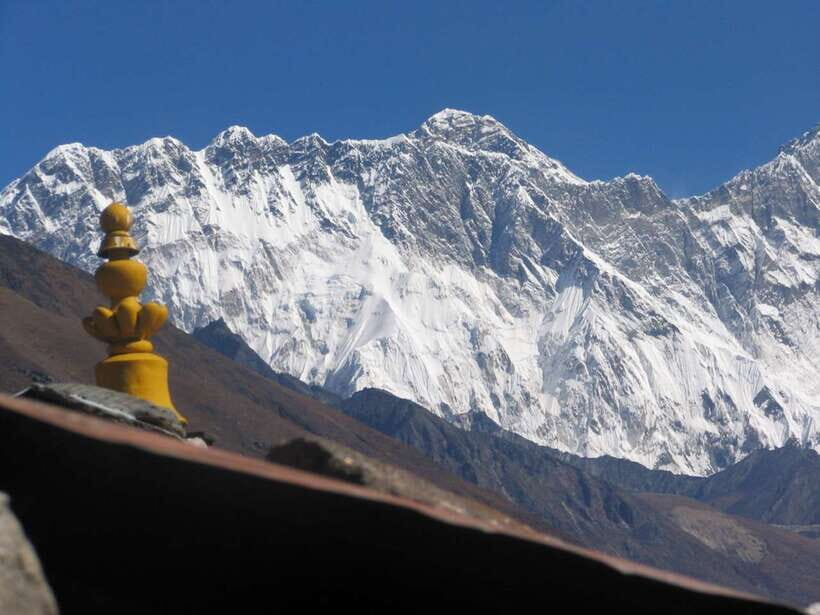
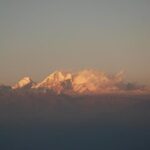
- Stunning Views: Expect breathtaking 360-degree panoramas of Everest, Lhotse, Nuptse, and other Himalayan giants.
- Rich Culture: Experience Sherpa hospitality, visit monasteries, and explore vibrant villages like Namche Bazaar.
- All-Inclusive Value: Price covers flights, accommodations, meals, guides, porters, and permits—no hidden costs.
- Moderate Challenge: Suitable for those with good fitness, but be prepared for high-altitude trekking.
- Expert Guidance: Professional English-speaking guides and porters enhance safety and comfort.
- Flexible Booking: Reserve now, pay later, with free cancellation up to 24 hours in advance.
You can also read our reviews of more hiking tours in Kathmandu
An In-Depth Look at the 17-Day Everest Trek
Starting Your Adventure: Kathmandu and Flight to Lukla
The journey begins in Kathmandu, where you’ll stay four nights at a standard hotel, enjoying a mix of comfort and local flavor. The city itself is a feast for the senses, but the real excitement starts with a short, scenic flight from Kathmandu to Lukla, often called one of the most thrilling flights in the world due to the dramatic scenery and the Tenzing-Hillary Airport’s unique layout. This small adventure sets the tone for the trek ahead.
The First Days: Trekking Through Sherpa Villages
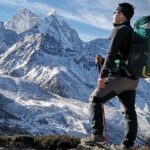
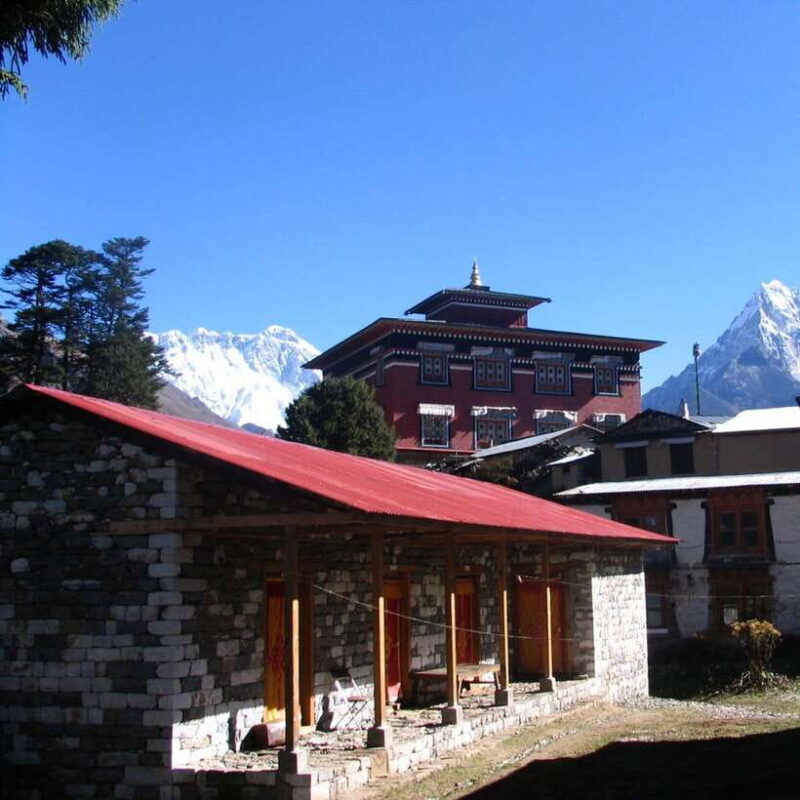
From Lukla, you walk through charming villages like Phakding, each with traditional stone houses and prayer flags fluttering in the mountain breeze. The trail gradually gains altitude, with lush rhododendron forests and the chance to spot local wildlife. Trekkers often comment on how the scenery becomes increasingly striking with each step—blue skies against rugged peaks and vibrant prayer wheels.
More Great Tours NearbyNamche Bazaar: The Heart of Sherpa Culture
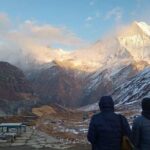
After a few days, you arrive at Namche Bazaar, the bustling hub of Sherpa life. Here, you can acclimate, shop for souvenirs, and enjoy views of Everest and Nuptse from the village itself. Many reviews emphasize the lively atmosphere and the opportunity to visit local monasteries, adding cultural depth to your trek.



High-Altitude Days: Dingboche and Thukla
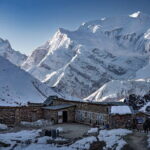
Progressing further, your journey takes you to Dingboche, where the landscape opens up with sweeping vistas of mountain ranges and terraced fields. This is an ideal spot for acclimatization and appreciating the vastness of the Himalayas. As you ascend, the terrain becomes more rugged, and the air thinner, raising the importance of proper pacing and hydration.
The Climax: Kala Patthar and Everest Base Camp
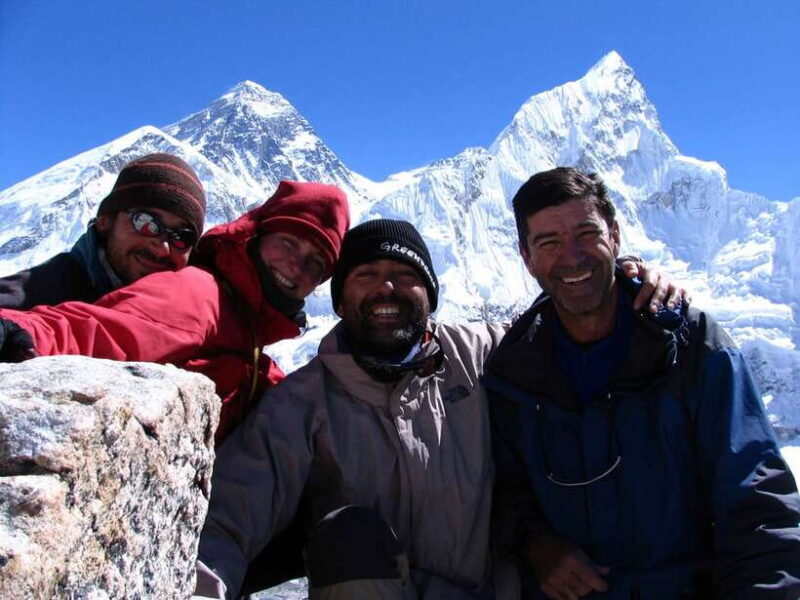
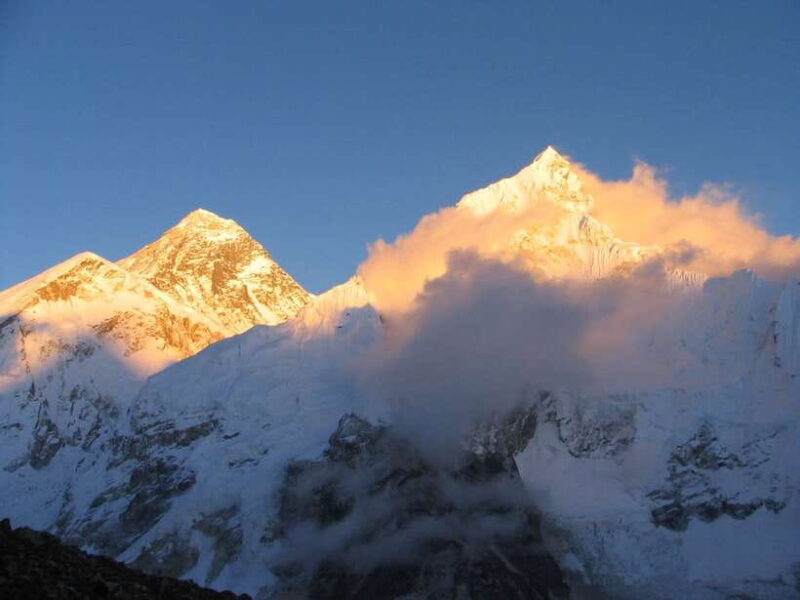
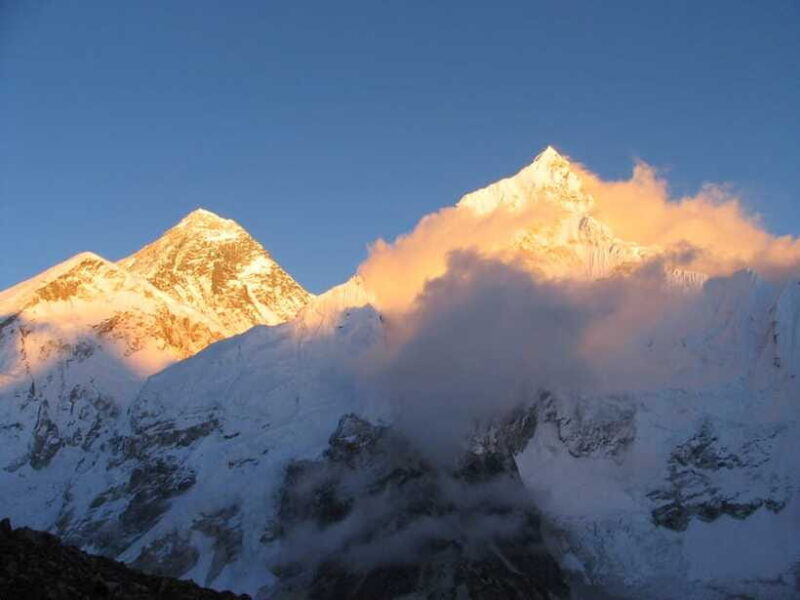
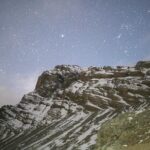
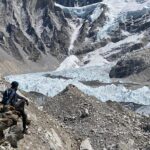
The highlight for many trekkers is reaching Kala Patthar at 5,554 meters, offering an unrivaled panoramic view of Everest, Lhotse, and Everest’s glacier. From here, you gaze directly at the summit, with the Himalayas stretching in every direction. Many reviews praise this as the most stunning viewpoint of the entire trek.
Further along, you arrive at Gorak Shep, the base of Everest, where you’ll personally stand at Everest Base Camp—a symbolic achievement that’s worth every effort. The area is a hive of climbers and expeditions, and you’ll get a sense of the mountaineering effort behind those towering peaks.
Descending and Return: The Trek Back
The return route retraces your steps through Namche and Lukla, with plenty of opportunities to reflect on the journey. The trek concludes with a flight back to Kathmandu, which often leaves trekkers feeling both exhausted and exhilarated.
Practical Considerations and What You’ll Enjoy
Transportation: The included flights from Kathmandu to Lukla and back are a major convenience, saving days of overland travel and allowing more time for trekking and acclimatization. In Kathmandu, private vehicles for sightseeing make logistics seamless.
Guides and Porters: The professional English-speaking guides are known for their friendliness and knowledge, enhancing your understanding of local culture and mountain scenery. Porters carry much of the gear (up to 12 kg per trekker), which helps you focus on the experience rather than the weight on your back. Many reviews mention how efficiently the porters work and their warm hospitality.
Accommodations and Meals: Staying in teahouses every night gives you a taste of authentic Himalayan hospitality. The meals, provided during trekking, are simple but hearty, with options like dal bhat (lentils and rice), noodles, and local dishes—fuel for your mountain days.
Cost and Value: At $1,660, this package offers excellent value considering all included services. The price covers flights, permits, accommodations, meals, guides, porters, and equipment like down jackets and sleeping bags. You won’t find many tours that bundle all these essentials so comprehensively at this price point.
What to Expect and Tips
Altitude and Weather: The trek reaches elevations over 5,500 meters; altitude sickness can be a real concern. Proper acclimatization days at Namche and Dingboche help reduce risks. Weather can be unpredictable—prepare for cold nights and possible rain or snow.
Physical Fitness: While the trek is manageable for those with a good fitness level, it’s not suitable for children under 8 or seniors over 95. Consistent walking, good hydration, and pacing are key.
Flexibility: The tour allows free cancellation up to 24 hours before departure, providing peace of mind. You can also reserve your spot without immediate payment.
Cultural Respect: Visitors should abide by local customs—avoid short skirts, littering, noise, or nudity. Respect for monasteries and local traditions enriches your experience.
Final Thoughts
This 17-day Everest Base Camp trek offers a thorough and well-organized way to see the Himalayas’ crown jewel. The inclusion of flights, guides, porters, and accommodations makes it accessible and convenient, especially for travelers wanting a guided experience without sacrificing authenticity.
The scenery is undeniably breathtaking—many reviews highlight the views from Kala Patthar as unforgettable. The cultural encounters, with Sherpa villages and monasteries, add depth to the journey. This trek balances adventure with comfort, making it suitable for those prepared for a moderate challenge.
If you’re eager to stand beneath the world’s tallest peaks, experience Sherpa warmth, and enjoy a thoughtfully curated tour, this Everest Base Camp trek is a compelling choice. It’s not just about reaching the destination but appreciating every step along the way.
Everest Base Camp Treks 17 days
FAQ
Is this trek suitable for beginners?
While it’s accessible for many with good physical fitness, it involves high-altitude walking and some strenuous days. Beginners should prepare physically and consult their doctor.
What’s included in the price?
The package covers airport transfers, Kathmandu accommodations, sightseeing guides, entrance fees, flights to and from Lukla, 12 nights in teahouses, all meals during trekking, guides, porters, permits, and trekking equipment.
Are flights from Kathmandu to Lukla reliable?
Yes, the included flights are a standard part of this trek and are operated regularly. However, weather can sometimes cause delays or cancellations, so flexibility is advisable.
Can I cancel or reschedule?
Yes, free cancellation is available up to 24 hours before departure. You can also reserve your spot with a pay-later option, offering some flexibility.
What should I pack?
Bring personal ID or passport, warm clothing, sturdy hiking shoes, sunglasses, sunblock, and any personal essentials. Equipment like down jackets and sleeping bags are provided.
Is there an age limit?
This trek isn’t suitable for children under 8 or people over 95, mainly due to high-altitude risks and physical demands.
This comprehensive trek balances scenic grandeur with cultural richness, all while offering good value and logistical ease. It’s perfect for those eager to tick Everest off their bucket list with a guided, all-inclusive experience.
You can check availability for your dates here: