
If you’re dreaming of standing amid the giants of the Himalayas, the Everest Three Passes Trek offers one of the most rewarding—and demanding—trekking experiences in Nepal. Designed for seasoned trekkers craving a true mountain adventure, this 18-day journey takes you through rugged terrains, high-altitude passes, and charming Sherpa villages, all while offering unforgettable views of Mt. Everest and neighboring giants.
What makes this trek stand out? We love its challenging route that promises an adrenaline rush and awe-inspiring vistas; and its authentic cultural encounters with Sherpa communities and Buddhist monasteries. A possible consideration? The physical demands are high, with multi-day acclimatizations and steep passes, so it’s best suited for trekkers with good fitness levels.
Still, if you’re after a thrilling adventure that tests your limits and rewards you with some of the most spectacular scenery on the planet, this trek is a prime choice.
It’s ideal for adventurous travelers who want a mix of mountaineering challenge and culture, willing to endure the altitude and push through some tough sections. If that sounds like your kind of challenge, read on for all the details.
Key Points
 1 / 8
 2 / 8
 3 / 8
 4 / 8
 5 / 8
 6 / 8
 7 / 8
 8 / 8
- Challenging high passes: Kongma La, Cho La, and Renjo La at over 5,000 meters.
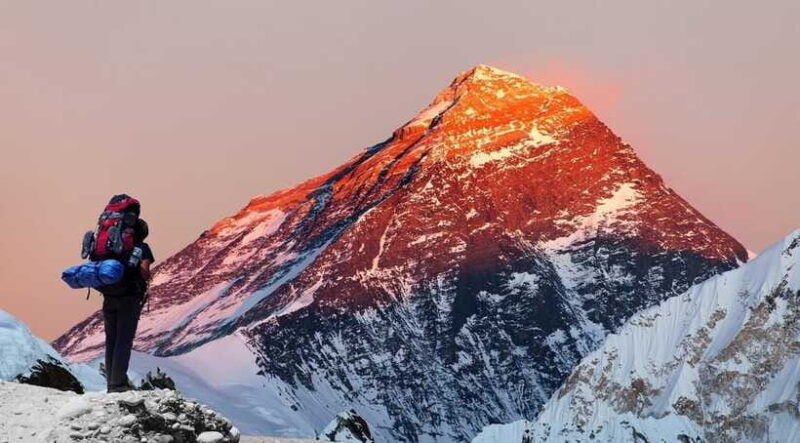
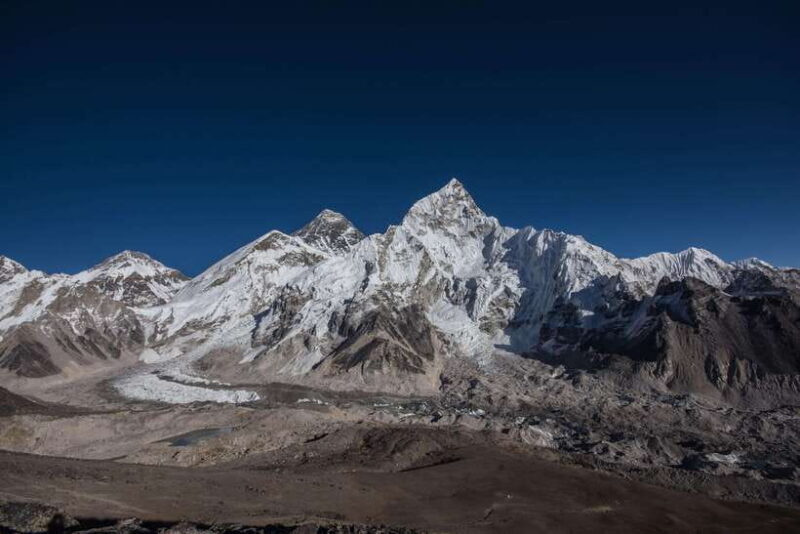
- Iconic views: Close-up looks at Mt. Everest, Lhotse, Nuptse, and Ama Dablam.
- Cultural richness: Sherpa villages, monasteries, prayer wheels, and Mani stones.
- National Park exploration: Sagarmatha’s unique flora and wildlife.
- Comprehensive itinerary: Combines base camp visits, Gokyo Lakes, and high-altitude passes.
- Expert guides and local support: Ensuring safety and authentic insights.
An In-Depth Look at the Everest Three Passes Trek
Starting in Kathmandu and flying into Lukla, this trek kicks off with a quick, scenic flight—an adventure in itself—before the real hiking begins. The early days are moderate, like the trek from Lukla to Phakding and then ascending to Namche Bazaar. Here, you’ll find your first acclimatization, giving your body a chance to adjust to altitude while soaking in the views of surrounding peaks.
Namche Bazaar, often called the gateway to Everest, is a lively Sherpa hub. It’s the perfect place to get a sense of local life and stock up on supplies. The guides are knowledgeable, and you’ll appreciate their insights into Sherpa culture and mountain lore. We loved the way they balanced safety with storytelling, making the experience both educational and inspiring.
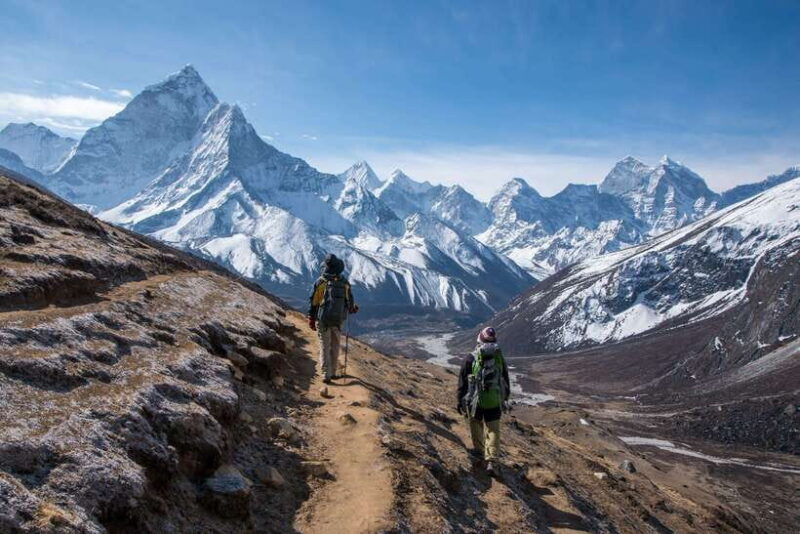
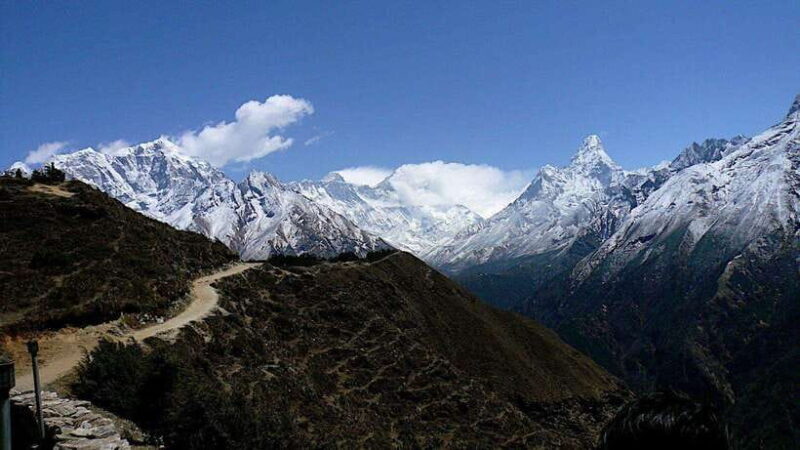
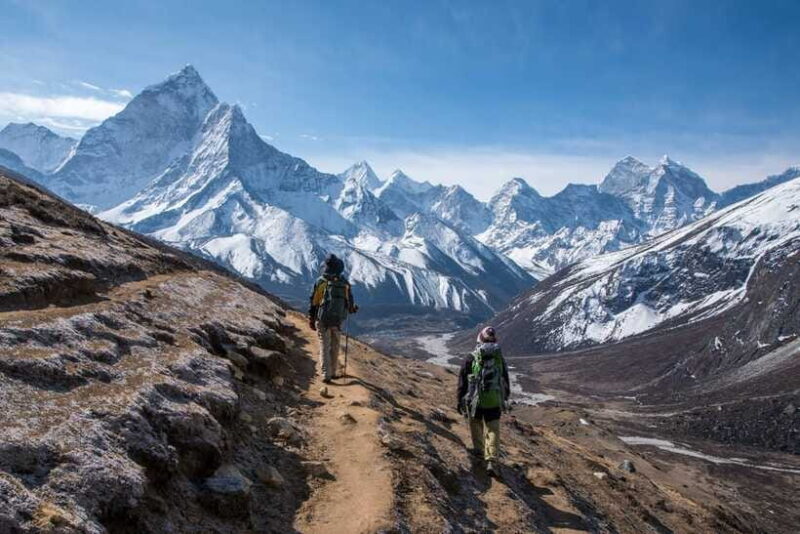
From Namche, the trail leads to Tyangboche, home to a revered Buddhist monastery. The serene atmosphere and panoramic views of Ama Dablam and Everest give this spot a special feeling of spiritual calm amid the rugged landscape. Trekking to Dingboche, you start to notice the increasing altitude—expect some breathing challenges but also incredible scenery.
Acclimatization days at Dingboche and Chhukung are crucial, especially before tackling the high passes. These pauses help prevent altitude sickness and give you time to enjoy the stunning surroundings. We found the views from Dingboche to be worth every effort—mountains like Pumori and Lhotse dominate the skyline.
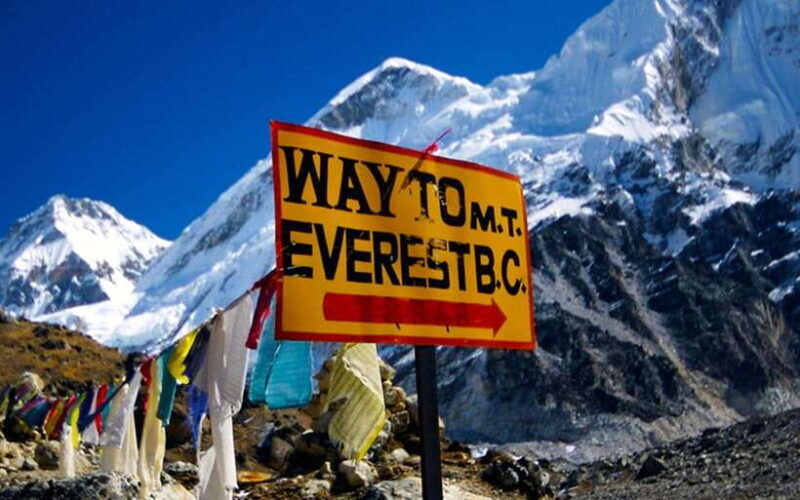
One of the trek’s most exhilarating parts is crossing the Kongma La Pass (5,535m). The ascent is steep and demanding, but the sense of accomplishment when you reach the top is unmatched. The panoramic vistas here include Everest, Nuptse, and the surrounding peaks, making the effort well worthwhile. The descent to Gorakshep brings you to the iconic Everest Base Camp, a place filled with climbers’ tents and the buzz of mountaineering history.
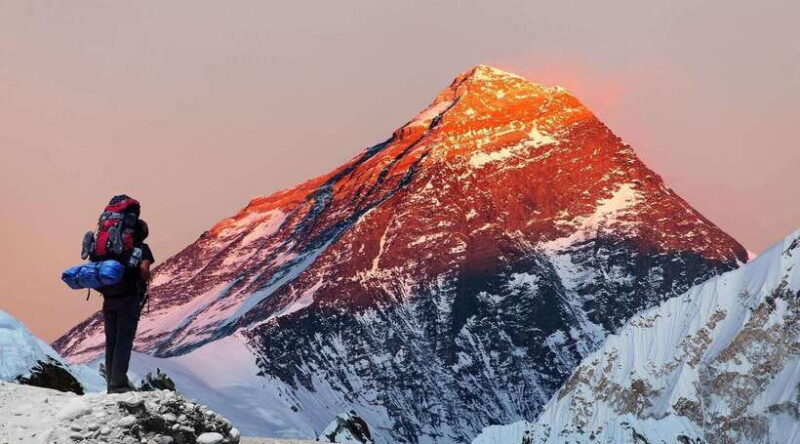
Next, you’ll trek to Gorakshep and conquer Kala Patthar (5,545m), the best vantage point to see Mt. Everest’s summit up close. Early mornings are best for clear views, and the climb is steep but manageable with proper acclimatization.
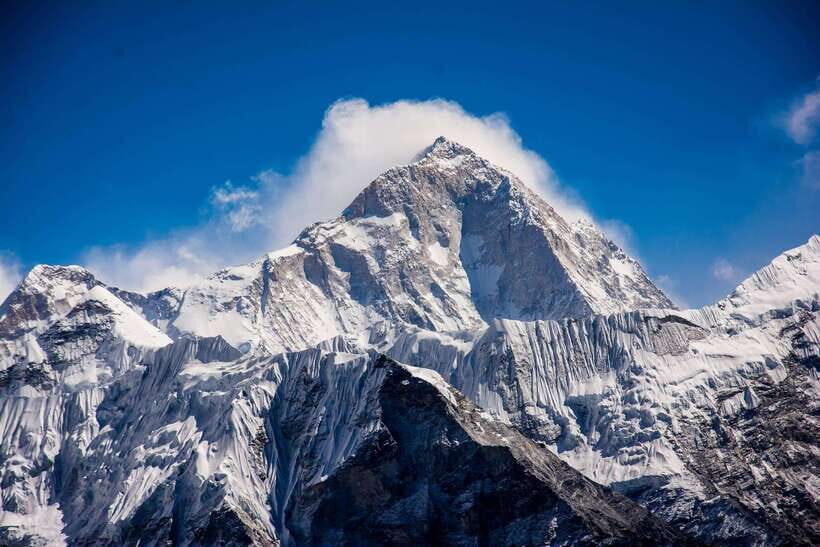
The Gokyo Lakes and Gokyo Ri are another highlight, with shimmering turquoise waters and stunning mountain views. Climbing Gokyo Ri provides a 360-degree panorama of peaks, including Everest, Lhotse, and Makalu. Many travelers consider this a personal highlight, and reviews often mention the “breathtaking scenery” and “peaceful solitude.”
The journey continues through the Nangpa La Valley and Sherpa villages like Thame, where we loved the authentic mountain life and the friendliness of local residents. Crossing the Cho La (5,420m) and Renjo La (5,360m) passes are both demanding but rewarding. The passes are technical enough to challenge experienced trekkers, but their views of towering mountains and glaciers are unforgettable.
Finally, after trekking through high-altitude terrain, you descend back to Lukla, passing through charming villages and suspension bridges, with every step revealing more of the rugged beauty of Nepal’s Himalayas.
What’s Included and What’s Not
The tour’s price of $1,930 per person offers good value, especially as it covers meals (breakfast, lunch, dinner), permits, experienced guides, and all trekking staff expenses. The package includes Sagarmatha National Park permits and Khumbu Rural Municipality permits, which are essential for accessing the region.
Having a knowledgeable guide enhances the experience, as they not only ensure safety but also share insights about local culture and environment. Their expertise is particularly valuable in high-pass sections where terrain can be tricky.
However, travelers should budget for items not included, such as their travel insurance, hot showers (not included during trekking), Kathmandu hotel stays, and personal expenses. The price does not cover trekking porters, so if you prefer to carry your own gear, you’ll need to arrange that separately.
Logistics and Practicalities
Starting from Kathmandu, you’ll fly to Lukla, a short, scenic flight that’s often considered a highlight and a potential point of anxiety for some due to weather delays. Once in Lukla, the trek begins, and the group size is private, which allows for more personalized attention and flexibility.
The itinerary is carefully designed for acclimatization, gradually gaining altitude over the course of the trip. The total duration of 18 days is well-balanced, providing enough time to enjoy each stage without feeling rushed. We appreciated the scheduled rest days—these are critical for avoiding altitude sickness and maintaining energy levels.
Throughout the trek, you’ll stay in teahouses—simple but comfortable accommodations where you can enjoy hearty local dishes. The guides ensure that meals meet hygiene standards, and you’ll get a taste of Nepali staples like dal bhat and momos.
The Experience: Highlights and Challenges
Trekkers often praise the stunning mountain views—from the towering peaks of Everest, Lhotse, Nuptse, and Ama Dablam to the shimmering lakes of Gokyo. These sights are truly awe-inspiring and worth every step.
The cultural encounters are equally enriching. Passing Sherpa villages, Buddhist monasteries, prayer wheels, and Mani stones gives a sense of the spiritual depth of the region. Many reviews mention how guides enhance these moments with stories and explanations, making the experience more meaningful.
Challenges include altitude, especially on the high passes, and the physical demand of crossing snow- and ice-covered terrain. But with proper acclimatization and a good level of fitness, most trekkers find these hurdles manageable.
Weather can be unpredictable, especially in the high passes, so packing appropriately—layered clothing, sturdy boots, and essentials—is vital. The best time to trek is typically pre-monsoon (spring) and post-monsoon (autumn), when the skies are clearer.
More Great Tours NearbyWho Should Consider This Trek?
This adventure is best suited for experienced trekkers prepared for high-altitude challenges and multi-day hikes. It’s not ideal for beginners or those with mobility issues, given the strenuous nature of the passes and altitude. However, for those with good fitness and a spirit for adventure, this trek promises a once-in-a-lifetime experience filled with breathtaking scenery, authentic culture, and personal achievement.
Final Thoughts
The Everest Three Passes Trek offers a rare blend of physical challenge, culture, and Himalayan grandeur. It’s not a walk in the park, but the rewards—spectacular panoramic views, close encounters with mountain peaks, and authentic Sherpa hospitality—are well worth the effort.
If you’re looking for a trek that pushes your limits while rewarding your soul with some of the most stunning scenery on earth, this journey is an excellent choice. The guides and logistic support help make it manageable, but be prepared for tough sections—they are part of what makes this adventure so memorable.
This trek is perfect for travelers who want more than just a glance at Everest and are willing to endure a demanding route for the opportunity to reach some of the highest, most scenic passes in the Himalayas. Book it, train for it, and get ready for an unforgettable high-altitude adventure.
Everest Three Pass Trek
FAQ
Is the Everest Three Passes Trek suitable for beginners?
No, this trek is quite demanding and best suited for experienced trekkers who are comfortable at high altitudes and capable of multi-day hikes with steep sections.
What is included in the price?
The package covers meals (breakfast, lunch, dinner), permits, experienced guides, accommodation during trekking, and domestic airport taxes.
Are permits included?
Yes, permits for Sagarmatha National Park and Khumbu Rural Municipality are included.
Do I need to arrange my own insurance?
Yes, travel insurance is not included, so travelers should arrange their own coverage before the trek.
What kind of accommodations are provided?
You’ll stay in teahouses—simple, clean lodges with basic amenities—while on the trail.
When is the best time to do this trek?
The ideal seasons are pre-monsoon (spring) and post-monsoon (autumn), offering clearer skies and stable weather for high-altitude travel.