
If you’re considering a trek through Nepal’s Annapurna region, this 10-day adventure offers a chance to experience some of the most breathtaking mountain scenery on Earth, combined with cultural encounters along the way. While you won’t find a leisurely stroll here—this trek demands physical stamina and mental resilience—what you gain in unforgettable vistas and authentic village life makes it well worth the effort.
Two things we particularly like about this tour: first, the chance to conquer the Throng La Pass at 5,416 meters, a true badge of honor for any trekker; second, the variety of landscapes, from lush forests to arid desert-like stretches, keeps the journey visually fascinating. A possible consideration is the altitude—some days are quite strenuous, and acclimatization is essential.
This trek suits travelers who are reasonably fit, eager for adventure, and interested in a genuine experience of Nepal’s diverse scenery and cultures.
Who will love this trek? If you’re looking for a well-rounded trek that blends challenging mountain passes with culture, and you’re prepared for some long walking days, this trip could be perfect. It’s also great for those who appreciate stunning panoramic views and enjoy visiting remote mountain villages.
Key Points
 1 / 7
1 / 7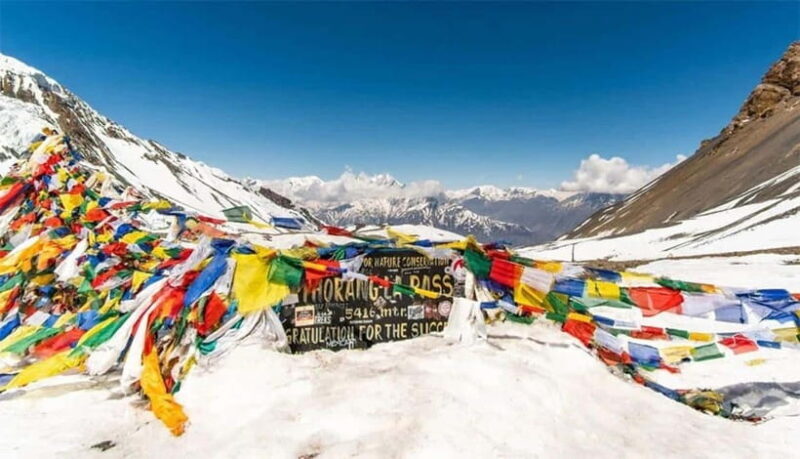 2 / 7
2 / 7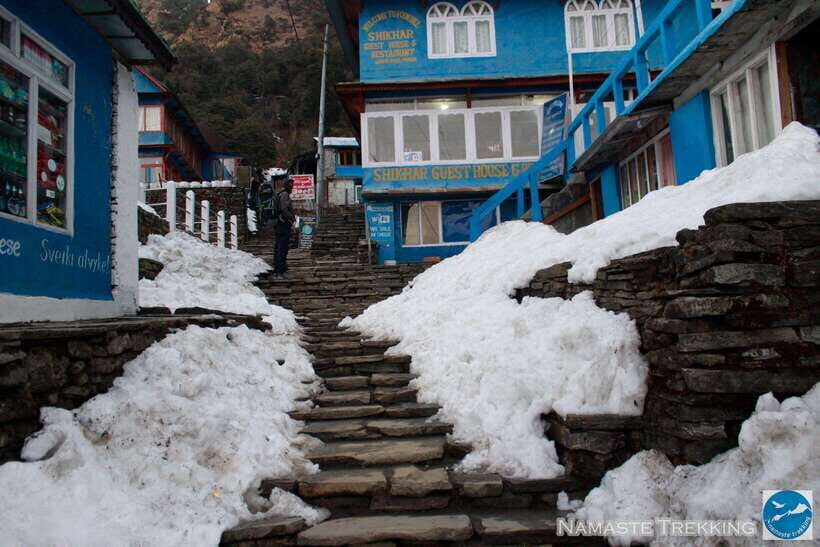 3 / 7
3 / 7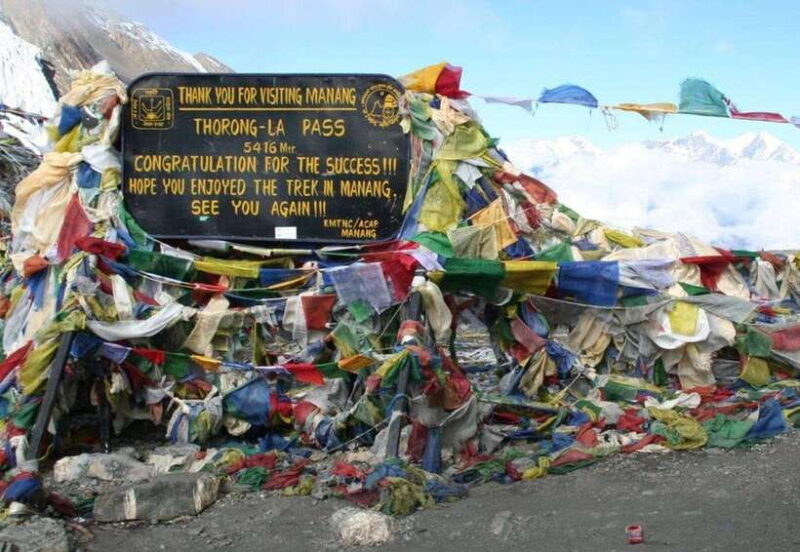 4 / 7
4 / 7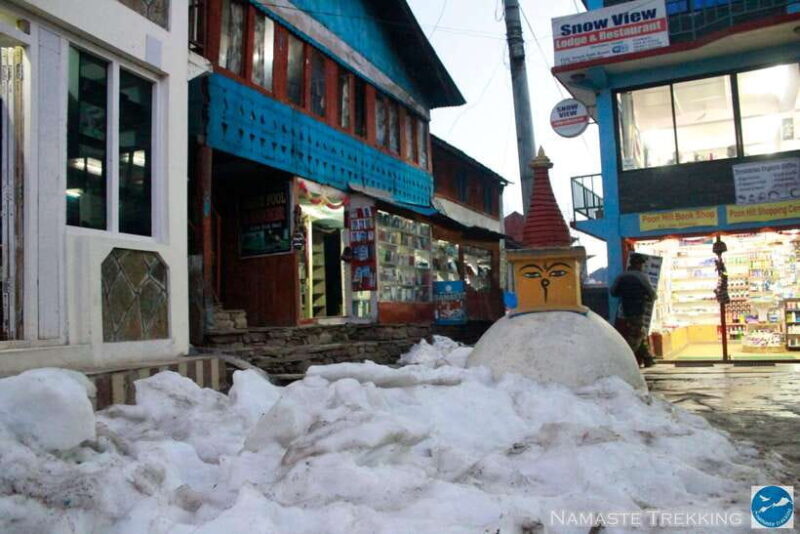 5 / 7
5 / 7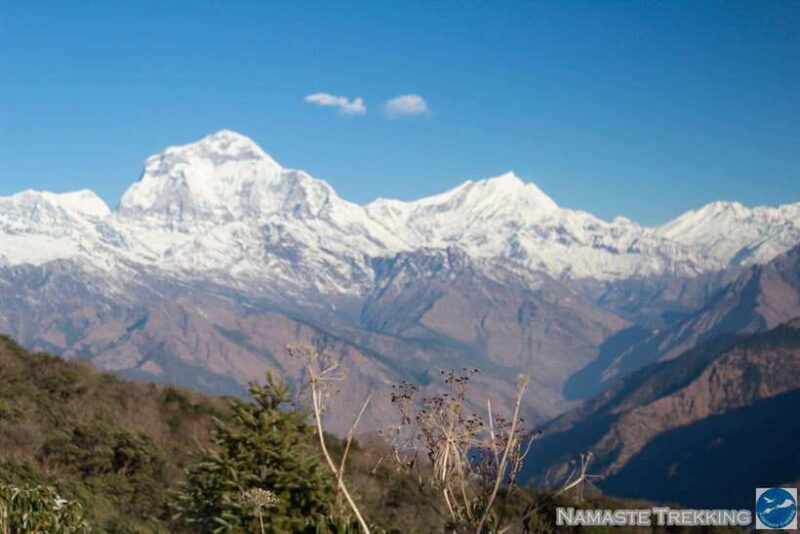 6 / 7
6 / 7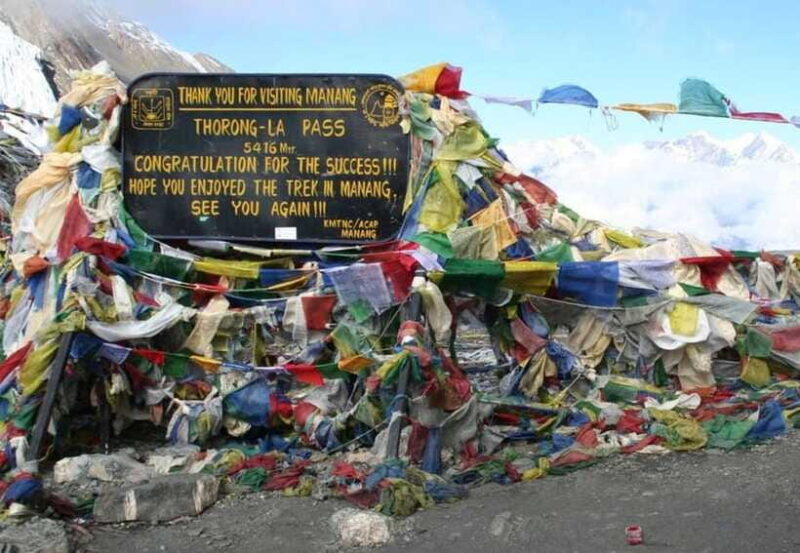 7 / 7
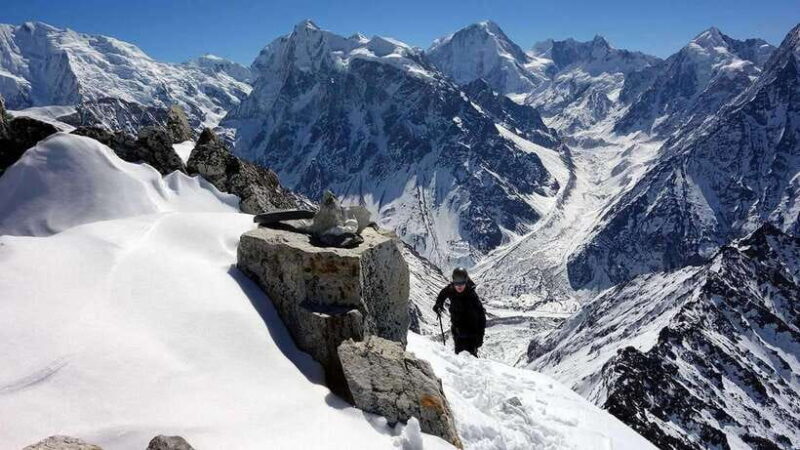
7 / 7Stunning mountain vistas: You’ll see peaks like Annapurna, Dhaulagiri, and Machapuchare, often framed by the trail’s ever-changing scenery.
High-altitude challenge: Conquering the Throng La Pass is a highlight, but it requires careful acclimatization and good physical condition.
Cultural encounters: Visiting villages and monasteries, especially the Thakali community, offers authenticity and insight into local life.
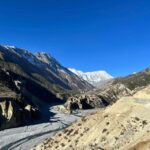
Varied landscapes: From lush forests and alpine meadows to dry, rocky expanses, the route is visually diverse.
Comfortable logistics: Accommodation, permits, and transportation are included, streamlining the experience.
Value for the price: At around $980, this includes guides, permits, meals, and lodging—making it a good investment for a comprehensive Nepal adventure.
You can check availability for your dates here:An In-Depth Look at the Journey
The journey begins with your arrival in Kathmandu, where your group is greeted by a professional English-speaking guide and transportation to the start of your trek. While the city itself is a vibrant, chaotic hub of sights and sounds, most of your energy will be directed to preparing for the physical challenge ahead.
Day 2 involves a scenic drive from Kathmandu to Besisahar, the gateway to the Annapurna region. This drive typically takes several hours, offering glimpses of Nepal’s rural life and lush landscapes. It’s a good chance to start adjusting to the altitude and terrain.
Starting your trek from Besisahar on Day 3, you’ll head towards Chame, passing through forests, river valleys, and small villages. The ascent here introduces you to the route’s varied terrain—expect to see dense woods, mountain streams, and perhaps your first views of Annapurna’s snowy slopes. The walk is manageable, and the guide often points out local flora and fauna.
Day 4 takes you from Chame to Pisang. Here, mountain views become more prominent, and the village of Pisang itself is a delightful destination with traditional architecture and stunning surroundings. Walking through pine forests gives a sense of entering a different landscape.
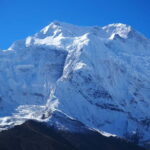
Day 5’s trek from Pisang to Manang is a highlight, passing through Ghyaru, a village renowned for its panoramic vistas of Annapurna II, Annapurna IV, and Annapurna III. The route here offers an excellent mix of cultural sights and mountain scenery, making it a favorite among trekkers. As one reviewer noted, “The views of Annapurna and the surrounding peaks are simply breathtaking.”
Day 6 is dedicated to acclimatization. Spending a day in Manang allows your body to better handle the higher elevations ahead. You can explore the village, visit the local monastery, or simply relax—an essential step for a safe and enjoyable trek.
From Manang, the trek continues to Yak Kharka and then Throng Phedi or High Camp. These sections offer increasingly dramatic mountain views, with the chance to see glaciers and snow-capped peaks up close. The route passes through Gunsang, another scenic village with impressive peaks in view.
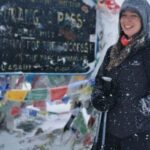
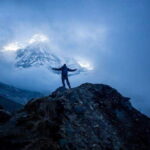
Day 8 is the big one: crossing the Throng La Pass at 5,416 meters. This is the highest point of the trek and a real challenge. The ascent is steep, but the sense of achievement is immense. After reaching the top, it’s a steep descent to Muktinath, a sacred site for Hindus and Buddhists alike. The views from the pass are often described as awe-inspiring—snowy peaks stretching to the horizon and a feeling of standing on the roof of the world.
The final day involves driving from Muktinath to Pokhara, a scenic journey that offers a chance to reflect on your adventure and enjoy the lush landscape of Nepal’s hills and lakes.
You can also read our reviews of more hiking tours in Pisang
What’s Included and What’s Not?
Included in the tour are essential aspects like a professional guide, all necessary permits, accommodations during the trek, meals, and transportation from Kathmandu to the trek’s starting point and back from Muktinath to Pokhara. This comprehensive package simplifies logistics, so you can focus on the experience itself.
Not included are personal expenses and travel insurance. It’s wise to budget for souvenirs, snacks, or extra drinks. Carrying Nepalese Rupees is recommended, as ATMs are scarce along the route.
The Value of the Experience
At $980 per person, this trek provides a solid value considering it covers nearly everything—guides, permits, lodging, and meals. The quality of the guide service is a key factor, as local guides are invaluable for navigating the route safely and sharing insights into local culture and geography.
Many travelers comment on the well-organized logistics, noting that the accommodation was comfortable and meals hearty, helping to sustain energy levels. The inclusion of acclimatization days is a smart feature, making the high passes more manageable and reducing the risk of altitude sickness.
Practical Considerations
While the trek is rewarding, it’s physically demanding. Long walking days, especially when crossing the high pass, require good fitness. It’s essential to bring sturdy, comfortable shoes and layers of warm clothing, as weather can vary widely from day to night.
Weather protection—sunscreen, hats, and sunglasses—are vital, especially at higher elevations where UV exposure increases. Staying hydrated and snacking regularly help maintain energy, and your guide will likely recommend specific routines.
Altitude is a significant factor. The high pass at 5,416 meters can be challenging, so proper acclimatization days are built into the schedule. Travelers with pre-existing health conditions, pregnancy, or back or heart issues are advised to consider whether this trek is suitable.
More Great Tours NearbyAuthentic Village and Cultural Highlights
Visiting villages like Ghyaru and Gunsang provides a glimpse into life in mountain Nepal, where community ties remain strong despite the rugged environment. The local monasteries and temples are quiet, contemplative places where you can observe the spiritual practices that have sustained villagers for generations.
The Thakali community, in particular, is known for their hospitality and traditional way of life. Many trekkers appreciate the chance to see these communities up close, gaining a deeper understanding of Nepal’s regional diversity.
Final Thoughts
This 10-day Annapurna Circuit Trek offers a compelling mix of spectacular mountain views, cultural richness, and physical challenge. It’s a well-rounded journey that rewards those who enjoy variety—whether it’s conquering the Throng La Pass, walking through lush forests, or visiting remote villages. The inclusion of acclimatization days and all logistics makes it accessible for those who want a comprehensive Nepal experience without the hassle of planning every detail.
For travelers seeking a true adventure with a sense of accomplishment and authentic encounters, this trek delivers. It’s especially suited for those who are physically prepared, eager for high-altitude challenges, and curious about Nepal’s mountain communities. At its price point, it’s a solid investment for a memorable Himalayan journey.
From Kathmandu: 10-Day Annapurna Circuit Trek
FAQ
How physically demanding is this trek?
The trek involves long walking days and high-altitude crossings, including the Throng La Pass at 5,416 meters. Good fitness and prior walking experience help ensure you enjoy the journey safely.
Are acclimatization days included?
Yes, there’s a dedicated acclimatization day in Manang, which helps your body adjust to the higher elevations and reduces the risk of altitude sickness.
What kind of scenery will I see?
Expect a wide variety—from lush forests and alpine meadows to arid, rocky regions. Mountain views of Annapurna, Dhaulagiri, and Machapuchare make every day visually rewarding.
What is included in the price?
The tour covers professional English-speaking guides, all trekking permits, accommodations during the trek, transportation to and from the starting point, and meals along the route.
Is this trek suitable for children or pregnant women?
It’s not recommended for children under 12, pregnant women, or those with back or heart problems due to the physical demands and altitude.
How should I prepare for the weather and climate?
Bring layered clothing, warm gear for higher elevations, sunscreen, hats, and sunglasses. Weather can change quickly, so being prepared helps maximize comfort and safety.
In the end, this Annapurna Circuit offers a chance to challenge yourself physically while soaking in some of the most stunning mountain scenery Nepal has to offer. With careful preparation, it’s a trip that can leave you with lifelong memories of high passes, peaceful villages, and awe-inspiring peaks—an adventure worth every step.
You can check availability for your dates here: