Planning a trek to Everest Base Camp often feels like a bucket-list dream for many travelers, and this guided 19-day journey from Kathmandu offers an authentic and well-organized way to see the world’s highest peaks up close. If you love stunning mountain panoramas, vibrant Sherpa villages, and a good dose of adventure, this trek might be just what you’re looking for.
What we really appreciate about this tour is its balance—starting from the bustling streets of Kathmandu and gradually ascending through diverse landscapes to the icy realms around Everest. Plus, the inclusion of Kalapathar, the iconic viewpoint, promises some of the best vistas in the Himalayas. That said, it’s not for the faint-hearted; this is a physically demanding trek, and altitude sickness risk is real.
This tour suits travelers with a decent level of fitness, a sense of adventure, and an appreciation for culture. It’s ideal for those who want a guided experience that combines natural beauty with the chance to connect with Sherpa culture without the hassle of planning every detail.
- Key Points
- An In-Depth Look at the Everest Base Camp & Kalapathar Trek
- Starting from Kathmandu and the Long Road to Salleri
- Trekking Through Sherpa Villages — Nunthala, Bubsa, and Surkhe
- Reaching Namche Bazaar — The Heart of Sherpa Culture
- Taking in the Monastery at Tengboche
- Moving Higher: Dingboche and Lobuche
- Reaching Gorak Shep and Everest Base Camp
- The Highlight: Kalapathar Viewpoint
- Trekking Down and Return to Kathmandu
- What’s Included and What’s Not?
- Value for the Price
- Flexibility and Booking
- Authenticity and Experience
- Who This Tour Is Best For
- The Sum Up
- FAQ
- More Hiking & Trekking Tours in Kathmandu
- More Tour Reviews in Kathmandu
Key Points
 1 / 7
 2 / 7
 3 / 7
 4 / 7
 5 / 7
 6 / 7
 7 / 7
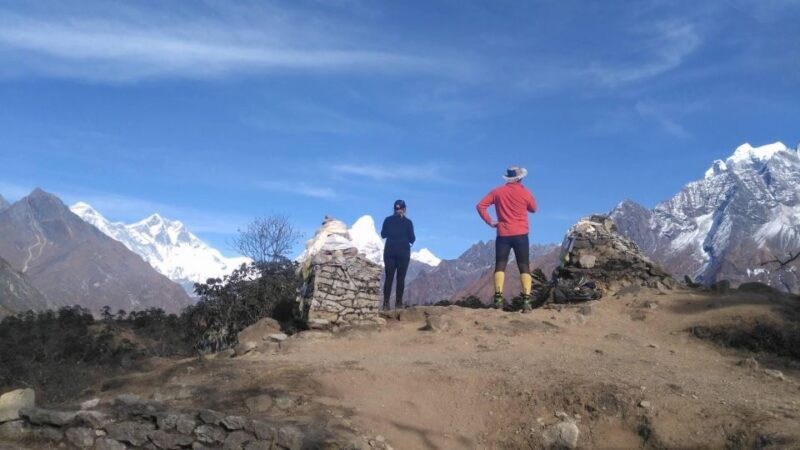
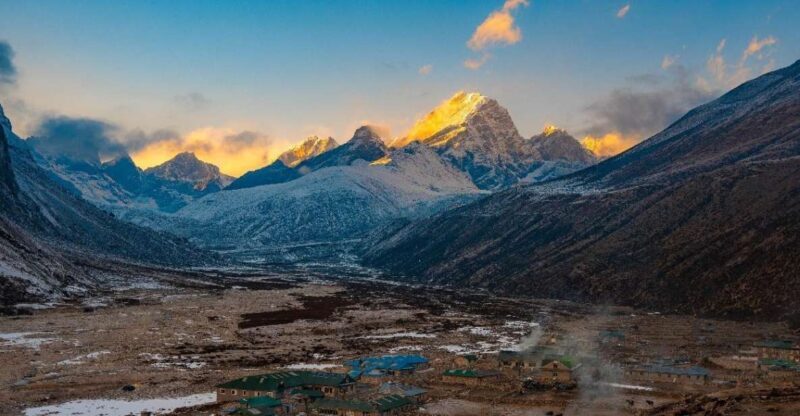
- Breathtaking Views: Panoramic sights of Everest, Lhotse, Nuptse, and glaciers.
- Cultural Experience: Sherpa villages, monasteries, and local hospitality.
- Physical Challenge: 19 days of trekking, with several high-altitude days requiring acclimatization.
- Expert Guides & Support: Friendly, experienced guides, and porters ensuring safety and comfort.
- Value for Money: At $723 per person, the trip includes permits, accommodations, and guiding—making it a good deal for an iconic Himalayan adventure.
- Flexibility and Convenience: Round-trip transfers, private group, and options to cancel or pay later.
An In-Depth Look at the Everest Base Camp & Kalapathar Trek
You can also read our reviews of more hiking tours in Kathmandu
Starting from Kathmandu and the Long Road to Salleri
The journey kicks off with a 12-13 hour drive from Kathmandu to Salleri, either by bus or jeep. It’s a long haul, but it’s part of the adventure. You’ll leave behind the city’s chaos and enter a landscape that gradually shifts from terraced fields to mountain scenery. This day sets the tone for the trek—an initial challenge that promises the reward of approaching Everest.
Trekking Through Sherpa Villages — Nunthala, Bubsa, and Surkhe
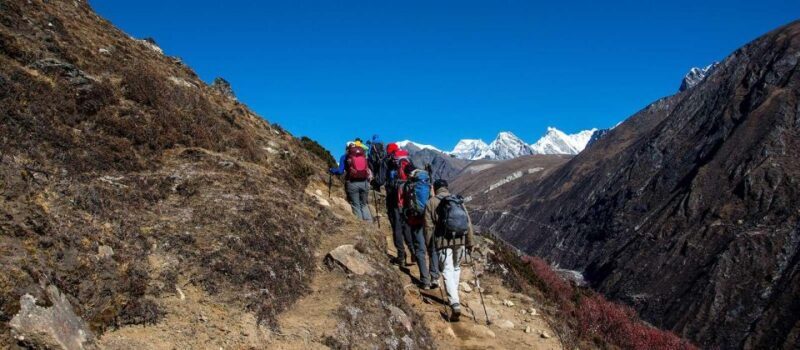
Over the next few days, you’ll trek through small villages like Nunthala, Bubsa, and Surkhe. These stages, around 5 to 6 hours each day, offer a chance to acclimate gradually and enjoy the mountain scenery. We liked the way the route slowly climbs, giving your body time to adjust while immersing you in local life.
Guests mention the friendliness of the local Sherpa people and the cozy guesthouses. It’s a chance to taste local foods, see traditional homes, and notice how the landscape opens up with lush forests and terraced farmland.
Reaching Namche Bazaar — The Heart of Sherpa Culture
Arriving in Namche Bazaar is a highlight, thanks to its lively market, welcoming atmosphere, and breathtaking views of towering peaks. One reviewer notes, “The views from the Tenzing Norgay memorial in Namche were quite spectacular.” This town is the perfect spot for a rest day and acclimatization, which the guide recommends to prevent altitude sickness.
More Great Tours NearbyTaking in the Monastery at Tengboche
The trek from Namche to Tengboche passes through dense forest and offers striking vistas. The Tengboche Monastery is a must-see, standing proud against the mountain backdrop. It’s a spiritual pause amidst the rugged journey, and the views from here are often described as “sublime,” offering a different perspective of Everest and surrounding peaks.
Moving Higher: Dingboche and Lobuche
Next, you’ll push higher into the high-altitude zone, reaching Dingboche and Lobuche. The landscape becomes more barren, and the air thinner. One of the reviewers notes, “The trek over 19 days allows time to enjoy each place and viewpoint,” and this is especially true as you gain elevation.
Reaching Gorak Shep and Everest Base Camp
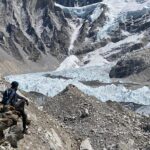
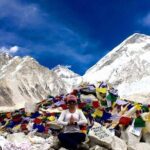
The pinnacle of the trek is standing at Gorak Shep before heading to Everest Base Camp itself. The actual base camp is a hive of climbers’ tents and a few iconic landmarks like the Khumbu Icefall. While not everyone may get all the way to the base camp—some might experience altitude sickness—most find the effort deeply rewarding.
A key point is that on Day 12, the group hikes to Everest Base Camp and then returns to Gorak Shep the same day, a physically demanding but memorable effort.
The Highlight: Kalapathar Viewpoint
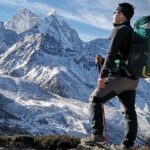
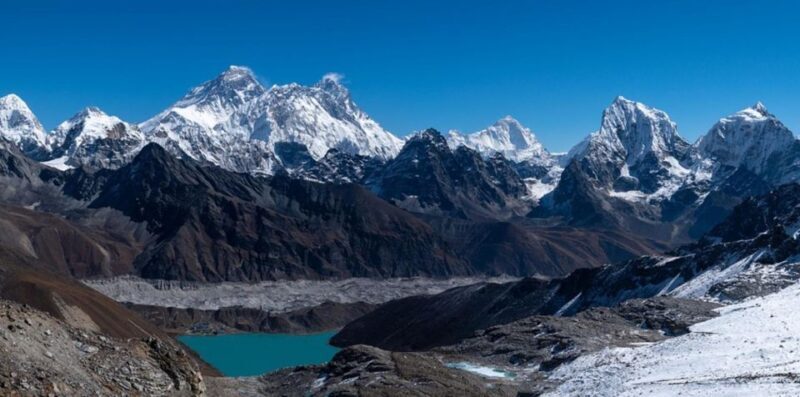
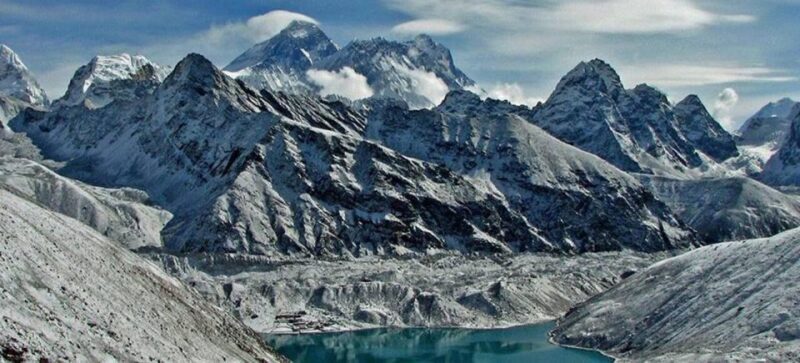
The early morning hike to Kalapathar at 5,545 meters is often cited as a trip’s high point. The panoramic views from here are jaw-dropping, with Everest towering overhead and glaciers sprawling below. It’s a steep but manageable climb, and the reward is some of the most unforgettable mountain scenery you’ll ever see. One traveler notes, “Thanks to our guide, the ascent was manageable, and the views made all the effort worthwhile.”
Trekking Down and Return to Kathmandu
After the high-altitude experience, the trek descends back through Namche, Lukla, and eventually down to Nunthala, Bubsa, and Salleri. The return journey is a good chance to reflect on your journey and enjoy the changing scenery. The final day’s drive back to Kathmandu takes about 12-13 hours, so be prepared for a long, but scenic, ride.
What’s Included and What’s Not?
The package includes all necessary permits, a friendly English-speaking guide, and accommodations in guesthouses or tea houses. Meals are not included but can be purchased en route. The support team—guides and porters—are there to make your trek smoother and safer, which adds significant value, especially on this challenging route.
Not included are personal expenses, drinks, travel insurance, and rescue costs. We recommend travelers budget for extra food and supplies, especially as high-altitude food options can be limited.
Value for the Price
At $723 per person, this trek offers good value considering it includes permits, guiding, accommodations, and transfers. For an iconic Himalayan experience, that’s a reasonable investment, especially when compared to the cost of independent travel or self-organized treks. The fact that you’re guided by experienced, helpful guides makes logistical worries minimal, leaving you free to enjoy the scenery.
Flexibility and Booking
The tour offers the option to reserve now and pay later, providing flexibility if your travel plans are uncertain. Cancelations are also possible up to 24 hours in advance, giving some peace of mind.
Authenticity and Experience
Based on reviews, travelers praise knowledgeable guides who are attentive and helpful, especially when altitude or weather issues arise. Many mention specific guides by name, like Milan, for their friendliness and expertise.
Participants enjoy the opportunity to witness stunning mountain views—some describe the vistas from Tengboche and Kalapathar as “spectacular” and “sublime.” The chance to see Sherpa villages and monasteries also enriches the experience beyond just the trek.
While the trek is physically demanding, the cultural richness and natural beauty make it worthwhile. One traveler even remarked that, despite initial challenges, the trip was unforgettable, thanks to the flexibility and support provided.
Who This Tour Is Best For
This trek is perfect for adventurous travelers with a good fitness level and a desire to experience the Himalayas authentically. It’s suitable for those who don’t mind long days of walking and are prepared for high-altitude conditions.
If you’re looking for a guided, well-supported trip that offers both natural beauty and cultural insight, this tour hits the mark. It’s less suitable for pregnant women or wheelchair users, given the physical demands and terrain.
The Sum Up
This 19-day Everest Base Camp & Kalapathar trek offers an incredible opportunity to see some of the most stunning scenery in the world. For a reasonable price, you get a guided experience that balances challenge with comfort, all while enjoying Sherpa culture and majestic mountains. The knowledgeable guides, flexible booking options, and breathtaking views make it a compelling choice for serious trekkers and adventure lovers alike.
While it’s a physically demanding journey, the memories made—standing beneath Everest’s towering summit, watching glaciers carve their way down the mountainside, and sharing moments with local Sherpa communities—are priceless. Whether you’re a seasoned trekker or an adventurer seeking a meaningful challenge, this trek offers a true taste of the Himalayas’ grandeur.
From Kathmandu: 19 Day Everest Base Camp & Kalapathar Trek
FAQ
How long is the drive to start the trek?
It’s approximately a 12-13 hour journey from Kathmandu to Salleri by bus or jeep, an adventure in itself through changing landscapes.
What is included in the tour price?
All necessary permits, an experienced English-speaking guide, guide food, accommodation, and all expenses related to the guide and porters are included.
Are accommodations in guesthouses or tea houses?
Yes, during the trek, you’ll stay in local guesthouses or tea houses, providing a chance to experience local hospitality.
Can I cancel this tour?
Yes, you can cancel up to 24 hours in advance for a full refund, offering flexibility if your plans change.
Is this trek suitable for beginners?
This trek is physically demanding and involves high-altitude walking, so it’s best suited for travelers with good fitness and some trekking experience.
What is the best time of year to go?
Spring (March to May) and autumn (September to November) are ideal for stable weather and clear views, but the trek can be done year-round.
Do I need to bring special gear?
Warm clothing, hiking shoes, hiking pants, a passport, and a passport-sized photo are essential. Cash is also handy.
Will I see Everest?
You will get close enough to see Everest from Kalapathar and other viewpoints, with stunning vistas of surrounding peaks and glaciers.
Is the trek guided?
Yes, a professional guide is included, and they are experienced in handling high-altitude travel and cultural insights.
How difficult is the trek physically?
It involves multiple days of walking at high elevation, with some steep ascents, so a good level of fitness is recommended. The guide emphasizes acclimatization days to help prevent altitude sickness.
Can I extend or customize the trip?
The current itinerary is fixed, but some flexible options like permits for other nearby areas (e.g., Poon Hill or Gokyo Lakes) can sometimes be arranged through the provider.
This guided Everest trek from Kathmandu combines natural beauty, cultural richness, and a sense of achievement—all at a reasonable price for one of the world’s most iconic adventures.
You can check availability for your dates here: