- Introduction
- Key Points
- What Makes the Ama Dablam Base Camp Trek Special?
- The Itinerary in Detail
- Day 1: Flight to Lukla and Trek to Phakding
- Day 2: Phakding to Namche Bazaar
- Day 3: Acclimatization in Namche
- Day 4-7: Trek through Deboche, Dingboche, Chhukung, and Lobuche
- Day 8-9: Lobuche to Pangboche via Ama Dablam Base Camp
- Day 10-12: Rest, Exploration, and Return
- Logistics and Inclusions
- What’s Not Included?
- The Trek Experience: What You’ll Feel and See
- Wildlife and Nature
- What We Liked and What to Consider
- Who Should Consider This Trek?
- The Sum Up
- FAQ
- More Hiking & Trekking Tours in Kathmandu
- More Tour Reviews in Kathmandu
Introduction
 1 / 4
 2 / 4
 3 / 4
 4 / 4
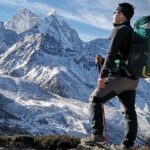
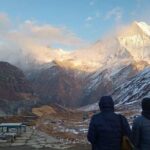
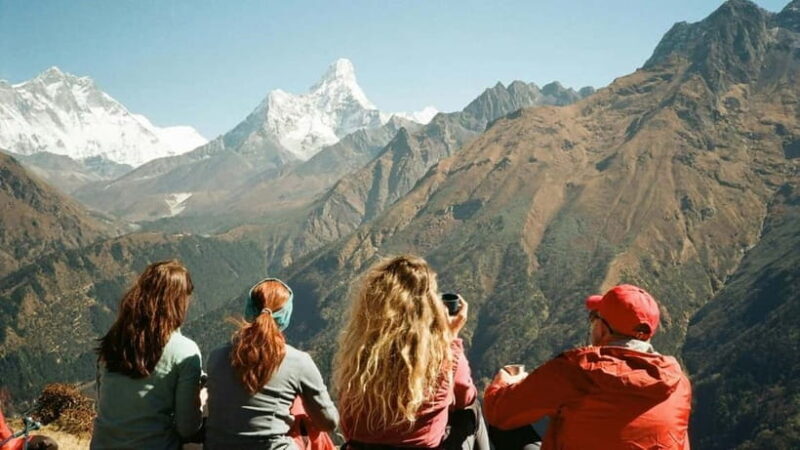
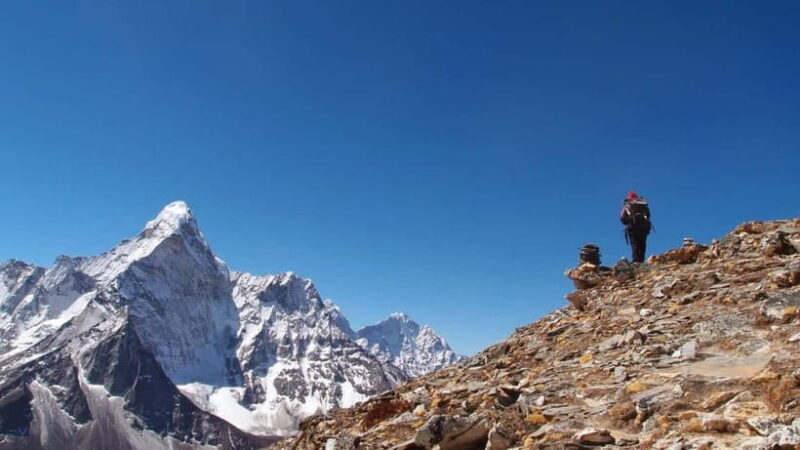
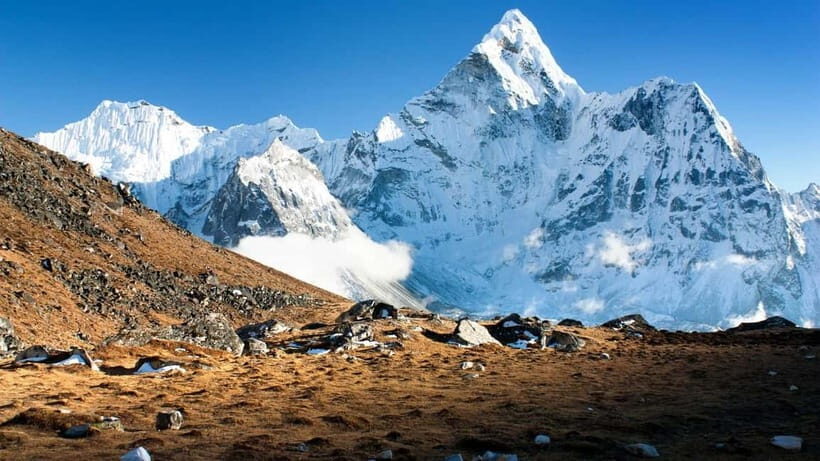
If you’re dreaming of tackling one of Nepal’s most visually arresting treks, the Ama Dablam Base Camp Trek might just be what you’re looking for. This journey isn’t for the faint-hearted, but it promises some of the most breathtaking vistas of the Himalayan range, especially the iconic Ama Dablam, often called the “Matterhorn of the Himalayas.”
What we appreciate most about this trek is its combination of challenging terrain and the chance to see rare Himalayan wildlife like snow leopards and musk deer, plus the opportunity to pass through traditional Sherpa villages that have maintained their culture amidst the mountain wilderness. On the flip side, the trek is strenuous and includes high-altitude passes, so it requires good physical preparation and acclimatization.
This adventure suits experienced trekkers who love rugged landscapes, authentic local encounters, and the thrill of reaching less crowded, high-altitude destinations. If you’re looking for a trek that rewards effort with stunning mountain views, culture, and a sense of achievement, this route is a prime candidate.
You can check availability for your dates here:Key Points
- Spectacular Himalayan views of Everest and Ama Dablam
- Passes through traditional Sherpa villages rich in culture
- Strenuous trek requiring good fitness and acclimatization
- Includes rare Himalayan wildlife sightings
- Less crowded route, offering a more authentic experience
- Well-organized logistics with included flights and accommodations
You can also read our reviews of more hiking tours in Kathmandu
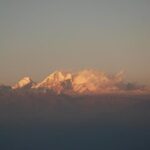
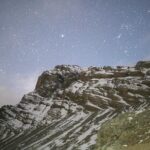
What Makes the Ama Dablam Base Camp Trek Special?
This trek stands out because it offers a combination of natural beauty, adventure, and cultural insight. The trail takes you through some of the highest and most rugged parts of the Everest region, with jaw-dropping views of mountains like Everest, Lhotse, and Nuptse. But what truly elevates it is reaching the Ama Dablam Base Camp at 4,600 meters, a stunning vantage point with a dramatic mountain backdrop.
Compared to the more popular Everest Base Camp trek, this route is less crowded, meaning you’ll experience a quieter wilderness and more personal encounters with local villages. The trek’s highlight, the Kongma La Pass, at 5,535 meters, challenges trekkers physically but offers unparalleled panoramas of snow-covered peaks and glaciers.
The Itinerary in Detail
Day 1: Flight to Lukla and Trek to Phakding
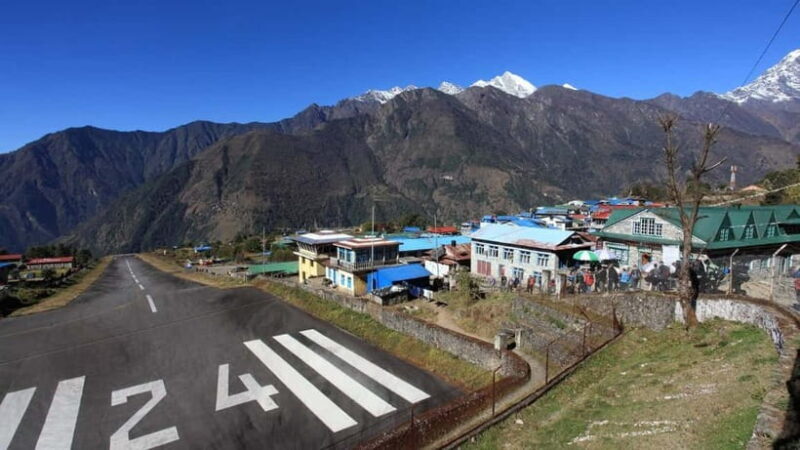
Starting with a scenic flight from Kathmandu to Lukla, often called the world’s most exciting airport, sets the tone for adventure. The flight is short but dramatic, with views of terraced hillsides and snow-capped peaks. From Lukla, the trail descends to Phakding, a small village along the Dudh Koshi River, where many trekkers find their first taste of Sherpa hospitality.
More Great Tours NearbyDay 2: Phakding to Namche Bazaar
This day introduces the gradual ascent towards the Everest region. The route crosses suspension bridges over the rushing river and winds through pine forests. Arriving in Namche Bazaar, you’ll be in the heart of Sherpa culture, bustling with trekkers and traders, with stunning views of Everest looming nearby.

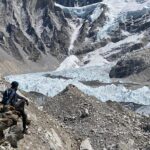
Day 3: Acclimatization in Namche
We love the inclusion of an acclimatization day here. It’s vital at this altitude, and Namche offers plenty of options for a gentle hike, such as to Everest View Hotel for panoramic sights or exploring local monasteries. It’s a perfect way to prepare for higher elevations.
Day 4-7: Trek through Deboche, Dingboche, Chhukung, and Lobuche
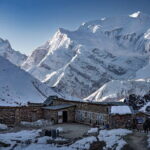
The trek continues with steep climbs and descents, passing through small villages and spectacular landscapes. The trail becomes more rugged, often snowy in the winter months, with breathtaking views of Ama Dablam and other giants. The stop at Chhukung is notable—it offers a chance to acclimate further and hike to Chhukung Ri for incredible vistas of the surrounding peaks.
Day 8-9: Lobuche to Pangboche via Ama Dablam Base Camp
Reaching Lobuche, you get closer to the heart of the mountains. The highlight here is traversing the Kongma La Pass, which, while physically demanding, delivers vistas that are hard to beat. The trail then descends to Pangboche, a charming Sherpa village with a famous monastery, and the Ama Dablam Base Camp, perched at 4,600 meters, is the trek’s crown jewel.
Day 10-12: Rest, Exploration, and Return
A rest day in Pangboche allows for acclimatization and exploration of the local culture. The trek back retraces your steps, passing through Namche and Lukla, with the chance to reflect on your climb and soak in the mountain scenery. The return flight from Lukla to Kathmandu wraps up this unforgettable adventure.
Logistics and Inclusions
The tour covers domestic flights from Kathmandu to Lukla, essential for saving time and avoiding tough overland travel. The price of $627 per person seems reasonable, considering the comprehensive package that includes all flights, airport taxes, accommodations in twin-share rooms, and all meals during the trek.
Accommodation shifts from basic lodges in small villages to more comfortable options in larger towns. The trek leader, a government-licensed English speaker from Wilder Way Trekking, ensures safety and local insights. The inclusion of porters helps ease the load, with a limit of 9 kg per person, making the physical effort more manageable.
What’s Not Included?
Travelers should budget separately for international flights and Nepal entry visas. Personal expenses like snacks, drinks, Wi-Fi, and extra gear are also out of the package, so packing wisely is essential.
The Trek Experience: What You’ll Feel and See
We loved the way the trek balances challenging terrain with awe-inspiring scenery. The steep rocky slopes, often blanketed with snow, test your endurance, but the views of Everest and Ama Dablam are worth every step. You’ll feel like an explorer when crossing the Kongma La Pass, with the icy wind and panoramic vistas.
The smaller villages along the trail offer authentic glimpses into Sherpa life. Staying in lodges, you’ll hear stories from guides and fellow trekkers about their adventures. The optional hikes, like to Chhukung Ri, bring you closer to the mountains and provide fantastic photo opportunities.
Wildlife and Nature
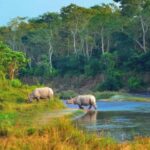
While sightings are rare, the possibility of seeing snow leopards, musk deer, wild yaks, and Himalayan black bears adds a sense of thrill and authenticity. The trek’s location within Sagarmatha National Park, a UNESCO World Heritage Site, ensures you’re walking through protected ecosystems teeming with mountain flora and fauna.
What We Liked and What to Consider
This trek excels in viewing Himalayan giants in a more tranquil setting than Everest Base Camp. The route’s ruggedness and high altitude mean it’s best suited for seasoned trekkers prepared for physical exertion. The included logistics make it easier, but the high elevation still demands good acclimatization and health.
Some reviewers mention the early start times and the need for careful packing, especially for cold weather and snowy conditions. The trek is also a good choice for those who appreciate remote, less touristy paths that allow for a more authentic experience.
Who Should Consider This Trek?
If you’re comfortable with moderate to strenuous hikes and want to see stunning mountain vistas in a less crowded environment, this trek is ideal. It’s perfect for those seeking adventure, culture, and a sense of accomplishment.
However, it’s not suitable for children under 10, pregnant women, or those with altitude sickness concerns, given the high elevations involved. It’s also recommended for travelers who can handle the physical demands of crossing high passes like Kongma La.
The Sum Up
The Ama Dablam Base Camp Trek offers a genuine mountain adventure that combines challenging terrain, stunning scenery, and cultural richness. The rugged trail and high-altitude passes provide a sense of achievement, while the spectacular views of peaks like Everest and Ama Dablam make every effort worthwhile. The inclusion of comfortable logistics and guided support means you can focus on the experience without worrying about the details.
For seasoned trekkers looking for a less crowded, authentic Himalayan trek packed with breathtaking landscapes and cultural encounters, this route is hard to beat. It’s a chance to see some of the most iconic peaks from a truly rewarding perspective—at a reasonable price that covers all the essentials.
If you’re prepared for the physical challenge and crave an adventure that’s both demanding and deeply rewarding, the Ama Dablam Base Camp Trek should be on your list.
From Kathmandu: Ama Dablam Base Camp Trek
FAQ
Is this trek suitable for beginners?
No, this trek is best suited for experienced trekkers because of its strenuous terrain and high-altitude passes.
What is included in the price?
The $627 price covers domestic flights, airport taxes, accommodations in twin rooms, all meals during the trek, a government-licensed guide, porters, and necessary trek equipment.
What is not included in the price?
International flights, Nepal visas, personal expenses (like drinks, Wi-Fi, and souvenirs), extra nights in Kathmandu, and personal gear are extra.
How many nights will I spend in Kathmandu?
The tour includes 12 nights on the trek; accommodation in Kathmandu before and after the trek is not included and needs to be booked separately.
Are there any age restrictions?
Yes, the trek is not suitable for children under 10, pregnant women, or those over 70 or 95 years old.
What should I bring for the trek?
Warm clothing, a sleeping bag, trekking gear, and appropriate footwear are recommended. The weather can be cold, especially at higher elevations, so packing layers is key.
This detailed overview aims to give you a clear picture of what the Ama Dablam Base Camp Trek entails and whether it suits your travel style. With the right preparation, this adventure promises stunning mountain views, cultural richness, and a sense of true exploration.
You can check availability for your dates here: