If you’re considering hiking Nepal’s famous Annapurna Circuit, this 15-day guided trek promises a challenging yet rewarding experience, with plenty of jaw-dropping scenery and cultural encounters along the way. The tour is ideal for those with some trekking experience and good physical fitness, ready to tackle high passes and diverse terrain.
What we love about this trek? First, the stunning mountain vistas—from Annapurna I to Dhaulagiri—are genuinely awe-inspiring. Second, the chance to experience the local Gurung and Tibetan cultures adds a fascinating layer to the journey. On the flip side, it’s a strenuous route that demands acclimatization, preparation, and a strong stomach for altitude.
If you’re looking for an adventure that combines natural beauty, culture, and physical challenge, this trek is a solid choice.
It’s best suited for adventurous travelers seeking a true Nepalese mountain experience and willing to invest some time and effort into the journey. If you’re after a luxurious holiday or travel with limited mobility, this might not be the right fit.
- Key Points
- Setting the Scene: Why Choose the Annapurna Circuit?
- The Itinerary: A Day-by-Day Breakdown
- What Makes This Tour Special?
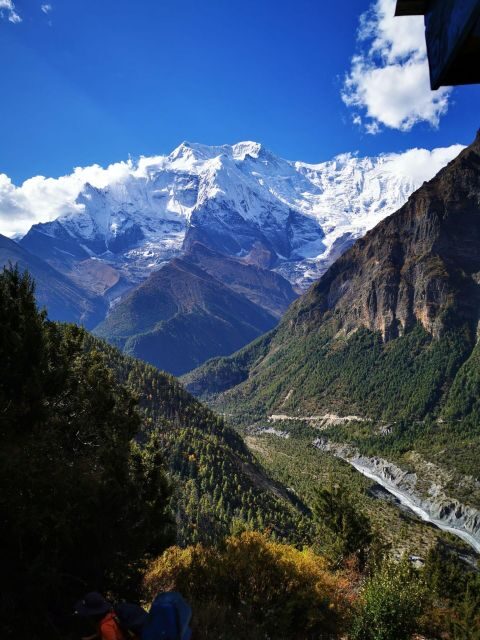
- Breathtaking Mountain Vistas
- Rich Cultural Encounters
- Diverse Landscapes and Ecosystems
- Guided Support and Logistics
- Practical Considerations: What to Expect
- Physical Demands and Altitude
- Weather and Best Time to Go
- Cost and Value
- Accommodations and Meals
- Authentic Experiences and Traveler Insights
- Final Thoughts: Who Should Consider This Trek?
- The Sum Up
- FAQ
- More Hiking & Trekking Tours in Muktinath
- More Tour Reviews in Muktinath
Key Points
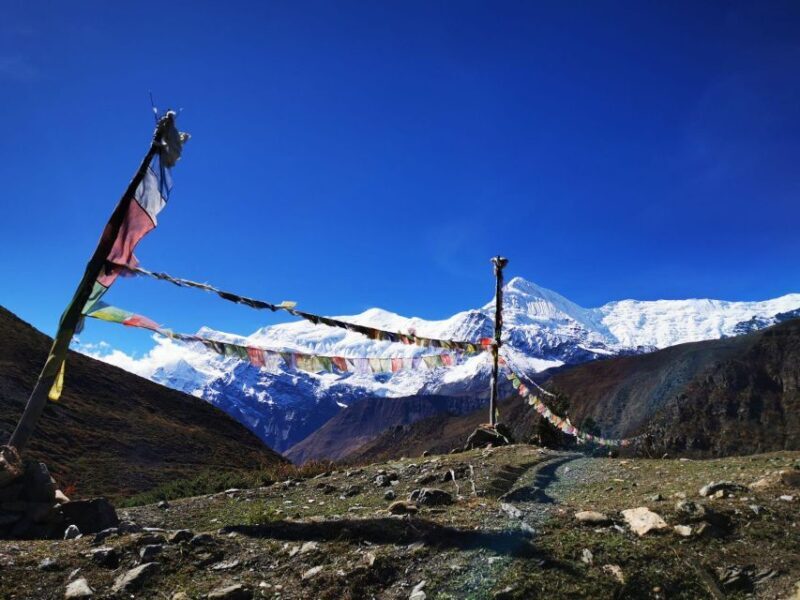
- Epic scenery and mountain views: Experience views of Annapurna, Dhaulagiri, Machapuchare, and more.
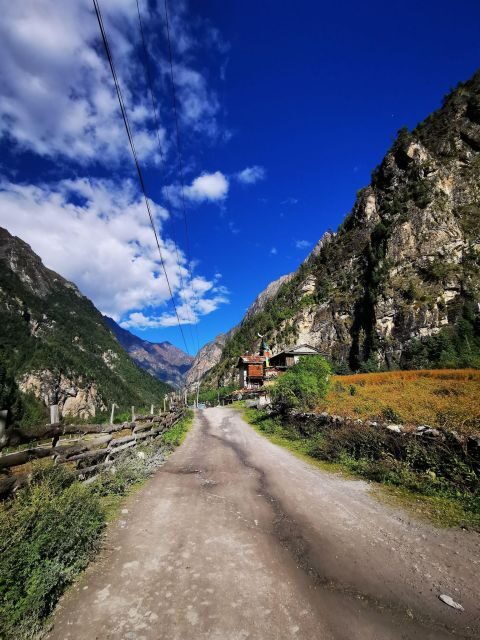
- Diverse landscapes: From lush rhododendron forests to arid high-altitude terrain.
- Cultural encounters: Discover the Gurung and Tibetan influences in remote villages.
- Challenging but rewarding: Requires good fitness and acclimatization, with high passes like Throng-la at 5,416 meters.
- All-inclusive value: Guided tour with permits, gear, and accommodations included.
- Flexible booking: Reserve with the option to pay later, cancel up to 24 hours in advance.
Setting the Scene: Why Choose the Annapurna Circuit?
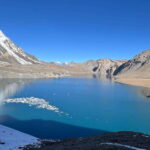
The Annapurna Circuit ranks among the world’s most celebrated trekking routes—and for good reason. Its epic length takes trekkers through a tapestry of landscapes that change dramatically every day. You’ll start amidst green terraced fields and rhododendron forests, then climb into high-altitude wilderness, culminating at 5,416 meters on the Thorong La pass. Along the way, you’ll encounter a variety of cultures, from Gurung villages to Tibetan-influenced towns.
This trek offers an immersive experience in Nepal’s diverse mountain environments, with the stunning Himalayas always looming overhead. While the route does involve some strenuous ascents and descents, the views and cultural richness make every step worthwhile.
You can also read our reviews of more hiking tours in Muktinath
The Itinerary: A Day-by-Day Breakdown
Day 1: Arrival in Kathmandu — You’ll start with a transfer from the airport to your hotel, giving you a chance to settle in and prepare for the adventure ahead.
Day 2: Kathmandu sightseeing — A day to explore the city’s highlights, get your trekking permits, and organize gear. It’s also an excellent way to understand Nepal’s bustling capital before heading into the mountains.
Day 3: Drive to Besishahar — An 8-hour bus ride takes you from Kathmandu into the Annapurna region. The journey itself offers glimpses of rural life and mountain scenery, setting the tone for the trek.
Day 4: Syange to Dharapani (1,960m) — About 7-8 hours walking through lush forests and terraced fields, passing charming villages.
Day 5: Dharapani to Chame (2,710m) — A shorter 5-6 hour trek; Chame is known as the administrative center of the Manang district, and its pine forests make a pleasant stop.
Day 6: Chame to Pisang (3,300m) — Elevation gain with spectacular mountain views opening up. The trail offers dramatic vistas of Annapurna II and III.
Day 7: Pisang to Manang — Six to seven hours of walking into this vibrant village, a key acclimatization point.
Day 8: Rest day in Manang — Critical for adjusting to high altitude and exploring local culture.
Day 9: Manang to Yak Kharka — A three to four-hour walk, ascending to 4,110 meters, with views of snow-capped peaks.
Day 10: Yak Kharka to Thorong Phedi — About 3-4 hours, heading closer to the high pass with anticipation building.
Day 11: Thorong Phedi to Muktinath via Thorong La (5,416m) — The big day: an early start to cross the pass, which offers some of the most impressive mountain scenery and a sense of accomplishment. Expect 7-8 hours of challenging hiking.
Day 12: Muktinath to Jomsom (2,715m) — A five-hour walk down into a dry, windy valley.
Day 13: Jomsom to Pokhara — A scenic drive or flight; many prefer the bus for the experience, though the flight offers quicker, more comfortable travel.
Day 14: Return to Kathmandu — Either by road or flight, giving you free time to relax or explore.
Day 15: Departure — Flights or transfers to home.
What Makes This Tour Special?
Breathtaking Mountain Vistas
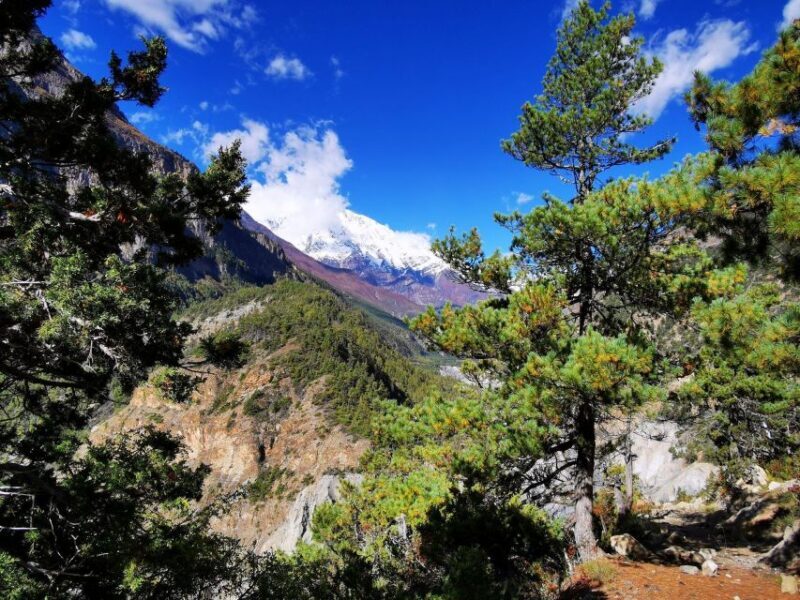
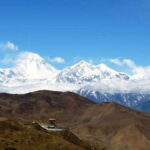
The trek features jaw-dropping views of some of the world’s tallest peaks, including Annapurna I, Dhaulagiri, Machapuchare, Gangapurna, and Nilgiri. To stand on the Thorong La pass at 5,416 meters and gaze at the Himalayan giants is an unforgettable moment. It’s a chance to see mountains that seem to stretch forever, with the changing light making every hour unique.
More Great Tours NearbyRich Cultural Encounters
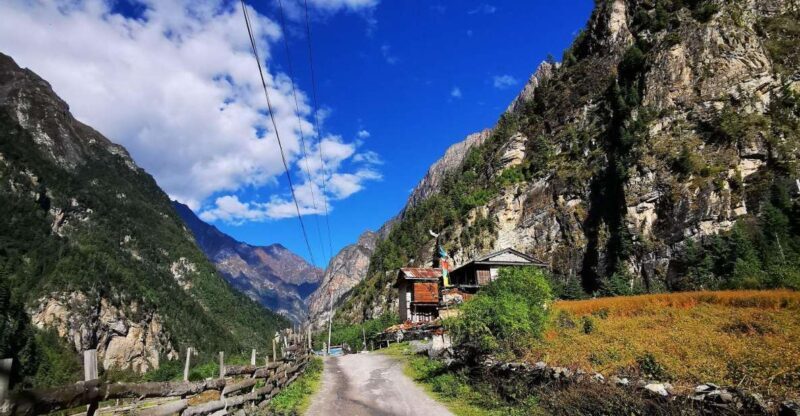
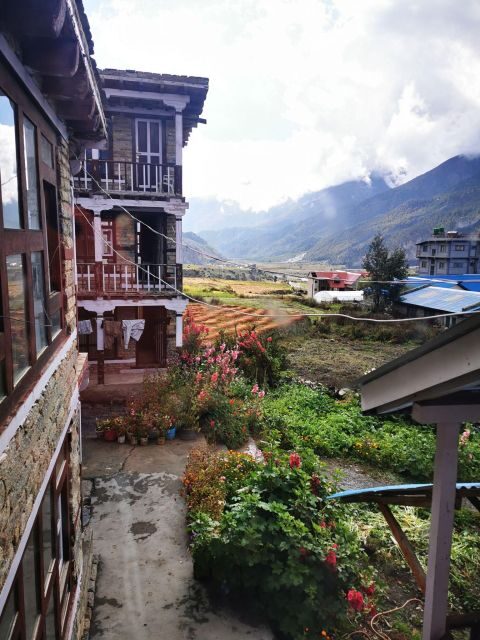
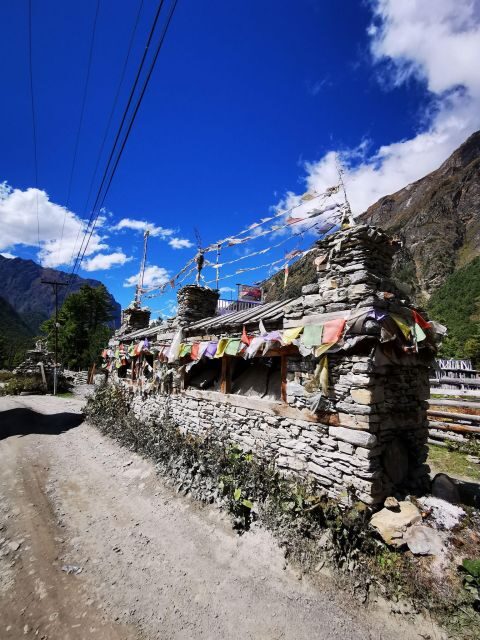
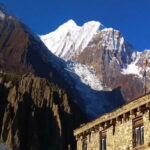
Along the way, you’ll pass through villages inhabited by Gurung, Tibetan, and other mountain communities. These cultures are visible in the architecture, local festivals, and daily routines. Many travelers appreciate the opportunity to learn about local traditions, cuisine, and ways of life that have persisted despite modern influences.
Diverse Landscapes and Ecosystems
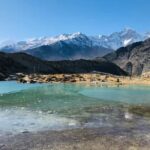
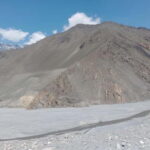
From the lush greenery of rhododendron forests to the stark, arid high-altitude terrain, the route offers a visual feast. The transition from the subtropical lower villages to the icy heights provides a clear picture of how varied Nepal’s environment can be within a relatively short distance.
Guided Support and Logistics
Having a licensed, English-speaking guide makes a big difference in navigating permits, local customs, and altitude management. The tour includes all necessary permits and gear, such as down jackets and sleeping bags, which simplifies planning and packing. The group size is private, allowing for more personalized attention.
Practical Considerations: What to Expect
Physical Demands and Altitude
This trek is considered strenuous, with long days and high elevations. The route involves walking 6-8 hours most days, often on uneven terrain, with significant ascents and descents. The famous Throng-la pass (5,416 meters) demands good physical condition and acclimatization days. Multiple reviews highlighted the importance of taking it slow and drinking plenty of water to avoid altitude sickness.
Weather and Best Time to Go
The trek is best done between March to June and September to November. During these windows, weather conditions are generally stable, with clearer skies and milder temperatures. Rain and snow can complicate travel during other times, making the route more challenging or dangerous.
Cost and Value
At $723 per person, this tour offers an attractive balance of guided support, permits, and gear. When you consider the included services—private transport, permits, gear, and accommodations—the value is quite reasonable for such an iconic trek. It’s not cheap, but the convenience and support justify the price, especially for those new to high-altitude trekking.
Accommodations and Meals
During the trek, you’ll stay in twin-sharing lodges that are basic but comfortable enough to rest after each day’s walk. Meals are not included, but the lodge menus typically offer hearty Nepali dishes, such as dal bhat, with options for vegetarians. Travelers often note that the food quality varies but generally meets expectations for sustenance.
Authentic Experiences and Traveler Insights
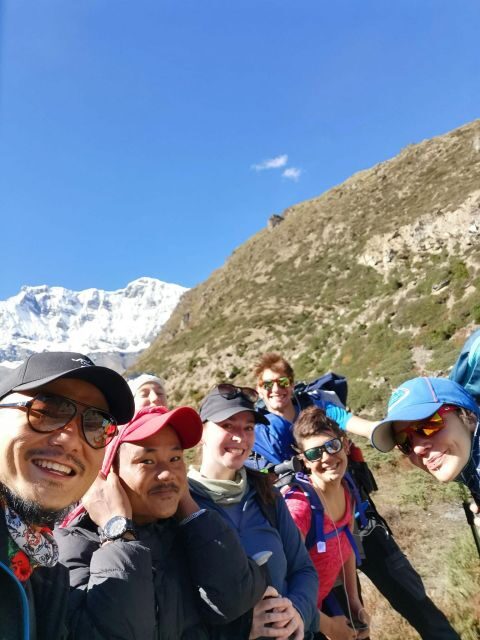
Many past trekkers mention the knowledgeable guides as a highlight—“We loved the way our guide explained local customs and mountain geography,” said one reviewer. Others appreciated the stunning views, emphasizing how pictures don’t do justice to the grandeur of the Himalayas.
A common observation is that the trek is a test of endurance, but the sense of achievement and the sense of being immersed in Nepalese mountain life makes it all worthwhile. The cultural insights, combined with the physical challenge, result in a memorable adventure.
Final Thoughts: Who Should Consider This Trek?
This 15-day Annapurna Circuit trek is a solid choice for adventurous travelers with some trekking experience and good fitness levels. It’s perfect for those seeking a challenging journey with rewarding scenery and cultural encounters. If you’re looking for a less demanding or more luxurious experience, this might not suit you.
The tour offers excellent value, considering the inclusions and the scope of the experience. Whether you’re after a spiritual connection with the mountains, a physical challenge, or a chance to see remote Himalayan villages, this trek delivers. Just be prepared for the altitude and the physical effort involved.
The Sum Up
The Annapurna Circuit is more than just a hike; it’s an immersion into some of the most breathtaking mountain scenery and authentic local cultures Nepal has to offer. For travelers prepared to endure a bit of physical strain and altitude, this trip promises unforgettable vistas, personal achievement, and a deeper understanding of mountain life.
The guided approach, with experienced guides and well-organized logistics, makes it accessible for those who want to focus on the experience rather than logistics. The combination of natural beauty, cultural richness, and the sense of standing on a high Himalayan pass makes this tour a bucket-list adventure for seasoned trekkers.
While it’s strenuous, the views, the sense of accomplishment, and the cultural insights make it well worth the effort. If you’re ready for a journey that pushes your limits but also offers the chance to witness some of the world’s most stunning mountain landscapes, this trek is hard to beat.
From Kathmandu: Annapurna Circuit Trek 15 Days
FAQ
Is this trek suitable for beginners?
No, this trek is quite strenuous and requires good physical fitness and some trekking experience. It involves high passes and long days of walking.
What is included in the tour price?
The price covers airport transfers, an English-speaking licensed guide, permits, gear like down jackets and sleeping bags, accommodations, and bus transfer from Jomsom to Pokhara.
Are meals included?
No, meals (breakfast, lunch, dinner) are not included, but local lodge menus offer options. Many travelers find the food hearty, if simple, and worth the extra cost.
What are the best months to do this trek?
The most popular times are March to June and September to November, when the weather tends to be clearer and temperatures milder.
How high does the trek go?
The highest point is Thorong La pass at 5,416 meters. Proper acclimatization is essential to avoid altitude sickness.
What gear should I bring?
Warm clothing, rain gear, snow clothing, trekking shoes, a passport-sized photo, and personal medication. The tour provides some gear, but personal essentials are also important.
Can I do this trek if I get altitude sickness?
Altitude sickness varies by individual, so listen to your body. The itinerary includes acclimatization days, and guides are experienced in handling altitude issues.
What kind of accommodations are available during the trek?
Basic lodges with twin-sharing rooms, offering a comfortable place to rest after long days of trekking.
Is this a private group tour?
Yes, it is arranged as a private group, allowing for personalized attention and flexibility.
Can I cancel or reschedule?
Yes, you can cancel up to 24 hours in advance for a full refund. You can also reserve now and pay later, giving you flexibility in planning your adventure.