Planning a trek in Nepal can be as overwhelming as it is exciting. This particular 8-day guided journey through the Lower Manaslu region offers a compelling mix of cultural discovery, breathtaking scenery, and manageable trekking days. It’s especially appealing if you want to experience the Himalayas without the crowds of the more popular routes like Annapurna or Everest.
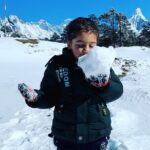
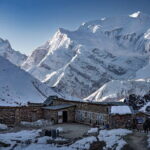
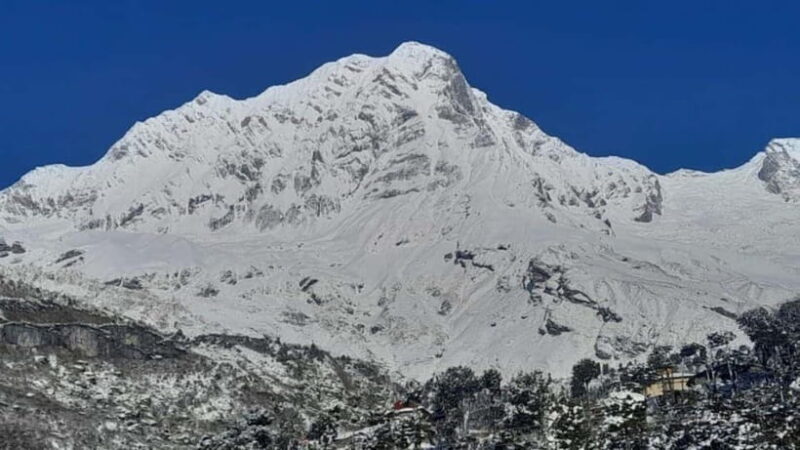
What we love about this trek is how it balances spectacular mountain views with authentic village life and spiritual sites. You’ll get to see ancient monasteries and shrines along the trail, and interact with local Gurung and Tamang communities—giving you a taste of traditional Nepalese village life. The scenery is stunning, with views of Mt. Manaslu and other snow-capped peaks.
Plus, the trek is designed for those who want a manageable challenge, with comfortable accommodations in tea houses and lodges.
One thing to keep in mind: this trek is physically demanding and requires a good fitness level, so it isn’t for everyone. If you’re looking for a luxurious, pampered experience, this might not be the route for you—basic accommodations and simple meals are part of the charm, but they’re not plush.
This tour is ideal for adventurous travelers who appreciate authentic Himalayan culture, want to avoid crowds, and are prepared for some moderate physical activity. It’s a genuine Nepalese trek with a focus on natural beauty and local life, rather than tourist-heavy spots.
- Key Points
- Exploring the Route: A Closer Look at the Trek
- Cultural and Spiritual Highlights
- Accommodation & Meals
- The Final Stretch and Return
- Is This Trek Worth the Price?
- Practical Tips for the Trekker
- The Sum Up
- FAQ
- More Hiking & Trekking Tours in Kathmandu
- More Guided Tours in Kathmandu
- More Tour Reviews in Kathmandu
Key Points
 1 / 4
 2 / 4
 3 / 4
 4 / 4
- Cultural richness: Experience Gurung and Tamang villages, ancient monasteries, and spiritual sites.
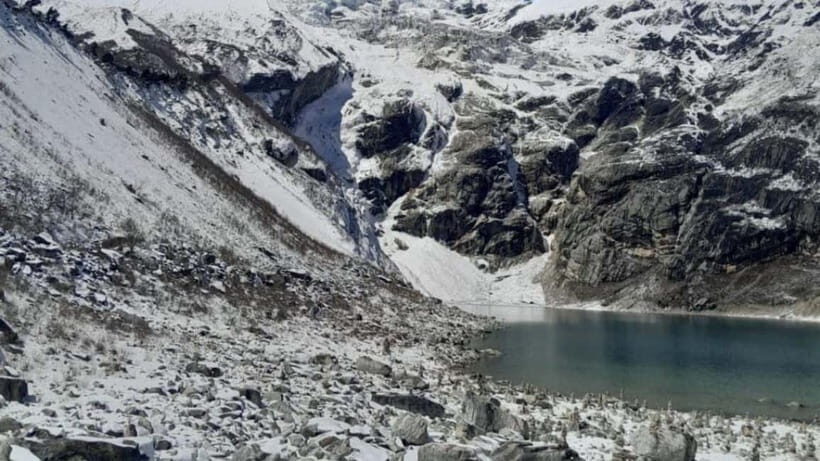
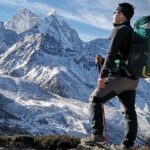
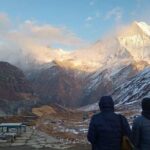
- Stunning scenery: Panoramic views of Mt. Manaslu and neighboring snow-capped peaks.
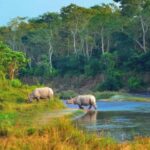
- Wildlife spotting: Look out for Himalayan Langurs, Musk Deer, and Himalayan Monals.
- Tranquil experience: Less crowded than other trekking routes, offering peaceful mountain scenery.
- Authentic accommodation: Stay in simple but comfortable teahouses and lodges along the trail.
- Active but manageable: Designed for those with good fitness who want a moderate challenge.
Exploring the Route: A Closer Look at the Trek
Starting from Kathmandu, the journey to Gorkha Bazaar is part of the adventure. The drive takes you out of the city’s chaos and into more rural, scenic surroundings. Once at Gorkha, your trek begins along an ancient route that’s been used by locals for generations. Expect to travel through villages like Sirandanda, Barpak, Laprak, and Nambai Kharka, each offering unique glimpses into mountain life.
What makes these villages special? Many of them still retain their traditional architecture and customs. In Barpak, for example, you’ll find a village that was a key staging point during Nepal’s 2015 earthquake recovery, which adds a layer of resilience and history to your visit.
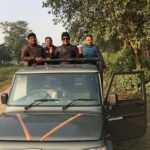
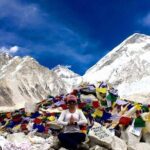
The most striking part of the trek is the chance to spot wildlife. From the trail, sightings of Himalayan Monals—the national bird of Nepal—are common, and you might also see Himalayan Langurs, Musk Deer, or Barking Deer along the way. The forests in spring burst into color with blooming rhododendrons, making for some truly memorable photographs.
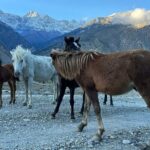
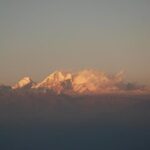
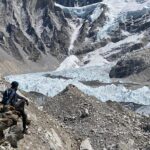
As you ascend, the landscape transforms from lush forests into rugged terrain and alpine meadows. The crisp mountain air and expansive views provide ample opportunities for awe-inspiring photos. The trail includes stone-paved paths and wooden bridges crossing mountain streams, adding a rustic charm to each walk.
You can also read our reviews of more guided tours in Kathmandu
Cultural and Spiritual Highlights
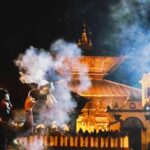
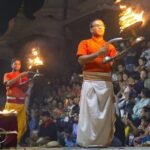
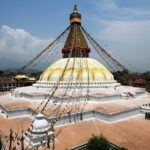
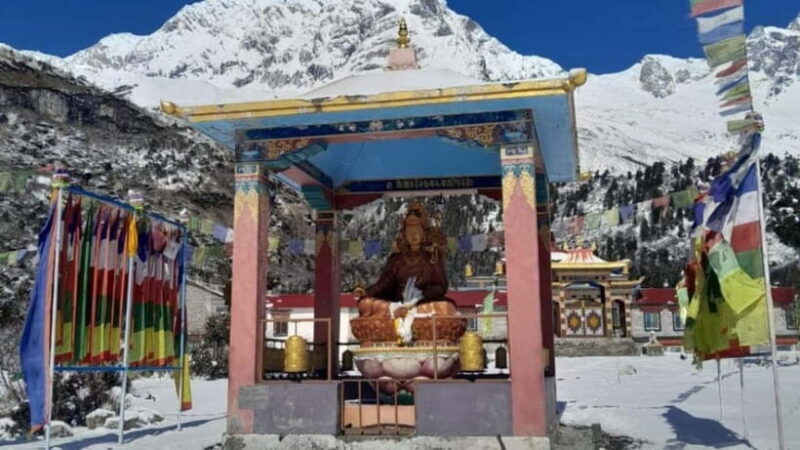
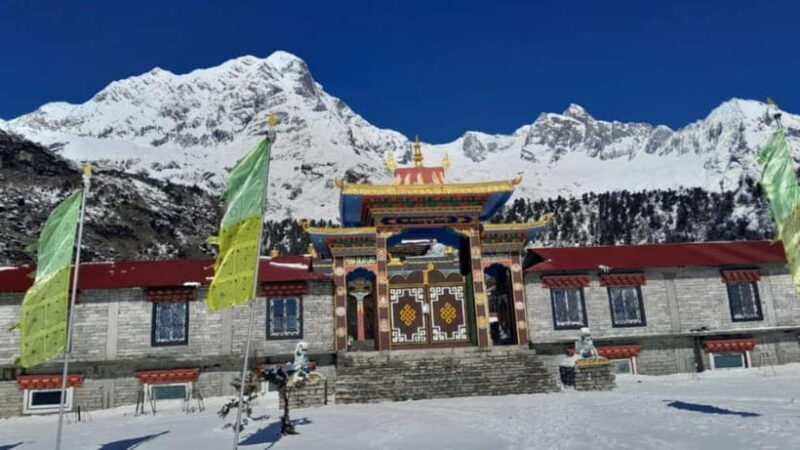
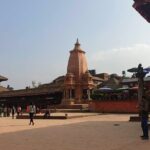
The trek is dotted with monasteries, shrines, and prayer flags that serve as windows into the spiritual life of the region. Visiting these sacred sites offers a peaceful retreat from physical exertion and a chance to connect with local faith practices. Many travelers find these moments deeply meaningful, providing a sense of serenity amid the rugged landscape.
Accommodation & Meals
Staying in tea houses and lodges keeps the atmosphere authentic and social. These are basic but well-maintained, with simple beds, communal spaces, and local hospitality. The meals are generally hearty, with Dal Bhat, noodles, and local dishes served in the teahouses. The inclusion of all meals during the trek offers convenience and helps you stay energized for each day’s walk.
The Final Stretch and Return
The trek concludes with a scenic drive back to Kathmandu, allowing you to reflect on the journey and enjoy Nepal’s countryside from a different perspective. This part of the trip is generally relaxing, and the roads offer incredible views of the surrounding mountains.
More Great Tours NearbyIs This Trek Worth the Price?
At $795 per group (up to 20 participants), the value for what’s included is quite good. The price covers permits, transportation, guides, porters, and accommodation in basic lodges—an all-in package that simplifies planning. While the accommodations are modest, they are adequate and add to the authentic experience. The guide’s assistance, cultural insights, and logistical support ensure you won’t feel lost or overwhelmed.
For many travelers, the price reflects a fair exchange for the opportunity to see a less-traveled part of Nepal, with included safety and support. If you’re budget-conscious but still want a meaningful Himalayan adventure, this offers excellent value.
You can also read our reviews of more hiking tours in Kathmandu
Practical Tips for the Trekker
- Be prepared for physically demanding days; good fitness helps.
- Pack warm clothing, especially for mornings and evenings in higher altitudes.
- Bring comfortable hiking shoes and weather-appropriate gear.
- Carry snacks and a reusable water bottle; water is often available for refilling.
- Make sure your travel insurance covers mountain activities.
- Keep in mind that accommodation is in basic lodges, so pack accordingly.
- Consider the best seasons—Spring and Autumn—for stable weather and pleasant trekking conditions.
The Sum Up
This Lower Manaslu trek offers a rare glimpse into Nepal’s mountainous heartland. It’s perfect for those who want to combine stunning mountain panoramas with cultural encounters in quieter villages. The route rewards travelers with beautiful landscapes, local hospitality, and a sense of adventure away from overly commercialized routes.
While it demands a decent level of fitness, it isn’t a technical climb—just a steady walk through some of Nepal’s most scenic and culturally rich areas. The focus on authentic experiences, wildlife, and peaceful vistas makes it a compelling choice for travelers seeking both adventure and genuine connection.
If your goal is a less crowded, affordable, and truly immersive Himalayan trek, the Lower Manaslu route is worth serious consideration.
From Kathmandu: Lower Manaslu Guided 8-Day Trek
FAQ
Do I need a special permit to do this trek?
Yes. The tour includes the MCAP Permit (Manaslu Conservation Area Permit) and a TIMS card for foreign nationals, which are necessary for trekking in this protected region.
What is included in the price?
The fee covers transportation, guides, porters, permits, accommodation in basic lodges, and all meals during the trek. It also covers local taxes and service charges.
What’s not included?
You’ll need to cover visa fees, international flights, personal expenses like snacks or souvenirs, travel insurance, and optional activities outside the scheduled itinerary.
Is this trek suitable for beginners?
It’s best suited for those with a good level of fitness. While not technically difficult, the physical demand and altitude require preparation. It’s not recommended for people with mobility issues or significant health concerns.
When is the best time to do this trek?
Spring and autumn are ideal, offering stable weather and good trail conditions. Monsoon season (summer) can bring heavy rain, and winter can be very cold at higher elevations.
How comfortable are the accommodations?
They are basic but clean and reflect traditional Nepalese style, with simple beds and communal dining. Donors looking for luxury will be disappointed, but most find the experience cozy and authentic.
Can I customize the trip?
Since this is a guided group tour, customizations are limited. However, you can generally book as a private group or inquire about adding extra days or activities through the provider.