- Introduction
- Key Points
- An Overview of the Experience
- Itinerary Breakdown
- Day 1: Marrakech to Imlil and Tamsoult Waterfalls
- Day 2: From Refuge to the Summit Base
- Day 3: The Ascent to Toubkal’s Summit
- What to Expect from the Support and Logistics
- Altitude and Safety
- The Experience: Pros and Cons
- What Travelers Love
- Potential Drawbacks
- Who Is This Tour Best For?
- FAQ
- Final Thoughts
- The Best Of Marrakesh!
- More 3-Day Experiences in Marrakesh
- More Hiking & Trekking Tours in Marrakesh
- More Tour Reviews in Marrakesh
Introduction
 1 / 9
 2 / 9
 3 / 9
 4 / 9
 5 / 9
 6 / 9
 7 / 9
 8 / 9
 9 / 9
If you’re dreaming of climbing North Africa’s highest peak, this 3-day trek from Marrakech offers a fantastic opportunity to do so with guides who know the terrain well. It’s perfect for those seeking a moderate challenge with plenty of stunning scenery and culture along the way.
We especially love how accessible this experience is — it’s designed for people with some hiking experience but not necessarily technical mountaineering skills. Plus, the delicious Moroccan food and authentic villages make the journey as enjoyable as the summit.
However, keep in mind that the altitude and physical demands can be tough, so a reasonable level of fitness and preparation are essential. This trek suits travelers who want an authentic mountain adventure without overcomplicating things with technical climbing or equipment.
You can check availability for your dates here:
👉 See our pick of the We Rank Marrakesh’s 16 Top Tours & Things To Do
Key Points
- Accessible for moderate hikers with some experience, not technical climbing
- Authentic Berber villages and waterfalls enrich the cultural experience
- Guides and support staff are praised for their professionalism and friendliness
- Good value for money considering transport, food, guides, and accommodation
- Expect early mornings and altitude adjustments; proper gear and preparation matter
- Stunning views from the summit reward your efforts with 360° panoramas
You can also read our reviews of more hiking tours in Marrakesh
An Overview of the Experience
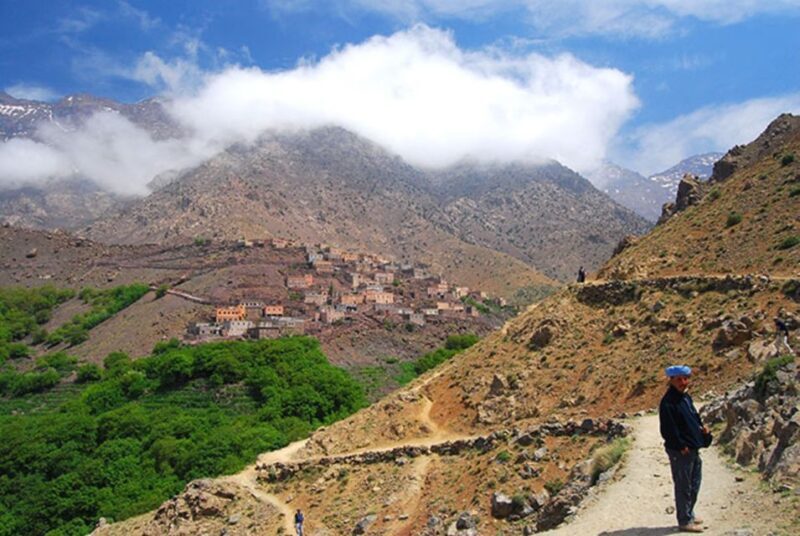
This 3-day trek offers a well-rounded adventure, combining scenic hikes, cultural exploration, and the achievement of reaching North Africa’s highest point. From the moment you leave Marrakech, you’re immersed in the rugged beauty of the High Atlas Mountains. The route is thoughtfully designed to help you acclimate gradually, making the summit push safer and more enjoyable.
You’ll love the way this trek balances physical challenge with authentic cultural encounters. Most travelers report feeling well-supported by guides who are experienced and attentive, which helps lift the often steep spirits when the trail gets tough.
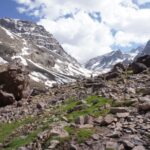
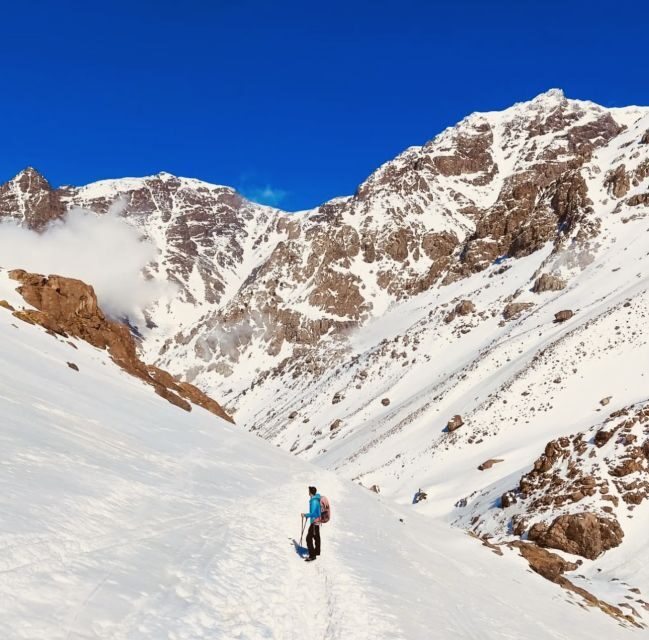
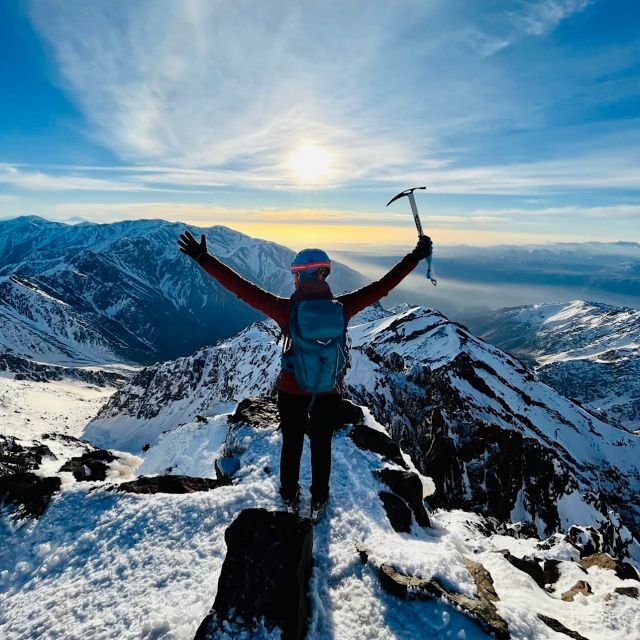
The main attraction, of course, is Mount Toubkal (4,167m). Reaching the summit offers breathtaking 360-degree views, where on clear days, you can see as far as the Sahara Desert. While the ascent isn’t overly technical, it does require a decent level of fitness and an understanding of altitude effects.
Itinerary Breakdown
Day 1: Marrakech to Imlil and Tamsoult Waterfalls
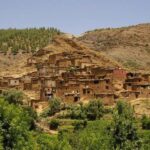
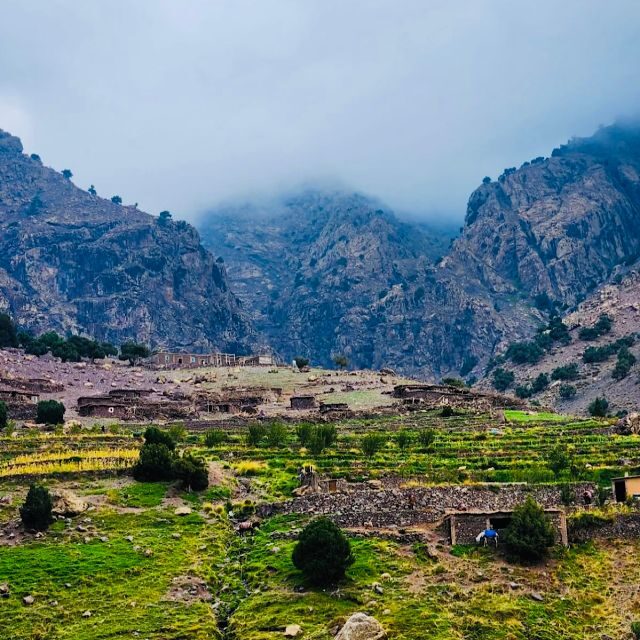
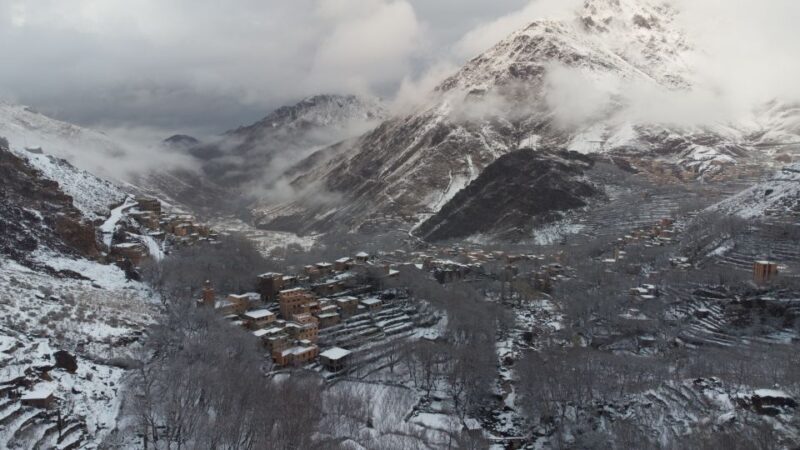
The adventure begins early with a transfer from Marrakech, passing through picturesque Berber villages along the way. We love how the drive unfolds — the scenery is dotted with terraced fields, rugged mountains, and traditional villages that feel worlds away from the city hustle.
Once in Imlil (about 65 km from Marrakech), your guide introduces the team, and you set out on your trek. The first push is over the Tizi Mzik Pass (2,479m), offering sweeping views of the valley below and the surrounding peaks. It’s a great warm-up hike that helps your body start adjusting to higher elevations.
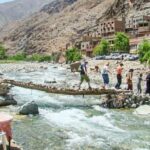
The highlight of this day is passing through a juniper forest and visiting the impressive Tamsoult Waterfalls (100 meters high). Many reviews mention how stunning and peaceful this stop is — a perfect spot for photos and a moment to soak in the mountain atmosphere. The day ends at the Tamsoult Refuge (2,550m), where you’ll overnight in basic but cozy accommodations.
Travel time and distance: about 11 km, +800m elevation gain, with gentle walking for 5-6 hours.
More Great Tours NearbyDay 2: From Refuge to the Summit Base
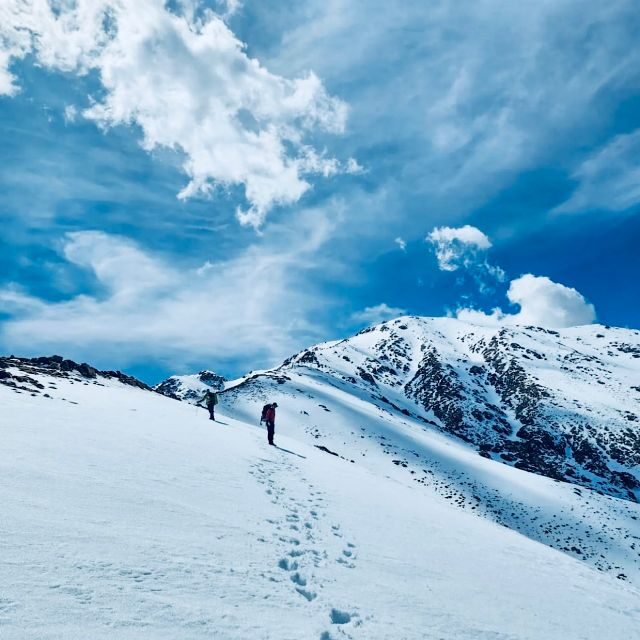
After breakfast, you’ll start the day with a steady ascent towards the Aguelzim Pass (3,650m). This is the most significant altitude gain of the trip and a crucial part of acclimatization — many reviewers emphasize the importance of pacing and hydration.
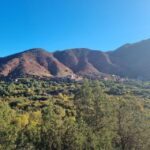
We loved the way this trail offers increasingly dramatic scenery, with each step higher revealing more expansive views of the surrounding mountains. Reaching the pass is a mental and physical milestone, and you’re rewarded with impressive vistas of Toubkal’s summit.
From there, you’ll descend slightly to the Toubkal Refuge (3,207m), your base for the next day’s summit attempt. The walk is about 10 km, and most reviews mention how well the team prepares you for the next day’s early start.
Travel time: approximately 6-6.5 hours, with +1200m elevation gain and descent.
You can also read our reviews of more tours and experiences in Marrakesh
Day 3: The Ascent to Toubkal’s Summit
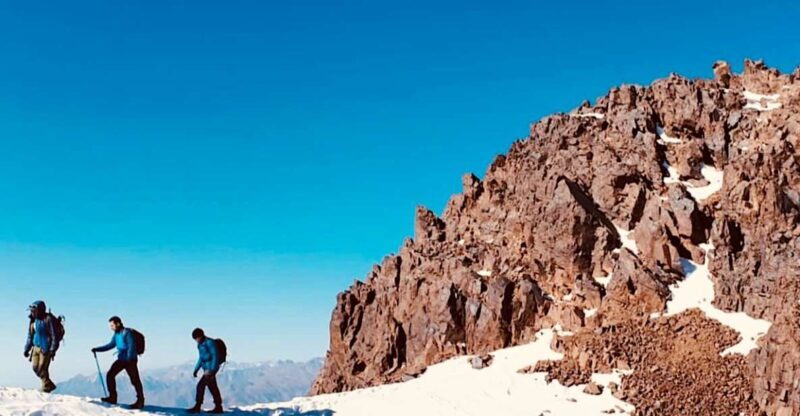
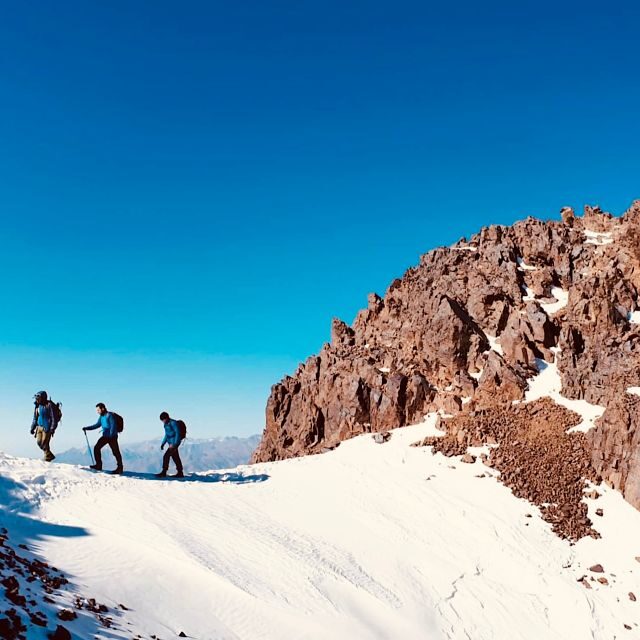
Bright and early, before dawn, you’ll set off for the final push to the summit — a challenging but rewarding climb. Expect the ascent to start around 3:30 a.m. — yes, that’s before sunrise, but it’s worth it for the spectacular views and the chance to see the mountain in a magical light.
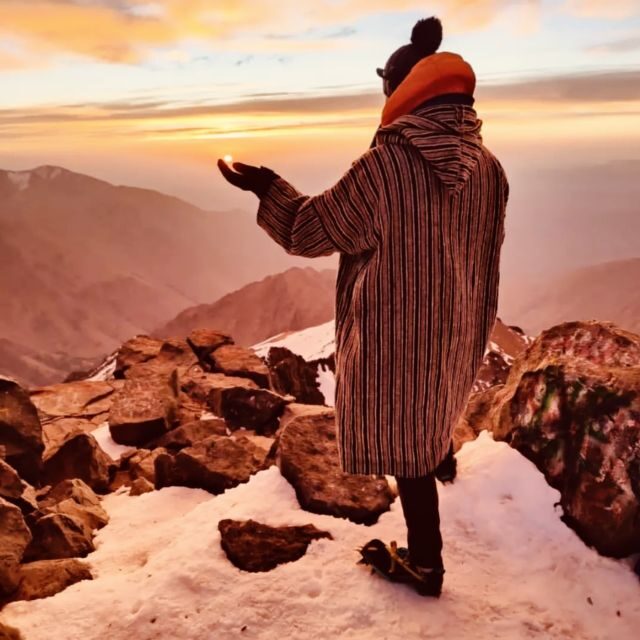
Reaching the summit (4,167m) offers panoramic vistas that stretch from the rugged High Atlas to the distant Sahara. Several reviewers describe the moment as “unforgettable,” and the sense of achievement is palpable.
After a short celebration, you descend back to the refuge for a quick rest and meal before walking back down to Imlil and then returning to Marrakech in the late afternoon.
Total walking distance on summit day: about 8 km, with +980m ascent and over 2,500m descent.
What to Expect from the Support and Logistics
Guides and support staff are consistently praised for their professionalism, friendliness, and local knowledge. Many reviews highlight guides like Mustafa, Youssef, and Ibrahim, who are attentive to the group’s pace and well-versed in mountain safety, including altitude sickness prevention.
Transportation from Marrakech is included, making logistics straightforward. The transfer is comfortable, and muleteers handle luggage, so your backpack stays light during the hikes. The accommodations are basic but functional, with chances to enjoy local hospitality and hearty Moroccan meals.
Food plays a surprisingly big role in making this trip memorable. Most reviewers rave about the delicious tajines, hot mountain lunches, and plentiful dinners. Muleteers and cooks go out of their way to keep everyone well-fed, which fuels the effort on the trail.
Accommodation at the refuges is simple but clean, often with bunk beds and communal spaces. Hot showers are available at some points, though not always free, so bring some patience and a sense of adventure.
Altitude and Safety
The trip’s design emphasizes gradual acclimatization, with overnight stays at higher altitudes to help prevent altitude sickness. Hydration is stressed, with many guides encouraging drinking at least 3 liters of water daily.
According to reviews, guides are trained to recognize symptoms of altitude sickness and are prepared for emergencies, with mule support ready for evacuation if needed. The itinerary is paced carefully, which many participants appreciate — it’s not a race, but a personal challenge.
The Experience: Pros and Cons
What Travelers Love
- Knowledgeable guides who make the experience safe and fun.
- Stunning views on the summit and throughout the trek.
- Authentic Berber villages and waterfalls that add cultural depth.
- Good value considering transport, food, guides, and accommodation.
- Delicious and plentiful meals that keep everyone energized.
Potential Drawbacks
- The early mornings can be tough, especially for those who aren’t used to waking up before dawn.
- Accommodations, especially at the refuges, are basic, and some travelers mention cold temperatures and minimal facilities.
- The altitude can be challenging, so proper gear, hydration, and pacing are critical.
- For those with limited fitness, the ascents and descents might be strenuous, but the support from guides and muleteers helps.
Who Is This Tour Best For?
This trekking experience is ideal for moderately fit travelers who enjoy hiking and are looking for an authentic Moroccan mountain adventure. It’s perfect if you want a non-technical ascent that rewards you with incredible views and cultural encounters.
It suits those who appreciate good food, friendly guides, and scenic landscapes, and who are prepared for some early mornings and basic mountain accommodations. Not suitable for children under 2, pregnant women, or those with certain health issues, but otherwise, it’s a manageable yet memorable challenge for most.
FAQ
How difficult is the trek?
While it’s not technical climbing, the elevation gain and altitude make it physically demanding. Most reviews suggest a reasonable fitness level and good pacing make it manageable.
What should I bring?
Pack hiking shoes, warm clothing, a rain jacket, a camera, and essentials like a headlamp, hat, and sun protection. A sleeping bag is recommended for the refuges, and bring cash for hot showers and extra snacks.
Are meals provided?
Yes, most meals — breakfast, lunch, and dinner — are included and are highly praised for their taste and freshness. The muleteers prepare hearty Moroccan dishes like tajines.
Is the accommodation comfortable?
It’s basic — bunk beds and communal spaces. Some reviews mention it being cold or having limited facilities, but overall, it’s considered a fair trade-off for the mountain experience.
What’s the weather like?
Weather can vary from warm during the day to cold at higher altitudes, especially in the mornings. Be prepared for temperature swings and possible rain.
How is the support on the trail?
Guides are experienced and attentive, with a focus on safety and acclimatization. Mules carry luggage, and support is always nearby in case of emergencies.
Can I do this trek if I have little hiking experience?
It’s best suited for those with some hiking background. The steep passes and altitude require a reasonable fitness level, but non-technical skills are sufficient.
What if I don’t reach the summit?
Many reviews note that guides are flexible and supportive, and if weather or fatigue set in, they help you descend safely. The experience itself offers incredible views and cultural richness even without summiting.
From Marrakech: 3-Day Mount Toubkal Climbing Trek
Final Thoughts
The 3-day Mount Toubkal trek from Marrakech offers a wonderful mix of mountain challenge, cultural insight, and stunning scenery. The support from knowledgeable guides and muleteers, combined with delicious Moroccan food and authentic villages, makes it a trip packed with memories.
It’s best suited for travelers who enjoy moderate hiking, want to push themselves a little, and appreciate the beauty of Morocco’s High Atlas. The effort is well worth the payoff when you stand on the summit, looking out over valleys and deserts, knowing you’ve accomplished something truly special.
For those seeking an adventure that’s accessible but rewarding, this trek hits the right notes. Just prepare well, pace yourself, and enjoy every moment of this mountain journey.
You can check availability for your dates here: