- Introduction
- Key Points
- A Detailed Look at the Kyoto Shibori Experience
- The Venue: Kyoto Shibori Museum
- The Itinerary Breakdown
- The Museum’s Display and Shop
- Value and Practicalities
- What We Loved
- Considerations
- Who Should Book This Experience?
- The Sum Up
- FAQ
- More Workshops & Classes in Kyoto
- More Tour Reviews in Kyoto
Introduction
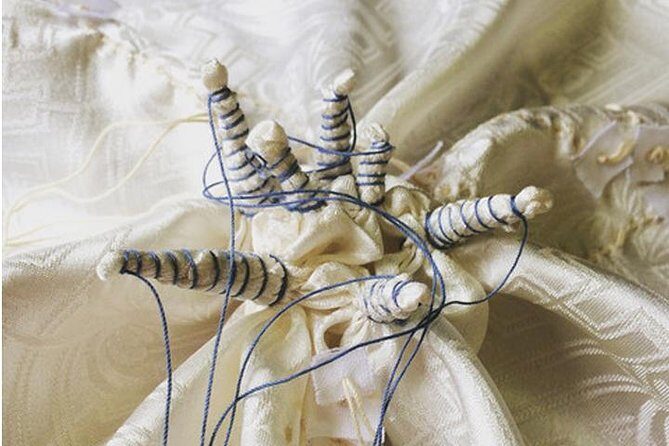
If you’re curious about traditional Japanese textiles and want a meaningful, hands-on activity during your visit to Kyoto, the Fukusa Shibori Class might just be the experience for you. This 60- to 90-minute workshop offers a chance to learn two distinct shibori dyeing techniques—kasamaki and nuishime—guided by a knowledgeable local craftsman. It’s a wonderful way to connect with Japan’s artisanal heritage, especially if you’re eager to create a personalized souvenir of your trip.
Two things we genuinely appreciate about this experience are its authenticity and the quality of instruction. You’ll get to handle traditional tools and fabrics, gaining practical skills you can try back home. Plus, the class includes ample opportunity to admire the museum’s stunning display of classic shibori samples. That said, one consideration is that the activity might be a bit fast-paced if you’re new to fabric arts—so patience and curiosity will serve you well. This class suits travelers who enjoy cultural activities with a tactile twist, especially those interested in DIY crafts or Japanese textile traditions.
Key Points
- Authentic Techniques: Learn kasamaki and nuishime shibori dyeing methods directly from a local expert.
- Cultural Insight: Discover the history and significance behind these traditional Japanese textile arts.
- Creative Souvenir: Walk away with a beautiful silk wrapping cloth you’ve created yourself.
- Museum Setting: Explore the Kyoto Shibori Museum’s impressive collection of sample works.
- Value for Money: At around $77, this hands-on experience offers not only craft skills but also cultural engagement.
- Accessibility: Suitable for ages 8 and up, with most travelers able to participate.
You can also read our reviews of more tours and experiences in Kyoto
A Detailed Look at the Kyoto Shibori Experience
The Venue: Kyoto Shibori Museum
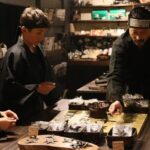
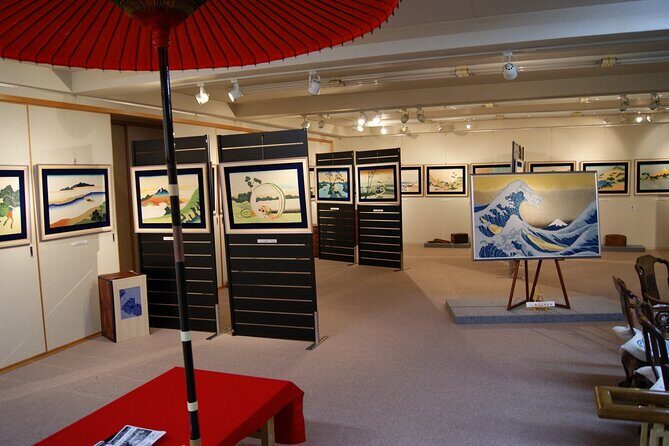
Beginning your journey at the Kyoto Shibori Museum, you step into a space dedicated to this intricate textile art. The museum is conveniently located in Nakagyo Ward, accessible by public transportation, with nearby parking options for those traveling by car or bicycle. Inside, you’ll find displays of classic shibori techniques, which set the scene for your hands-on workshop. Many reviews highlight how inspiring it is to see these visual samples of traditional dyeing—a visual feast that enhances your appreciation of the craft.
The Itinerary Breakdown
First Stop: Introduction and Demonstration
Your experience kicks off with a brief overview of the history and cultural significance of shibori dyeing. An expert instructor explains the different styles, focusing on kasamaki and nuishime. The info video provided during the class is praised for being clear and helpful, setting a good foundation before you start working with fabric.
Second Stop: Learning Kasamaki and Nuishime Techniques
The core of the activity involves practical, hands-on learning. For kasamaki, you’ll stitch around the shape you want to create, then pull the thread tight, wrapping it around a cone of fabric. This technique produces beautifully textured and patterned results, often featuring geometric or organic shapes. With nuishime, you stitch along a line, then pull the thread tight to create a different visual effect. Handling traditional shibori tools and fabrics makes the process quite tangible—something many reviews note as a highlight.
Third Stop: Dyeing and Result
Once your fabric is stitched and wrapped, it’s dipped in dye. The anticipation of seeing your design emerge after the dyeing process is a big part of the fun. One review mentions how careful Roy, the teacher, was in supporting learners, ensuring everyone understood the steps. When the dyeing is complete, you carefully remove the stitches to reveal your unique textile creation.
Final Step: Taking Your Work Home
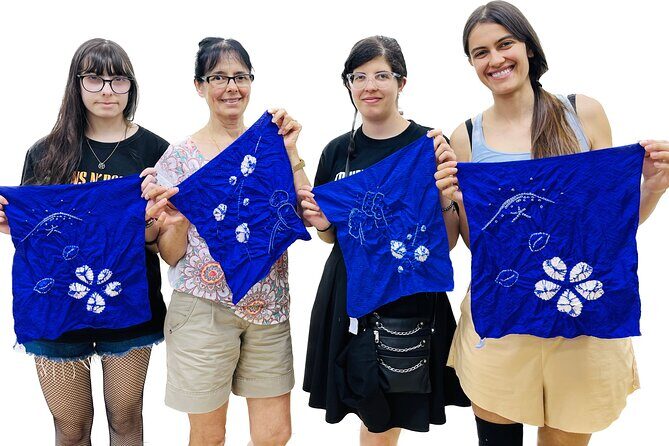
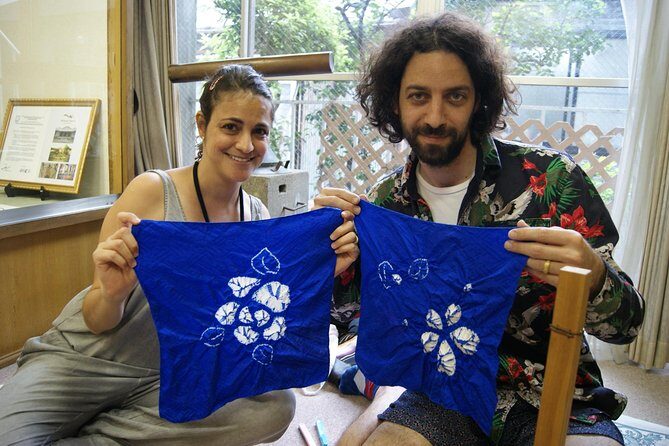
After the process, you’re encouraged to take your silk wrapping cloth home as a tangible memory. Several reviews express satisfaction with their final pieces, often describing them as “terrific” or “beautiful.” Having your own handcrafted shibori piece not only makes for a meaningful souvenir but also offers a new appreciation for Japanese craftsmanship.
The Museum’s Display and Shop
Throughout the experience, you’ll have opportunities to explore the museum’s collection of shibori samples, which range from traditional to contemporary styles. Many visitors find this part inspiring, providing context that deepens their understanding of the craft. The museum shop offers a variety of related items, perfect for those wanting to extend their appreciation or buy a gift.

Value and Practicalities
At roughly $77, this class packs in a lot of cultural value. Not only do you learn traditional dyeing techniques, but you also gain a hands-on skill that you can try at home. The class’s duration of around 1 to 1.5 hours fits well into a day of sightseeing, and the small group size (max 15) ensures you receive personal attention.
For accessibility, the experience is open to most travelers over age 8, and it’s suitable for families, couples, or solo travelers interested in crafts and culture. The flexible cancellation policy—full refunds if canceled 24 hours in advance—adds peace of mind.
What We Loved
The detailed instruction and supportive atmosphere mean even beginners walk away with a satisfying result. Many reviews praise the instructor’s careful teaching style. Also, the chance to create something tangible—a silk cloth—gives the experience a real sense of accomplishment. Plus, the chance to see and learn about traditional Japanese textiles in a museum setting enhances the cultural depth.
Considerations
The main challenge might be the pace; some might find the process quick, especially if they’re unfamiliar with textile arts. It’s best to come with curiosity and patience. Also, keep in mind that the dyeing process involves waiting for the dye to set, which might extend the time slightly if you’re in a hurry.
Who Should Book This Experience?
This shibori class is ideal for travelers who enjoy hands-on cultural activities and want to learn a true Japanese craft. It suits those wanting a personalized souvenir and a deeper understanding of textile arts. Families with older children, craft enthusiasts, or anyone curious about traditional dyeing techniques will find this experience both engaging and rewarding.
If you’re visiting Kyoto and craving an activity that combines learning, creativity, and cultural appreciation—all within a friendly, accessible setting—this class should be on your list.
The Sum Up
The Fukusa Shibori Class at Kyoto Shibori Museum offers a genuine peek into Japan’s textile tradition through a practical, enjoyable experience. You’ll learn two distinct methods of shibori dyeing, guided by a compassionate, expert instructor, who makes the process accessible even for beginners. The resulting silk cloth is a lovely memento, and the opportunity to explore the museum’s collection adds richness to the experience.
For anyone interested in craftsmanship, Japanese culture, or DIY projects, this class offers excellent value. It’s especially suitable for travelers who want more than just sightseeing—who want to get their hands dirty and leave with a tangible piece of Kyoto’s artistic heritage. Whether you’re traveling solo, as a couple, or with family, this activity blends education, creativity, and culture into one memorable session.
Fukusa Shibori Class
FAQ
How long does the Fukusa Shibori Class last?
The experience lasts approximately 1 to 1.5 hours, offering enough time to learn the techniques and create your own piece without feeling rushed.
What is the cost per person?
The class is priced at around $77.64 per person, which includes instruction, materials, and your finished silk cloth.
Is there an age limit for participants?
Yes, the minimum age to participate is 8 years old, making it accessible for families with children.
Where does the class take place?
It begins and ends at the Kyoto Shibori Museum, located in Nakagyo Ward, easily accessible by public transportation.
What techniques will I learn?
You’ll explore two traditional Japanese shibori dyeing methods: kasamaki, involving stitch-wrapping around fabric, and nuishime, which involves stitching along a line and pulling tight.
Can I see examples of shibori in the museum?
Absolutely, the museum displays many beautiful samples of traditional and modern shibori pieces, providing helpful context for your workshop.
What should I wear or bring?
Most participants wear casual clothes; the workshop provides all necessary materials. It’s advisable to wear something that can get a little dye on it, just in case.
Is the class suitable for non-Japanese speakers?
Yes, the class is taught in a way that’s accessible, and the instructor’s explanations are clear, aided by visual demonstrations.
Is there parking available?
Yes, the museum offers parking for cars and bicycles nearby, making it convenient for visitors arriving by various modes of transportation.
What if I need to cancel my booking?
You can cancel up to 24 hours in advance with a full refund, offering flexibility if your plans change.
This Kyoto shibori class offers an authentic, creative peek into a traditional craft, perfect for curious travelers wanting to take a piece of Japan home—literally.