
Exploring Fukushima: A Guided Tour of Resilience and Recovery
This Fukushima Font Tour offers travelers a chance to see firsthand how communities rebuild after tragedy. While it’s a tour that delves into some heavy history—namely the 2011 earthquake and nuclear disaster—it also celebrates resilience, community spirit, and the ongoing process of renewal.
If you’re interested in understanding Fukushima beyond the news headlines, this guided experience promises authentic stories and a human perspective you won’t find in textbooks or typical sightseeing routes.
What we truly appreciate about this tour is its focus on local voices. Listening to residents share their personal stories makes the experience genuine and heartfelt. Plus, the inclusion of a museum dedicated to the 2011 disaster adds context that helps visitors grasp not just the events, but the societal and emotional aftermath.
One possible consideration is the use of electric kickboards for transport between stops. While fun and eco-friendly, some travelers might prefer walking or have concerns about riding, especially in areas with uneven terrain or busy roads. The tour provider is flexible, so be sure to ask if you have mobility concerns or simply prefer a different mode of transport.
This tour is best suited for those who want a meaningful, in-depth look at Fukushima’s past and present—ideal for history buffs, those interested in disaster recovery, or travelers seeking authentic local experiences.
- Key Points
- An In-Depth Look at the Fukushima Font Tour
- Starting Point: Futaba Station
- The Great East Japan Earthquake and Nuclear Disaster Memorial Museum
- Michinoeki Namie and Local Stories
- Tasting and Shopping in Namie
- What makes this tour stand out?
- The Value of the Experience
- Practicalities and Tips
- Who Should Consider This Tour?
- Final Thoughts
- FAQ
- More Tours in Fukushima Prefecture
- More Tour Reviews in Fukushima Prefecture
Key Points
 1 / 6
1 / 6 2 / 6
2 / 6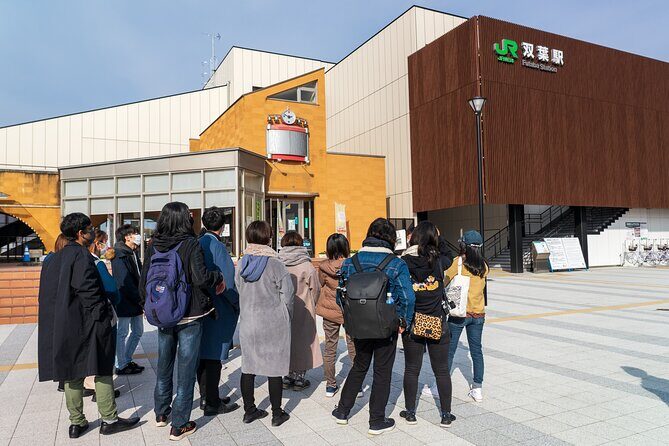 3 / 6
3 / 6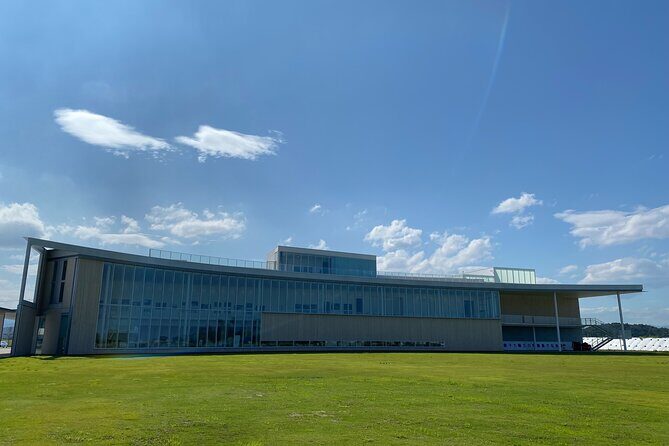 4 / 6
4 / 6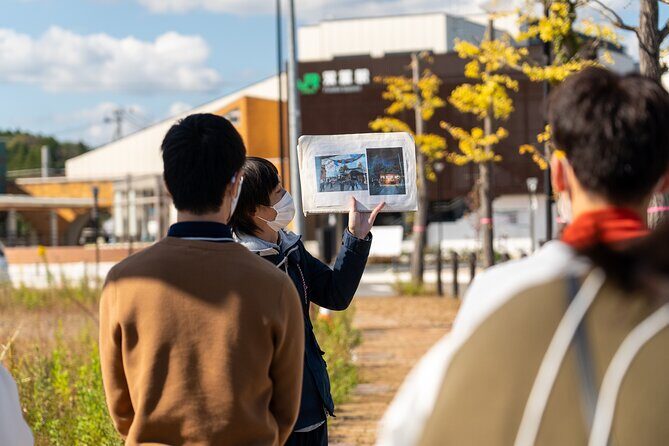 5 / 6
5 / 6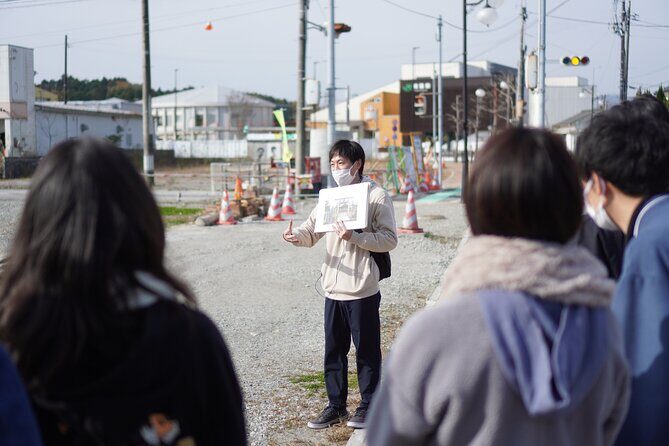 6 / 6
6 / 6- Authentic Local Stories: The tour is led by residents, providing honest insights into Fukushima’s recovery.
- Comprehensive Itinerary: From a town walking tour to a modern museum and local shops, the experience covers a broad spectrum.
- Transport with a Twist: Electric kickboards make moving between stops quick and fun, but alternatives are available.
- Emotional Depth: The storytelling and museum visits offer a heartfelt understanding of resilience and community.
- Cost-Effective: At roughly $177, the tour includes all entrance fees, local guides, and transport, making it good value for an immersive experience.
- Limited Group Size: With a maximum of 3 travelers, the experience feels intimate and personalized.
An In-Depth Look at the Fukushima Font Tour
You can also read our reviews of more tours and experiences in Fukushima Prefecture.
Starting Point: Futaba Station
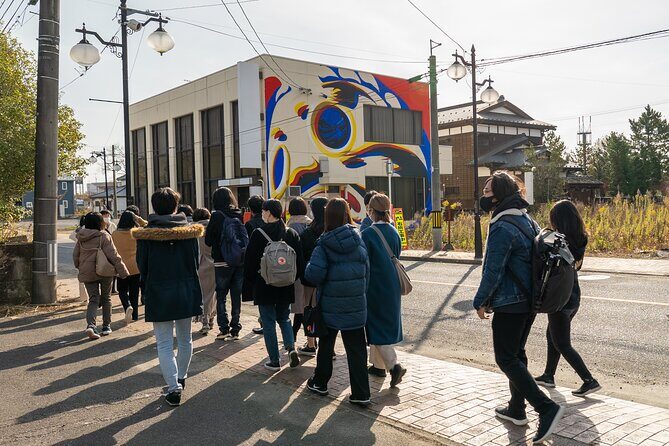
The tour kicks off at Futaba Station, a symbolic location that sets the tone for the day. From here, you’ll go on a Futaba Town Story Tour, walking through the streets with a local guide who shares personal accounts of the disaster. These first-hand stories illuminate what life was like before the earthquake, during the crisis, and as communities work to rebuild and move forward.
Traveling through Futaba, you’ll see remnants of the old town, but more importantly, you’ll hear about the resilience and hope that define the residents’ outlook today. The guide’s narratives are often described as heartfelt and insightful, making this part of the trip more than just sightseeing—it’s an emotional connection.
The Great East Japan Earthquake and Nuclear Disaster Memorial Museum
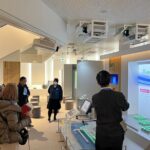
Next, the group visits a museum opened in 2020, dedicated to the events of 2011. This museum is a key highlight because it offers a detailed, respectful recounting of the disaster from multiple perspectives. It displays the challenges faced during evacuation, the difficulties of reconstruction, and the rumors and misinformation that complicated the response.
Visitors can expect to see exhibits illustrating the region’s history after World War II, providing context for the disaster’s impact. The rooftop viewing platform is an added bonus, offering sweeping views of the Pacific Ocean and the surrounding landscape—visualizing the scale of the area affected. Many reviews emphasize how the museum’s balanced approach helps visitors understand the complexity of the situation without feeling overwhelmed.
Michinoeki Namie and Local Stories
The third stop introduces you to Namie through a visit to Michinoeki Namie, a roadside station that’s become a symbol of recovery. Here, Mr. Hidezo, one of the first people to return after evacuation orders were lifted, shares lesser-known facts about Namie. His stories give a personal dimension to the ongoing process of return and rebuilding.
This stop emphasizes the human element—the decisions, hopes, and hurdles faced by residents working to reclaim their homes. It’s a reminder that recovery isn’t just about infrastructure but also about rebuilding lives.
Tasting and Shopping in Namie
No tour of Fukushima would be complete without experiencing its local products. The final stop offers a chance to taste high-quality Japanese sake from Namie and browse local goods. It’s a relaxed, convivial way to end the day, and many travelers appreciate the opportunity to support local businesses directly.
The experience here isn’t just about tasting; it’s about connecting with the community’s efforts to revive their economy and traditions.
What makes this tour stand out?
The most praised aspect, according to reviews, is the knowledgeable guides who don’t just lead but share heartfelt stories, making the experience both educational and emotionally resonant. Their familiarity with the area, combined with the ability to convey complex history in an accessible way, enriches every stop.
The inclusion of all fees and taxes and the fact that the tour is well-organized, with a clear itinerary and timing, provides peace of mind. The 6-hour duration covers quite a lot of ground, and while the start and end points are accessible via public transportation, the use of electric kickboards makes the journey between sites both fun and efficient.
The Value of the Experience
At $177.44 per person, the tour bundles in transportation, guides, museum admissions, and local sampling—making it a good deal for those looking for a comprehensive, authentic look at Fukushima’s recent history. While it’s an investment, it’s one that offers a deeper understanding than most mass-tourist options.
The small group size (up to 3 travelers) means you get personalized attention, which is especially valuable when hearing stories from residents firsthand. This intimacy allows for questions and conversations that larger tours might not afford.
Practicalities and Tips
- Timing: The 6-hour length is split between walking, museum visits, and driving (via kickboards). Keep in mind the travel time when planning your day.
- Mobility: The tour involves using an electric kickboard, but if you’re uncomfortable with this or have mobility concerns, it’s wise to check with the provider beforehand.
- What to Bring: Comfortable shoes are recommended, especially for the walking parts, and a camera to capture scenic views and meaningful moments.
- Language: Tours are led by local guides, typically fluent in Japanese and possibly English—check in advance if language support is needed.
Who Should Consider This Tour?
This experience is best for travelers who want more than just sightseeing—they’re looking for a connection to the real stories behind Fukushima’s recovery. History buffs, those interested in disaster management, or visitors seeking authentic, less-commercialized experiences will find this tour particularly worthwhile.
If you’re open to engaging with local residents and are curious about the human side of Japan’s natural and technological disasters, this tour offers a meaningful, eye-opening day.
Final Thoughts
This Fukushima Font Tour excels in offering a heartfelt, authentic look at a region that has faced incredible hardship. You won’t just see the sights—you’ll hear stories, meet local residents, and get a genuine perspective on resilience and renewal.
The inclusion of a museum, town walking tour, local stories, and tastings makes it a well-rounded experience. While the use of electric kickboards might not appeal to everyone, the benefits in terms of ease and fun are notable.
Most importantly, the knowledgeable guides bring a personal touch that elevates the experience from typical sightseeing to something truly memorable. It’s a perfect choice for those who want to understand Fukushima’s past, present, and future through the voices of its people.
Fukushima Font Tour
FAQ
Is this tour suitable for all ages?
Most travelers can participate, but the use of electric kickboards requires some balance and coordination. Children should be comfortable riding or be prepared to walk instead.
How long is each stop?
Futaba Town Story Tour lasts about 1 hour and 20 minutes, the museum around 1 hour 30 minutes, Michinoeki Namie about 1 hour, and shopping/tasting around 1 hour.
What is included in the price?
Admission tickets for all stops, the electric kickboard, helmet, and all taxes and fees are covered. Lunch must be paid for separately.
Can I cancel if my plans change?
Yes, you can cancel up to 24 hours before the tour for a full refund. Less notice means no refund.
Where does the tour start and end?
It begins at Futaba Station and ends in front of Namie Station.
Do I need to speak Japanese?
Guides are usually fluent, but it’s advisable to confirm language support if needed.
How is the transportation between stops arranged?
Travel is via electric kickboard, which is part of the experience. Alternatives may be available if you prefer not to ride.
Is the tour suitable for solo travelers?
Yes, with a maximum of 3 travelers, it’s ideal for those wanting a more personal experience.
What about accessibility?
While enjoyable for most, those with mobility concerns should check with the provider regarding the kickboard and walking parts.
How do I book?
The tour can be booked through Viator, with confirmation sent after booking.
To sum it up, the Fukushima Font Tour offers a rare and meaningful look into a region’s journey from devastation to hope. It combines authentic storytelling, community engagement, and a sense of discovery that’s hard to match. It’s especially suited for curious travelers eager to understand Japan’s resilience and the human stories behind headlines. If you’re after an experience that’s both educational and emotionally moving, this tour is well worth considering.