- Exploring Cambodia’s Countryside: Kampot & Kep by Tuk Tuk
- Key Points
- A Deeper Look at the Itinerary
- Salt Fields: A Manual Process
- Kep Crab Market: Seafood and Local Flavors
- Phnom Chhngok Cave Temple: Ancient and Adventurous
- La Plantation: Savoring Kampot Pepper & Social Impact
- Buffalo Cart Ride: Eco-Friendly Village Exploration
- Practical Details and What to Expect
- Transportation and Group Size
- Price and Overall Value
- Who Should Consider This Tour?
- Final Thoughts
- FAQ
- More Full-Day in Sihanoukville
- More Tours in Sihanoukville
- More Tour Reviews in Sihanoukville
Exploring Cambodia’s Countryside: Kampot & Kep by Tuk Tuk
 1 / 6
 2 / 6
 3 / 6
 4 / 6
 5 / 6
 6 / 6
Our review of this full-day Kampot and Kep tour gives you a detailed look at what you can expect when exploring these two charming provinces via tuk tuk. Touted as an authentic way to see rural Cambodia, this tour offers a glimpse into local life with visits to salt fields, bustling markets, ancient caves, and lush pepper plantations. It’s a mix of cultural insights, scenic rides, and tasty local treats.
What we particularly like about this experience is how it combines educational stops—like salt making and pepper farming—with relaxed village rides pulled by water buffalo. Plus, the tour includes hotel pickup, so you don’t have to worry about getting there. But, a potential consideration is that it’s a relatively long day, with a mix of sights that may be more rewarding for those who enjoy slow, in-depth exploration rather than quick stops.
This tour is perfect for travelers who want a hands-on look at rural Cambodian life, especially those interested in traditional salt production, seafood markets, and eco-friendly transport. If you’re craving an intimate, off-the-beaten-path experience that’s both fun and educational, this tour could be a good fit.
Key Points
- Authentic rural experiences: See salt fields, pepper plantations, and local villages.
- Educational insights: Learn about salt making and pepper farming from knowledgeable guides.
- Cultural richness: Visit an 18th-century cave temple with ancient significance.
- Eco-friendly rides: Enjoy a water buffalo cart trip around villages.
- All-inclusive value: Entrance fees, water, and hotel pickup are included.
- Flexible booking: Free cancellation up to 24 hours in advance.
You can also read our reviews of more tours and experiences in Sihanoukville
A Deeper Look at the Itinerary
Salt Fields: A Manual Process
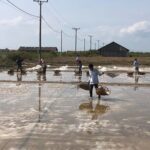
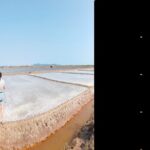
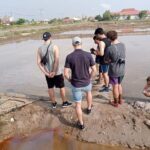
The tour kicks off at the salt fields, which operate entirely without machines. You’ll see how water from the ocean is channeled into the salt flats, then left to evaporate naturally, leaving behind salt crystals. This traditional process is labour-intensive, mostly done by women, and offers a fascinating window into Cambodia’s artisanal salt industry. The raw salt is then stored in warehouses before being cleaned, iodine is added, and it’s bagged for shipment.
One traveller described the salt production as “all manual work by humans,” emphasizing how this process connects visitors to a simpler, hardworking side of Cambodia. The admission fee is included, so your focus stays on observing rather than paying extra.
Kep Crab Market: Seafood and Local Flavors
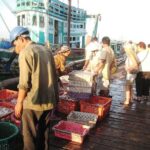
Next, we visit Kep’s lively crab market, a must-see for seafood lovers. The best way to experience it is to pick out fresh live crabs from the vendors’ pots. You can also buy squid, clams, or prawns, which are often cooked right there for you—served in casual plastic bags perfect for outdoor eating.
The market’s vibrant atmosphere, with vendors pulling crabs from waterside pots, gives a real sense of local life. One reviewer mentions relaxing at the market with an Angkor beer while waiting for the crabs to cook—an experience that’s both flavorful and laid-back. Plus, there are local sweets like rice and coconut waffles and fried rice cakes, costing about $0.25 each.
Phnom Chhngok Cave Temple: Ancient and Adventurous
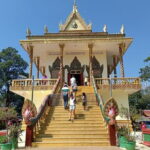
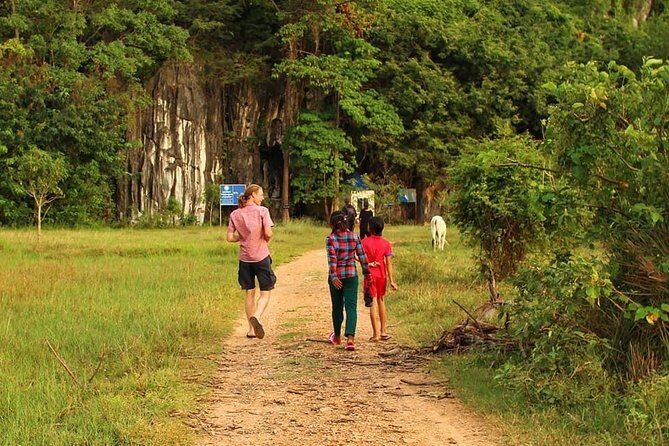
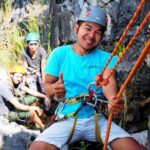
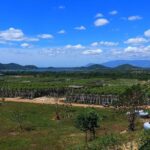
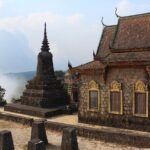
The tour then takes you to the Phnom Chhngok Cave Temple, an 18th-century site built inside a natural cave. It’s a place of worship and a site of archaeological interest, with ancient temples inside. The climb inside the wet, dark caves feels like an adventure, and the surrounding landscape is stunning—lush greenery and rocky outcrops perfect for photo stops.
Visitors say this stop offers a blend of spiritual history and natural beauty, with the added thrill of exploring old caves and ruins. Admission is included, so you can focus on the experience without extra costs.
La Plantation: Savoring Kampot Pepper & Social Impact
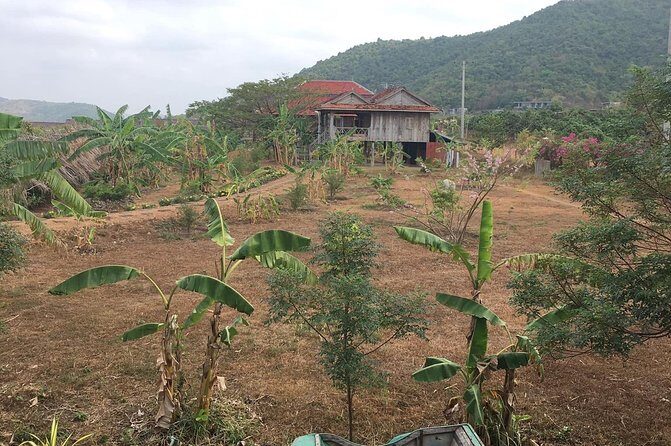
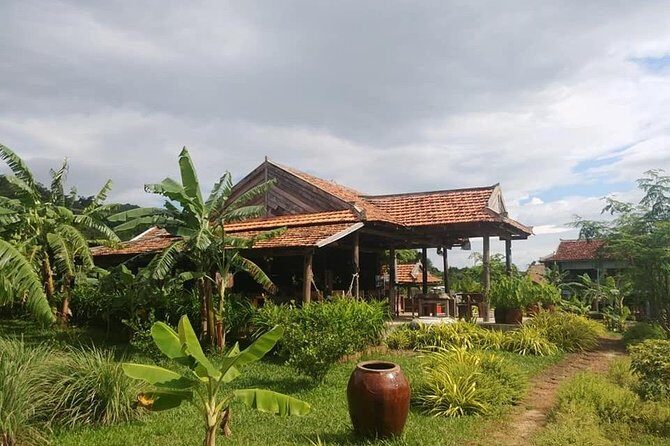
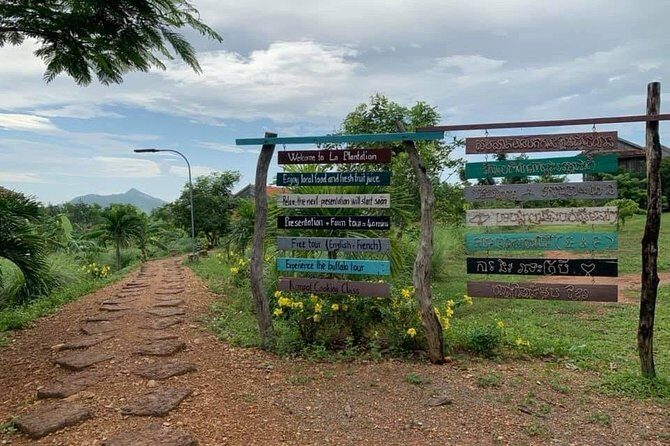
One of the tour’s highlights is the visit to La Plantation, where you’ll learn about the famous Kampot pepper. The guide, who is notably knowledgeable, explains how the plantation operates as a social project, supporting local employment and education.
The sustainable approach means that you’re not just tasting pepper but also supporting a community effort. Expect detailed explanations of how the pepper is grown, harvested, and processed. The guided tour lasts around two hours, making it a leisurely yet informative experience.
Buffalo Cart Ride: Eco-Friendly Village Exploration
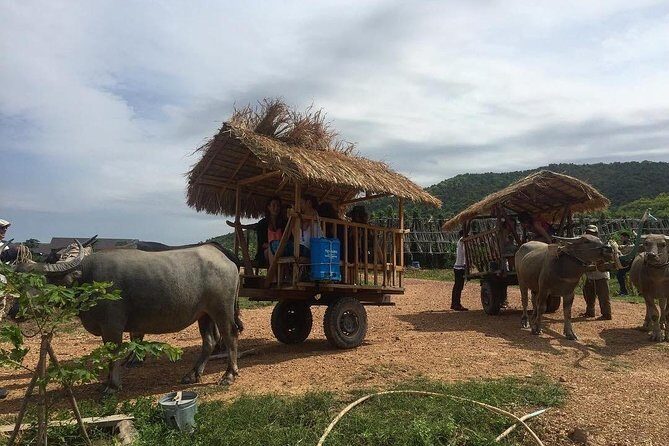
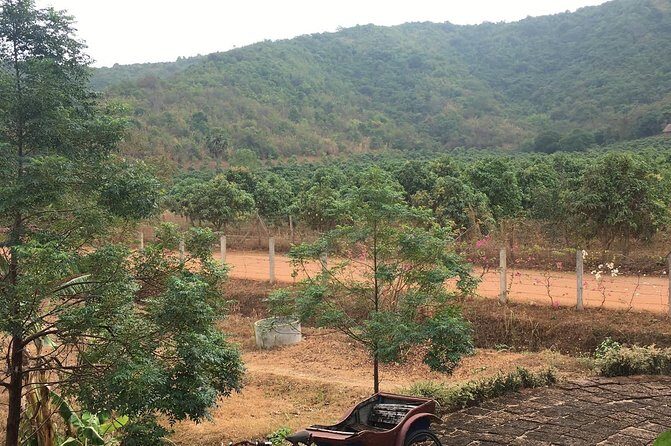
After the plantation visit, the tour includes a charming buffalo cart ride around Secret Lake. This eco-conscious mode of transportation offers a peaceful way to enjoy the countryside, with the buffaloes taking a break at the lake while you learn about rice farming and other agricultural activities from your guide.
This segment lasts around an hour, providing a relaxing yet insightful conclusion to your day. Several travelers appreciated the authenticity of riding behind a water buffalo, describing it as a “wonderful experience” that’s hard to find elsewhere.
Practical Details and What to Expect
The tour lasts approximately 6 to 7 hours, with hotel pickup and drop-off included, making logistics straightforward. The tuk tuk itself is a compact, fun way to travel through rural roads and village paths. The small group setting, typically private for your booking, offers a more personal experience, and the English-speaking guides add valuable context to each stop.
A key aspect that travelers notice is the value: for around $64, you get multiple meaningful stops, all entrance fees included, and the chance to see Cambodia’s countryside up close. The tour provides cold water throughout, keeping you refreshed in the tropical heat.
While the experience is quite comprehensive, it’s worth noting that some reviews hint at the importance of clear communication. One reviewer mentioned a bit of misunderstanding with the guide during their trip, underscoring the importance of expecting a flexible, friendly approach rather than a perfectly scripted day.
Transportation and Group Size
The tuk tuk is cozy but comfortable enough for a day-long ride with plenty of stops. Since it’s a private tour, you’ll have the flexibility to ask questions and linger at places you find most interesting.
Price and Overall Value
At $64.62 per person, the tour offers good value considering the included entrance fees, transportation, and guide service. It’s a relatively affordable way to gain a well-rounded introduction to rural Kampot and Kep, especially for those who prefer experiential over purely sightseeing trips.
Who Should Consider This Tour?
This experience is ideal for travelers wanting to see authentic Cambodia beyond the usual tourist spots. It suits those interested in local industries like salt and pepper, seafood lovers eager to explore Kep’s market, and anyone curious about the agricultural life of the region. If you’re comfortable with a full day of outdoor activity, gentle hikes, and village visits, this tour will be both enriching and enjoyable.
People who appreciate guided insights and relaxed pacing will find this trip rewarding. It’s less suited for travelers with mobility issues (due to the cave climb) or those seeking a quick, superficial overview of Cambodia.
Final Thoughts
This full-day tour of Kampot and Kep strikes a balance between educational value and authentic rural experiences. You’ll leave with a deeper understanding of local industries, a taste of fresh seafood, and memories of scenic village rides behind a water buffalo. The inclusion of hotel pickup and all entrance fees makes it both convenient and cost-effective.
While the tour can be quite full, it’s designed for those eager to see Cambodia’s countryside in a relaxed, immersive way. The guides’ insights add richness to each stop, making it more than just a sightseeing trip — it’s a genuine peek into everyday life in this part of the country.
If your ideal trip includes hands-on experiences, scenic rides, and learning about local industries, this tour deserves a spot on your Cambodia itinerary. It’s a wonderful way to connect with the land and people of Kampot and Kep while enjoying the comfort of a guided, all-inclusive day.
Full-Day Kampot & Kep with a local Tuk Tuk Tours
FAQ
Is hotel pickup included in the tour?
Yes, the tour offers hotel pickup and drop-off, making it easy to start and end your day without extra hassle.
How long does the tour last?
The full-day experience runs approximately 6 to 7 hours, including travel and all stops.
What is included in the price?
The price covers hotel transportation, all entrance fees, a guide, cold water, and the tuk tuk transportation itself.
Can I cancel this tour?
Yes, you can cancel free of charge up to 24 hours before the tour begins for a full refund.
Are meals included?
No, lunch isn’t included but your guide can recommend local restaurants. You can also purchase snacks and seafood at Kep’s market.
Is this tour suitable for children?
Most travelers can participate, but keep in mind the physical activity involved, like climbing into caves and riding in a tuk tuk.
What should I wear?
Comfortable, lightweight clothing, and sturdy shoes for walking or climbing are recommended. Don’t forget sun protection.
Is the tour private or shared?
This is a private experience, so only your group will take part, allowing for a more personalized day.
In all, this full-day Kampot & Kep tour offers a genuine and enjoyable way to see rural Cambodia’s highlights, especially suited for curious travelers eager to learn, taste, and experience local life firsthand.