If you’re curious about Ghana’s compelling past, colorful traditions, and vibrant cities, this 8-day guided tour offers an engaging way to see and feel the country’s soul. Designed for travelers eager to get beyond the typical tourist spots, this experience dives into Ghana’s complex history—from colonial legacies to traditional craftsmanship—while also showcasing its lively modern culture.
Two things we especially like? First, the way this tour balances profound historical visits, like the Cape Coast Castle and Elmina Castle, with interactive cultural activities at villages and markets. Second, the inclusion of meaningful social impact projects, such as engaging with the Cape Coast School for the Deaf and Blind, which adds depth to the journey.
A possible consideration? The tour involves quite a bit of walking and outdoor activity, which might be tiring for some, especially on hot days. It also covers sensitive topics like slavery, which could be emotionally challenging.
This tour suits travelers who crave a well-rounded, authentic look at Ghana—those interested in history, culture, and community engagement. It’s also ideal for those who appreciate guided experiences that take care of logistics, so you can focus on absorbing the stories and scenery.
- Key Points
- First Impressions: Setting the Stage in Accra
- Villages and Traditional Craftsmanship
- Exploring Kumasi: The Heart of Ashanti Culture
- Visiting the Slave Forts and the Impact of History
- Coastal Heritage and Nature
- Final Day: Ghanaian Identity in Accra
- Practical Considerations
- Value and Booking
- The Best Of Accra!
- More Historical Tours in Accra
- More Tours in Accra
- More Tour Reviews in Accra
Key Points
- Comprehensive Itinerary: From Accra to Cape Coast, with visits to castles, villages, and parks.
- Authentic Cultural Encounters: Craft villages, markets, and social impact activities give you a real feel for Ghanaian life.
- Historical Depth: Learn about Ghana’s past with visits to key sites related to slavery and monarchy.
- Active Days: Expect some walking, outdoor activities, and boat rides—bring comfortable shoes and sunscreen.
- Value for Money: At $1,907, the tour includes transportation, entrance fees, and guide support, making it a practical option for an immersive experience.
- Limited Flexibility: The schedule is quite packed; good for travelers who want a structured overview rather than free days.

👉 See our pick of the Accra’s 14 Best Tours & Things To Do
First Impressions: Setting the Stage in Accra
Your journey begins in Ghana’s bustling capital, Accra. Upon arrival at Kotoka International Airport, a friendly guide will pick you up and whisk you to your hotel. This initial transfer is straightforward, and the hotel placement usually offers a good base for exploring the city later on. Although not included in the tour price, you might want to take a moment here to settle in and acclimate to Ghana’s lively rhythm.
Day 2 offers a compelling start with a visit to the Nkyinkyim Museum. This isn’t just a straightforward museum; it’s a vibrant hub of contemporary arts, storytelling, and music that weave together Ghana’s history with its present culture. It’s particularly meaningful for understanding the story of slavery through a cultural lens rather than just historical dates. Visitors often comment on how storytelling here makes history feel alive.
Following that, the tour takes you to Aqua Safari for lunch and outdoor activities. The choice of outdoor options is great for those who enjoy active experiences—think boat rides on Lake Volta, bird watching, kayaking, or even horseback riding. These activities provide a refreshing break from the more intense historical sites, and you’ll appreciate the chance to connect with Ghana’s natural beauty. The inclusion of outdoor leisure is a big plus for those wanting a mix of history and recreation.
You can also read our reviews of more historical tours in Accra


Villages and Traditional Craftsmanship
 1 / 2
 2 / 2
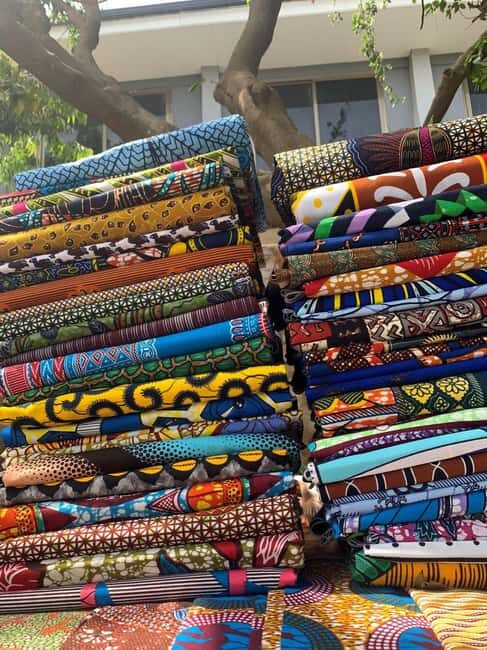
Day 3 shifts gears from urban to rural with visits to Bonwire Kente Weaving Village and Ntonso Adinkra Craft Village. Here, we loved the way artisans keep traditional crafts alive—kente weaving with its vibrant, symbolic patterns and Adinkra symbols that carry deep meanings. Walking through these villages, you’ll see firsthand how Ghanaian identity is woven into its textiles and symbols, making these stops both educational and visually delightful.
Traveling from Accra to Kumasi, you’ll see the countryside and the historic heart of the Ashanti Region. The journey offers a scenic perspective on Ghana’s landscape.
Exploring Kumasi: The Heart of Ashanti Culture
Day 4 is dedicated to the Kumasi City Tour. The Kejetia Market is a sensory overload—in the best way—with vibrant stalls overflowing with fabrics, beads, and crafts. It’s one of West Africa’s largest markets and offers an authentic snapshot of daily life.
The Manhyia Palace Museum and Prempeh II Jubilee Museum deepen your understanding of the Ashanti monarchy and history. The highlight? The Okomfo Anokye Sword Site, where the famous high priest supposedly planted a sword that remains immovable—an enduring symbol of Ashanti strength and spirituality.
Guests often mention that the bustling market and historical sites provide a balanced view of Ghana’s rich heritage and commercial vitality. Be prepared for crowds, but also for genuine interactions with locals.
Visiting the Slave Forts and the Impact of History
Day 5 takes you from Kumasi southward to the coast. The Assin Manso Slave River Site is a poignant stop, where slaves took their final bath before being shipped overseas. It’s a powerful reminder of Ghana’s central role in the transatlantic slave trade.
Later, you visit the Cape Coast Castle, recognized as the most significant of Ghana’s slave castles. Though it’s the youngest among the coastal forts, its history is intense and personal. Visitors often find it emotionally heavy, but important to understand Ghana’s role in this dark chapter.
More Great Tours NearbyCoastal Heritage and Nature
On Day 6, the tour combines history with nature. The Elmina Castle, built in 1482, is the world’s oldest European structure below the Sahara—an astonishing relic of European colonialism. Walking through its halls, you can almost hear the echoes of centuries of trade and suffering.
Adjacent to this, the Kakum National Park offers a change of scenery. The Canopy Walkway—a 350-meter-long suspension bridge—gives you a bird’s-eye view of the forest canopy. It’s a highlight for those who enjoy wildlife and lush scenery, and provides a memorable perspective of Ghana’s biodiversity.
Before ending the day, the tour includes a visit to the Cape Coast School for the Deaf and Blind. Engaging with this community shows the tour’s commitment to social impact, adding an enriching human element.



Final Day: Ghanaian Identity in Accra
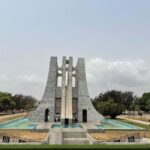
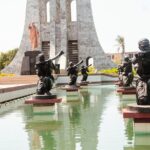
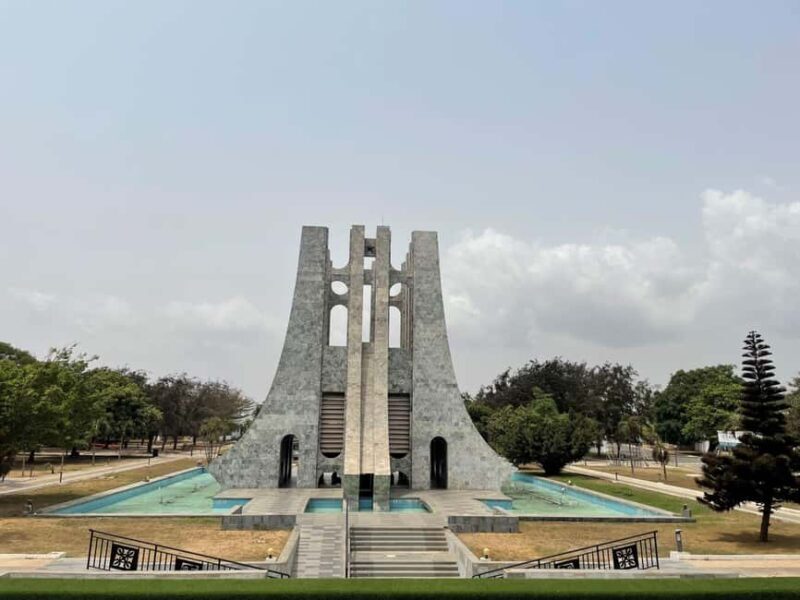
Day 7 is dedicated to Accra’s historical and cultural landmarks. The WEB DuBois Memorial Centre offers a glimpse into Pan-African ideas, while the Kwame Nkrumah Memorial Park celebrates Ghana’s independence leader. These sites connect you with Ghana’s modern political history.
The lively Arts and Crafts Market is perfect for souvenir shopping—think masks, textiles, and jewelry inspired by local traditions. Finally, the grand Independence Square is a fitting place to reflect on Ghana’s journey to sovereignty.
Practical Considerations
The entire tour is supported by a comfortable bus, with transportation included, which helps manage Ghana’s sometimes unpredictable traffic. The group size tends to be manageable, allowing for personalized attention, but it’s important to be prepared for a full schedule—no lazy mornings here.
Each day’s activities are carefully planned but involve some walking and outdoor exposure, so pack comfortable shoes, sunscreen, and insect repellent. The tour is suitable for most able-bodied travelers but not recommended for those with mobility issues or heart problems.
Ghana: 8-Day History & Culture Tour
Value and Booking
At $1,907 per person, the tour covers all your transportation, entrance fees, guide support, and activities listed in the itinerary. It’s a practical choice for travelers who want a well-organized, insightful experience without worrying about logistics or hidden costs. Meals and accommodations aren’t included, giving you flexibility to choose your preferred options.
Reviewers often mention that the guided support ensures a smooth experience, especially at complex sites like castles and markets. They also appreciate the focus on authentic encounters, from craft villages to social projects.
This experience is perfect if you’re eager to understand Ghana’s history beyond textbooks, appreciate traditional crafts, and participate in social impact initiatives. It’s especially suitable for travelers comfortable with physical activity and emotional sites.
If you prefer relaxing, unstructured travel or are looking for a luxury beach holiday, this tour might be too packed or intense. But if your goal is a meaningful, educational journey with a local perspective, this tour delivers.
This 8-day Ghana tour offers a solid balance of history, culture, and community engagement, making it a meaningful way to spend a week in West Africa. It’s a smart pick for those who want to see the highlights but also connect with local people and understand the country’s complexities.
The price reflects a well-organized experience that manages logistics so you can focus on learning and experiencing. It’s not just sightseeing but an immersion into Ghanaian life, history, and values. For travelers ready to explore Ghana with depth and authenticity, this tour is an excellent option.
- What is included in the tour price? The price covers airport pickup and drop-off, transportation, fuel surcharges, entrance fees, guide support, and activities listed in the itinerary.
- Are meals included? No, meals are not included, giving you flexibility to choose local restaurants or cafes.
- Is this tour suitable for children or older adults? The tour involves walking and outdoor activities, so it’s best for able-bodied travelers. It may not be suitable for those with mobility issues or heart problems.
- How long are the travel days? Travel days can include long drives between destinations, but the itinerary is designed to maximize sightseeing without excessive fatigue.
- Can I book and pay later? Yes, you can reserve your spot now and pay later, offering flexibility with your travel plans.
- Is transportation comfortable? The tour uses a supported vehicle, but travelers should expect some driving on potentially bumpy roads.
- Are there opportunities to buy souvenirs? Yes, visits to markets and craft villages include chances to purchase Ghanaian arts, textiles, and crafts.
- What should I bring? Pack comfortable shoes, sunscreen, water, and insect repellent—outdoor activity is a key part of the experience.
- Is this tour emotional? Yes, visits to sites related to slavery, like Cape Coast Castle, can evoke strong feelings. Be prepared for emotional reflection.
- Is the tour suitable for solo travelers? Absolutely, the group setting and guide support make it ideal for solo travelers seeking companionship and guidance.
This 8-day journey through Ghana promises a meaningful blend of history, culture, and community—an authentic adventure worth considering for your West African trip.
You can check availability for your dates here: