Thinking about visiting Ghana? This 8-day guided tour offers a deep dive into the country’s history, vibrant culture, and stunning landscapes. Designed for travelers who want more than just a quick overview, this trip promises meaningful experiences, from historic castles to lush national parks.
We particularly appreciate how the tour balances educational visits with relaxing moments, like beach relaxation and wellness activities. The chance to learn about Ghana’s role in the transatlantic slave trade at sites like Assin Manso and Cape Coast Castle gives visitors a profound perspective.
One thing to consider is that the tour involves quite a bit of walking — so comfortable shoes are a must. Also, since some sites are emotionally charged, especially those connected to slavery, this trip may be more suited for those ready for reflective, sometimes intense, experiences.
This tour suits history buffs, culture enthusiasts, and travelers seeking a meaningful, well-rounded introduction to Ghana. If you’re looking for a mix of history, nature, and local life, this journey offers good value and genuine experiences.
- Key Points
- A Deep Dive into the 8-Day Ghana Experience
- Starting Point: Accra and First Impressions
- Day 2: Gardens and Cocoa — A Tasty Beginning
- Day 3: From Last Baths to Fortresses of Freedom
- Day 4: Connecting and Rejuvenating
- Day 5: Colonial Heritage and Forest Adventures
- Day 6: Free Day in Accra
- Day 7: Ghanaian Heritage and National Pride
- Day 8: Departure and Last-Minute Moments
- What We Think About the Price and Overall Value
- Practical Tips for Travelers
- Who Will Love This Tour?
- FAQ
- Final Thoughts
- The Best Of Accra!
- More Tour Reviews in Accra
Key Points
Historical depth: Visit Cape Coast and Elmina Castles, plus the Slave River Site, for a sobering look at Ghana’s past.
Cultural immersion: Engage with local communities through activities like drumming, dancing, and social impact initiatives.
Nature and adventure: Explore Kakum National Park’s canopy walkway and Aburi Botanical Gardens, blending nature and scenic beauty.
Wellness options: Enjoy optional relaxation and wellness activities like massages or beach time.
Authentic experiences: Shop at local arts and crafts markets and learn about Ghanaian agriculture at the cocoa farm.
Value for the price: All entrance fees, transportation, and guides are included, making this a straightforward, hassle-free experience.

👉 See our pick of the Accra’s 14 Best Tours & Things To Do
A Deep Dive into the 8-Day Ghana Experience
You can also read our reviews of more tours and experiences in Accra.



Starting Point: Accra and First Impressions
Your journey begins as you land at Kotoka International Airport, where a friendly guide will greet you and whisk you away to your hotel in Accra. The first day is flexible, giving you a chance to unwind, adjust to the new environment, or take a leisurely walk around the vibrant city streets. This initial day sets the stage, hinting at the contrasts between urban life and the historic sites to come.
Day 2: Gardens and Cocoa — A Tasty Beginning
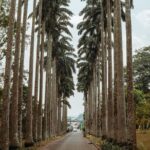
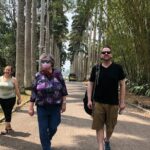
The morning kicks off at the Aburi Botanical Gardens — a peaceful spot teeming with indigenous and exotic plants. We loved the way our guide explained how some trees have been part of Ghana’s landscape for centuries, while others are recent introductions. Expect to see towering African mahogany, vibrant fruit trees, and medicinal herbs. It’s an excellent way to understand Ghana’s flora and its importance in local life.
Next, a short drive takes you to the Tetteh Quarshie Cocoa Farm — the birthplace of Ghana’s world-famous cocoa industry. Here, you’ll learn about how Ghana became a leading producer of chocolate ingredients, from planting to drying. The farm tour is both educational and tasty, especially if you indulge in some fresh cocoa beans or a chocolate tasting session. Travelers have noted that seeing the original cocoa farm “connects you to the roots of Ghana’s economy and culture.”
Day 3: From Last Baths to Fortresses of Freedom
Moving south to Cape Coast, your first stop is the Assin Manso Slave River Site. The site is emotionally charged, as it’s where many slaves had their last bath before being sold. Walking through this quiet place, you’ll get a sense of the brutal history that shaped the nation and the diaspora. One reviewer said, “It’s a sobering but essential part of understanding Ghana’s past.”
Then, you’ll visit Cape Coast Castle, Africa’s most famous slave trading fortress. The castle is well-preserved, with exhibits that detail the transatlantic slave trade’s dark chapters. The guided tour brings history alive, and you’ll see the dungeons, the “door of no return,” and learn about the resilience of the enslaved people. Visitors often comment on how moving and educational this experience is, echoing sentiments like “it’s a must-see for anyone wanting to grasp the scale of human suffering and endurance.”
More Great Tours NearbyDay 4: Connecting and Rejuvenating
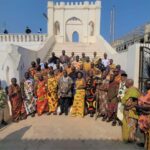
This day offers a chance for social impact and personal wellness. You’ll participate in a visit to the Cape Coast School for the Blind, engaging in a traditional Ghanaian naming ceremony, and experiencing local drumming and dancing. It’s a heartwarming way to connect with Ghanaian community life and see resilience firsthand.
Later, unwind with a spa or massage at your hotel or a nearby beach. The day balances emotional depth with relaxation, helping you process what you’ve seen and experience a bit of self-care amid meaningful travel.


Day 5: Colonial Heritage and Forest Adventures
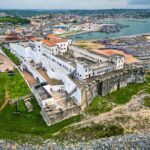
Your morning is dedicated to Elmina Castle, built in 1482 by the Portuguese. This is the oldest European building below the Sahara and offers another powerful perspective on Ghana’s colonial history. The tour inside the castle reveals its role as a major hub in the slave trade, and many travelers find themselves reflecting on the enduring impacts of European influence.
In the afternoon, you’ll visit Kakum National Park, known for its lush rainforest canopy. The highlight is the suspension canopy walkway, which extends 350 meters across the treetops, offering breathtaking views of the forest. The walk is about 20 minutes, and while some might find the height a bit daunting, most say it’s a “thrilling way to see Ghana’s biodiversity.” Kakum is also home to various wildlife and plant species, making it a true nature escape.
Day 6: Free Day in Accra
By this point, you’ve covered a lot — and it’s time for a break. The free day allows you to explore at your own pace: relax on the beach, visit local cafes, shop for arts and crafts at the market, or simply unwind at your hotel. Many reviewers appreciate this flexibility, noting it as a chance to absorb Ghanaese life outside the tour’s more structured visits.
Day 7: Ghanaian Heritage and National Pride
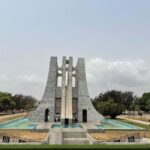
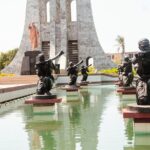
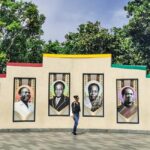
Your final full day begins with visits to the WEB DuBois Memorial Centre and the Kwame Nkrumah Memorial Park. The former honors the Pan-Africanist thinker, with its exhibits giving insights into Ghana’s intellectual and political history. The memorial for Kwame Nkrumah, Ghana’s first president, showcases his role in independence and nation-building, with his mausoleum a poignant stop.
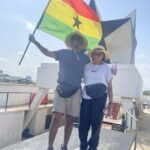
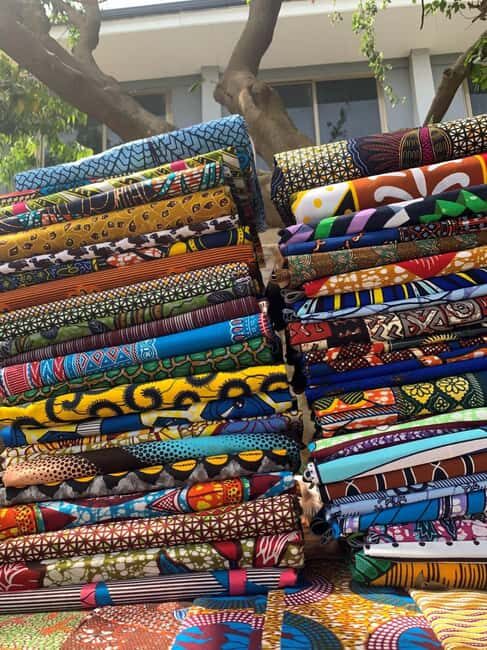
Next, you’ll explore the bustling Arts and Crafts Market, where local artisans sell colorful textiles, sculptures, and souvenirs — great for picking up unique gifts and supporting local entrepreneurs. Your last stop is Black Star Square, a grand space built for national gatherings, which symbolizes Ghanaian independence and pride. It’s impressive to stand there, imagining thousands of people gathering under the monuments.
Day 8: Departure and Last-Minute Moments
Depending on your flight schedule, you may have time for final shopping, a quick walk, or some last moments at the hotel. The tour ends with airport transfers, making your departure smooth and organized.
What We Think About the Price and Overall Value
At $1,584 per person, this tour offers a well-rounded package. Cost-wise, it includes transportation, entrance fees, guide support, and airport pickups, which simplifies planning and budgeting. You won’t have to worry about hidden costs or arranging separate tickets, and the tour’s small-group feel helps ensure personalized attention.
While meals aren’t included, the price reflects a comprehensive experience that combines historical sites, cultural activities, and natural wonders. Given the depth of these visits, the value is strong for those interested in authentic, meaningful travel rather than just sightseeing.
Practical Tips for Travelers
- Pack comfortable walking shoes — many sites involve uneven terrain or long walks.
- Bring sunscreen, a hat, and water to stay protected from Ghana’s sun.
- Prepare emotionally for sites connected to slavery — they are powerful, and some may find them overwhelming.
- Consider your interest level in history, culture, and nature when deciding if this tour is right for you.
Who Will Love This Tour?
This journey suits travelers eager to understand Ghana’s complex history alongside enjoying its natural beauty. It’s ideal for those who appreciate guided experiences that are educational yet respectful of local culture. If you prefer a balance of activity and relaxation, with enough free time to explore on your own, this tour hits the sweet spot.
History buffs, cultural explorers, and eco-enthusiasts will find plenty to love here. It’s also a good choice for travelers who want a hassle-free way to see Ghana’s key sites with knowledgeable guides. However, keep in mind that it involves a fair amount of walking and emotionally intense sites, so prepare accordingly.
FAQ
Is this tour suitable for all ages?
Mostly, yes. The tour involves walking and some emotionally charged visits, so families or older travelers should be prepared for this.
Are meals included in the price?
No, meals are not included. You’ll want to budget extra for dining out, which offers a good opportunity to taste Ghanaian cuisine.
What’s the accommodation like?
The tour includes hotel pick-up and drop-offs, but specific accommodation details aren’t provided here. Expect comfortable hotels, with some days offering optional spa or wellness activities.
Can I join this tour if I’m traveling solo?
Yes, solo travelers are welcome. The tour is designed for small groups, which helps foster a friendly environment.
Are there any physical restrictions?
Since the tour involves walking and some sites are high or uneven, comfortable shoes and good mobility are recommended.
What should I bring?
Bring comfortable clothes, shoes, sunscreen, a hat, water, and a camera. Pack light but be prepared for sun and humidity.
Is the tour accessible for people with disabilities?
This information isn’t specified, but because of walking and site terrain, it may be challenging for some.
How flexible is the schedule?
There’s a free day in Accra and optional wellness activities, offering some flexibility for personal interests.
What if I want to cancel?
You can cancel up to 24 hours in advance for a full refund, making it easy to plan with confidence.
Ghana: 8-Day Journey
Final Thoughts
This 8-day Ghana tour offers a thorough, engaging look at the country’s history, culture, and natural beauty. It combines meaningful visits—with a focus on the transatlantic slave trade, colonial history, and local community life—with opportunities for relaxation and personal reflection. For travelers eager to grasp Ghana’s soul beyond surface-level sightseeing, this trip provides authentic encounters and solid value.
Ideal for history enthusiasts, cultural explorers, and those seeking a respectful, well-organized experience, this tour helps you connect with Ghana’s stories and landscapes in a way that’s both educational and heartfelt. Just come prepared to walk, reflect, and enjoy the journey.
You can check availability for your dates here: