Exploring Kompong Pluk Floating Village on Tonle Sap Lake: A Practical, Authentic Look
If you’re heading to Siem Reap and looking to complete your Cambodian experience beyond Angkor Wat, a visit to Kompong Pluk floating village is a must. This half-day tour promises a glimpse into a world where life unfolds on the water, away from the bustling streets of Siem Reap.
While many travelers flock here, it’s clear that those who choose to visit gain a unique perspective on local livelihoods, traditions, and the resilience of communities living on Tonle Sap.
What we love most about this experience is the knowledgeable guide who brings the floating village to life, and the stunning views of the water and floating structures that make this journey visually captivating. The tour’s intimate size also means you’re unlikely to be overwhelmed by crowds, allowing for a more personal encounter.
However, one point for consideration is that boat tickets are not included in the price, so you’ll need to budget for that separately.
This tour suits travelers who crave authentic local experiences, enjoy scenic boat rides, and want a meaningful way to understand Cambodia’s water-based way of life. It’s especially ideal for those with moderate physical fitness, as the boat trip and walking around the villages involve some effort. If you’re after a relaxed, insightful look at rural Cambodian life, this tour is a smart choice.
Key Points
- Authentic Experience: Offers a genuine look into how villagers live and work on Tonle Sap Lake.
- Knowledgeable Guides: Guides are well-versed and make the trip engaging.
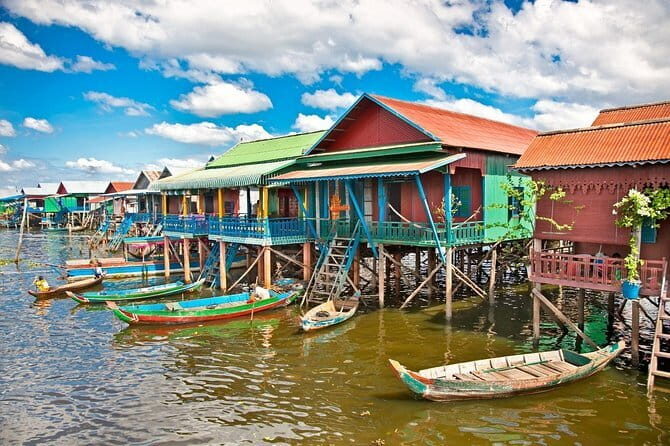
- Scenic Views: Enjoy picturesque scenes of floating houses, schools, and farms.
- Flexible Duration: About 4 to 6 hours, perfect for a half-day outing.
- Cost Considerations: Tour costs $78 per group, but boat tickets are extra.
- Private Tour: Only your group participates, ensuring a personalized experience.
- Key Points
- An In-Depth Look at the Kompong Pluk Floating Village Tour
- How the Tour Begins: Convenient Pickup and Transportation
- The Journey to Kompong Phluk: Setting the Scene
- Exploring Kompong Pluk: What You’ll See
- Meeting the Locals: An Authentic Encounter
- Highlights and Noteworthy Stops
- The Price and What’s Included
- Real Traveler Feedback
- Considerations and Final Thoughts
- Who Will Love This Tour?
- The Sum Up
- FAQ
- More Tour Reviews in Siem Reap
An In-Depth Look at the Kompong Pluk Floating Village Tour
 1 / 3
1 / 3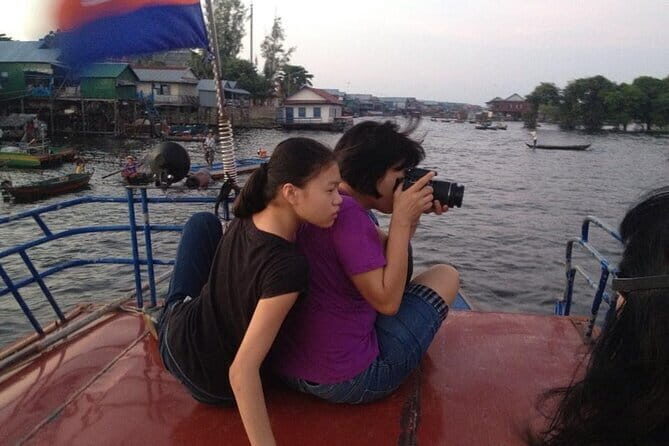 2 / 3
2 / 3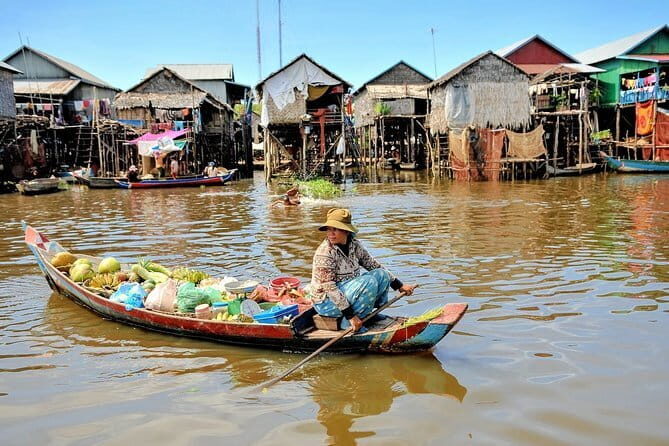 3 / 3
3 / 3You can also read our reviews of more tours and experiences in Siem Reap.
How the Tour Begins: Convenient Pickup and Transportation
Starting early at 8:00 am, the tour provides hotel pickup, which is a significant convenience. We appreciate this aspect because it saves time and effort, especially when you’re not familiar with local transport options. The transport itself is an air-conditioned minivan or car, making the journey comfortable—important given the sometimes tropical heat.
This initial ride sets the tone for a seamless experience, removing the hassle of organizing local transportation and letting you focus on the adventure ahead.
The Journey to Kompong Phluk: Setting the Scene
The trip takes you from Siem Reap into the countryside, heading towards Kompong Phluk, a name often confused with its neighboring village, but both are distinctive. The journey itself is a scenic drive through rural Cambodia, giving travelers a glimpse of daily life outside the tourist hotspots.
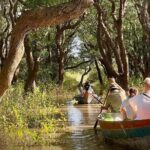
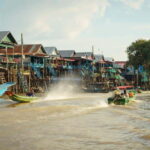
Once you arrive, the real adventure begins with a boat trip on the vast Tonle Sap lake, described as a “real interior ocean” by some guides. This is where the water-based life starts to show itself, with floating houses, schools, farms, and markets. The boat ride is not just transportation but part of the experience, allowing for up-close views of the floating structures and villages.
Exploring Kompong Pluk: What You’ll See
The heart of the tour is the boat ride, which lasts around an hour or more, depending on how much exploring you do. It’s a chance to see floating schools, crocodile farms, and floating trees—all built on the water as part of daily life. Our guide will help you understand how these structures function and their importance for the locals.
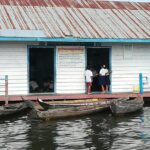
Most visitors find the floating fish and crocodile farms fascinating; they showcase an innovative approach to aquaculture and livestock management on limited land. The floating school highlights the community’s focus on education, despite the water environment, providing a stark contrast to the land-based schools most travelers are used to.
Meeting the Locals: An Authentic Encounter
A standout feature of this tour is the ability to meet and talk with villagers—a chance to hear their stories and learn how they adapt to life on water. Tour guides often facilitate these interactions, making the experience more personal and worthwhile.

Highlights and Noteworthy Stops
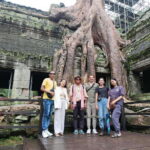
- Floating Trees: These are trees that grow on floating platforms, a curious feature that captures the imagination.
- Fish & Crocodile Farm: A glimpse into local aquaculture, which is vital for the villagers’ economy.
- Floating Village: The core of the experience, where entire homes, markets, and schools are built on water.
- Meeting Villagers: An opportunity to chat about their daily routines, challenges, and traditions.
The Price and What’s Included
The tour costs $78 per group (up to four people), which offers good value for a private experience with transportation, a knowledgeable guide, cold towels, and bottled water. These small comforts make the journey more pleasant, especially in the heat.
However, it’s important to note that boat tickets are not included, so you should plan to purchase these separately. This is a typical practice, but it’s good to be aware so you’re not caught off guard.
Real Traveler Feedback
A reviewer from Tripadvisor shared a glowing account: “It was awesome. Rhon knew very well the place and soon everything became as if he was our private guy. We had so much fun on the boat with him too.” This highlights the value of a knowledgeable guide who enhances the experience. The reviewer also appreciated Rhon’s professionalism, especially when the weather turned rainy, showing the importance of a guide who can adapt on the spot.
Considerations and Final Thoughts
The tour’s private nature is a big plus, ensuring you won’t be hurried or mixed with strangers. The moderate physical fitness level required is mainly for some walking and boarding boats, which is manageable for most travelers.
One potential drawback is that the boat ticket isn’t included, so budget an extra small amount for that. Also, the overall experience depends heavily on the guide’s knowledge and attitude—our review indicates that a passionate guide can make or break the trip.
Who Will Love This Tour?
This experience is perfect for adventurous travelers eager to see Cambodia beyond Angkor Wat, particularly those interested in rural life and local communities. It’s an excellent choice for families, small groups, or couples who value a private, personalized outing. If you’re curious about how people live on water, or just want stunning photography opportunities, this tour will satisfy.
It’s especially suited for those with moderate physical fitness, as the boat ride and village walk involve some effort but are generally manageable. If your goal is to gain an authentic perspective of Cambodian rural life, this tour offers a respectful, insightful slice of it.
The Sum Up
For travelers seeking a meaningful, scenic, and personal glimpse of life on the water, this half-day tour to Kompong Pluk floating village hits the mark. It’s a carefully curated experience that combines comfort, authenticity, and stunning visuals, making it well worth the price for those who want to see a side of Cambodia that few travelers experience.
While the extra cost for boat tickets is a minor point, the overall value lies in the private guide, the scenic boat ride, and the chance to interact directly with local villagers. This tour is ideal for those who want a relaxed, insightful, and genuine look at how Cambodians live and thrive on Lake Tonle Sap.
If your schedule allows and you’re eager to see beyond temples, this experience will deepen your understanding of Cambodia’s resilience and ingenuity. It’s a memorable way to connect with local life in a setting unlike any other—the floating villages on Tonle Sap are a living reminder that sometimes, water is the foundation of a community’s way of life.
Half day discover Kompong Pluk floating village on Tonle Sap lake
FAQ
Is pickup offered for this tour?
Yes, the tour includes hotel pickup, making it easy to start your day without worrying about transportation.
How long does the tour last?
It lasts approximately 4 to 6 hours, giving you plenty of time to enjoy the boat ride and explore the floating village.
What is included in the price?
You get a private guide fluent in English, air-conditioned transportation, cold towels, and bottled water.
Are boat tickets included?
No, boat tickets are not included and need to be purchased separately.
Is this a group or private experience?
It’s a private tour, meaning only your group participates, which allows for a more tailored experience.
What should I wear or bring?
Comfortable clothing suitable for warm weather, sunglasses, sunscreen, and a hat. Don’t forget your camera for the stunning views.
Is this tour suitable for children or older travelers?
Yes, as long as they have moderate physical fitness, since some walking and boat boarding are involved.
Can I cancel this tour?
Yes, you can cancel up to 24 hours in advance for a full refund.
How do guides enhance the experience?
A knowledgeable guide like Rhon can significantly enrich the tour by sharing stories, answering questions, and ensuring your safety and comfort.
Is it worth the cost?
Given the private nature, scenic beauty, and authentic interactions, many travelers find it offers excellent value, especially for a half-day activity.
This detailed look at the half-day tour to Kompong Pluk floating village aims to help you decide if it’s the right fit for your trip. With its blend of scenic views, local culture, and comfortable logistics, it’s a memorable way to understand a vital part of Cambodia’s rural life.