Imagine a journey that takes you from Hanoi’s bustling streets into the heart of Vietnam’s mountainous northwest, where rice terraces stretch for miles and ethnic villages reveal vibrant traditions. This 3-day tour offers an accessible way to experience Sapa’s natural beauty and diverse cultures without the need for extensive planning or expensive private guides.
While the trip aims to deliver scenic hikes, cultural encounters, and local cuisine, it’s worth unpacking what’s included, what’s not, and whether it fits your travel style.
What we really like about this experience is how it balances guided exploration with a degree of independence — especially with the chance to walk through terraced rice fields and visit local villages. Plus, the local guides are praised for their knowledge, helping travelers understand customs and traditions that might otherwise be missed.
On the other hand, the bus journey from Hanoi is often cited as less comfortable, with some reviews describing it as uncomfortable or poorly maintained. This is worth considering if you’re sensitive to long bus rides or quality of transportation.
This tour is best suited for travelers who enjoy a mix of scenic walking, cultural discovery, and authentic interactions without needing luxury or extensive trekking. It’s not designed for those seeking luxury accommodations or advanced hiking adventures, but rather for those eager to see a slice of Vietnam’s rural life with a practical budget.
- Key Points
- A Detailed Look at the Tour Experience
- Starting from Hanoi: Comfort Meets Long Drive
- Arrival and First Impressions of Sapa
- Exploring Cat Cat Village
- Day Two: Trekking Through Rice Terraces and Villages
- Authentic Interaction & Cooking Experience
- Day Three: Visiting Red Dao Villages & Returning to Hanoi
- What’s Included and What’s Not
- Practical Tips for Travelers
- Authentic Experiences and Authenticity
- The Pros and Cons: Worth Weighing
- Who Should Consider This Tour?
- FAQ
- More 3-Day Experiences in Hanoi
- More Tour Reviews in Hanoi
Key Points
 1 / 7
1 / 7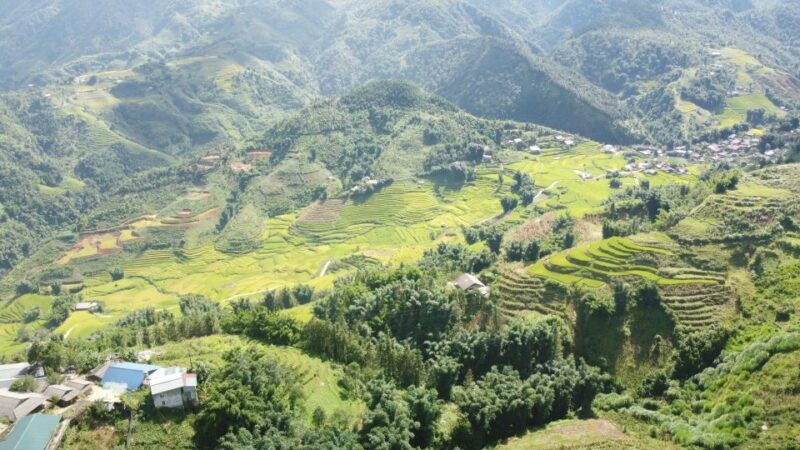 2 / 7
2 / 7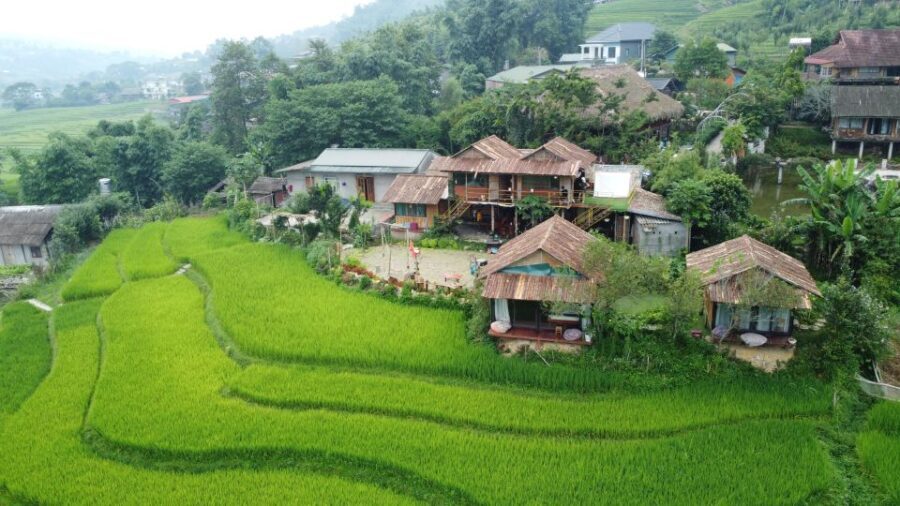 3 / 7
3 / 7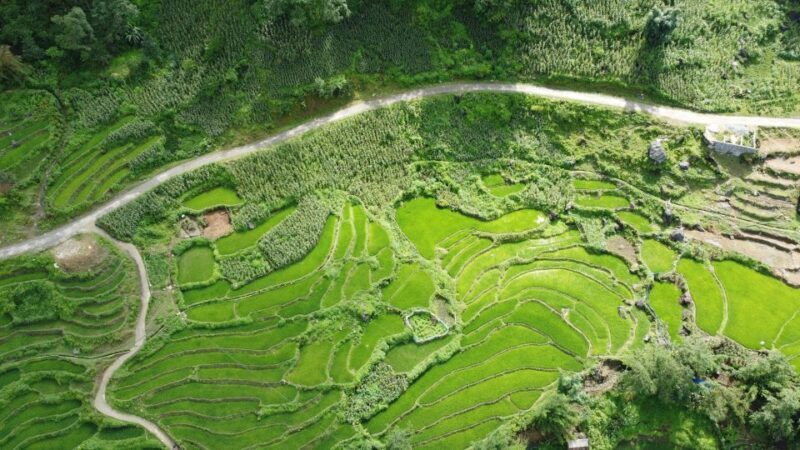 4 / 7
4 / 7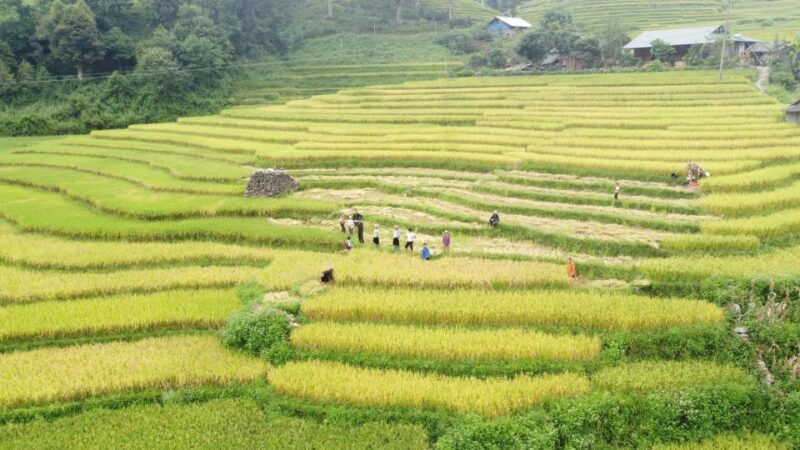 5 / 7
5 / 7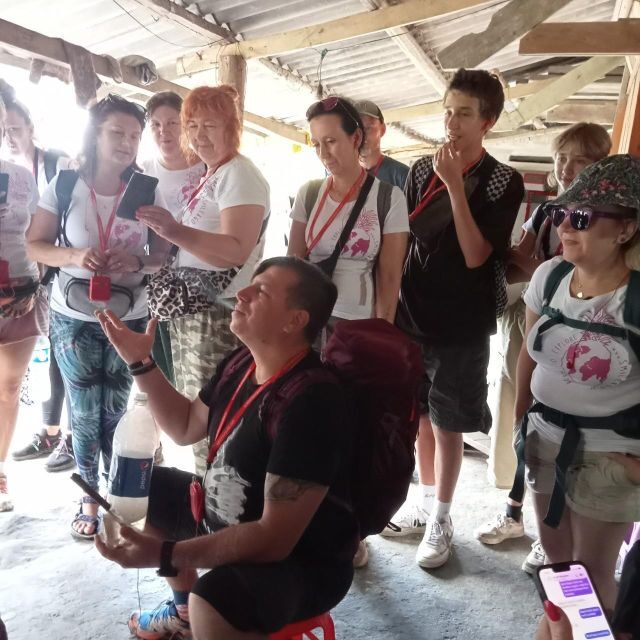 6 / 7
6 / 7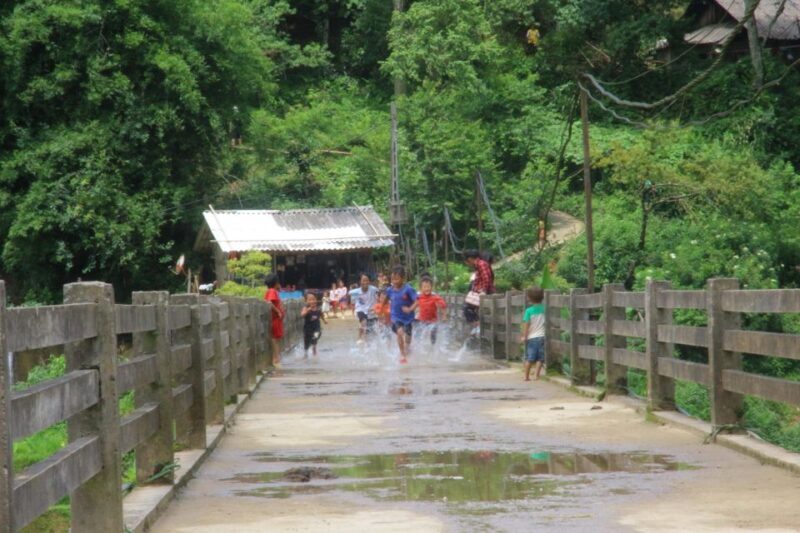 7 / 7
7 / 7- Balanced itinerary combining cultural visits, scenic walks, and local cuisine
- Knowledgeable local guides enhance understanding of ethnic traditions
- Comfortable transportation with VIP bus from Hanoi, but comfort varies
- Cultural immersion in ethnic villages like Cat Cat, Lao Chai, and Ta Van
- Active walking through rice terraces, streams, and bamboo forests
- Good value at around $116 per person, including most meals and accommodations
A Detailed Look at the Tour Experience
You can also read our reviews of more tours and experiences in Hanoi



Starting from Hanoi: Comfort Meets Long Drive
Your adventure begins early in Hanoi, with a pickup around 6 am. The VIP bus provides a relatively comfortable way to travel the approximately 5 hours to Sapa — although some reviews hint that the bus’s quality might be hit-or-miss, with complaints about the bunk-bed style seating. We recommend bringing a small pillow or blanket if you’re sensitive to comfort. The advantage? You arrive in Sapa refreshed enough to start exploring soon after.
Arrival and First Impressions of Sapa
Once in Sapa, you’re greeted by your local guide, who introduces you to this mountain town’s vibe. After checking into your hotel, the tour kicks off with a hearty lunch. The chance to settle in and get a taste of local flavors is a welcome break before heading out.
Exploring Cat Cat Village
In the afternoon, you’ll walk to Cat Cat village, home to the H’mong people. This is a popular spot for first-time visitors because it offers a glimpse into ethnic life, with traditional crafts, unique customs, and a scenic waterfall. The French-built hydroelectric power plant adds historical intrigue to the landscape, and it’s a photographer’s dream.
One reviewer praised the guide’s storytelling, saying, “Su was outstanding,” which highlights the value of knowledgeable local guides in making these visits educational and engaging. Expect to learn about local habits and customs, making the experience more immersive.
More Great Tours NearbyDay Two: Trekking Through Rice Terraces and Villages
The highlight of the trip for many is the trekking day. After breakfast, you leave the hotel, leaving your large luggage behind to lighten the load. You’ll carry only a small bag for essentials as you hike around 14 km through muddy and sometimes slippery terrain, especially in wet weather. Comfortable, sturdy shoes are essential.
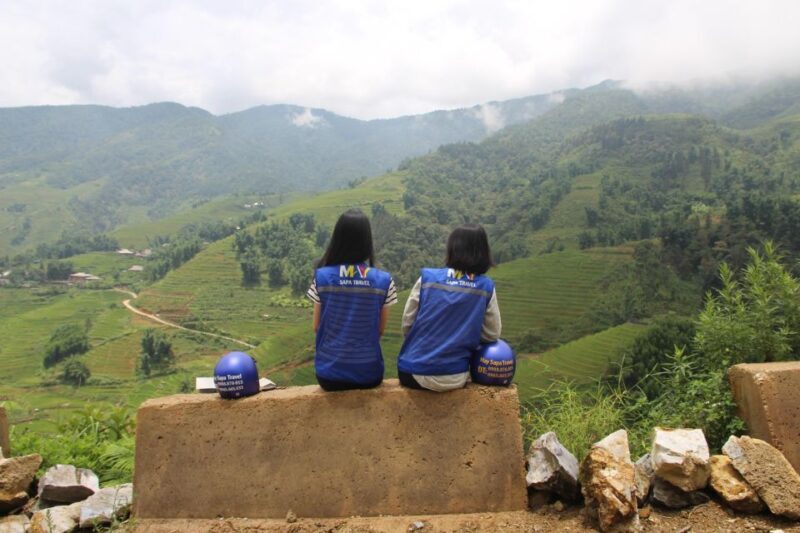
The trek begins with Y Linh Ho village, followed by Lao Chai, where you get panoramic views of rice terraces carved into the mountainside. These terraces aren’t just pretty; they’re a testament to centuries of farming ingenuity. Walking along streams and through bamboo forests, you’ll get close to the traditional lifestyles of the Black Hmong people in Lao Chai and the Tavan village.






Authentic Interaction & Cooking Experience
In Tavan village, you stay overnight in a homestay, which offers a rare opportunity to really see rural life up close. The homestay experience is often praised for its authenticity, with the chance to learn how to cook local dishes during the evening’s cooking class. One review mentions, “You can prepare and cook dishes made by yourself,” adding a fun, participatory element to the trip.
The homestay’s communal setting offers insights into local customs and daily routines, making this part of the trip memorable for those seeking genuine cultural interactions.
Day Three: Visiting Red Dao Villages & Returning to Hanoi
The final day involves more walking — around 6 km — to visit Giang Ta Chai and Supan villages. These Red Dao villages are especially colorful, with distinctive traditional clothing and customs. The walk, about 6 km, is manageable but involves some uphill sections. The scenery is striking, with lush forests and mountain views.
After lunch, the bus picks you up in the late afternoon for the return to Hanoi, arriving around 9:30 pm. That long journey back is a good time to reflect on the trip, or maybe nap if the bus’s comfort allows.
What’s Included and What’s Not
This tour offers solid value at $116 per person, covering transportation, accommodations, most meals, and guided walks. The VIP bus from Hanoi is a nice touch, giving you a comfortable ride, although some reviews suggest the quality can vary.
Your accommodations include a 3-star hotel in Sapa and a homestay in Tavan village, providing a balance of comfort and authenticity. Meals are mostly included, with local dishes served during the trip, and the chance to learn cooking techniques.
However, alcohol, drinks outside meals, insurance, and taxes aren’t covered. It’s worth bringing some extra cash for souvenirs or additional snacks.
Practical Tips for Travelers
Bring comfortable walking shoes suitable for mud and uneven paths, a change of clothes, and some insect repellent. Since the terrain can be muddy, waterproof shoes or boots are advisable. Sunscreen is also recommended due to outdoor exposure.
Travelers should be aware that the tour involves significant walking — about 14 km on Day 2 alone — so it’s best suited for those in decent physical condition. Also, it’s not appropriate for very young children, pregnant women, or people with mobility issues.
Authentic Experiences and Authenticity
While the tour is well-organized, it’s important to remember that some villages may be somewhat touristy, especially Cat Cat. The guide helps you understand local customs, but don’t expect pristine, untouched villages — they’re real communities balancing tradition with visitor interest.
The opportunity to participate in a cooking class at the homestay adds an authentic touch, allowing you to connect with local cuisine in a hands-on way.
The Pros and Cons: Worth Weighing
Pros:
– Knowledgeable guides make cultural stories come alive.
– The scenic hikes through rice terraces and streams are genuinely spectacular.
– The homestay experience offers a glimpse into rural life.
– The trip provides a great value at just over $100, including meals and accommodations.
Cons:
– The bus ride from Hanoi can be uncomfortable, with some reviews describing poor quality.
– The long travel times mean less time in Sapa itself.
– The trekking can be muddy, requiring proper footwear.
– Some might find the touristy villages less authentic than hoped.
Who Should Consider This Tour?
This experience suits travelers who want a balanced mix of sightseeing, culture, and physical activity without needing extreme trekking or luxury accommodations. It’s ideal for those on a budget but eager to see Vietnam’s stunning landscapes and meet local minorities. If you value guided insights, scenic walks, and authentic rural experiences, this tour offers a practical, enjoyable option.
However, if you prioritize comfort or are sensitive to long bus rides, consider your options carefully. The tour is designed for reasonably active travelers who can handle a fair amount of walking and uneven terrain.
This 3-day Hanoi to Sapa tour offers an accessible way to see some of northern Vietnam’s most beautiful scenery and meet its diverse ethnic communities. It’s a solid choice for travelers who want guided insights, authentic village visits, and impressive vistas of rice terraces and mountain streams — all at a reasonable price.
The inclusion of homestays and cooking classes adds a layer of cultural connection, making this more than just a sightseeing trip. While the bus ride may be less comfortable, the scenic and cultural rewards make up for it for many travelers.
In essence, this tour provides a practical, value-rich experience that suits those looking to combine adventure with authentic encounters. It’s a wonderful way to understand the rural side of Vietnam while enjoying some of the best views the country has to offer.
Hanoi to Sapa: Terraced Fields, Culture & Cuisine 3 Days
FAQ
Is the bus from Hanoi to Sapa comfortable?
The VIP bus is generally considered better than standard options, but some reviews mention that the quality may vary. Pack a small pillow or blanket if you’re sensitive to long rides.
What should I pack for the trekking days?
Comfortable, sturdy shoes suitable for muddy terrain are essential. Bring a change of clothes, insect repellent, sunscreen, and a small bag for essentials during the treks.
Are the villages touristy?
Some villages, like Cat Cat, are popular with visitors and may be somewhat commercialized, but guides help you learn about local customs and traditions.
How strenuous are the walks?
The treks involve about 14 km on Day 2 and 6 km on Day 3, often over uneven, muddy paths. Good physical condition and proper footwear are recommended.
Are meals authentic?
Yes, most meals include local dishes, and the cooking class in Tavan village provides a hands-on cultural experience.
Who isn’t suited for this tour?
People with mobility issues, pregnant women, children under 3, or those over 70 may find the physical demands and terrain challenging.
This 3-day trip to Sapa balances scenic beauty, cultural insights, and local life, making it a worthwhile choice for travelers eager to see Vietnam’s mountain regions without breaking the bank or committing to strenuous hikes.
You can check availability for your dates here: