- Introduction
- Key Points
- Overview of the Hiroshima Path to Peace Tour
- The Itinerary: A Step-by-Step Journey
- Stop 1: Atomic Bomb Dome
- Stop 2: Aioi Bridge
- Stop 3: Peace Clock Tower
- Stop 4: Peace Bell
- Stop 5: Monument to Korean Victims and Survivors
- Stop 6: Children’s Peace Monument
- Stop 7: Rest House of Hiroshima Peace Park
- Stop 8: Hiroshima National Peace Memorial Hall
- Stop 9: Flame of Peace and Cenotaph
- Final Stops: Hiroshima Peace Memorial Museum & Gates of Peace
- Why This Tour Offers Real Value
- What Reviewers Say
- Who Should Consider This Tour?
- The Sum Up
- FAQ
- More Walking Tours in Hiroshima
- More Tours in Hiroshima
- More Tour Reviews in Hiroshima
Introduction
 1 / 7
1 / 7 2 / 7
2 / 7 3 / 7
3 / 7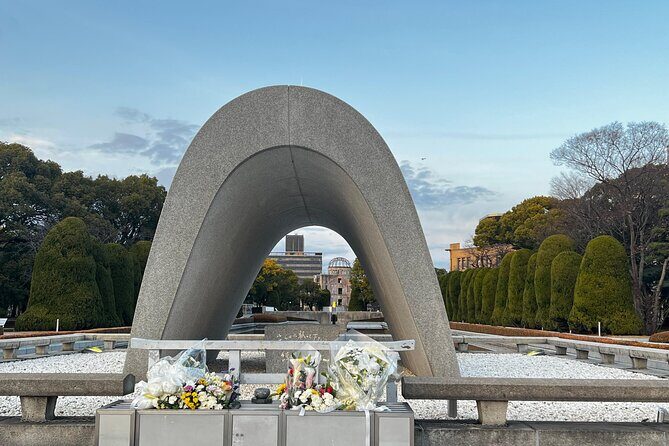 4 / 7
4 / 7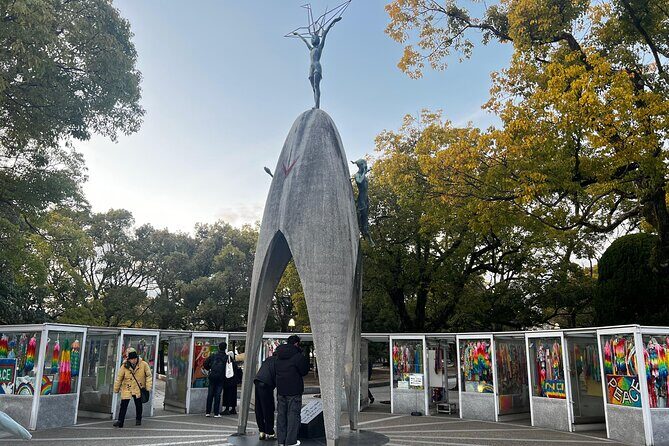 5 / 7
5 / 7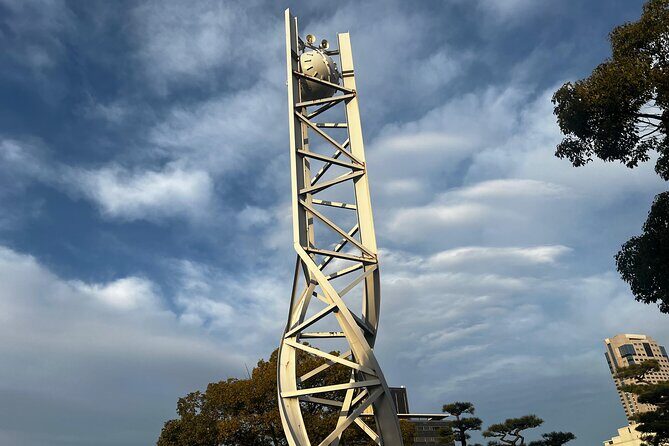 6 / 7
6 / 7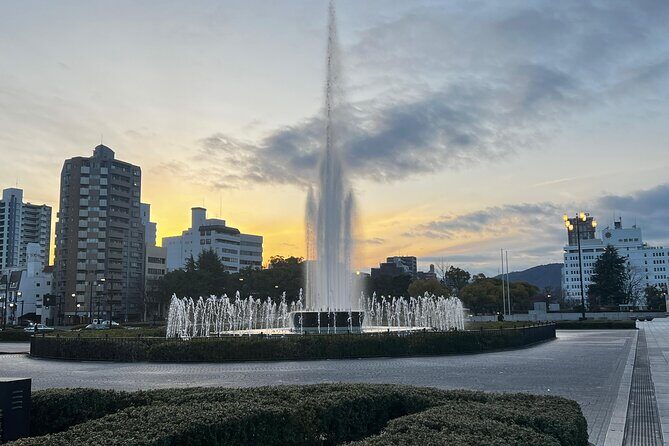 7 / 7
7 / 7Our review focuses on the Hiroshima Path to Peace Private Walking Tour, a thoughtfully curated journey through the city’s most meaningful sites. Though we haven’t experienced it firsthand, this tour promises a profound encounter with Hiroshima’s history, culture, and spirit of reconciliation. It’s ideal for visitors who want more than just a quick glance; this experience invites you to reflect deeply while exploring at a comfortable pace.
Two aspects we particularly appreciate about this tour are its balanced mix of iconic landmarks and hidden stories—from the well-known Atomic Bomb Dome to lesser-visited sites like the Rest House survivor story. Plus, the personalized nature of a private guide ensures that you won’t just see the sights, but also hear the stories behind them, making your visit more meaningful.
A possible consideration is the length and emotional weight of the stops—this is not a light sightseeing tour but a contemplative experience that can be quite moving. It’s best suited for those with an interest in history, peace, and culture, and who are prepared for a walking tour that takes about three hours.
Key Points
- Authentic storytelling brings Hiroshima’s history to life through survivor tales and meaningful monuments.
- Comprehensive itinerary covers iconic sites, memorials, and hidden gems, offering a well-rounded perspective.
- Affordable price point of around $43 provides excellent value for a private guided experience.
- Reflective stops like the Peace Fountain and Prayer Fountain add a peaceful, contemplative element.
- Cultural insights on paper cranes and rebuilding efforts deepen understanding beyond the battlefield.
- Convenient meeting points and a flexible schedule make this accessible and easy to arrange.
You can also read our reviews of more walking tours in Hiroshima

Overview of the Hiroshima Path to Peace Tour
This three-hour private walking tour is designed to take you across Hiroshima’s most emblematic landmarks and poignant memorials. Led by a knowledgeable guide, it combines historical insight with personal stories, creating a deeply human connection with the city’s journey from devastation to hope.
The fact that it’s a private tour means your group can go at a comfortable pace, ask questions, and focus on the aspects most meaningful to you. With a price of just over $43 per person, it offers significant value—especially considering the depth and personal attention involved.
The Itinerary: A Step-by-Step Journey
Stop 1: Atomic Bomb Dome
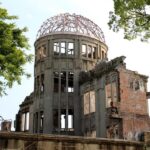
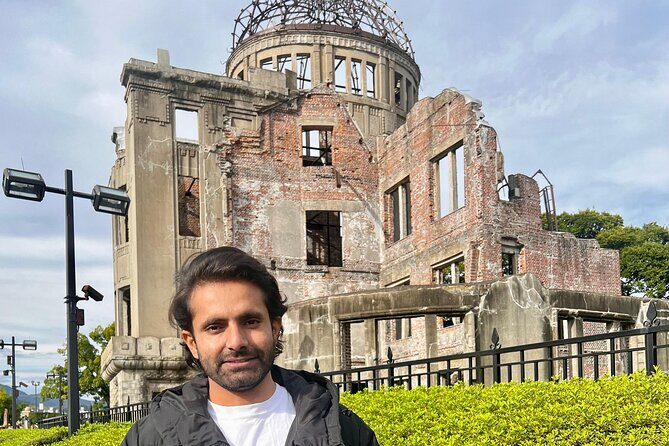
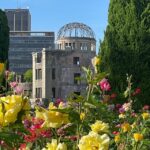
We begin at Hiroshima’s most recognizable landmark—the Atomic Bomb Dome, a UNESCO World Heritage Site. This structure, often called the Genbaku Dome, is the only building left standing near ground zero after the 1945 bombing. Standing here, you’d feel the weight of history. The guide’s insights help you grasp its symbol of resilience and what it represents for Hiroshima and the world.
Expect about 20 minutes here, with free admission. It’s a sobering but essential start that sets the tone for the tour’s emotional depth.
Stop 2: Aioi Bridge
Next, we visit the Aioi Bridge, the intended target of the atomic bomb because of its distinctive T-shape. Its reconstruction after the war symbolizes Hiroshima’s resilience. From here, you’ll appreciate how the city rebuilt itself, turning a site of destruction into a symbol of recovery.
This stop takes around 10 minutes and is also free to visit. It’s a quick but powerful visual reminder of the bomb’s impact and the city’s rebirth.
You can also read our reviews of more private tours in Hiroshima


Stop 3: Peace Clock Tower
The Peace Clock Tower in the Peace Memorial Park chimes precisely at 8:15 AM each day—marking the exact moment the bomb fell. Standing beside it, you can reflect on the passage of time and the importance of peace.
Expect about 10 minutes here—an evocative spot that’s perfect for contemplating the ongoing hope for a nuclear-free world.
Stop 4: Peace Bell
The Peace Bell invites visitors to strike a deep, resonant chime. It’s a powerful moment, symbolizing a collective wish for peace. The guide might encourage you to ring it, connecting your voice with Hiroshima’s ongoing plea for harmony.
This stop lasts around 10 minutes, and the act of ringing the bell can be unexpectedly moving.
Stop 5: Monument to Korean Victims and Survivors
This monument honors over 20,000 Koreans who lost their lives in Hiroshima. Its turtle-shaped design and eternal flame evoke solemn remembrance and solidarity. The story of Koreans suffering in Hiroshima underscores the war’s human toll.
Allow about 10 minutes for this quiet, respectful stop.
Stop 6: Children’s Peace Monument
Inspired by Sadako Sasaki, a young girl who folded a thousand paper cranes while battling leukemia from radiation exposure, this monument has become a universal symbol of hope. Visitors leave thousands of colorful cranes from around the world here, embodying wishes for peace.
Spending about 10 minutes here allows you to absorb its innocence and resilience, especially if you’ve seen the moving stories of Sadako.
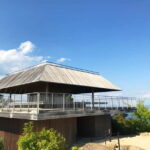
Stop 7: Rest House of Hiroshima Peace Park
Hidden just steps from ground zero, the Rest House has a poignant survivor story. Eizo Nomura, who was in the basement during the bombing, survived here. This site offers a glimpse into the immediate aftermath and human stories behind the destruction.
A 10-minute visit provides a more intimate, less touristy perspective on Hiroshima’s tragedy.
Stop 8: Hiroshima National Peace Memorial Hall
This underground hall is designed for reflection, dedicated to victims of the atomic bomb. Its circular shape fosters contemplation, and the exhibits include personal testimonies that make history tangible.
Spend about 20 minutes here to process the emotional impact and honor those who suffered.
Stop 9: Flame of Peace and Cenotaph
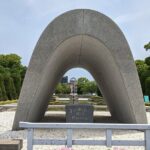
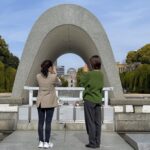
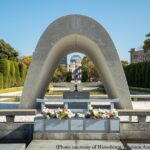
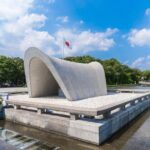
The Flame of Peace has burned since 1964, symbolizing the hope for nuclear abolition. The Cenotaph, with its curved stone design, holds the names of all known victims and frames both the Flame and Atomic Bomb Dome in a single view.
This site takes around 10 minutes, offering a moment to reflect on the ongoing fight against nuclear weapons.
Final Stops: Hiroshima Peace Memorial Museum & Gates of Peace
The Peace Memorial Museum is the tour’s emotional highlight. It offers compelling exhibits, survivor belongings, and testimonies that narrate the human cost of the atomic bombing. Though about an hour long, it’s a powerful reminder of the horrors of war and the importance of peace.
Close with a walk through the Gates of Peace, ten glass arches inscribed with “Peace” in 49 languages. It’s a striking visual symbol of unity and hope, aligned along the path toward the Dome and Cenotaph.
Why This Tour Offers Real Value
The price of around $43, includes entrance fees—such as the Peace Memorial Museum—and personalized guidance. The private format allows for flexible pacing, engaging storytelling, and tailored questions, which many travelers find worth the extra investment compared to group tours.
The tour strikes a nice balance between iconic sites and quieter, reflective spaces. Its duration makes it manageable even for those on tight schedules, yet it’s deep enough to leave a lasting impression. The guide’s insights—especially sharing survivor stories—add a layer of authenticity that’s hard to find in self-guided visits.
What Reviewers Say
Reviewers praise the expertise of the guide and the emotional depth of the experience. One noted that Sheraz, the guide, “knew everything about Hiroshima history and all about A-bomb,” making the tour both educational and personal. The inclusion of lesser-known sites like the Rest House also enriches the experience, providing a fuller picture beyond the typical tourist stops.
Who Should Consider This Tour?
This experience is perfect for history buffs, peace advocates, and travelers seeking authentic stories of resilience. It’s especially suited for those comfortable with walking and willing to reflect on heavy subject matter. Because it’s private, it can be tailored to your pace and interests, making it ideal for families, couples, or solo travelers who want a personalized experience.
If you’re interested in understanding Hiroshima beyond the surface and want a meaningful, contemplative journey, this tour offers excellent value and authentic insight.
The Sum Up
The Hiroshima Path to Peace Private Walking Tour provides a well-rounded, heartfelt introduction to Hiroshima’s most significant sites and stories. Its combination of iconic landmarks, reflective memorials, and personal narratives makes it especially powerful. The price point is reasonable for a private guide, and the experience is crafted to leave a lasting impression of hope, resilience, and the importance of peace.
This tour suits travelers who want to deepen their understanding of Hiroshima’s history, appreciate cultural symbols of rebuilding, and engage in thoughtful reflection. It’s a meaningful way to honor the past while inspiring hope for the future.
Hiroshima Path to Peace Private Walking Tour
FAQ
Is this a private tour? Yes, it is exclusively for your group, allowing for a more personalized experience and flexible pacing.
How long does the tour last? The tour lasts approximately 3 hours, covering about 11 major stops.
What is included in the price? Entrance fees to sites like the Peace Memorial Museum are included, along with a cultural and food recommendation.
Are there any additional costs? The only notable exclusion is coffee or tea, which you might find at local cafes after the tour.
Where does the tour start and end? It begins at the Cenotaph erected by former Hiroshima Prefecture officials and ends at the Gates of Peace.
Is the tour suitable for all ages? Most travelers can participate, but given the emotional content, it is best suited for those prepared for a reflective experience.
How can I cancel if needed? You can cancel up to 24 hours in advance for a full refund; cancellations less than 24 hours are not refundable.
Is the tour accessible near public transportation? Yes, the meeting points are conveniently located near public transit.
Is there a recommended time to take this tour? The tour can be enjoyed any time, but mornings or early afternoons are popular choices to avoid late-day fatigue and to experience the city in daylight.
This tour offers a heartfelt, insightful, and visually engaging way to understand Hiroshima’s tragic past and hopeful future. Whether you’re a history enthusiast or a peace-minded traveler, it’s an experience that will resonate long after your visit.