Taking part in a Shinto ritual at Waseda Shrine offers a glimpse into Japan’s spiritual and cultural heart. It’s not just about dressing up and snapping photos; it’s an opportunity to understand the customs behind Japanese shrine life firsthand. This experience, priced at $269 per person, invites travelers to don traditional attire—whether as a shrine maiden or a Shinto priest—and actively participate in sacred rituals.
What makes this tour particularly appealing is the chance to learn a sacred dance or prayer from a local priest, making it much more than a generic sightseeing stop. The personalized craft of making your own amulet adds a memorable keepsake, connecting you more deeply to the spiritual practices you witness.
On the downside, it’s a small-group experience (up to four people), which might limit spontaneous sharing but guarantees a more intimate learning environment.
If you’re drawn to authentic Japanese religious customs or want an immersive cultural activity that goes beyond temples and souvenir shops, this experience fits well into your Hiroshima itinerary. It’s especially suited for those who enjoy interactive, hands-on activities and don’t mind dressing up in traditional clothing.
- Key Points
- Introduction: Why Try the Waseda Shrine Miko and Kannushi Experience?
- What to Expect: A Step-by-Step Overview
- Meeting the Local Priest and Learning About Waseda Shrine’s History
- Dressing Up as a Miko or Kannushi
- Learning and Performing a Sacred Dance
- Participating in a Shinto Prayer Ritual
- Climbing to the Main Hall and Offering a Prayer
- Crafting Your Own Omamori
- Photo Session and Additional Tips
- Evaluating the Value: What’s Included and Worth Considering
- Is It Worth the Price?
- Practical Details: What You Need to Know Before Booking
- Why This Tour Stands Out
- Who Will Love This Experience?
- Final Thoughts
- FAQs
- More Tour Reviews in Hiroshima
Key Points
- Authentic participation in Shinto rituals with a local priest
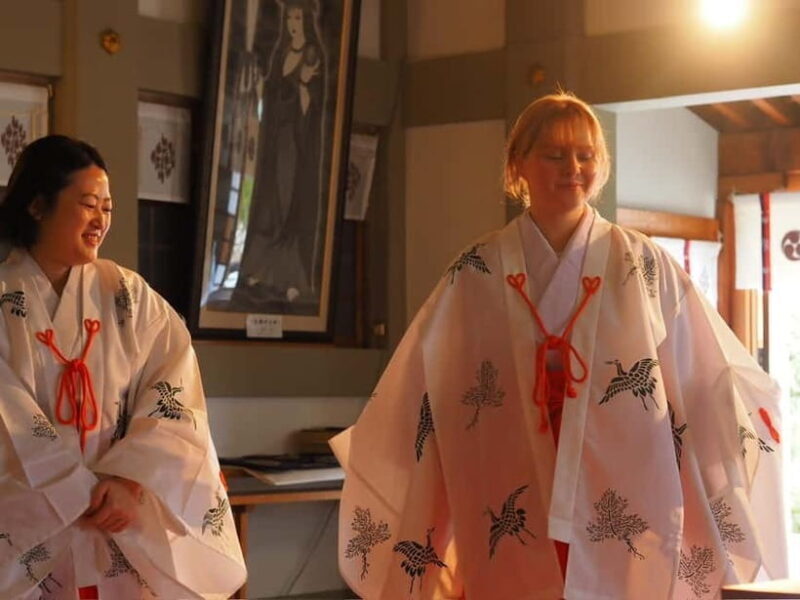
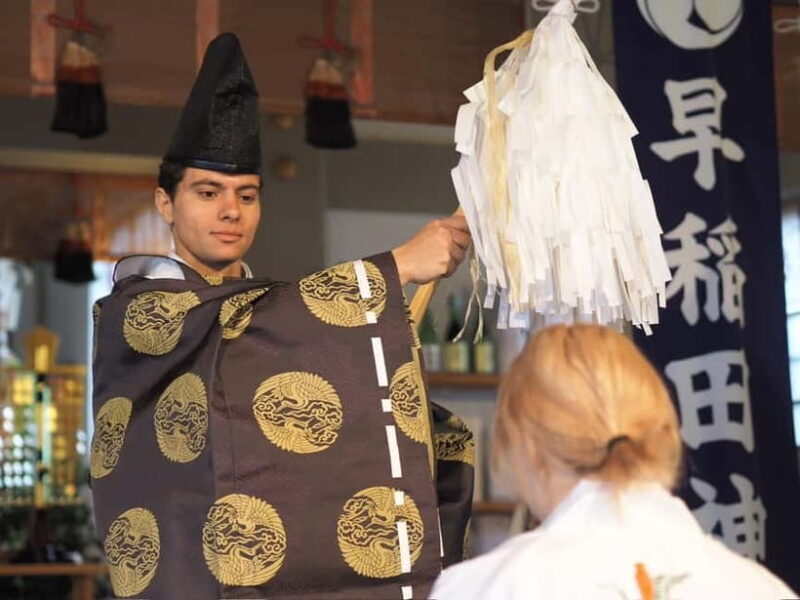
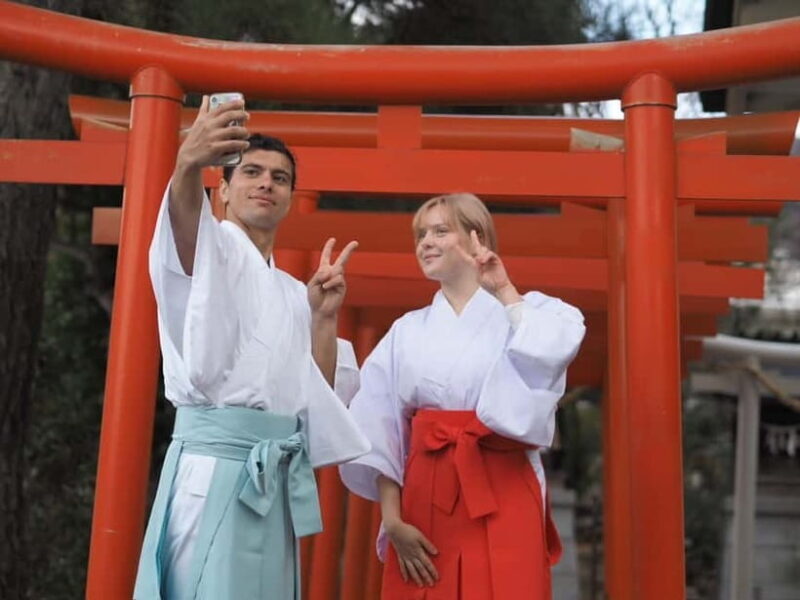
- Dress-up experience as either a miko (shrine maiden) or kannushi (Shinto priest)
- Opportunity to learn and perform a sacred dance or prayer
- Make your own amulet as a memorable souvenir
- Small group setting ensures personalized attention
- Clear instructions and all necessary clothing provided or available
Introduction: Why Try the Waseda Shrine Miko and Kannushi Experience?
If you’re looking for a way to connect more deeply with Japan’s spiritual traditions while visiting Hiroshima, this tour offers a rare, hands-on chance. Instead of simply observing, you’ll dress as a shrine maiden or priest and actively participate in the rituals that have been performed for centuries. Imagine yourself performing a sacred dance or offering prayers—these are moments that bring a slice of Japanese religion to life.
Two aspects we find especially appealing are the opportunity to learn from a local priest and the crafting of a personal amulet. These elements transform what might be a fleeting visit into a meaningful experience you can carry home. That said, potential participants should consider the small group size, which is wonderful for personalized guidance but might be less flexible if you’re traveling with a larger group.
This experience is best suited for travelers who seek authentic cultural encounters and are comfortable engaging actively—whether in traditional dress or participating in rituals. It’s equally appealing for those curious about Shinto or looking for a unique, memorable activity that goes beyond the typical temple visit.
You can also read our reviews of more tours and experiences in Hiroshima.

What to Expect: A Step-by-Step Overview
Meeting the Local Priest and Learning About Waseda Shrine’s History
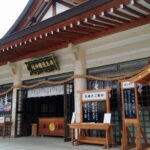
Your journey begins with a warm welcome from a knowledgeable local priest. He’ll share insights into Waseda Shrine’s history and significance, grounding your experience in context. Expect to hear about the shrine’s origins and its role in Hiroshima’s spiritual landscape. This orientation ensures you understand what you’re participating in rather than just copying rituals.
Dressing Up as a Miko or Kannushi
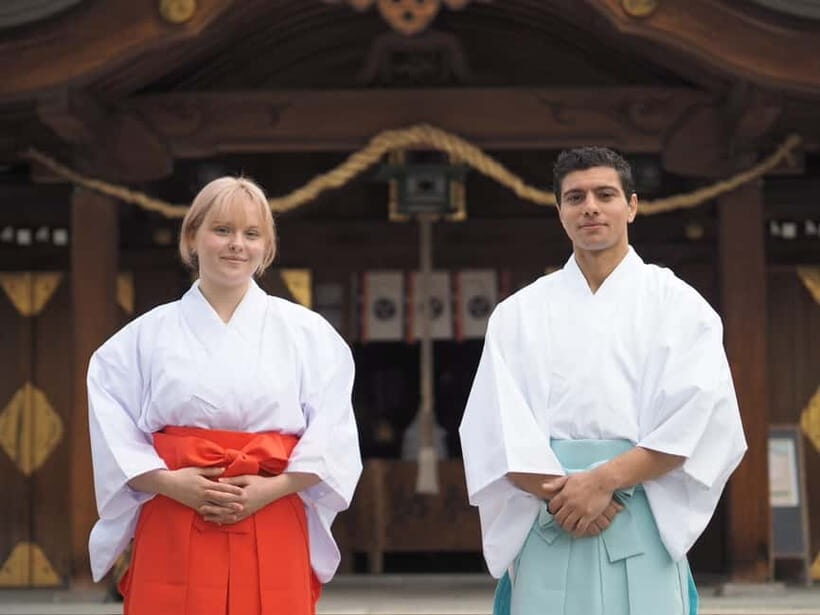
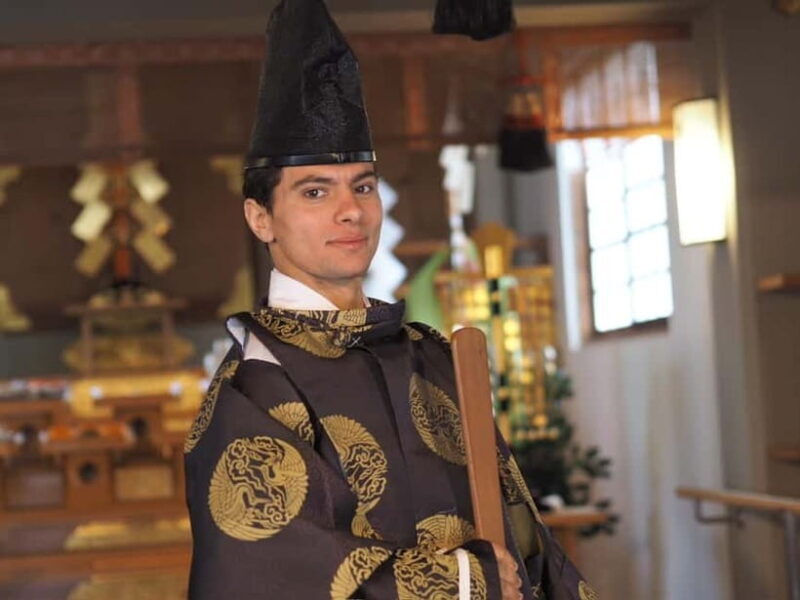
Next, the fun begins. You’ll be provided with a traditional costume—either the iconic white and red attire of a miko or the more formal robes of a shinto priest. If you don’t have tabi socks or a koshi-himo (a waist cord), they will be supplied. Dressing up is straightforward, and most participants find it adds a playful yet respectful element to the experience.
More Great Tours NearbyLearning and Performing a Sacred Dance
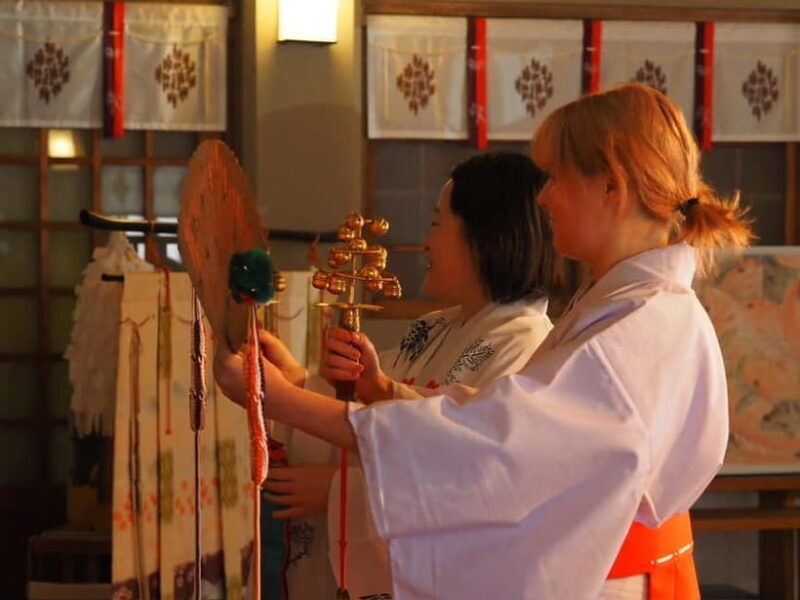
Once suited up, you’ll watch a demonstration of the miko dance, a graceful ritual that embodies reverence and tradition. Then, guided by your instructor, you’ll practice the steps yourself. This dance isn’t just for show; it’s an act of devotion, and learning it gives insight into the discipline and grace involved in shrine rituals. Reviewers consistently praise how engaging and accessible the dance lessons are, with comments like “it’s a surprisingly fun way to connect with Japanese culture.”




Participating in a Shinto Prayer Ritual
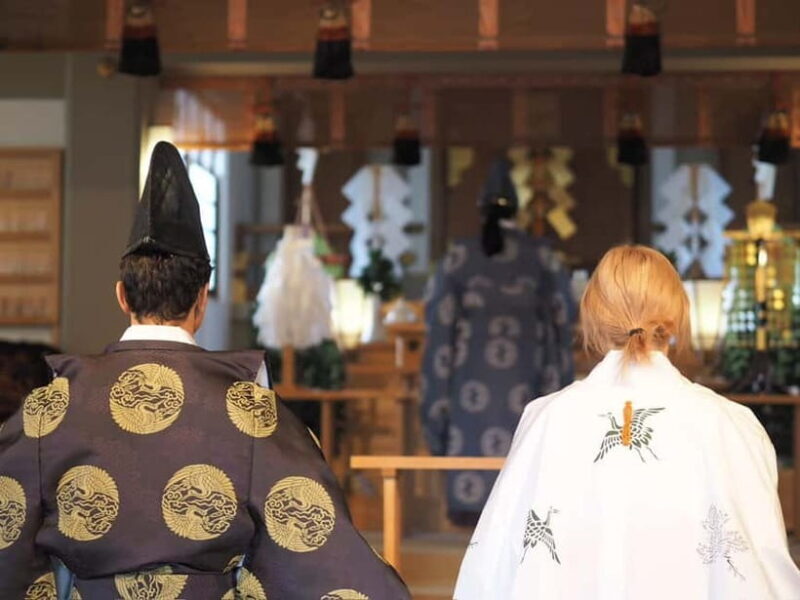
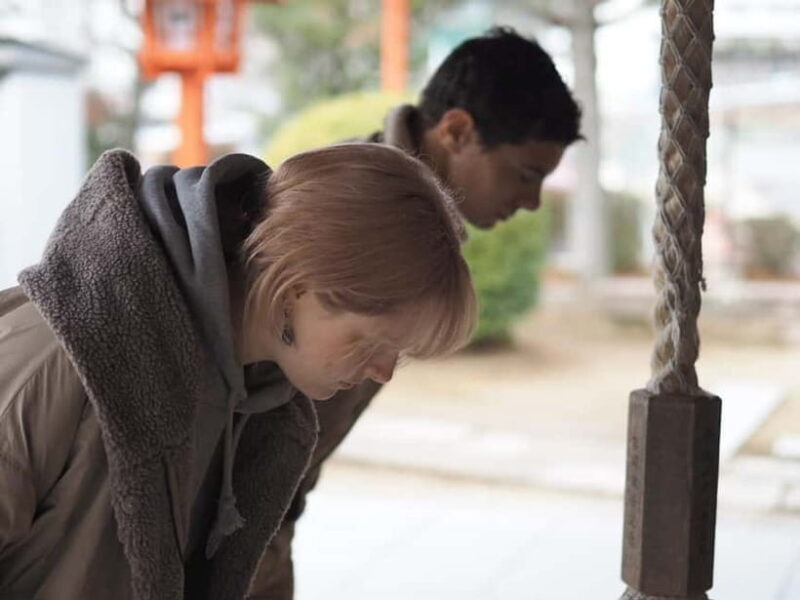
For those choosing the priest role, or even as a participant in the shrine maiden role, you’ll engage in a traditional Shinto prayer ritual. The priest will guide you on how to offer prayers, tamagushi (sacred offerings), and connect spiritually with the divine. This segment is often described as meaningful and authentic, with some visitors noting that it “felt surprisingly personal and sincere.”
Climbing to the Main Hall and Offering a Prayer
After the ritual, you’ll be led to the main hall where you can make an offering of your own. This involves offering a tamagushi, which is a symbolic act of respect and communication with the kami (spirits). It’s a quiet moment of reflection that many find surprisingly moving.
Crafting Your Own Omamori
Finally, the experience wraps up with making a traditional omamori, a personal amulet believed to bring good luck or protection. You can choose designs and decorate your amulet, creating a tangible souvenir that embodies your visit.
Photo Session and Additional Tips
Throughout, you’ll have opportunities for photos within the shrine grounds, capturing your participation in traditional attire and rituals. The experience is flexible enough to fit into a morning or afternoon slot, and groups are kept small to allow for personalized guidance.
Evaluating the Value: What’s Included and Worth Considering
For $269, the package covers your costume, dance lessons, prayer experience, official shrine visit, a photo session, and the amulet-making activity. This comprehensive approach makes it more than just a casual tour; you’re actively involved in the spiritual traditions, which adds to its value.
Authentic participation comes with some expectations—wearing the provided or brought clothing, engaging in rituals, and respecting the sacred space. The experience lasts approximately 2 to 3 hours, making it a manageable addition to a day exploring Hiroshima.
Is It Worth the Price?
Compared to other cultural activities, this tour offers significant hands-on engagement and personal souvenirs. The cost reflects the personalized guidance, costumes, and activities provided, making it a worthwhile investment for those eager to experience Japan’s religious customs authentically.
Practical Details: What You Need to Know Before Booking
This experience is offered in both Japanese and English, ensuring ease of understanding for international travelers. You can reserve now and pay later, giving flexibility in planning, and cancellations are free if made at least 24 hours in advance.
Participants should wear a white inner shirt for comfort and are encouraged to bring tabi socks and a koshi-himo if they own them. The minimum group size is two, with a maximum of four, making it intimate and suitable for couples or small groups. Larger groups should contact the provider ahead of time.
Why This Tour Stands Out
We appreciate this experience’s depth and authenticity, which go beyond the usual temple visits. It’s clear that the focus is on active participation and learning rather than mere observation. The opportunity to perform a sacred dance and engage in a prayer ritual from a local priest offers a rare, meaningful connection to Japanese spiritual life.
The personalized amulet makes the experience more tangible and memorable, serving as a reminder of your interaction with Japan’s religious traditions. Plus, the small-group setting ensures you get plenty of individual attention, making sure your questions are answered and your participation is guided smoothly.
Who Will Love This Experience?
This tour is perfect for curious travelers who want to go beyond sightseeing and experience a slice of Japanese spirituality firsthand. It’s ideal for those who enjoy interactive activities and want tangible souvenirs. Culture buffs, religious enthusiasts, or anyone simply interested in authentic Japanese rituals will find it rewarding.
It’s also a great choice for couples or small groups looking for a unique, personal experience in Hiroshima. If you prefer guided, small-group activities that foster genuine learning and participation, this tour ticks all those boxes.
Final Thoughts
The Hiroshima: Waseda Shrine Miko and Kannushi Experience offers more than a typical shrine visit; it’s a chance to wear tradition, learn rituals, and create lasting memories. It invites you into Japan’s spiritual world with authenticity and warmth, making it a meaningful addition to your Hiroshima journey.
Whether you’re drawn by the dance, the prayer, or the chance to craft an amulet, this experience provides a respectful and engaging way to connect with Japanese culture. It’s best suited for those hungry for authentic, hands-on cultural encounters rather than passive sightseeing.
For travelers eager for a deep dive into Shinto rituals with knowledgeable guides and small group intimacy, this tour is a standout choice. It offers a genuine peek into Japan’s spiritual life—an experience that will stay with you long after you’ve returned home.
Hiroshima: Waseda Shrine Miko and Kannushi Experience
FAQs
Is participation limited to women or men?
Women can participate in the Miko (shrine maiden) experience, while men are invited to take part as a Shinto priest (Kannushi). The experience is designed to accommodate both roles comfortably.
What should I wear or bring?
You should wear a white inner shirt. If you have tabi socks and a koshi-himo, bring them; if not, they will be provided. Comfortable clothing that can be easily changed is recommended.
How many people can join at once?
Up to four participants can join at the same time, making it a small, intimate group. For larger groups, advance contact is advised.
Can I cancel if my plans change?
Yes, you can cancel up to 24 hours in advance for a full refund, providing flexibility if your schedule shifts.
What language is the tour offered in?
The experience is available in both Japanese and English, ensuring clear communication regardless of your language preference.
Is the experience suitable for children?
While not explicitly stated, participation involves dressing in traditional attire and engaging in rituals, so it’s best suited for older children or teenagers who can respect the sacred setting.