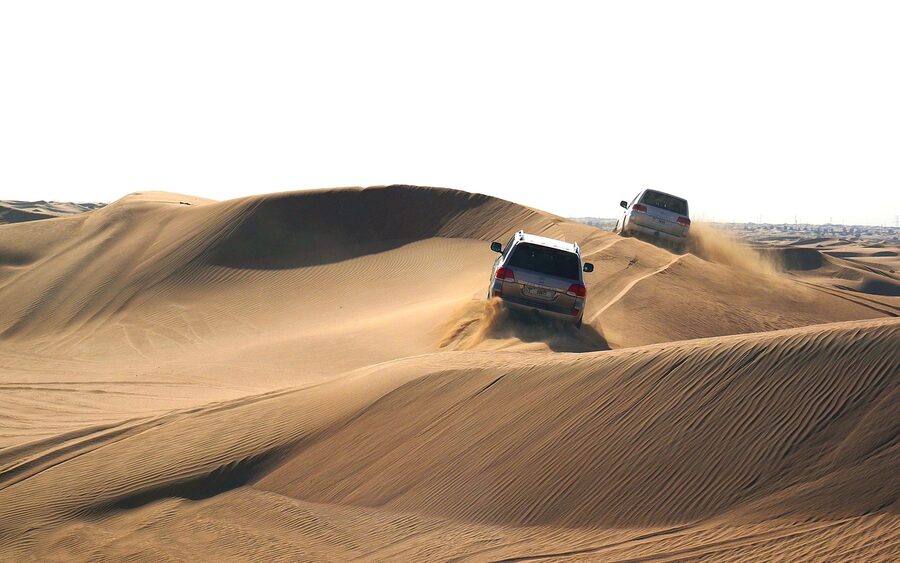
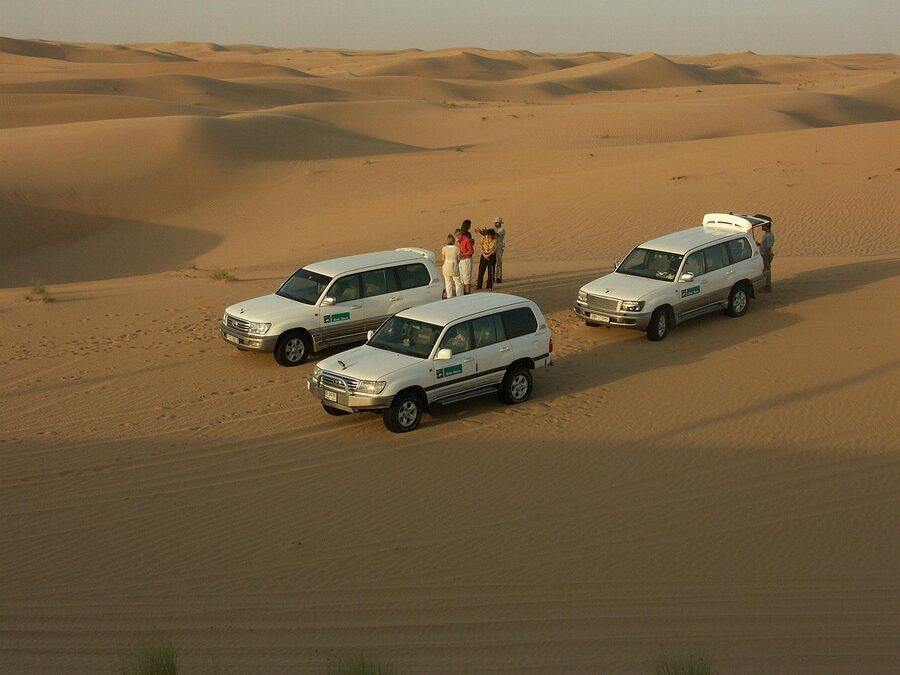
The driver grinned, deflated the tires to half pressure, and said “hold on.” That was the last calm moment of the evening. For the next twenty minutes, our Toyota Land Cruiser carved through red sand dunes at angles I didn’t think were legal — or physically possible. My wife grabbed the ceiling handle so hard her knuckles went white. I grabbed my phone and immediately dropped it into the footwell. Somewhere behind us, another truck full of travelers was screaming. It was, without question, the most fun I’ve had in a car.
The Dubai desert safari is probably the single most popular tourist activity in the UAE, and having done it, I understand why. It packs dune bashing, camel rides, sandboarding, a BBQ dinner, live entertainment, and a sunset you’ll remember forever into one evening. The price? As low as $29 per person. That’s less than a mid-range restaurant meal in Dubai Marina.
But here’s the thing: there are over 40 different desert safari tours listed on GetYourGuide and Viator, all with slightly different inclusions, prices, and quality levels. I’ve dug through the data — hundreds of thousands of reviews — to figure out which ones are actually worth booking. Let me save you the research.
In a Hurry? Our Top Picks
The most booked option. Quad bike, camel ride, BBQ dinner, and a 5-star camp. Hard to beat at this price.
Best budget pick. Dune bashing, sandboarding, quad bike, and dinner for under thirty bucks.
Premium experience with 60min ATV, stargazing, and gourmet dinner. Worth the splurge.
- What Actually Happens on a Dubai Desert Safari
- Our Top Recommended Desert Safaris
- 1. Desert Safari with Quad Bike, Camel Ride & Al Khayma Camp —
- 2. Red Dunes Evening Safari with Quad Bike & BBQ —
- 3. Red Dunes ATV, Camels, Stargazing & 5-Star Al Khayma BBQ —
- Morning vs Evening Safari — Which Is Better?
- Practical Tips for Your Desert Safari
- How Much Does a Dubai Desert Safari Cost?
- Best Time to Book a Desert Safari
- What Else to Do in Dubai
What Actually Happens on a Dubai Desert Safari
Most evening desert safaris follow the same basic structure, regardless of which tour you book. Here’s what a typical evening looks like, so you know exactly what to expect.
3:00-3:30pm — Hotel pickup. A 4×4 (usually a Toyota Land Cruiser) collects you from your hotel. The drive to the desert takes 45-60 minutes depending on where you’re staying. Most tours head to the Lahbab desert or Al Awir area, about 50km southeast of the city.
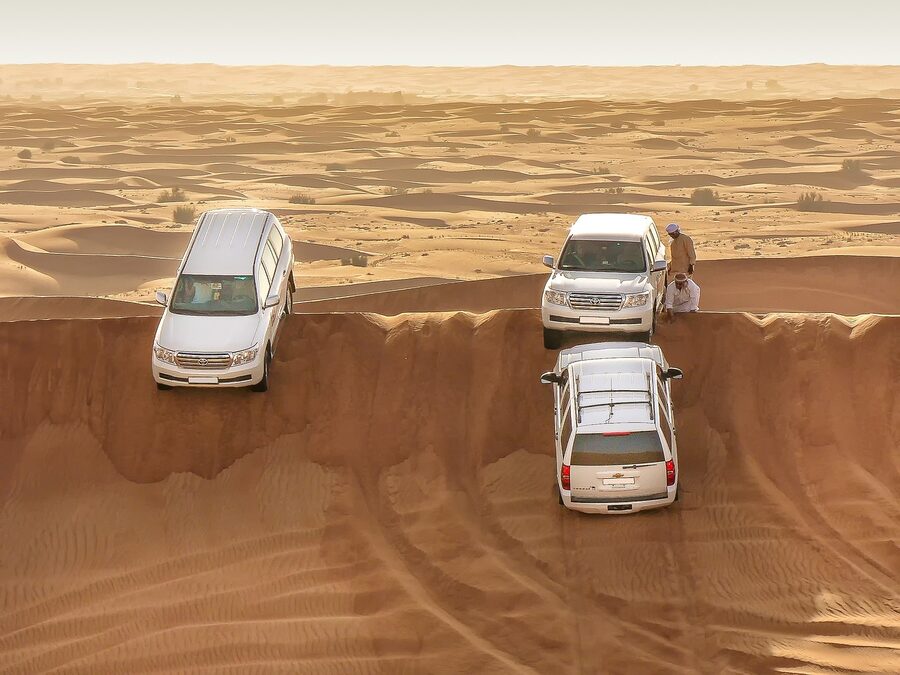
4:00-4:30pm — Dune bashing. This is the main event for thrill-seekers. Your driver deflates the tires and takes you on a 20-30 minute roller coaster ride through the dunes. It’s genuinely intense — steep drops, sharp turns, sideways sliding. Not recommended immediately after a large lunch.
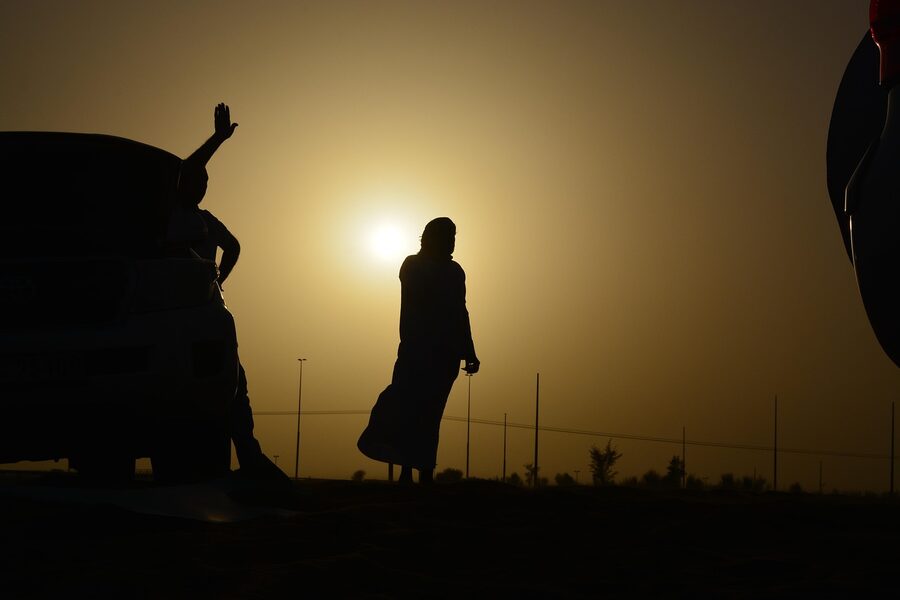
4:30-5:00pm — Photo stop at the dune crest. The convoy stops at the highest point for sunset photos. This is when the desert is at its most photogenic — the low light turns the sand gold and your shadow stretches for twenty meters. Don’t rush this bit.
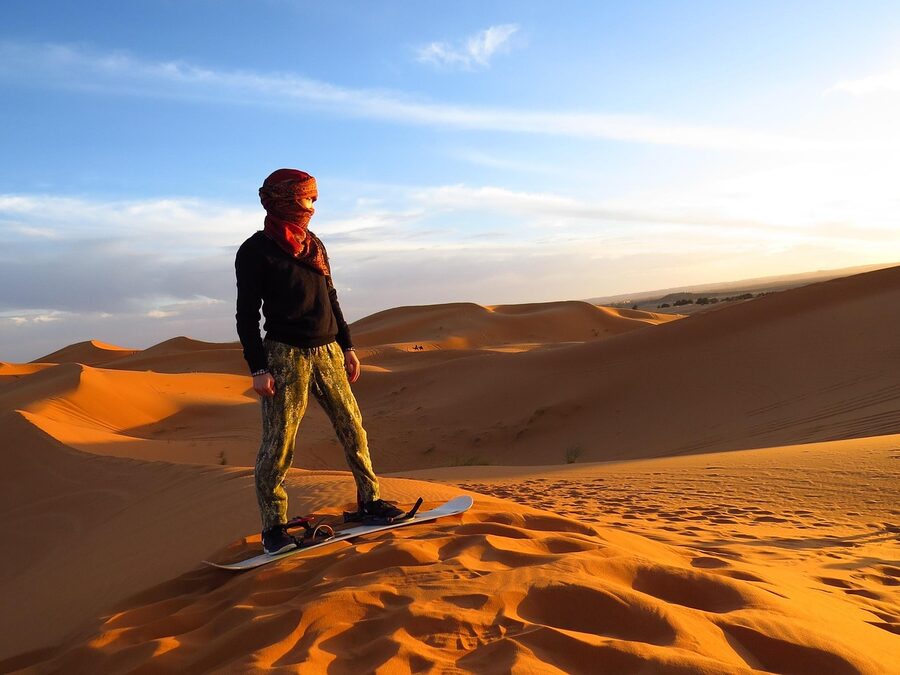
5:00-5:30pm — Activities. Depending on your tour: quad biking (usually 15-30 minutes), sandboarding down the dunes, and a short camel ride. The quad biking is a highlight. Sandboarding is harder than it looks — I spent more time falling than boarding.
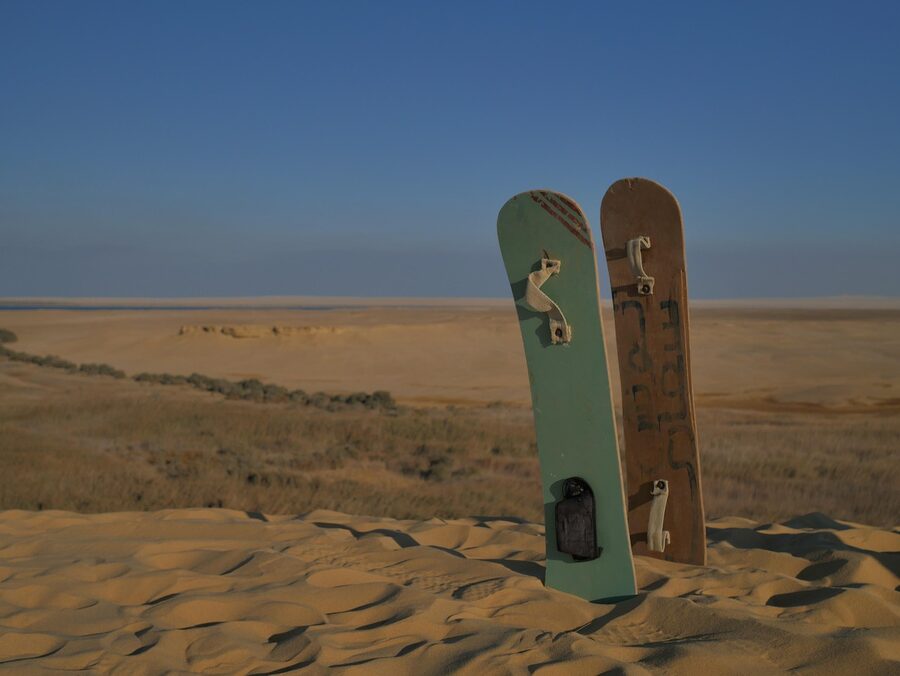
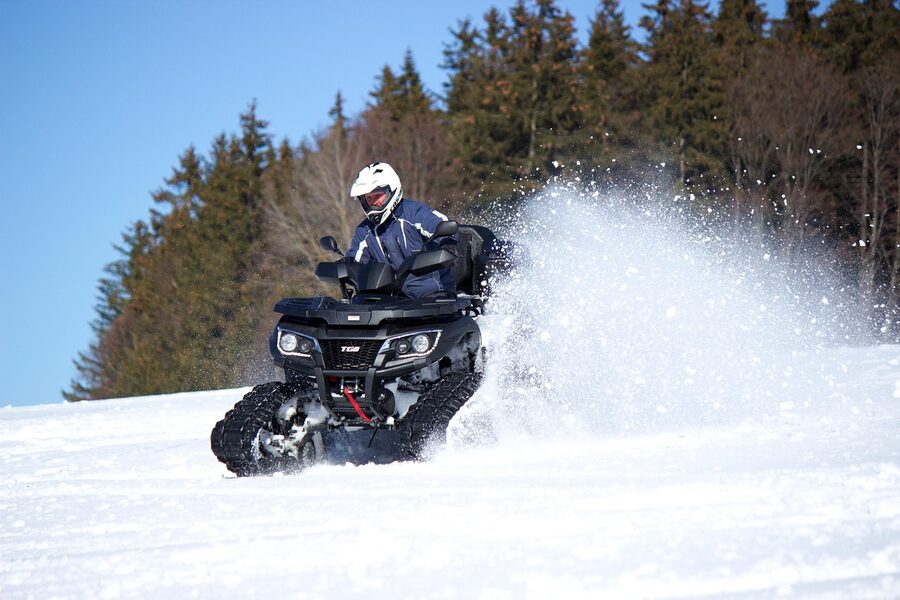
5:30-6:00pm — Arrival at the desert camp. The camps range from basic to genuinely impressive. The Al Khayma camp (included in our top pick) is the nicest I’ve seen — proper seating, good lighting, clean facilities.
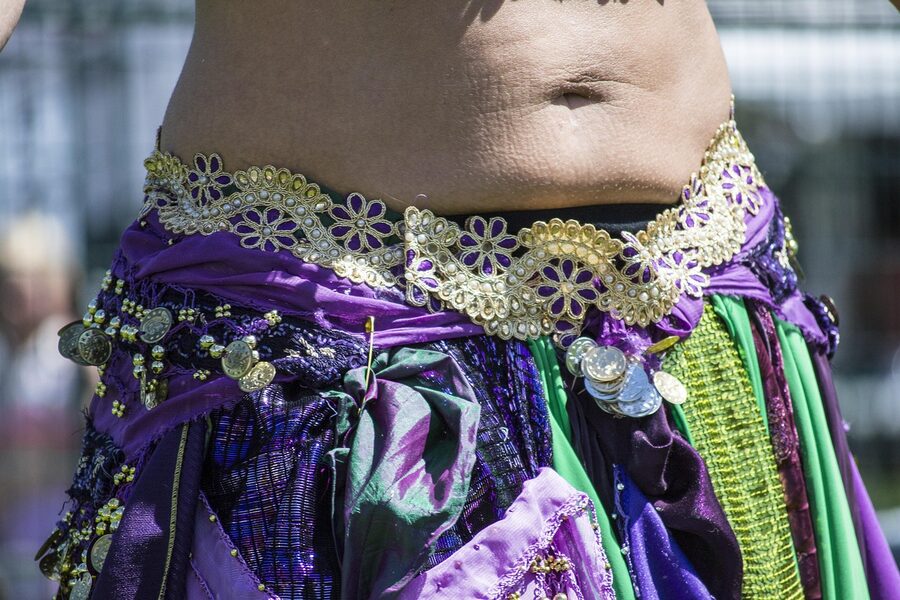
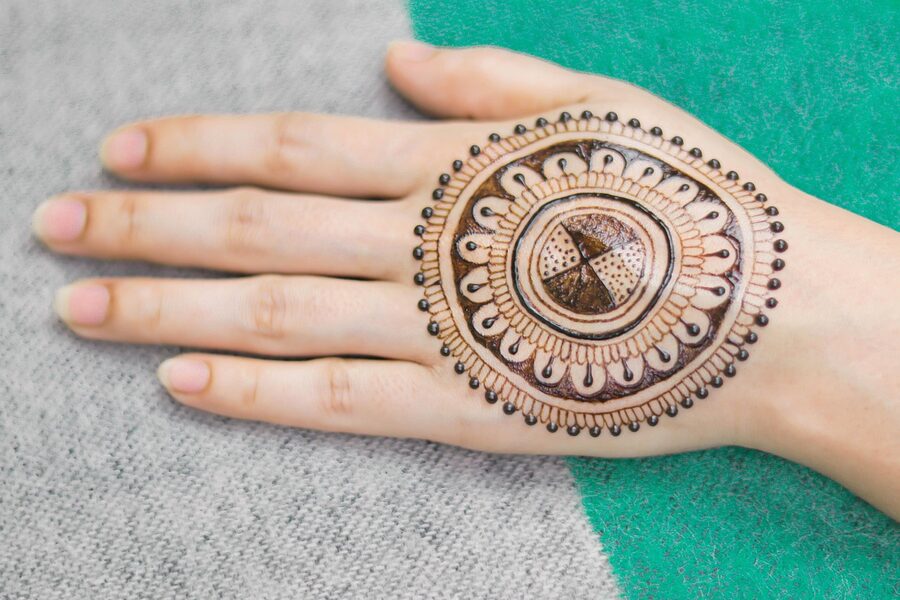
6:00-9:00pm — Dinner and entertainment. BBQ buffet dinner with Arabic and international options, plus a belly dance show, tanoura dance (the spinning one), fire show, and sometimes a live band. You can also get henna tattoos, smoke shisha, and take photos in traditional Arabic dress.
9:00-10:00pm — Return to hotel. The drive back takes about an hour. Most people fall asleep in the car.
Our Top Recommended Desert Safaris
After reviewing dozens of options, here are the three I’d actually book. Each serves a different budget and style.
1. Desert Safari with Quad Bike, Camel Ride & Al Khayma Camp — $32

This is the most booked desert safari in Dubai, and the numbers back it up. You get the full package — dune bashing, 20-minute quad bike ride, camel ride, sandboarding, BBQ dinner at the Al Khayma camp, live entertainment, henna, and shisha. At $32 per person, the value is exceptional. The 4-7 hour flexible duration means you’re not rushed.
2. Red Dunes Evening Safari with Quad Bike & BBQ — $29
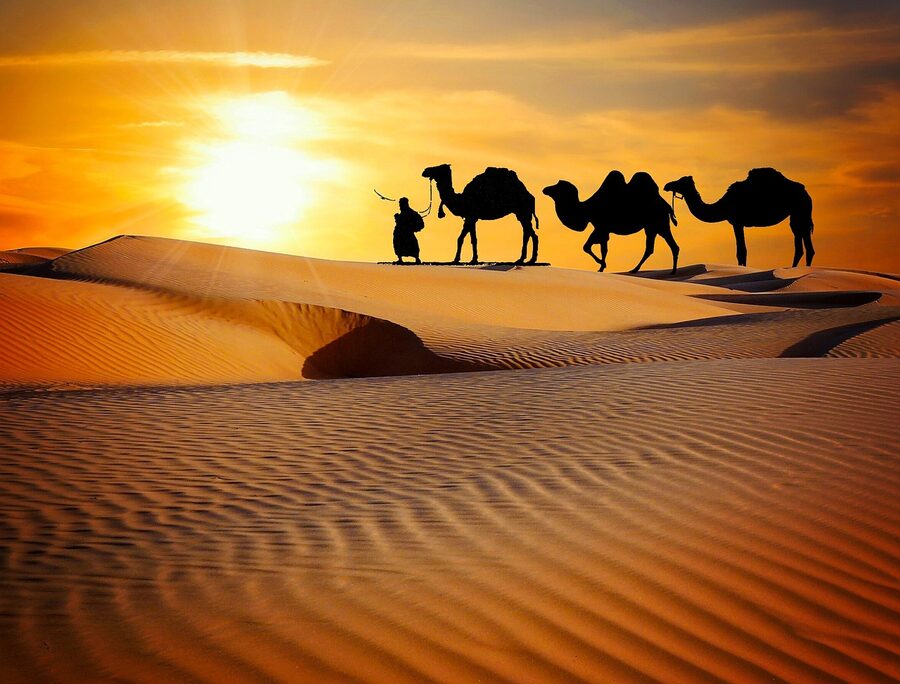
The budget champion. At $29, this is the cheapest way to get the full desert safari experience without compromising on the essentials. It includes dune bashing, sandboarding, quad biking, a camel ride, and a BBQ dinner with entertainment. The camp isn’t as fancy as Al Khayma, but the desert is the same desert and the sunset is the same sunset.
3. Red Dunes ATV, Camels, Stargazing & 5-Star Al Khayma BBQ — $88
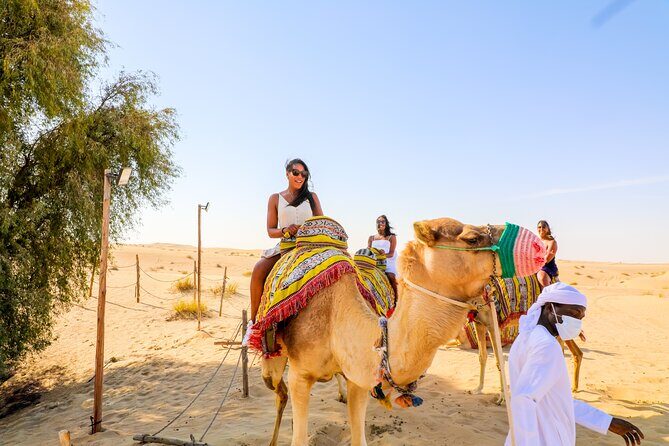
This is the splurge option, and it earns it. A full 60-minute ATV ride (triple the time of budget tours), a premium 5-star BBQ dinner, and a stargazing session after dinner when the camp lights are dimmed. The food quality is noticeably better than the standard camps — grilled meats, fresh salads, proper desserts. If you only have one evening in the desert, this is the one to book.
Morning vs Evening Safari — Which Is Better?
Most travelers book the evening safari, and that’s the right call for most people. The sunset, the dinner, the entertainment — it’s a complete evening out. But morning safaris have their own appeal.
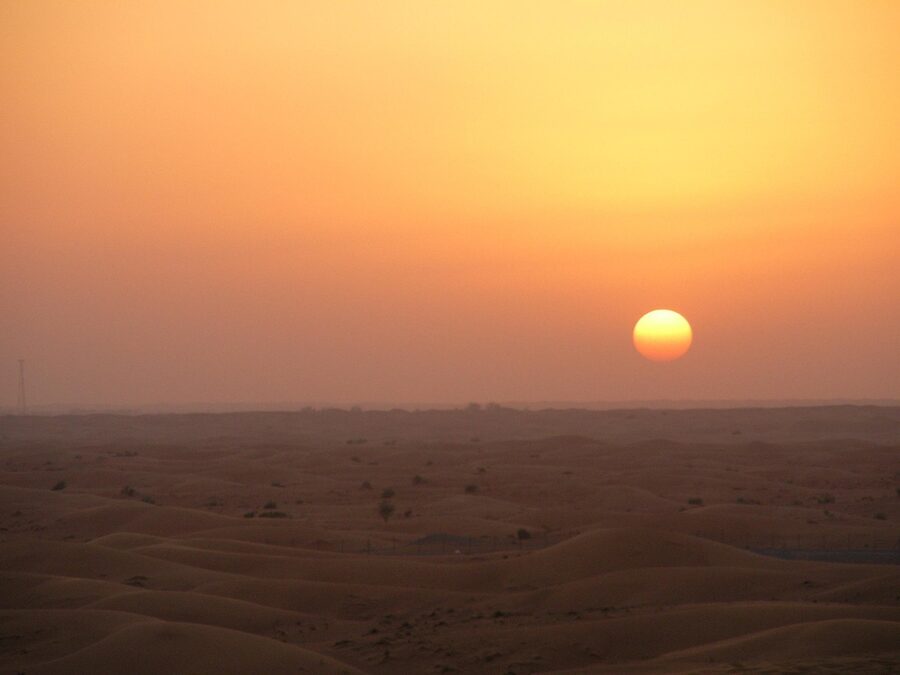
Evening safaris include the full package: dune bashing, activities, BBQ dinner, and live entertainment. They run from about 3pm to 10pm. Price: $29-$88 depending on the camp quality.
Morning safaris are shorter (usually 3-4 hours), cheaper ($35-$55), and focus on the driving experience — dune bashing, sandboarding, and maybe a camel ride. No dinner, no entertainment. The advantage? The light is beautiful, the sand is cooler, and the desert is empty. If you’ve done a desert before and just want the driving thrill, mornings are excellent.
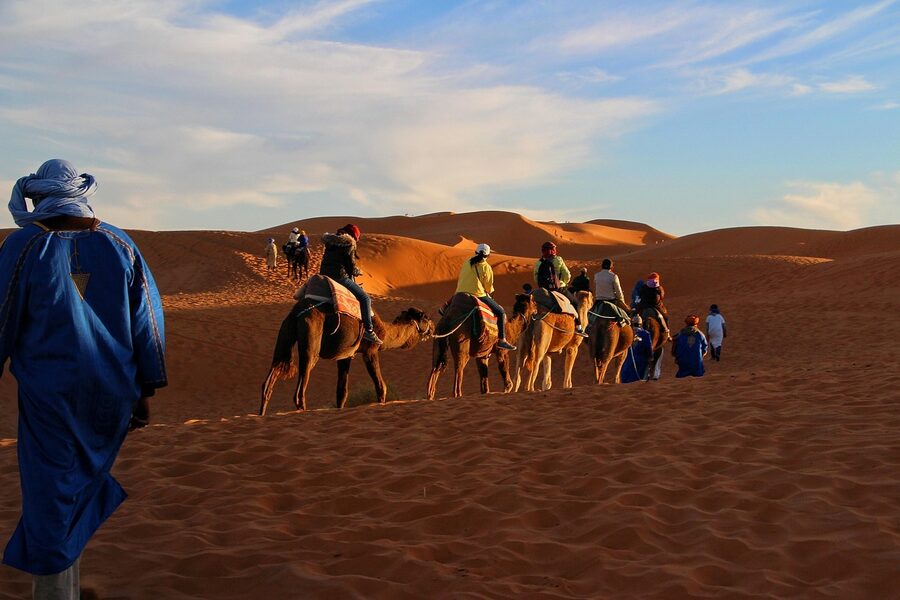
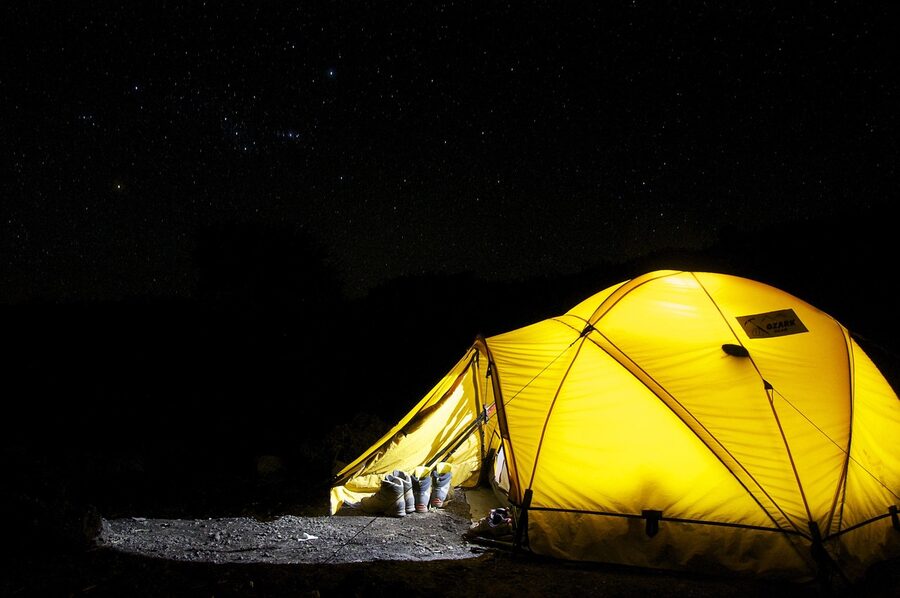
Overnight safaris are the third option — you stay in the camp after dinner, sleep under the stars, and wake up to sunrise over the dunes. These run $150-$200 and are genuinely magical if the weather cooperates. The stargazing alone, once the camp lights go off and you’re 50km from the nearest city glow, is worth the price.
Practical Tips for Your Desert Safari
Wear closed shoes, not sandals. The sand gets everywhere regardless, but sandals make quad biking and dune walking miserable. Light sneakers are perfect.
Bring a light layer. The desert cools down fast after sunset. By 8pm in winter months (November-February) you’ll want a hoodie or light jacket. Summer evenings stay warm.
Skip lunch or eat light. Dune bashing on a full stomach is a bad idea. The camp dinner is generous — save your appetite for it.
Charge your phone fully. You’ll take hundreds of photos. The desert eats battery because you’re constantly using the camera. Bring a power bank if you have one.
Motion sickness is real. If you’re prone to car sickness, take medication BEFORE the pickup. Once you’re in the dunes, it’s too late. Ginger candies also help. If you’re really concerned, tell the driver — they can tone down the intensity.
The BBQ dinner quality varies. Budget tours serve a basic buffet — edible but nothing special. The premium camps (Al Khayma, Noble Camp) serve genuinely good food: grilled kebabs, fresh hummus, Arabic bread, grilled vegetables, and proper desserts. If food matters to you, upgrade.
How Much Does a Dubai Desert Safari Cost?
Prices range dramatically, and understanding why helps you pick the right tour.
Budget ($29-$40): Full evening safari with dune bashing, short quad bike ride (15-20 min), camel ride, sandboarding, basic BBQ dinner, and entertainment. These tours use standard camps and share them with other operators. Perfectly good value — the desert and the dune bashing are identical to the premium tours.
Mid-range ($50-$75): Same activities but with better camps, longer quad bike sessions, and higher-quality food. Some include premium options like VIP seating or extra drinks.
Premium ($75-$100): Extended ATV/quad sessions (45-60 min), gourmet BBQ at 5-star camps, stargazing, and smaller group sizes. This is the sweet spot for people who want a polished experience without going into luxury territory.
Luxury ($100-$200+): Vintage Land Rover safaris, private camps, overnight stays, gourmet multi-course dinners. The Platinum Heritage vintage safari is the standout in this category — a completely different experience from the mass-market tours.
All prices include hotel pickup and drop-off. This is standard across every tour in Dubai, regardless of price level. No hidden transport costs.
Best Time to Book a Desert Safari
The desert safari runs year-round, but the experience changes significantly with the seasons.
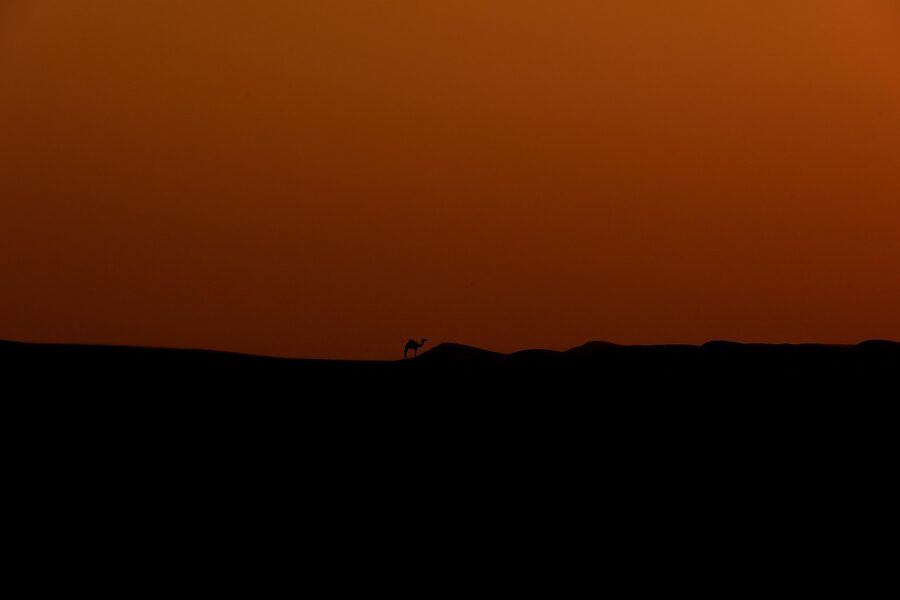
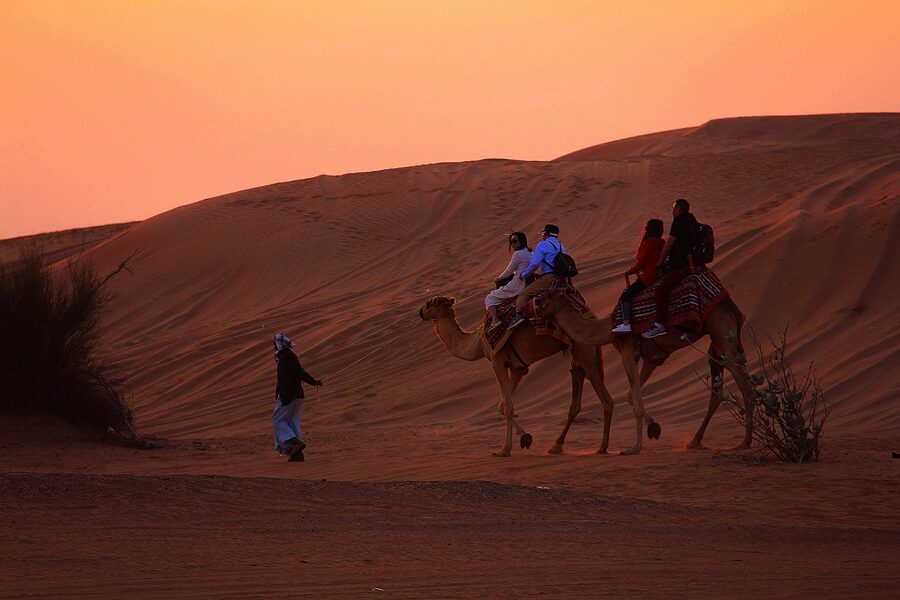
October to April is peak season. Temperatures are comfortable (20-30°C), the sunsets are spectacular, and the evening is pleasant for dining outdoors. This is when most travelers visit Dubai. Book at least 2-3 days in advance during December-January — tours sell out.
May to September is summer. Temperatures hit 45°C+ and the sand is hot enough to burn through thin shoes. Safaris still run, but they start later (4-5pm instead of 3pm) and the experience is less comfortable. The upside: prices drop and crowds thin out.
Ramadan (dates vary) affects the entertainment schedule. Some camps don’t serve alcohol, and the belly dance may be toned down or skipped. The dune bashing and activities continue as normal.
What Else to Do in Dubai
The desert safari pairs beautifully with Dubai’s urban attractions. If you’re spending a few days in the city, I’d suggest the Burj Khalifa for the contrast — the world’s tallest building one day, empty desert the next. The Old Dubai walking tours through the Creek district give you the historical side of the city that most travelers miss.
For water-based thrills, the jet ski tours along the Dubai Marina coast are a completely different kind of adrenaline. And if you have an extra day, the Abu Dhabi day trip to see Sheikh Zayed Grand Mosque is one of the best things you can do in the UAE.
The yacht and boat cruises along Dubai Marina make for a relaxing evening if you want something calmer after the desert intensity. And for families, Aquaventure Waterpark at Atlantis is a full day of fun.
Whatever else you do in Dubai, don’t skip the desert safari. It’s the one experience that gives you a sense of what this place was before the skyscrapers arrived — and a reminder that the desert is still right there, just beyond the last hotel, waiting.