
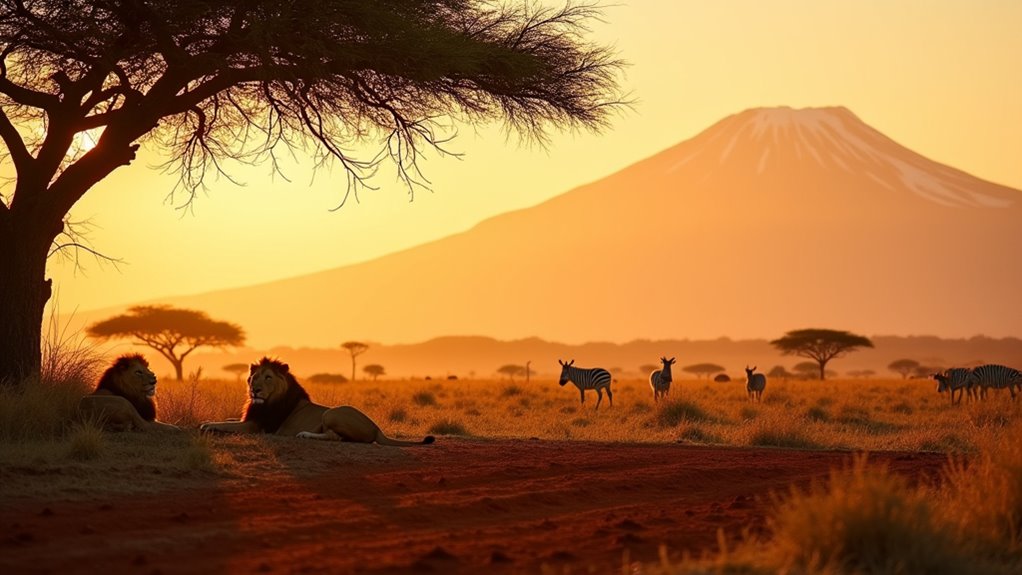
You’ve probably seen Tanzania’s stunning landscapes in documentaries, but experiencing them firsthand is entirely different. From conquering Africa’s highest peak to witnessing millions of wildebeest thundering across endless plains, Tanzania delivers adventure without breaking your budget. Whether you’re tracking chimps through dense forests or bargaining in Stone Town’s spice markets, each experience reveals why this East African gem consistently tops travelers’ bucket lists. Here’s how to make the most of your Tanzanian adventure while keeping costs reasonable.
- Climb Mount Kilimanjaro via the Machame Route
- Experience the Great Migration in Serengeti National Park
- Descend Into Ngorongoro Crater for Wildlife Viewing
- Explore Stone Town’s Winding Streets and Markets
- Track Chimpanzees in Gombe Stream National Park
- Take a Hot Air Balloon Safari Over the Serengeti
- Swim With Whale Sharks off Mafia Island
- Visit Spice Farms on Zanzibar Island
- Walk Among Elephants in Tarangire National Park
- Snorkel at Mnemba Atoll Near Zanzibar
- Meet the Maasai in Traditional Villages
- Hike the Tree-Top Walkway at Lake Manyara
- The Sum Up
Climb Mount Kilimanjaro via the Machame Route
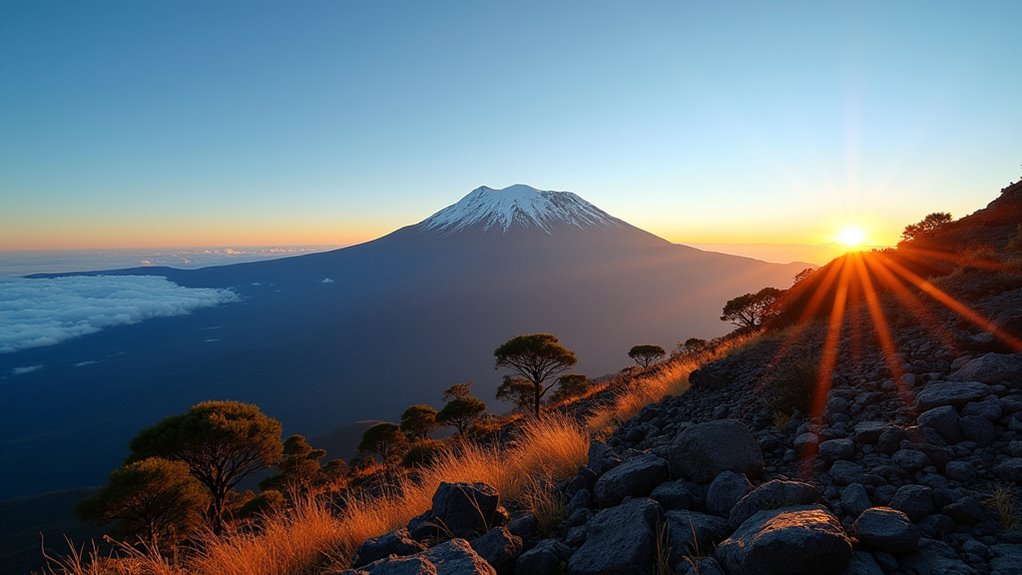
Why choose the Machame Route for your Kilimanjaro adventure? Known as the “Whiskey Route,” it’s the most popular and scenic path up Africa’s highest peak, offering incredible value for your money. You’ll trek 37 miles through five distinct ecological zones, from lush rainforest to arctic summit conditions.
The 7-day itinerary gives you the best bang for your buck with 85-90% summit success rates, compared to just 70-75% on cheaper 6-day options. You’ll tackle challenging terrain including the famous Barranco Wall, but don’t worry—first-time climbers regularly succeed with proper preparation. The route rewards trekkers with spectacular sunrises and sunsets over the mountain’s dramatic landscape.
Budget tip: Choose the 7-day trek over shorter alternatives. The extra acclimatization day at Karanga Camp dramatically improves your chances of reaching Uhuru Peak at 19,341 feet.
Experience the Great Migration in Serengeti National Park
After conquering Kilimanjaro’s heights, you’ll want to witness Africa’s most spectacular wildlife show at ground level. The Great Migration in Serengeti National Park delivers exactly that—1.5 million wildebeest, 200,000 zebra, and 500,000 Thomson’s gazelles following a 2,900-kilometer circular route between Tanzania and Kenya.
Time your visit strategically to maximize your budget. January through March offers incredible calving season drama in southern Serengeti, with 8,000 wildebeest calves born daily. You’ll witness intense predator action as lions and hyenas hunt vulnerable newborns.
For river crossings, visit northern Serengeti during July-August when herds face crocodile-infested Mara River. These powerful predators can thrust out 50% of their body weight to snatch migrating animals from the water’s edge.
Book seasonal safari camps that close during rainy periods—they’re cheaper and position you perfectly for migration action. Skip expensive permanent lodges when mobile camps offer better wildlife proximity.
Descend Into Ngorongoro Crater for Wildlife Viewing
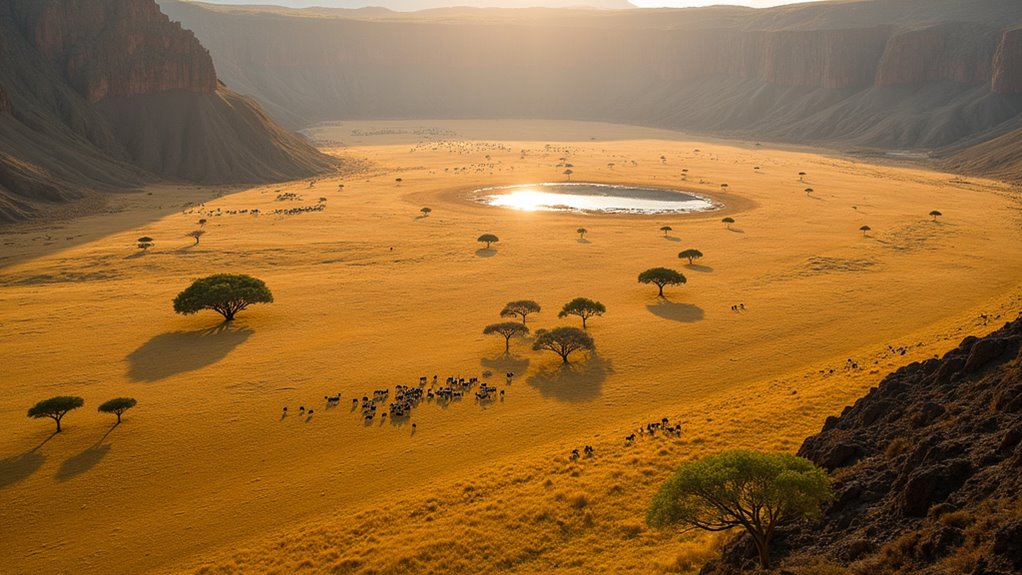
While the Serengeti showcases migration drama across vast plains, Ngorongoro Crater delivers Africa’s most concentrated wildlife experience in a natural amphitheater. You’ll witness all Big Five species within this 100-square-mile volcanic caldera, including critically endangered black rhinos among 25,000 large mammals.
Plan your descent during the dry season (June-October) when shorter grass makes spotting easier and animals cluster around water sources. You’ll likely encounter dense lion populations, massive buffalo herds, and 400 resident hyenas. The crater holds a world record for predator per capita in Africa, making it an unparalleled destination for observing carnivores in action.
Don’t miss Lake Magadi’s flamingo spectacles or the diverse birdlife around Gorigor Swamp.
Since it’s a conservation area rather than a national park, expect higher fees but incredible wildlife density. Book early as daily vehicle permits are limited, and consider staying overnight at crater rim lodges to maximize your viewing time.
Explore Stone Town’s Winding Streets and Markets
Step into Stone Town’s maze-like streets, and you’ll discover one of Africa’s most enchanting UNESCO World Heritage sites where centuries of trade have created a unique architectural fusion.
You’ll wander narrow alleys designed to provide natural cooling, where coral ragstone buildings showcase Swahili, Arab, Indian, and European influences.
Don’t miss the famous Zanzibari doors – over 600 intricately carved masterpieces made from teak and mahogany, featuring brass studs and symbolic motifs. Each tells a unique story of the island’s rich cultural heritage.
Visit key landmarks like the Old Fort, House of Wonders, and Christ Church Cathedral built on the former slave market site. Stone Town served as a major trade hub for spices and slaves, which shaped its multicultural architecture and bustling marketplace atmosphere.
The pedestrian-friendly layout makes exploring budget-friendly – just wear comfortable shoes and bring water for your walking adventure.
Track Chimpanzees in Gombe Stream National Park
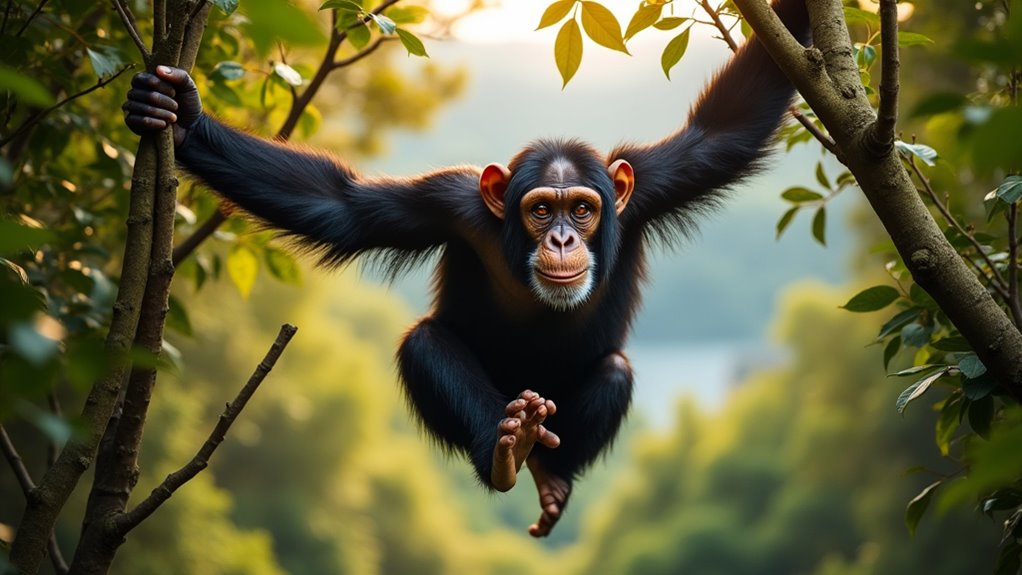
From the historic streets of Stone Town, you can journey to Tanzania’s western border for an entirely different adventure – tracking our closest relatives in their natural habitat. Gombe Stream National Park offers the world’s longest-running chimpanzee study, where Jane Goodall’s research began in 1960.
You’ll trek steep forest trails with guides to find habituated chimp families, particularly the Kasakela community. Once located, you’ll spend one hour observing their feeding, hunting, and social behaviors up close. Sightings are virtually guaranteed, especially with early morning departures.
Visit during the dry season (June-October) for easier trekking conditions, though the park’s accessible year-round. The park also hosts diverse primates including olive baboons, red colobus, and several monkey species that add to your wildlife viewing opportunities. The experience connects you directly to groundbreaking conservation work while supporting local communities.
Take a Hot Air Balloon Safari Over the Serengeti
As dawn breaks over the endless savanna, you’ll experience the Serengeti from an entirely new perspective – floating silently above the wildlife-rich plains in a hot air balloon. These hour-long flights depart at 6:00 AM, giving you front-row seats to witness the Great Migration’s massive herds of wildebeest, zebras, and elephants from treetop level.
At $599 per person (plus $150 vehicle transfer), it’s pricey but worth the splurge for unparalleled wildlife viewing. Book during late June through September for the most stable weather and fewer cancellations.
Children over seven can participate, though pregnant women and those with back injuries should skip this adventure. The experience was pioneered by Captain Joe Zekria in the 1970s and remains one of Tanzania’s most sought-after adventures. Your champagne bush breakfast afterward perfectly caps off this bucket-list experience.
Swim With Whale Sharks off Mafia Island
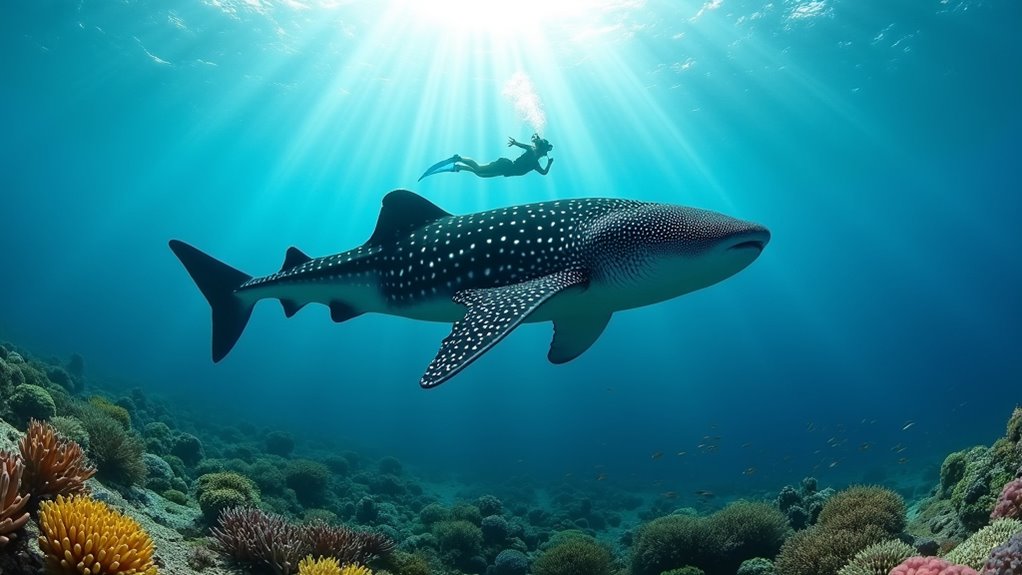
Twenty kilometers off Tanzania’s coast, Mafia Island offers one of Africa’s most reliable whale shark encounters without the crowds you’ll find at other destinations. Plan your visit between October and March when these gentle giants—the world’s largest fish—migrate to Mafia’s nutrient-rich waters to feed on plankton near the surface.
Local operators like Afro Whale Shark Safari report 80-90% success rates during peak season, making this a worthwhile investment. You’ll swim alongside creatures reaching 18 meters long in the protected Mafia Island Marine Park‘s calm waters. The whale shark population has grown significantly, with numbers nearly doubling from around 100 individuals in 2012 to over 200 by 2019.
Access the island via ferry or flight from Dar es Salaam, then book with established operators who follow conservation guidelines. This less commercialized alternative to Zanzibar delivers intimate encounters while supporting local conservation efforts and community tourism.
Visit Spice Farms on Zanzibar Island
Just 30 minutes from Stone Town, Zanzibar’s spice farms offer an affordable sensory adventure that’ll change how you view your kitchen spice rack forever.
You’ll walk through compact groves where cloves, cinnamon, nutmeg, and vanilla grow alongside tropical fruits like jackfruit and papaya.
Most 2-3 hour tours cost under $20 and include round-trip transport from your hotel.
You’ll smell fresh cinnamon bark, taste turmeric root, and watch guides demonstrate traditional harvesting techniques.
Tours typically end with spiced pilau rice and fresh coconut juice.
Head to community-run farms like Bwa Mzee for authentic experiences, or try Tangawizi for hands-on activities like grinding nutmeg.
Don’t leave without buying fresh spices—they’re incredibly cheap and make perfect souvenirs. These farms preserve traditional cultivation methods that date back to the 19th-century spice trade era.
Walk Among Elephants in Tarangire National Park
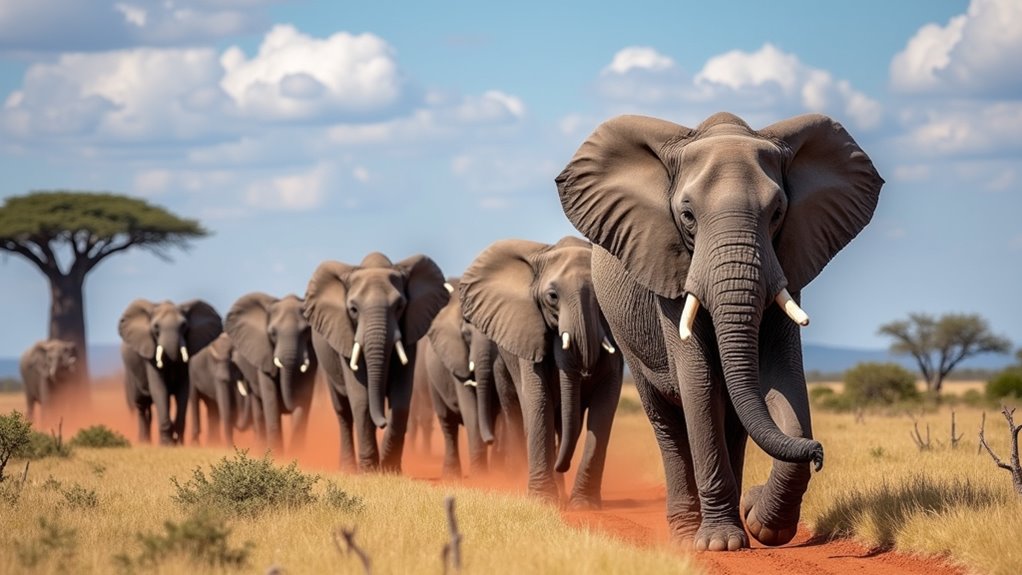
Walking safaris in Tarangire National Park put you within arm’s reach of some of Africa’s largest elephant herds—an experience that’ll make your typical zoo visit feel like watching nature documentaries. You’ll track footprints, dung, and feeding signs with armed guides during 2-3 hour walks in designated zones away from crowded game drive areas.
Plan your visit during the dry season (June-October) when up to 10,000 elephants gather near the Tarangire River. Morning and late afternoon walks offer cooler temperatures and active wildlife.
You’ll observe matriarch-led family groups with calves, plus solitary bulls feeding on baobab bark. The park also hosts the greatest concentration of wildlife outside the Serengeti, making your walking safari rich with diverse animal encounters.
Most operators include walking safaris in lodge packages rather than selling them separately. Bring sturdy shoes, sun protection, and water—minimum age restrictions apply for safety.
Snorkel at Mnemba Atoll Near Zanzibar
Two miles off Zanzibar’s coast, Mnemba Atoll offers some of East Africa’s best snorkeling without the hefty price tag of Maldives resorts. You’ll find excellent visibility up to 30 meters and warm waters year-round.
The shallow reefs (6-16 feet deep) teem with colorful fish including yellow snappers, angelfish, and butterflyfish, plus you might spot sea turtles and rays. This protected marine reserve also hosts dolphins and moray eels among its vibrant coral formations.
Visit during the dry season (June-October) or short dry period (December-February) for calmest conditions. Book tours through Zanzibar operators since the island’s private.
Equipment’s typically included, though expect crowds—up to 100 boats during peak times. For budget alternatives, try Blue Lagoon’s shore-accessible reefs.
Time visits around mid-to-high tide and go early morning for optimal conditions.
Meet the Maasai in Traditional Villages
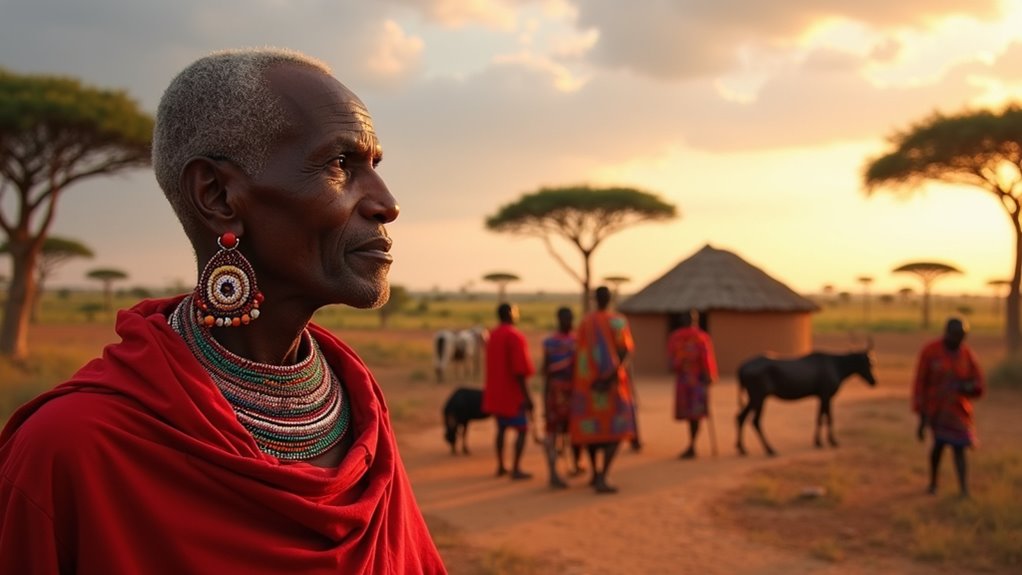
Beyond Tanzania’s wildlife spectacles, visiting a traditional Maasai village offers you an authentic glimpse into one of East Africa’s most iconic cultures. You’ll find villages near Arusha within 1.5 hours’ drive, making them perfect day trip additions to your safari itinerary.
In these circular *bomas*, you’ll witness traditional singing, dancing, and spear-throwing demonstrations. You can explore mud-and-dung huts surrounding central livestock kraals.
The Maasai will show you fire-making techniques, intricate beadwork, and explain their pastoralist lifestyle that’s remained largely unchanged for centuries. These indigenous people speak the Maa language and traditionally rely on their cattle for meat, milk, and blood as sustenance.
Book through reputable tour operators or lodges to ensure authentic experiences that benefit communities directly. Some villages offer overnight homestays for deeper culture.
Choose remote locations like Moipo for less commercialized encounters away from typical tourist circuits.
Hike the Tree-Top Walkway at Lake Manyara
After enjoying Maasai culture, elevate your Tanzania experience literally by walking through the forest canopy at Lake Manyara National Park. Tanzania’s first and longest treetop walkway stretches 370 meters, rising 60 feet above the forest floor through suspension bridges and viewing platforms.
You’ll spot blue monkeys, baboons, colorful hornbills, and countless butterflies at eye level while occasionally glimpsing elephants below. The 30-60 minute trek works perfectly as an add-on to your safari without separate booking fees.
Wear sturdy shoes since some bridges sway—skip this if you’re afraid of heights. Located near the park entrance, it’s convenient whether you’re arriving or departing.
Knowledgeable guides enhance the experience by explaining the surrounding flora and fauna. The walkway operates from 6:30 am – 5:00 pm, making it perfect for early morning visits before your main safari activities begin.
The Sum Up
Tanzania’s incredible diversity means you’ll want to prioritize experiences that match your budget and interests. Book local guides for authentic cultural encounters, travel during shoulder seasons for better rates, and mix budget accommodations with splurge activities like balloon safaris. Don’t rush—you’ll appreciate staying longer in fewer places rather than cramming everything in. Pack versatile gear, respect local customs, and prepare for the adventure of a lifetime without breaking the bank.