Introducing the Itajime Shibori Scarf Class in Kyoto
 1 / 4
 2 / 4
 3 / 4
 4 / 4
For travelers eager to get a true feel for Japan’s craftsmanship, the Itajime Shibori Scarf Class offers a wonderfully tangible way to connect with Kyoto’s textile heritage. This experience is perfect if you’re curious about traditional dyeing techniques and want to craft something beautiful yourself.
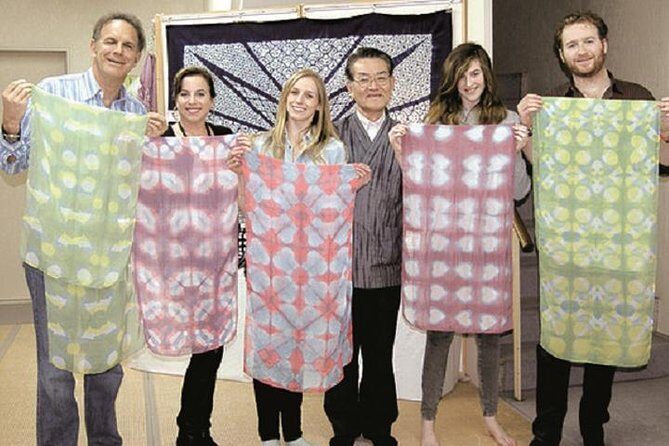
What we particularly love about this class is how personal and interactive it feels—you’re not just watching a demonstration, but actively participating in creating your own hand-dyed scarf. Plus, the accompanying visit to the Kyoto Shibori Museum deepens appreciation for this ancient art.
A small consideration is that finding the classroom can be a little tricky, as it’s on the second floor and not well marked from the street. It’s a minor inconvenience that’s easily overcome with a bit of patience.
This experience suits those who enjoy hands-on activities, are interested in Japanese culture, or want a memorable keepsake from Kyoto. It’s also great for families, couples, or anyone wanting a break from temples and shrines to focus on a local craft.
Key Points
- Authentic Cultural Experience: Learn the traditional Japanese art of shibori dyeing firsthand.
- Expert Guidance: Knowledgeable staff guide you through every step, sharing cultural insights.
- Create a Unique Souvenir: Leave with a handcrafted scarf, customized by your own hands.
- Visit to Kyoto Shibori Museum: Includes an educational overview of shibori textiles and their history.
- Affordable and Well-Reviewed: Priced at $47.19, with a 5.0 rating based on 64 reviews.
- Ideal for All Ages: Suitable for ages 6 and up, perfect for families or craft lovers.
You can also read our reviews of more tours and experiences in Kyoto
A Deep Dive into the Kyoto Shibori Museum and Scarf Class
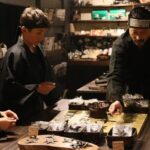
The Kyoto Shibori Museum acts as the perfect starting point for this experience. It showcases the history of shibori, Japan’s oldest dyeing technique, through engaging exhibits and detailed explanations. The museum’s display of intricate textile art offers visitors a vivid glimpse into the craftsmanship that underpins Kyoto’s kimono culture.
This introductory visit is more than just eye candy; it’s an educational journey. We loved the way the staff explained the nuances of shibori, from its traditional roots to modern adaptations. Visitors often mention how the museum’s display is both beautiful and inspiring, providing context that adds depth to the hands-on class.
The scarf-making class itself lasts between 30 minutes and an hour, making it a manageable activity even on a busy travel schedule. The process begins with selecting a fabric—many options are Japanese in origin, with vibrant colors and patterns. The staff then guides you through the folding and tying techniques that create the characteristic patterns of Itajime shibori.
What makes this class special is the personalized attention. Many reviewers mention the friendly, patient instructors who take time to ensure everyone understands the process. As one said, “Kenji and his staff are just wonderful. Making our scarves was fun and the museum upstairs included a movie on the process plus the most beautiful art.”
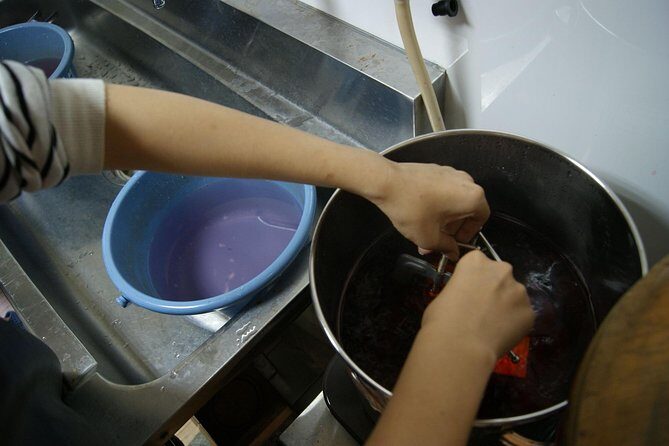
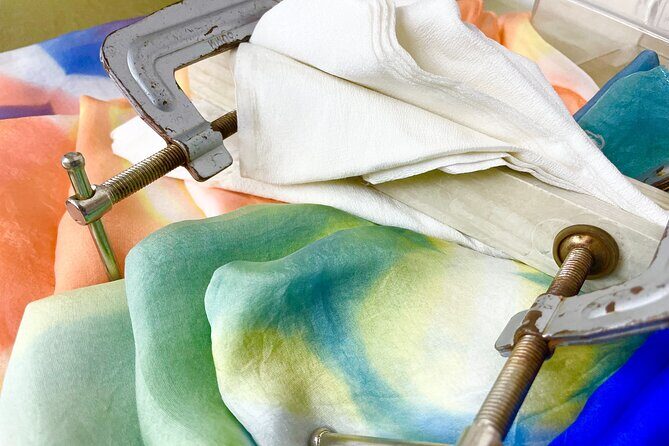
The actual dyeing process is a tactile experience. You’ll learn how the fabric is folded, clamped, and dipped in dyes—each step revealing a little more about the meticulous craftsmanship involved. Several reviews praised the “hands-on opportunity,” with guests describing it as more than just a craft class but an educational experience.
When your scarves are dry, you get to see the results—a unique piece of wearable art, each reflecting your choices in color and pattern. The feeling of creating something with your own hands is rewarding, and many participants remark that they’re proud to take their handmade souvenir home.
Transportation, Group Size, and Price
The tour’s price of $47.19 per person offers excellent value, considering the inclusion of museum admission and the personalized nature of the class. The group size is limited to 10 travelers, ensuring plenty of individual guidance without feeling rushed or crowded.
Location-wise, the museum is conveniently close to public transportation, making it accessible whether you’re arriving from nearby temples or Kyoto’s city center. The tour also provides parking options if you’re traveling by car or bicycle, adding to the flexibility.
What Travelers Say
Reviews consistently praise the knowledgeable guides and the quality of the experience. One reviewer said, “The staff were so much fun. The scarf dying was so much fun and we all were pleased with our outcomes.” Others mention the “wonderful, personalized attention” and the “stunning” museum displays.
Some travelers highlight the value for money, stating that for around $47, they received a fun, educational, and memorable craft experience. The fact that many return visitors or those recommending it to friends underline its popularity and quality.
Practical Tips
- Finding the classroom can be a bit tricky, so arriving a little early or asking for directions is wise.
- The experience is suitable for children aged 6 and up, making it family-friendly.
- You might want to wear clothes that can get dye on them—though the staff typically provide aprons.
- The museum and class are close to other Kyoto sights, making it easy to combine with temple visits or a stroll around the area.




Who Will Love This Experience?
This shibori scarf class is ideal for travelers interested in crafts and culture, looking for an interactive activity that produces a tangible souvenir. It offers a chance to learn about a traditional Japanese art form in a relaxed and friendly setting.
It’s also perfect for those who enjoy learning new skills and want an authentic, hands-on experience that breaks away from typical sightseeing. Families with children, couples, or solo travelers will find it engaging and meaningful.
If you’re curious about textile arts, history, or Japanese culture, this class delivers both educational value and a fun, creative outlet. Plus, the opportunity to visit the Kyoto Shibori Museum enriches the experience with cultural context.
The Sum Up
The Itajime Shibori Scarf Class in Kyoto combines culture, hands-on craft, and a dash of history into one memorable experience. For about $47, you get not just a beautiful, personalized scarf but also insight into an ancient dyeing technique that has been part of Kyoto’s textile tradition for generations.
The small group size and expert guidance mean you won’t feel rushed, and the museum visit adds an educational layer that makes the whole experience more meaningful. Whether you’re a craft enthusiast or simply want a unique souvenir made by your own hand, this class offers great value and a genuine connection to Kyoto’s artistic roots.
The reviews highlight how much participants appreciate the friendly staff, the beautiful displays, and the practical knowledge they gain. It’s a relaxing, enriching activity that enhances your understanding of Japanese culture while leaving you with something truly special.
In short, if you’re looking for a local, authentic, and engaging craft experience during your Kyoto trip, this shibori scarf class is a perfect choice. It’s a well-priced, highly-rated activity that yields wonderful memories—and a beautiful scarf to remember Japan by.
Itajime Shibori Scarf Class
FAQ
How long does the class last?
The class duration is approximately 30 minutes to an hour, depending on the group and how much time you spend choosing colors and patterns.
Is the museum admission included?
Yes, the ticket to the Kyoto Shibori Museum is included in the price of the experience.
Can children participate?
Yes, the minimum age is 6 years old, making it suitable for families with young children.
What should I wear?
It’s best to wear casual clothes that you don’t mind getting dye on. Aprons are typically provided to protect your clothing.
Is the experience suitable for solo travelers?
Absolutely. Many reviews mention solo travelers receiving personalized attention and thoroughly enjoying the activity.
How do I find the classroom?
The classroom is on the second floor and not very well marked from the street, so arriving early and asking staff for directions is recommended.
What makes this experience worth it?
Beyond the fun of creating your own scarf, you gain a deeper appreciation of Kyoto’s textile traditions and leave with a handmade souvenir that’s both beautiful and meaningful.