Traveling to Japan often means encountering a blend of the modern and the traditional, but for those with a love of folklore, mythology, and a little bit of the eerie, visiting Japan’s first Yokai museum in Hiroshima opens a window into creatures born from Japan’s natural fears and anxieties.
This visit isn’t just about admiring old artifacts—it’s a chance to explore a quirky, culturally rich world full of stories, art, and interactive fun.
We’ve looked into this experience to help you decide if it’s worth your time and yen. What really shines here are the large collection of 5,000 Yokai-related objects donated by folklorist Koichi Yumoto and the innovative digital tools that make learning about these creatures engaging.
One possible drawback? The museum’s relatively brief one-hour visit might leave some craving more in-depth exploration—though its focus on quality over quantity makes up for that.
If you’re the kind of traveler intrigued by cultural tales, folklore, or simply looking for a family-friendly outing that’s unlike typical museums, this experience could be a perfect fit. Whether you’re visiting Hiroshima for a day or planning a longer trip, the Yokai Museum offers a playful yet educational detour into Japan’s supernatural imagination.
- Key Points
- What Makes This Museum Special?
- The Cultural Significance of Yokai
- The Art and Artifacts
- The Digital Experience
- The Ino Mononoke Roku Tale
- The TeamLab Yokai Park
- Temporary and Special Exhibitions
- The Itinerary in Detail
- Stop 1: Miyoshi Mononoke Museum
- Admission & Practical Details
- Meeting Point & Hours
- What to Expect from the Experience
- The Exhibits
- The Interactive Touchscreen
- The Ino Mononoke Roku Tale
- The TeamLab Yokai Park
- Authentic Visitor Insights
- Final Thoughts: Is It Worth Visiting?
- FAQs
- More Museum Experiences in Hiroshima
- More Tour Reviews in Hiroshima
Key Points
- Largest Yokai Collection in Japan: Around 5,000 artifacts donated by renowned folklorist Koichi Yumoto.
- Interactive Digital Encyclopedia: Touchscreen displays let you explore Yokai stories dynamically.
- Cultural Stories & Art: Features traditional picture scrolls, woodblock paintings, ceramics, and more.
- Family-Friendly: Suitable for children and adults, making it a fun, educational outing.
- Affordable Entry: At just $3.94, it offers high value for such a rich cultural experience.
- Engaging and Short: The visit lasts approximately one hour, perfect for fitting into a busy itinerary.
What Makes This Museum Special?
You can also read our reviews of more museum experiences in Hiroshima
The Cultural Significance of Yokai
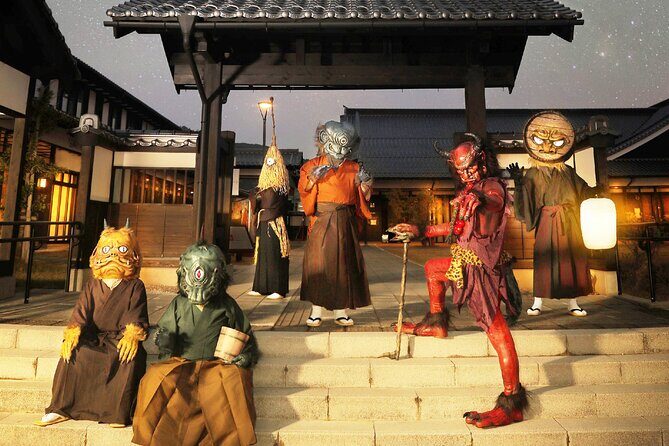
Yokai are creatures born from Japan’s fears of natural phenomena and societal anxieties. They are not just monsters but embody stories that reveal much about the Japanese psyche—fear, respect, curiosity, and humor all woven together. The museum’s focus on how Yokai have been woven into everyday life over the centuries makes this a compelling visit for anyone interested in understanding Japanese culture through its folklore.
The Art and Artifacts
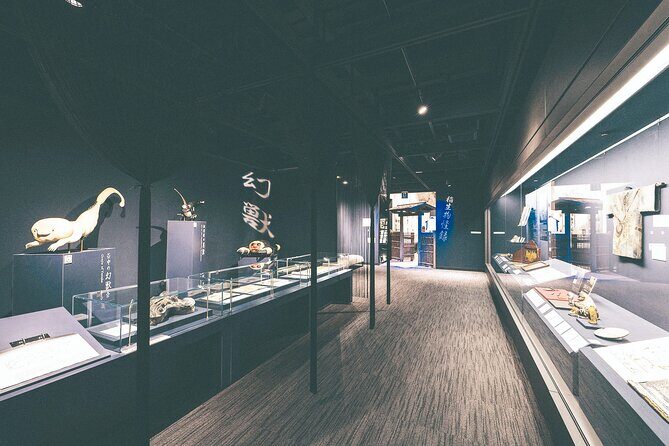
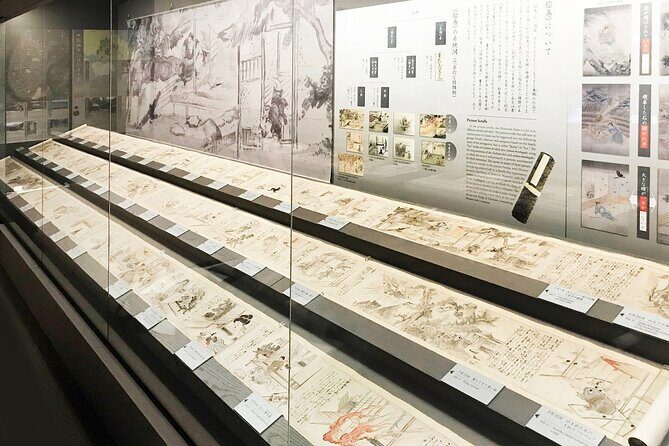
The exhibits include picture scrolls, woodblock paintings (Nishiki-e), ceramics, and other artifacts, all carefully preserved and donated by Koichi Yumoto. The collection is considered one of the largest of its kind in Japan, giving visitors a rare glimpse into traditional Yokai depictions. These artworks are not just visually intriguing—they are windows into the stories and fears of past eras.
The Digital Experience
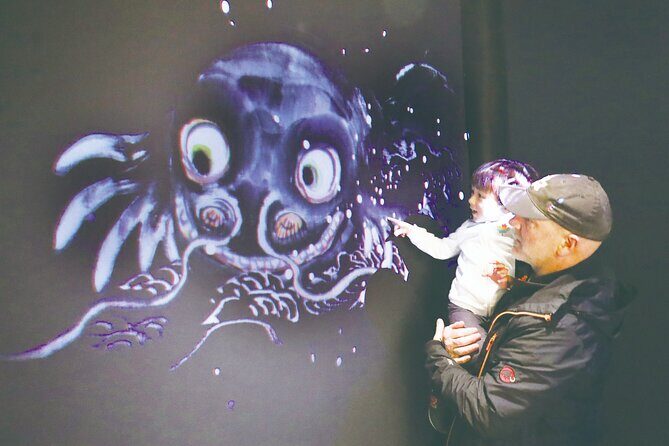
One of the museum’s standout features is the touchscreen digital encyclopedia. By selecting images, visitors can see related Yokai stories and learn about their origins. This interactive element makes the experience more immersive and engaging, especially for younger visitors or those who prefer a high-tech twist on traditional storytelling. It also helps make the museum approachable for those unfamiliar with Japanese folklore.
The Ino Mononoke Roku Tale
A highlight for many visitors is the classic Yokai tale of Ino Mononoke Roku, set during Edo-period Miyoshi. The story recounts the mysterious encounters of Ino Heitaro over 30 days in 1749. This narrative provides context and a tangible connection to real historical settings, making the folklore more vivid and meaningful.





The TeamLab Yokai Park
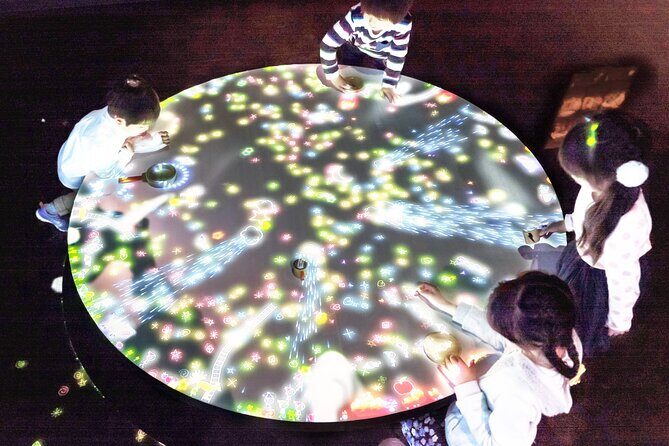
This innovative, interactive space allows visitors to draw their own Yokai, which then come to life and walk around the room. It’s a playful, creative way to connect with these mythical creatures and see how art and technology merge to bring folklore to life. If you have kids or simply enjoy interactive art, this part of the experience is likely to be a highlight.
Temporary and Special Exhibitions
The museum hosts Japan Yokai exhibits, Ino Mononoke Roku-focused displays, and other temporary exhibitions 3-4 times a year. These change periodically, offering repeat visitors fresh insights and new stories, which underscores the museum’s commitment to keeping its content lively and relevant.
The Itinerary in Detail
Stop 1: Miyoshi Mononoke Museum
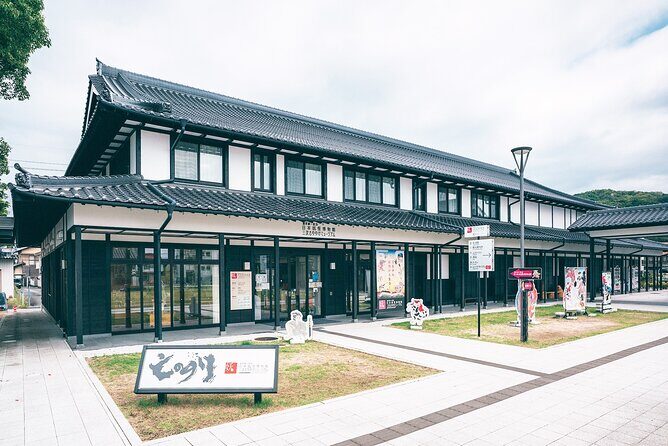
Situated in Miyoshi City, Hiroshima Prefecture, this is Japan’s pioneering Yokai museum. The location itself hints at a deep local connection, especially given the story of Ino Mononoke Roku set in Miyoshi during the Edo period. The museum is spacious enough to comfortably accommodate up to 100 visitors, making it a cozy but substantial experience.
The collection includes artifacts donated by Koichi Yumoto, regarded as one of the largest Yokai collections in Japan. These include picture scrolls, ceramics, woodblock paintings, and more, all carefully curated to show the rich variety of Yokai representations across centuries. The exhibit’s layout encourages curiosity and discovery, allowing visitors to wander and explore at their own pace.
Admission & Practical Details
At just $3.94 per person, the admission fee is a steal considering the scope of the collection and the interactive features included. The ticket also grants access to the App Pocket Curator, an installation that enhances the experience through digital storytelling. Please note, a rental fee for tablets and earphones is not included, so if you want a more personalized or detailed narration, you might consider bringing your own device.
Meeting Point & Hours
Meet at the Miyoshi Mononoke Museum on Miyoshimachi street. The museum is open Monday from 9:30 a.m. to 5:00 p.m. during the specified period (June to November). Its central location near public transportation makes it easy to reach, even for a quick visit or part of a larger Hiroshima itinerary.
What to Expect from the Experience
The Exhibits
Walking through the museum, you’ll encounter a diverse array of artifacts that showcase how Yokai were visualized across different mediums. Expect detailed illustrations, ceramics, and scrolls that reflect the fears and humor associated with these creatures. Each piece offers a story—whether it’s a depiction of a mischievous Yokai or a more sinister figure.
The Interactive Touchscreen
The digital encyclopedia is a highlight; it’s a lively way to learn without feeling like you’re in a traditional classroom. We loved the way selecting images revealed new Yokai stories, encouraging us to connect themes and understand their cultural roots. For children, this adds a layer of fun and discovery—“Can I find the Yokai that looks like a cat?” is a common question.
The Ino Mononoke Roku Tale
This story offers a fascinating glimpse into the local folklore of Miyoshi, making the experience more personal and rooted in the area’s history. It’s a great way to see how folklore was passed down and became part of local identity.
The TeamLab Yokai Park
Draw your own Yokai, watch it come alive, and walk around the room. This part of the museum is pure fun, especially for families and creative types. It demonstrates how art and technology can turn storytelling into a lively, participatory event.
Authentic Visitor Insights
While there are no formal reviews available yet, the consistent theme is that visitors find the price highly reasonable for such a rich collection. Comments highlight the interactive digital tools as particularly engaging, especially for tech-savvy younger audiences. The fact that the museum is designed to be accessible and enjoyable for children and adults alike makes it stand out from more traditional museums.
Some reviewers note that the one-hour duration is just right for a quick cultural fix, though a few wished for more elaborate exhibitions or guided tours. The museum’s focus on quality over quantity ensures that even a short visit is packed with interesting stories and visuals.
Final Thoughts: Is It Worth Visiting?
Absolutely, if you have an interest in Japanese folklore, art, or mythology, this museum offers an affordable, engaging, and charming look at the world of Yokai. Its blend of traditional artifacts, storytelling, and cutting-edge digital displays creates a balanced experience—educational yet playful.
For families, children, or curiosity-driven travelers, this experience offers both fun and insight into an important cultural aspect of Japan. Its manageable size and cost make it an easy addition to any Hiroshima trip, especially if you want a break from more conventional sightseeing.
If you’re seeking something that’s both educational and entertaining—particularly with a local flavor—this Yokai museum is a hidden gem. It’s a chance to see how folklore continues to live and breathe in modern Japan, through art, stories, and interactive technology.
Japan Yokai Museum Admission fee in Miyoshi, Hiroshima
FAQs
How much does the museum admission cost?
The admission fee is just $3.94 per person, offering access to an extensive collection of Yokai artifacts and interactive features.
How long does the visit take?
The experience lasts approximately one hour, which makes it perfect for a quick cultural or family outing.
Are children welcome?
Yes, children are welcome, but those under 12 must be accompanied by at least one adult. The museum’s interactive and visual approach makes it suitable for all ages.
Is the museum suitable for solo travelers or small groups?
Absolutely. It’s designed for up to 100 visitors, so whether you’re alone or in a group, you’ll find plenty of space to explore.
Are there any additional costs I should know about?
While the admission fee covers entry and the App Curator, rental fees for tablets and earphones are not included.
Is the museum accessible by public transportation?
Yes, it’s conveniently located near public transit, making it easy to reach from Hiroshima or other nearby areas.
Can I cancel my booking?
Yes, the experience offers free cancellation up to 24 hours in advance, providing flexibility if your plans change.
What kind of exhibits are on display?
Expect picture scrolls, woodblock paintings, ceramics, and other artifacts that depict Yokai creatures, stories, and cultural significance.
In summary, this Yokai museum in Miyoshi offers more than just a peek into Japan’s supernatural folklore. It’s a fun, affordable, and insightful experience that appeals to a wide audience, especially those eager to understand something uniquely Japanese. With its engaging digital features, authentic artifacts, and local storytelling, it’s a small museum with a big cultural punch—well worth your time if you’re passing through Hiroshima.