If you’re eager to explore Jerusalem through more than just guidebook highlights, the Jerusalem: Dual Narrative Tour offers a compelling way to see this storied city. Led by two guides—one Jewish, one Palestinian—you’ll gain insights that go beyond surface-level history, touching on current tensions and shared traditions.
This isn’t your typical sightseeing trip; it’s an honest, balanced look at a city that’s as divided as it is sacred.
Two things stand out about this experience. First, the expert guides—their knowledge is both deep and accessible, helping you understand complex issues without overwhelming. Second, the perspective of both sides enriches the visit, making it clear that Jerusalem’s story isn’t black and white.
One consideration: at nearly four and a half hours long, it can be a full, sometimes intense, day. You’ll want to dress comfortably and bring water, especially during warm months. This tour is perfect for travelers who want a respectful, nuanced understanding of Jerusalem’s spiritual and political layers, especially those who appreciate hearing multiple views without feeling caught in the middle.
This experience made our article of Our 16 Favorite Jerusalem Tours & Things To Do.
Key Points
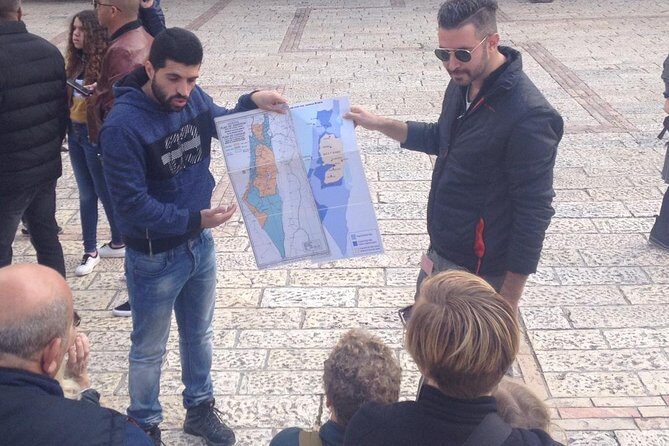
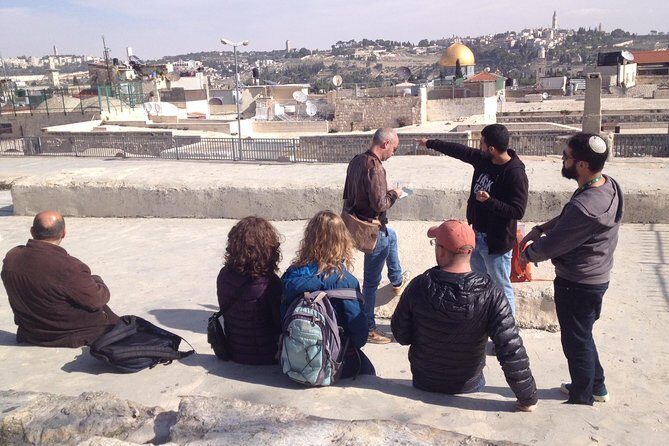
- Balanced perspectives from both Jewish and Palestinian guides
- Visits to key religious sites, including Al Aqsa Mosque, Western Wall, and Church of the Holy Sepulchre
- Insight into current tensions alongside historical context
- Focus on shared traditions and contested spaces
- Expert guides with high praise in reviews
- Cost-effective at $65, offering deep insights in just under 5 hours
👉 See our pick of the Our 16 Favorite Jerusalem Tours & Things To Do
An Honest Look at the Itinerary
The tour kicks off at Jaffa Gate, a natural starting point that frames the city’s complex geography. Here, your guides introduce the significance of Jerusalem’s layered history and discuss how different powers stake their claims through symbols like signage and architecture. This opening sets the tone for a tour that respects history but also acknowledges current realities.
Next, your journey takes you into the Armenian Quarter, an often overlooked part of the city. Here, you’ll notice signage commemorating the Armenian genocide, which sparks conversations about Armenia’s identity in Jerusalem’s diverse mosaic. It’s a small stop, but an important reminder of the city’s religious and ethnic diversity.
The Jewish Quarter follows, with a visit to the Roman Cardo, an ancient covered street that connects past and present. A highlight for many, this site ties Jewish life today to the city’s ancient roots. As one reviewer noted, the guides help you understand what lies beneath the surface of this excavation and the layers that were removed or preserved. It’s a fascinating glimpse into Jerusalem’s continuous habitation, where history is literally built upon itself.
At St. Mark’s Syriac Church, you ascend to a rooftop offering sweeping views toward East Jerusalem. This provides a visual orientation of the city’s borders and major landmarks. It’s a practical stop that helps contextualize subsequent visits and understand the geographic divide.
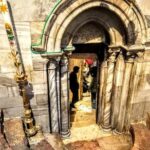
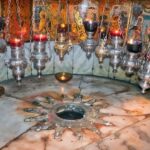
The Church of the Holy Sepulchre is arguably Jerusalem’s most famous Christian site. Your guides will explain its significance in Christian tradition and how it figures into both Israeli and Palestinian narratives. Visitors can step inside this sacred space and see the religious relics, understanding why it’s revered by millions worldwide.
Moving into the Muslim Quarter, the walk includes discussions about Muslim communities’ ties to the city and the current tensions. The guides emphasize respect and understanding, helping travelers see the coexistence and conflicts that define this part of Old Jerusalem.
The Via Dolorosa, or Way of the Cross, is the route Jesus is said to have walked on the way to his crucifixion. The guides point out the 5th Station and the Austrian Hospice, sharing insights and inviting questions. This walk is rich in symbolism, and many find it a moving, personal moment amid the bustling city.
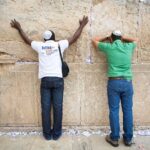
Next, the tour passes through Wadi Road into the area of the Western Wall, one of Judaism’s holiest sites. Here, you’ll learn about the Second Temple, Jewish pilgrimage traditions, and the significance of standing by these ancient stones. The guides also discuss Al Buraq, the Islamic story connected to the same site, emphasizing Jerusalem’s religious significance across faiths.
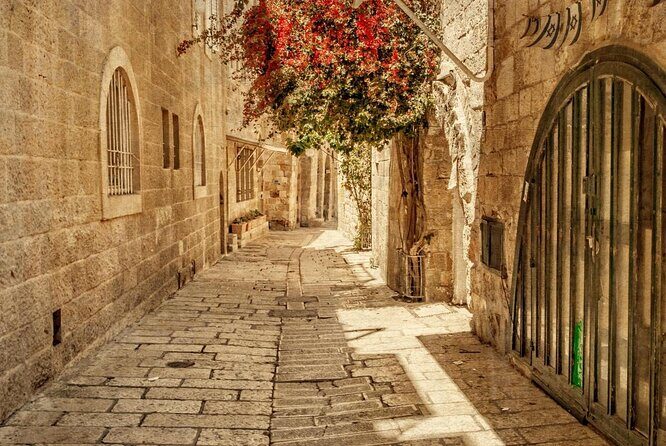
Finally, the Temple Mount/Noble Sanctuary features the Dome of the Rock and Al Aqsa Mosque, which are visually stunning and politically sensitive. Your guides will explain why this site is such a flashpoint, offering historical and contemporary perspectives on its importance for Muslims, Jews, and Christians alike.
You can also read our reviews of more tours and experiences in Jerusalem.

What Makes This Tour Stand Out?
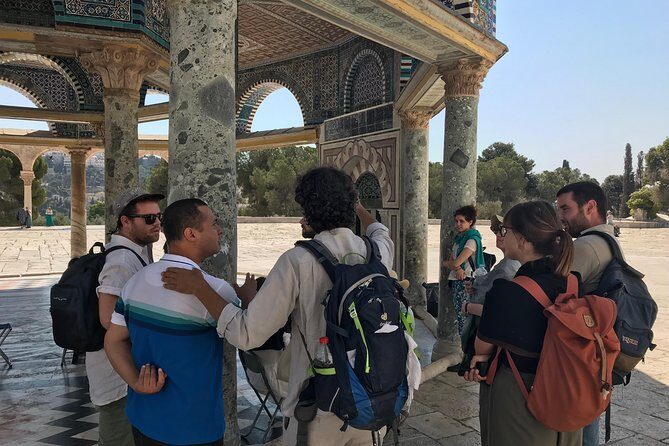
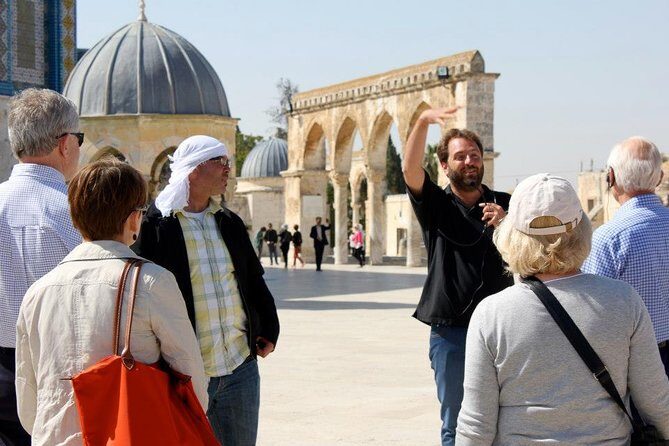
The dual-narrative approach is what truly sets this tour apart. Visitors consistently praise the guides, who are not only knowledgeable but also respectful of each other’s perspectives. As one reviewer put it, “Having two guides with different perspectives was unique,” and others highlight how this balanced approach makes for a more authentic experience.
The pace is manageable, with enough time at each site to absorb the significance without feeling rushed. The tour spans about 4.5 hours, making it suitable for most travelers looking for a thorough overview rather than a hurried whistle-stop.
The price point of $65 offers impressive value considering the depth of insight and the number of sites covered. Entrance fees are not included, but most sites are free to enter, which keeps the cost focused on the guiding expertise and storytelling.
What Travelers Love
Many reviews highlight the knowledge and kindness of the guides. They’re described as candid, honest, and respectful, which is essential in a city where religious and political sensitivities run high. Several reviewers mention how hearing both Palestinian and Jewish perspectives enriched their understanding, and some call this the best tour they’ve ever taken.
The views from St. Mark’s rooftop, and the experience of walking through different quarters, leave a lasting impression. The sense of history being layered beneath the streets and within the buildings adds depth to each visit. Several travelers appreciated the opportunity to ask questions freely, with guides responding thoughtfully.
Possible Drawbacks
A handful of reviews mention that the tour can be long and hot, especially during summer months. It’s important to stay hydrated and wear sun protection. Also, the itinerary is packed, so if you’re eager to spend more time at individual sites like the Western Wall or the Church of the Holy Sepulchre, consider doing those separately.
Some travelers found the pace a little quick and wished for more breaks or time to reflect. The focus on providing a rundown means you might not get to explore every site in detail, but that’s a tradeoff for the breadth of experience.
Who Will Appreciate This Tour?
This experience is ideal for history buffs, those interested in religious traditions, and travelers wanting an honest look at Jerusalem’s complex political landscape. It’s especially suited for people open to hearing multiple viewpoints and who value respectful dialogue.
If you’re short on time but want a meaningful, balanced introduction to the city’s religious and political tapestry, this tour will serve you well. It’s also perfect for first-timers in Jerusalem seeking context that will enrich their later visits to individual sites.
The Sum Up
The Jerusalem: Dual Narrative Tour offers a rare opportunity to see the city through two distinct yet interconnected lenses. With guides who are not only knowledgeable but also respectful of each other’s perspectives, you’ll walk away with a more nuanced understanding of Jerusalem’s layered story. The tour’s focus on the shared spiritual heritage amid ongoing tensions makes it a compelling choice for those eager to learn rather than just look.
For travelers interested in history, religion, and current affairs, this tour provides a thoughtful and balanced introduction to Jerusalem’s complexities. The combination of rich storytelling, stunning views, and authentic dialogue makes it a worthwhile experience—especially for those who value depth over quick sightseeing.
If you’re seeking a respectful, insightful way to connect with Jerusalem’s many stories, this tour hits the mark. It’s a chance to see the city’s sacred sites and understand the narratives that shape daily life here, all delivered with warmth, honesty, and a commitment to understanding.
Jerusalem: Dual Narrative Tour
FAQ
Is the tour suitable for all physical fitness levels?
Yes, the tour requires a moderate level of physical fitness. You’ll be walking through uneven streets and sites, but the pace is manageable.
What should I wear?
You need to follow a dress code for entering places of worship—knees and shoulders must be covered. Comfortable shoes, a hat, and water are recommended.
Are entrance fees included?
No, entrance fees are not included, but most sites within the tour are free to enter. The guides focus on explaining historical and religious significance.
How long does the tour last?
The tour lasts approximately 4 hours and 30 minutes, covering multiple sites, with some time for questions and reflection.
Can I ask questions during the tour?
Absolutely. The guides are praised for being open and engaging, encouraging questions to deepen understanding.
Does the tour run in all weather?
Yes, it does. Prepare for sun or rain, and consider bringing an umbrella or sun protection depending on the season.
Is this tour good for repeat visitors?
While it’s designed as an overview, the nuanced perspectives and discussion of current tensions make it valuable even for those familiar with Jerusalem’s history.
Whether you’re a first-timer or a seasoned visitor, the Jerusalem: Dual Narrative Tour offers a rare window into the city’s soul—its history, its faiths, and its conflicts—all told through the eyes of guides who embody respect and honesty.