If you’re seeking a hands-on, culturally rich activity in Japan, this soba noodle-making tour in Kagoshima offers a fascinating window into traditional Japanese culinary arts. It’s not just about eating; it’s about understanding the craftsmanship behind one of Japan’s most beloved dishes. From grinding buckwheat to shaping your noodles, you’ll gain a new appreciation for the effort that goes into every bowl of soba.
What we particularly love about this experience is how it highlights local ingredients and traditional techniques, giving you a taste of authentic Japanese culture. Plus, the fact that you receive a certificate of completion makes it a memorable keepsake. A possible drawback is that the instruction is only in Japanese, which might be a challenge for non-Japanese speakers, but this element of authenticity can also be part of the charm.
It generally suits travelers who enjoy culinary adventures, authentic experiences, and those looking for a meaningful activity that isn’t just sightseeing.
This tour is especially great if you’re curious about Japanese food preparation or want a memorable, interactive experience that’s different from typical sightseeing. Whether you’re a foodie or a culture seeker, you’ll walk away with a new skill — and a full belly.
- Key Points
- An In-Depth Look at the Kagoshima Soba Noodle Experience
- A Genuine Taste of Japanese Culinary Tradition
- Why the Grinding Method Matters
- The Making Process — Step by Step
- Cooking and Tasting
- Authenticity and Language
- The End Result — Satisfaction and a Keepsake
- Value and Practical Tips
- Who Will Enjoy This Experience?
- Limitations to Keep in Mind
- The Sum Up: The Value of Making Your Own Soba in Kagoshima
- FAQ
- More Tour Reviews in Kagoshima
Key Points
- Authentic craftsmanship: Learn traditional soba-making methods from a local guide.
- Fresh ingredients: Use buckwheat ground daily in a stone mill for maximum flavor.
- Hands-on activity: Knead, shape, and cut your own noodles, choosing between thick or thin varieties.
- Cultural insight: Experience the techniques that make Japanese soba unique.
- Memorable keepsake: Receive a certificate of completion.
- Value for money: At $34, this experience offers a meaningful, authentic activity that lasts roughly 2 hours.
An In-Depth Look at the Kagoshima Soba Noodle Experience
You can also read our reviews of more tours and experiences in Kagoshima.
A Genuine Taste of Japanese Culinary Tradition
The moment you arrive at the soba dojo in Chiran, Kagoshima, you’ll notice the simple charm of the setting — a traditional ambiance that reflects the very essence of Japanese craftsmanship. The activity begins outside, where a windmill signifies the rustic charm of this region, setting the stage for an authentic experience.
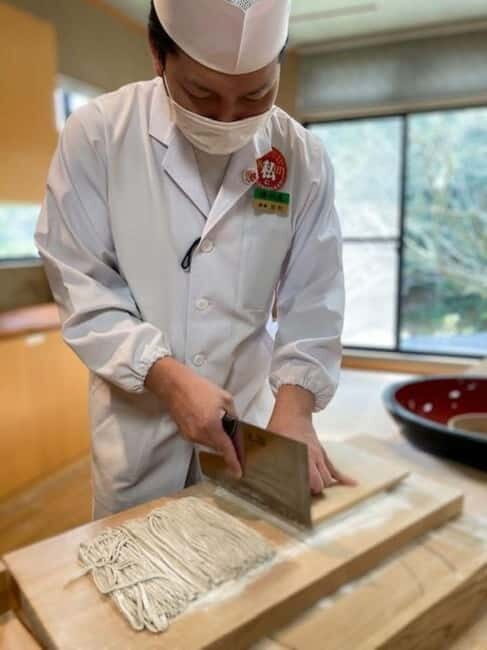
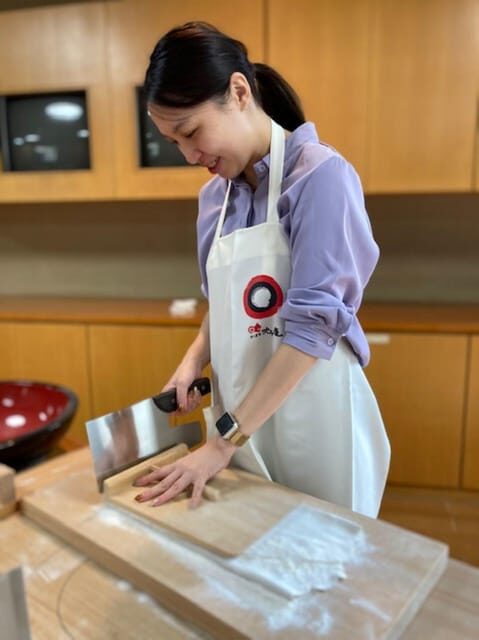
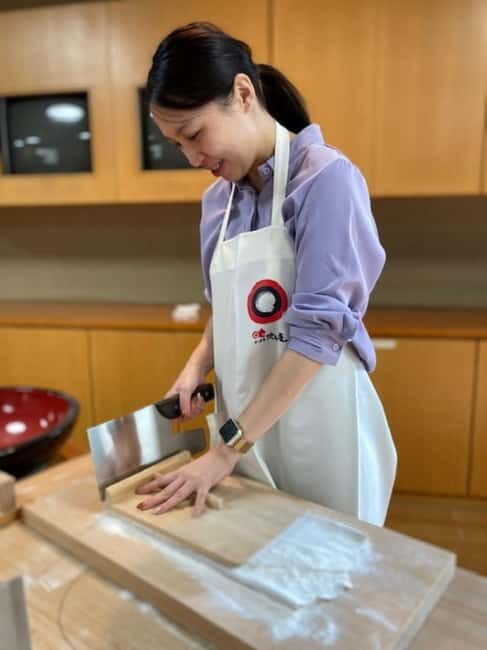
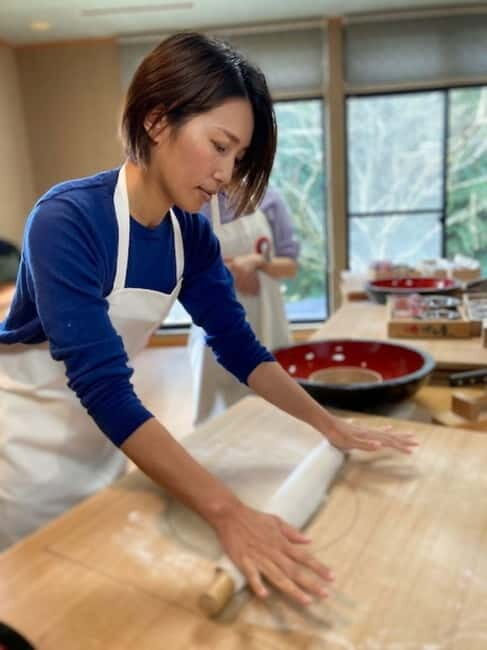
The core of this tour is the process of making soba from scratch, which is far more involved than simply boiling noodles. You’ll learn the key steps: sieving buckwheat flour, mixing with water, kneading the dough, shaping, rolling, folding, chopping, and finally cooking. Each stage is important, and you’ll be encouraged to pay close attention, especially since the secret to flavorful, fragrant soba lies in ground fresh each morning in a traditional stone mill. The slow rotation at 20 revolutions per minute prevents heat buildup, preserving the aroma and flavor of the buckwheat, which makes a noticeable difference in the final product.
Why the Grinding Method Matters
Many soba enthusiasts agree that “freshly ground” and “freshly made” noodles are vastly superior. You’ll see the stone mill in action, and it’s worth noting that this careful attention to detail is what makes the noodles you produce special. The ground buckwheat is fragrant and whole-grain, offering a deeper, nuttier flavor compared to pre-packaged options.
The Making Process — Step by Step
The process begins with sieving the buckwheat flour, which ensures a smooth dough and uniform noodles. You’ll mix the flour with water, knead it thoroughly, and then shape it into a ball. The instructor, despite only speaking Japanese, is patient and supportive — a point noted in reviews, with one guest saying, “Very nice hostess/instructor. Beautiful restaurant and surrounding area.”
Next, you’ll flatten the dough with a rolling pin, fold it carefully, and cut it into your desired shape. You can opt for thick, rustic noodles or thin, smooth noodles, depending on your preference — hot or cold. The flexibility in noodle thickness allows you to tailor the experience to your taste.
More Great Tours NearbyCooking and Tasting
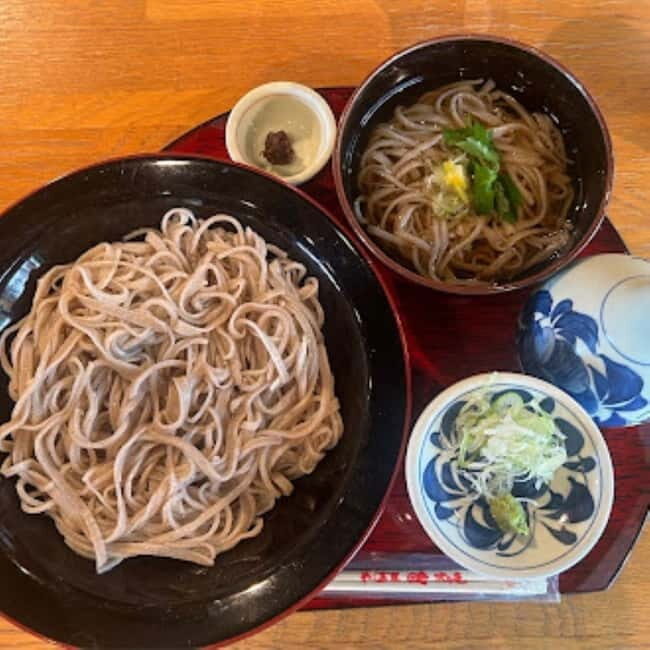
Once your noodles are prepared, cooking is straightforward but requires attention to detail. The instructor emphasizes that the freshness of the noodles — from grinding to boiling — contributes to their chewy, flavorful quality. After boiling, you’ll enjoy your handmade soba in a simple, authentic presentation, appreciating the fragrance and texture.



Authenticity and Language
One potential obstacle is that the activity is conducted only in Japanese. However, the lack of English instruction is part of its authenticity, and the host’s patience and support shine through in reviews. Brendan from the sole review praises the instructor as “patient in supporting us,” even if the language barrier exists. If you’re comfortable with a bit of non-verbal communication or translation app help, this adds to the genuine experience.
The End Result — Satisfaction and a Keepsake
Completing your soba-making journey, you’ll receive a certificate of completion — a small but meaningful reminder of your newfound skill. Many visitors find this souvenir a charming token of their time in Japan, especially as it symbolizes a meaningful hands-on activity rather than passive observation.
Value and Practical Tips
For $34 per person, this experience offers excellent value. It lasts roughly two hours, including making, cooking, and tasting. The price covers the ingredients, guidance, and the certificate. Note that transportation to and from the dojo isn’t included, so plan accordingly. You’re encouraged to bring comfortable shoes, a camera to capture the process, and water to stay refreshed.
Who Will Enjoy This Experience?
This tour suits foodies, culinary travelers, and those interested in craftsmanship and traditional techniques. It’s ideal for travelers who appreciate authentic cultural activities where they can learn a skill rather than just watch. If you’re comfortable with some language barriers or enjoy making things yourself, you’ll find this a fun, rewarding activity.
Limitations to Keep in Mind
Since the instruction is only in Japanese, it might not be suitable for travelers who prefer guided activities in their native language. Also, while the setting is indoors, the process is hands-on and physical, so comfortable shoes are recommended. It’s suitable for vegetarians, given the focus on buckwheat and local ingredients, but any dietary restrictions should be communicated in advance.
The Sum Up: The Value of Making Your Own Soba in Kagoshima
This soba noodle-making experience offers an engaging, authentic glimpse into Japanese culinary culture. For just over thirty dollars, you’ll learn a traditional craft, enjoy the fragrant, freshly made noodles, and walk away with a certificate of achievement that’s both charming and meaningful. It’s perfect for travelers craving more than just sightseeing — for those who want to connect with local traditions and possibly impress friends with a new skill.
While language might be a barrier, the experience’s warmth and authenticity shine through. The careful attention to detail, from ground buckwheat to the final chop, ensures you’ll appreciate the effort that goes into each bowl of soba. It’s a memorable activity that’s both fun and educational, suited especially for those who value unique cultural insights and hands-on involvement.
For anyone visiting Kagoshima who wants a taste of real Japan — both figuratively and literally — this soba-making tour is a genuine treat.
Kagoshima: Soba Noodle Making with Local Ingredients
FAQ
Is this activity suitable for vegetarians?
Yes, the focus is on buckwheat and local ingredients, making it vegetarian-friendly.
Do I need to speak Japanese to participate?
Instruction is only in Japanese, so some familiarity or patience with non-verbal communication helps. The instructor was praised for being patient and supportive.
How long does the experience last?
Approximately two hours, including making, cooking, and tasting your noodles.
What should I bring?
Comfortable shoes, a camera, and water. Since it’s indoors, dress comfortably.
Is transportation included?
No, transportation to and from the soba dojo is not included. You’ll need to arrange your own route.
Can I choose the noodle thickness?
Yes, you can select between rustic thick noodles and thin noodles based on your preference.
What do I receive at the end?
A certificate of completion to commemorate your soba-making effort.
Is the activity suitable for children?
The data doesn’t specify age restrictions, but since it involves kneading and chopping, younger children should be supervised carefully.
What is the price, and is it worth it?
At $34 per person, it offers great value for a memorable, hands-on cultural activity in Japan.
Can I cancel if I change my mind?
Yes, cancellations are accepted up to 24 hours in advance for a full refund.
In summary, this Kagoshima soba-making tour offers a blend of tradition, hands-on activity, and cultural insight. It’s perfect for those looking to deepen their understanding of Japanese food, enjoy a genuine craft, and take home a story of their own making.
You can check availability for your dates here: