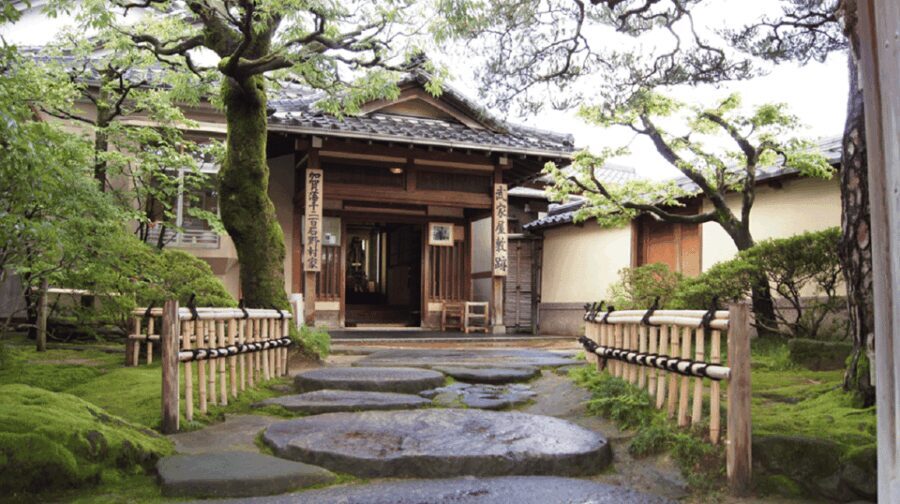
If you’re wandering through Kanazawa and craving a glimpse into the samurai lifestyle of centuries past, the Nomura Family Samurai Residence is a must-see. This experience offers a rare chance to step inside a well-preserved home that belonged to a loyal retainer of the Maeda clan, the powerful ruling family of the region. For just $3.70, you gain access to a slice of history that’s both visually stunning and quietly educational.
What we really appreciate about this tour is how it combines authentic culture with a manageable visit—no long lines, no crowds, just an intimate look at samurai life. The beautiful Japanese garden is a standout, providing a peaceful backdrop for reflection, while the interior is packed with intricate architectural details and fascinating artifacts that bring history to life.
A quick heads-up: the residence is quite old, which means some areas might not be wheelchair accessible, and strict rules about no touching or flash photography are in place. Still, these limitations are understandable given the preservation needs. This experience is well-suited for those interested in history, architecture, and garden design, especially if you appreciate quiet, contemplative spaces away from the busier tourist spots.
- Key Points
- An In-Depth Look at the Nomura Family Samurai Residence
- Location and Accessibility
- Entrance and Admission
- What to Expect Inside
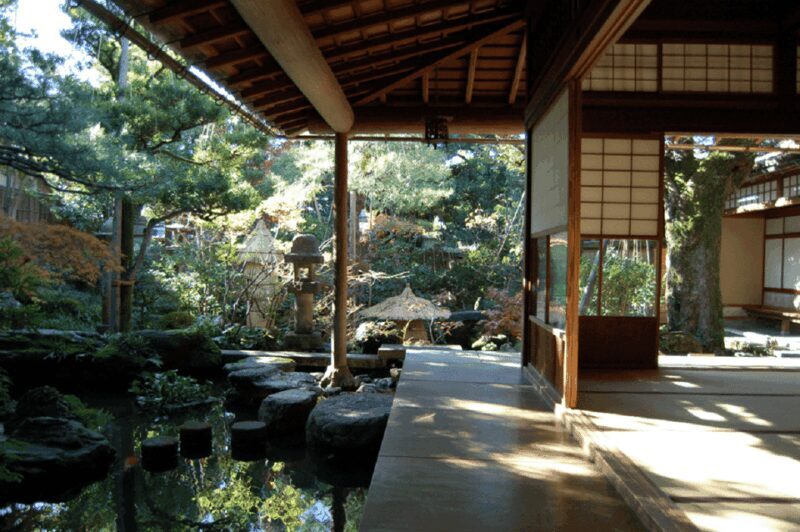
- The Japanese Garden
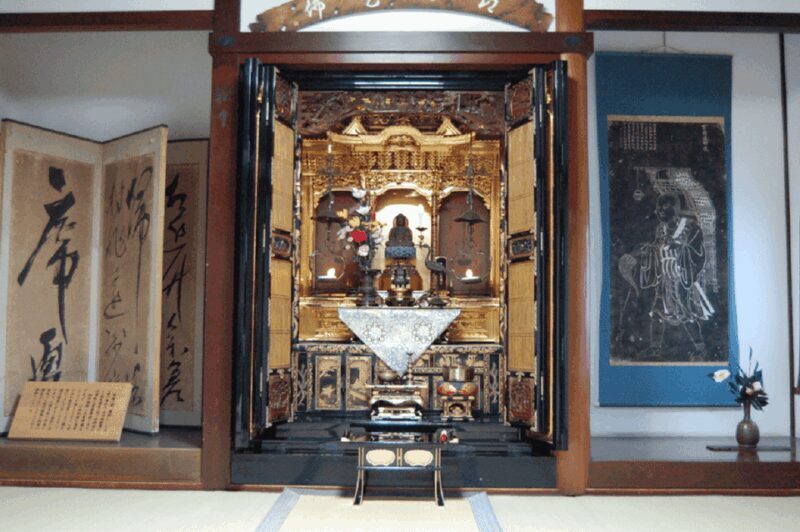
- Historical Artifacts and Architectural Details
- Guided Tours and Additional Experiences
- Reviews and Personal Testimonials
- Practical Tips
- Why This Tour Is Worth Your Time
- Who Will Love This Experience?
- Frequently Asked Questions
- Final Thoughts
- More Tour Reviews in Kanazawa
Key Points
- Authentic historic setting dating back over 400 years.
- Beautiful Japanese garden perfect for a peaceful stroll.
- Insightful artifacts and architectural details that tell stories of samurai life.
- Affordable price point offers excellent value for cultural enthusiasts.
- Respectful, quiet environment ideal for reflective visitors.
- Limited accessibility, so plan accordingly if mobility is an issue.
An In-Depth Look at the Nomura Family Samurai Residence
You can also read our reviews of more tours and experiences in Kanazawa.



Location and Accessibility
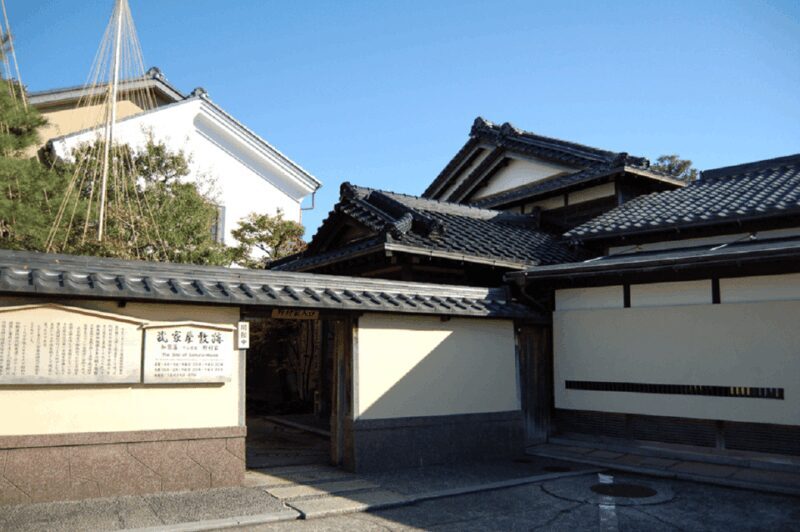
The residence is situated within the Nagamachi Samurai District in Kanazawa, easily accessible as the only publicly open building of its kind in the area. Once you arrive, you’ll find straightforward access—simply head directly to the site for your admission voucher. The process is hassle-free, which makes it a perfect addition to a day of exploring Kanazawa’s highlights.
Since the residence is a historical building, expect a few limitations, particularly regarding accessibility. Some areas may not be wheelchair friendly, and visitors are asked to remove their shoes before entering, which is standard practice in traditional Japanese homes.
Entrance and Admission
At only $3.70 per person, the cost is undeniably reasonable, especially considering the quality of the experience. Children under 6 can enter for free, making it a family-friendly option. The ticket grants access to both the house and the garden, ensuring a full experience without any hidden fees.
What to Expect Inside
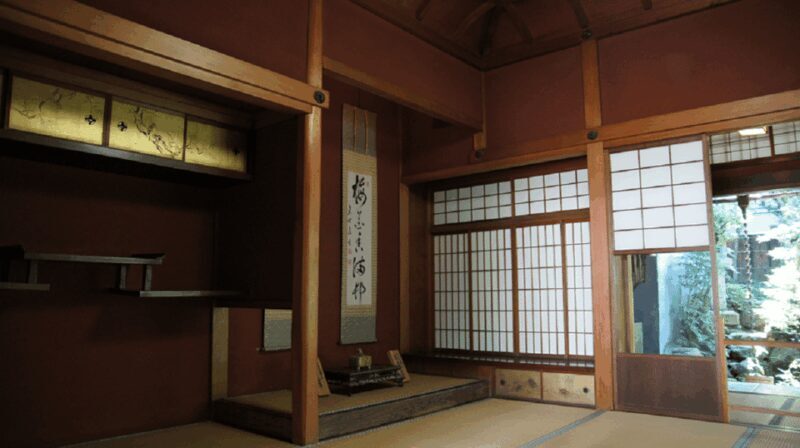
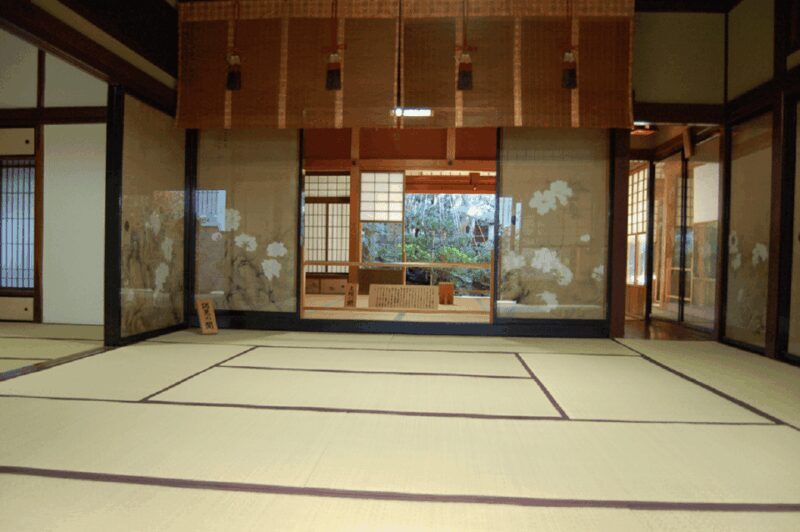
Once inside, you’ll be greeted by a well-preserved interior that maintains the authentic feel of a samurai residence, complete with traditional furniture, historical artifacts, and detailed woodwork. Visitors are encouraged to admire but not touch artifacts or furniture, so a respectful attitude is expected.
The house offers a look into everyday life, social status, and craftsmanship of the samurai class. The design reflects both functionality and elegance, with sliding doors, tatami rooms, and a careful layout that balances privacy with representative spaces.
More Great Tours NearbyThe Japanese Garden
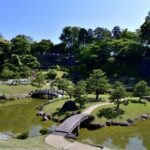
One of the highlights of this experience is the serene Japanese garden, which surrounds or is adjacent to the residence. Visitors often comment on how beautiful and peaceful the garden is, with its carefully curated plants, stones, and water features. Some reviews mention the big koi fish, adding an extra layer of fascination during the stroll.
The garden’s design emphasizes tranquility, making it an ideal spot to reflect on what you’ve seen inside the house. It’s a rare chance to experience a Zen vibe right in the heart of the city, perfect for photographers or anyone seeking a moment of calm.





Historical Artifacts and Architectural Details
The residence boasts a collection of fascinating artifacts that give insights into samurai life, from traditional armor pieces to household items. These artifacts, along with the architectural craftsmanship, serve as tangible links to the past.
Visitors often note the intricate architectural details—the craftsmanship in the woodwork, the layout of rooms, and the overall preservation effort—that make this residence a window into 17th-century Japan. As one reviewer put it, “The residence is incredibly well kept,” highlighting the care taken to maintain its authenticity.
Guided Tours and Additional Experiences
While the basic admission provides access to the house and garden, there’s mention of a tea ceremony offered for a small fee (around 300 yen), which many visitors find worthwhile. Though not included in the standard ticket, this optional experience can deepen your cultural understanding, especially if you love traditional tea practices.
Reviews and Personal Testimonials
The reviews reflect high satisfaction, with an average rating of 4.8 out of 5 based on 67 reviews. Visitors consistently praise the well-preserved condition and the beauty of the gardens. Ivan describes it as “the best spot visited during our trip,” emphasizing the stunning views of the garden and large koi fish. Giulia highlights the peaceful, Zen atmosphere and mentions how well-maintained the residence is, suggesting that even casual visitors will find it worthwhile.
Angélica notes that seeing the interior of a typical samurai house made for a pleasant, authentic experience, reinforcing the residence’s value as a cultural snapshot.
Practical Tips
- Arrive prepared for a quiet, respectful environment—no flash photography or loud voices inside.
- Remember to remove shoes before entering.
- Consider bringing a camera, but avoid flash or tripods inside.
- If interested, ask staff about additional experiences like the tea ceremony.
- Be aware that some areas might be inaccessible if you have mobility issues.
- Allocate about an hour to explore comfortably, including the garden.
Why This Tour Is Worth Your Time
This experience isn’t just about ticking a box on your sightseeing list—it’s about truly appreciating the craftsmanship, tradition, and tranquility of historic Japan. The price point makes it accessible, but the value lies in the quality and authenticity of what you see.
For history buffs, the artifacts and architecture provide a tangible connection to a bygone era. Garden lovers will relish the peaceful scenery, and those interested in traditional Japanese homes will find the interior layout fascinating. It’s a perfect stop for travelers who prefer cultural depth over crowds or commercialized attractions.
Who Will Love This Experience?
If you’re a traveler who values authentic, quiet spots and wants to understand samurai culture without the hassle of large tour groups, this is an excellent choice. It suits history enthusiasts, architecture admirers, and garden lovers alike. Families with older children can enjoy the peaceful environment, especially if they’re interested in Japanese traditions.
However, those with mobility challenges should keep in mind that some areas may not be accessible. Also, if you prefer highly interactive or guided experiences, you might want to combine this with other tours or seek out additional insights locally.
Frequently Asked Questions
Is the Nomura Residence accessible for wheelchair users?
Some areas may not be wheelchair accessible due to the historic design. It’s best to plan accordingly if mobility is a concern.
How long does the visit typically take?
Most visitors spend about an hour exploring the residence and garden at a relaxed pace, but you can easily extend your visit if you wish to linger.
Can I take photos inside the residence?
Yes, photography is permitted, but flash and tripods are not allowed inside to protect the artifacts.
Are there guided tours available?
The ticket includes self-guided entry, but staff may offer additional experiences like a tea ceremony for a small fee.
Is there a dress code or special etiquette I should be aware of?
Visitors are expected to be quiet and respectful, remove shoes before entering, and avoid touching artifacts.
What else is included in the ticket price?
The ticket covers entry to both the house and the garden. Additional experiences, like tea ceremonies, may require extra payment.
Kanazawa: Samurai Residence Remains Nomura Family admission
Final Thoughts
The Nomura Family Samurai Residence offers a glimpse into Japan’s samurai past that feels authentic and thoughtfully preserved. Its peaceful garden setting and well-maintained interiors make it an ideal stop for those seeking a quiet, cultural experience away from the crowds. The modest price enhances its value, providing a meaningful peek into a world of discipline, craftsmanship, and tradition.
This visit is perfect for anyone interested in history, architecture, or traditional gardens, especially if you prefer your cultural encounters to be intimate and genuine. It’s a highlight that combines visual beauty, historical insight, and a sense of tranquility—a rare combination in today’s busy travel scene.
Whether you’re a history lover, a garden enthusiast, or simply curious about samurai life, this experience promises a meaningful and visually stunning journey into Japan’s past.
You can check availability for your dates here: