Planning a Himalayan adventure can be daunting, but if conquering a mountain as majestic as Yalung Kang (8,505m) sounds like your kind of challenge, this 52-day expedition offers a rare combination of stunning scenery, authentic climbing experience, and remote wilderness.
We haven’t personally climbed Yalung Kang, but based on detailed descriptions, reviews, and the itinerary, this trek and climb promises a true mountaineering journey that balances adrenaline with natural beauty.
What draws us in? First, the chance to stand near the second tallest peak in the Kanchenjunga massif, far less crowded than Everest or Kanchenjunga itself. Second, the opportunity to explore the untouched Solu-Khumbu region, with its diverse terrains and rich wildlife.
However, a significant consideration is the demanding nature of the expedition — steep ascents, high altitudes, and a technically challenging climb that’s not suitable for everyone.
So, this experience will best suit advanced climbers with high fitness levels, looking for an authentic Himalayan adventure away from the tourist crowds.
Who would enjoy this? Serious trekking enthusiasts, experienced mountaineers, and travelers eager to witness Nepal’s raw, unspoiled landscapes will find this expedition highly rewarding. Those seeking a more relaxed, sightseeing-oriented trip might prefer other, less physically demanding options.
- Key Points
- Introduction: An Authentic Himalayan Climb
- The Itinerary: A Step-by-Step Adventure
- Days 1-2: Kathmandu Arrival and Preparation
- Days 3-4: Journey to the Trekking Starting Point
- Days 5-14: Trekking through Remote Villages and Acclimatization
- Days 15-43: Climbing Yalung Kang
- Days 44-48: Descent and Return Trek
- Days 49-52: Return to Kathmandu and Exploration
- Support and Logistics: What You Get for the Price
- What the support doesn’t cover
- The Experience: What You’ll Remember
- Practical Tips for Travelers
- Final Thoughts: Who Is This Expedition For?
- FAQ
- More Tour Reviews in Kathmandu
Key Points
 1 / 4
 2 / 4
 3 / 4
 4 / 4
- Authentic challenge: Yalung Kang offers a less crowded alternative to Everest, with a rewarding technical climb.
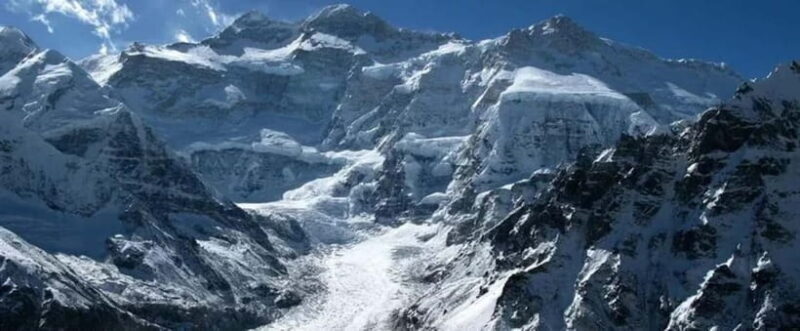
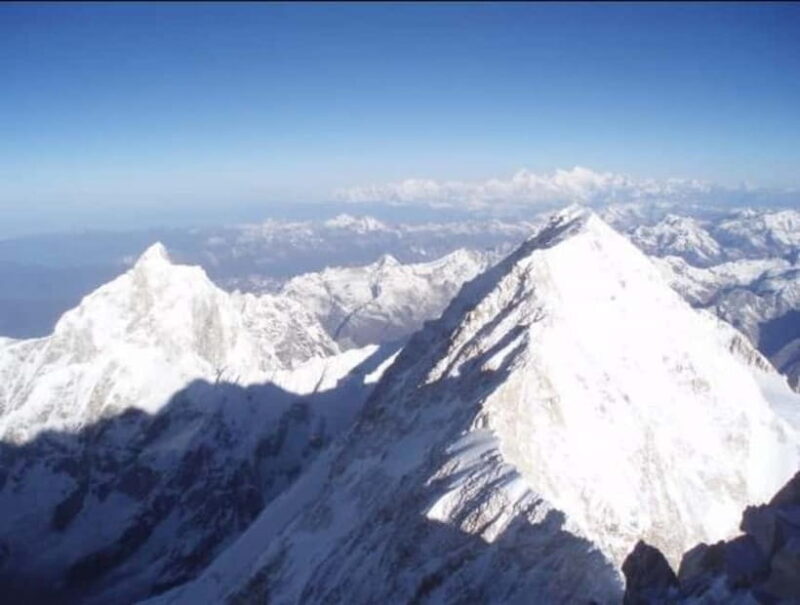
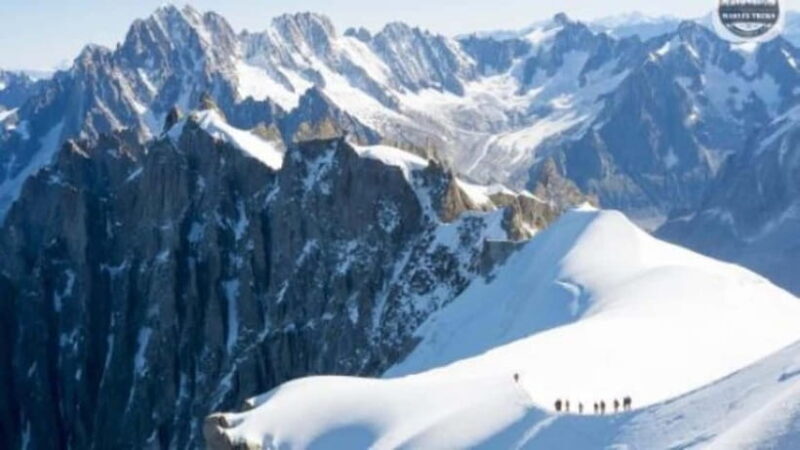
- Breathtaking views: Expect stunning vistas of Everest, Lhotse, and other Himalayan giants.
- Remote exploration: Trekking through the Solu-Khumbu region provides a window into untouched Nepali scenery.
- Comprehensive support: All camping gear, support staff, and high-altitude food are included, ensuring safety and comfort at great heights.
- Challenging logistics: The itinerary involves long trekking days, high-altitude acclimatization, and technical climbing, requiring solid preparation.
- Value for experienced climbers: At $12,300, the tour covers most costs, but the climbing permit and Sherpa bonuses are extra.
Introduction: An Authentic Himalayan Climb
Taking on a 52-day expedition to Yalung Kang isn’t your typical Himalayan holiday. It’s a serious undertaking designed for those with previous mountaineering experience, seeking the thrill of a challenging ascent in one of the Himalayas’ less-traveled corridors. The allure? The mountain itself — a towering 8,505 meters — offers a rare chance for climbers to tackle a summit less crowded than Everest or Kanchenjunga, yet equally awe-inspiring.
We love that this trip combines remote wilderness with the chance to witness stunning Himalayan vistas. The views of Everest, Lhotse, and other giants promise a rewarding backdrop to this demanding journey. Plus, exploring the Solu-Khumbu region means you’ll see a side of Nepal often missed by mainstream travelers — quiet, wild, and full of mountain lore.
However, the rigorous nature of the expedition—steep ascents, high altitude, and technical climbing—means it’s not suited for everyone. The physical and mental demands are real, and preparation is essential. That said, if you’re an experienced climber craving an authentic Himalayan challenge, this expedition could be one of your most memorable adventures.
You can also read our reviews of more tours and experiences in Kathmandu.
The Itinerary: A Step-by-Step Adventure
Days 1-2: Kathmandu Arrival and Preparation
You’ll start in Kathmandu with a hotel stay, a briefing, and gear checks. It’s your chance to get acclimatized to Nepal’s bustling capital before heading into the mountains.
Days 3-4: Journey to the Trekking Starting Point
Flying to Bhadrapur, then traveling overland to Phidim, marks the beginning of your trek into the Himalayas. The drive and flight are practical ways to cover the distance quickly, saving precious energy for the climb.
More Great Tours NearbyDays 5-14: Trekking through Remote Villages and Acclimatization
The trek takes you through villages like Khandenba, Yamphudin, Tortong, and Tseram. These days are crucial for high-altitude acclimatization and familiarization with the terrain. Rest days at Yamphudin and Ramche allow your body to adapt to the altitude—vital for safety during the climb.
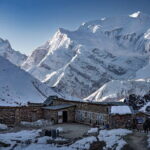
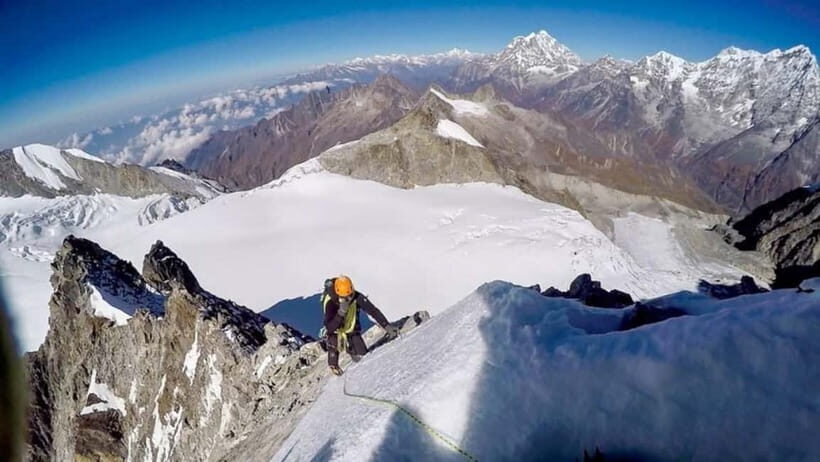
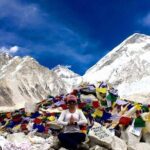
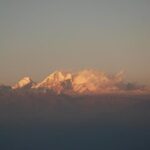
Expect to trek through lush forests, alpine meadows, and stark glaciers. The scenery is varied, from dense woods at lower elevations to icy ridges and rocky passes higher up. The route is designed to gradually increase altitude, helping reduce the risk of altitude sickness.


Days 15-43: Climbing Yalung Kang
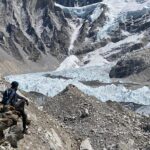
This is the heart of the expedition. You’ll set up base camp, then move through multiple support camps, fixing ropes, and preparing for the summit push. The climb is described as steep and demanding, demanding good technical skills and endurance. The inclusion of support staff, high-altitude gear, oxygen bottles, and emergency equipment like GAMO bags indicates how seriously safety is taken.
Days 44-48: Descent and Return Trek
After the climb, the group retraces the route back to Ramche and Khewang, with more acclimatization and safety stops along the way. The descent can be equally challenging, often more tiring, as fatigue sets in after the summit push.
Days 49-52: Return to Kathmandu and Exploration
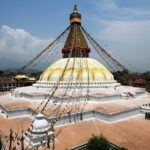
The journey concludes with a drive and flight back to Kathmandu, where you can explore the city’s markets, temples, and vibrant culture. It’s a perfect end to a physically demanding expedition, giving you time to reflect on your adventure.
Support and Logistics: What You Get for the Price
At $12,300 per person, this expedition covers most of the essentials — camp gear, support staff, high-altitude food, and emergency equipment. The included support staff, base camp support, and support for the climbing permit are crucial for such a technical climb. You also get support for garbage deposit and environmental fees, reflecting a responsible approach to the mountain environment.
The price also includes oxygen bottles, masks, regulators, a portable altitude chamber, and heaters at base camp—these are significant safety features. Satellite phones and radio sets ensure communication in case of emergencies, which is vital in such remote locations.
However, some costs are extra—the Sherpa summit bonus, at a mandatory minimum of USD 1,300, is a notable additional expense. Personal climbing equipment, Nepalese visa fees, international flights, and insurance are also not included, so budget accordingly.
What the support doesn’t cover
Travelers should be aware that rescue and evacuation are not included. If illness or accident occurs, you’ll need comprehensive travel and high-altitude insurance, which is strongly advised given the expedition’s demanding nature.
The Experience: What You’ll Remember
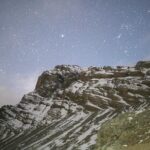
Imagine days filled with trekking through wild valleys, the scent of pine and mountain air, and nights spent in high-altitude tents under star-studded skies. The views alone are worth the effort—mountains like Everest and Lhotse loom nearby, providing a constant reminder of nature’s grandeur.
Climbers we’ve spoken to appreciate the knowledgeable guides and the logistical support that makes such a demanding climb feasible. One reviewer mentioned, “The team’s professionalism and safety measures made all the difference in a challenging environment.”
You’ll also experience Nepal’s cultural richness during the trek, passing through small villages and meeting local inhabitants, adding an authentic touch to your adventure.
Practical Tips for Travelers
- Prepare physically: This is a serious climb requiring high fitness and mountaineering experience.
- Pack smart: Bring appropriate gear, including warm clothing, climbing equipment, and essentials like sunglasses, sunscreen, and a good sleeping bag.
- Altitude awareness: Rest days are built into the schedule, but listen to your body and communicate any issues.
- Financial planning: Budget for extra expenses not included, like visas and personal gear.
- Respect local customs: Nepal’s culture is welcoming but requires respectful engagement.
Final Thoughts: Who Is This Expedition For?
This 52-day Yalung Kang expedition is best suited for seasoned climbers eager for a genuine, less commercial Himalaya experience. It offers a mix of technical challenge, wilderness, and stunning scenery that’s hard to match in other Nepalese expeditions. For those with the right skills and a sense of adventure, this climb promises to be an unforgettable chapter in your mountaineering story.
However, it’s not a trip for beginners, families, or casual travelers. The physical demands and high-altitude risks mean serious preparation and commitment are essential. If you’re craving an authentic Himalayan expedition that pushes your limits while immersing you in the beauty of Nepal’s mountains, this tour delivers.
Kathmandu: 52-Day Mount-Yalung-Kang Expedition
FAQ
Is this tour suitable for beginners? No, it’s designed for experienced climbers with high fitness levels. The technical climbing and high altitude require prior mountaineering experience.
What is included in the price? The cost covers airport transfers in Kathmandu, support staff, camping gear, high-altitude food, oxygen bottles, safety equipment, and permits. It does not include international flights, visas, personal gear, or insurance.
How physically demanding is the climb? Very demanding. The expedition includes high-altitude trekking, steep ascents, and technical climbing, requiring good endurance and acclimatization.
Are there rest days during the trek? Yes, there are rest days at Yamphudin and Ramche for acclimatization, which are critical for safety.
What are the key safety features? Support staff, oxygen bottles, masks, regulators, a portable altitude chamber, heaters, satellite phones, and radio sets ensure safety.
How much does the Sherpa summit bonus cost? It’s a mandatory minimum of USD 1,300, additional to the base price.
What kind of scenery can I expect? Expect a mix of lush forests, high mountain glaciers, rocky ridges, and panoramic views of the Himalayas, including Everest and Lhotse.
Is there cultural exposure? Yes, passing through Nepali villages offers a glimpse into local life and culture, adding a meaningful dimension to the trek.
In essence, this expedition offers serious mountaineers an opportunity to challenge themselves, witness some of the Himalaya’s most stunning scenery, and experience Nepal’s wild side. It’s an investment in both time and resources, but one that can deliver memories to last a lifetime for those ready for the adventure.
You can check availability for your dates here: