Planning a trek to Annapurna Base Camp (ABC) from Pokhara is a dream for many mountain lovers. This 7-day trek offers a balance of adventure, stunning scenery, and culture. While we haven’t personally strapped on hiking boots, we’ve reviewed this experience thoroughly to help you decide if it’s worth your time and money.
What we love about this tour is the chance to witness spectacular Himalayan vistas and the opportunity to stay in authentic teahouse accommodations, which add to the charm. The well-paced itinerary also ensures you won’t feel rushed, giving plenty of time to enjoy each day’s highlights.
However, a consideration is the overall physical demand — trekking at high altitudes for several days requires stamina, and some may find the elevation gain challenging. This tour suits active travelers who enjoy moderate hiking, want to experience Nepal’s mountain hospitality, and are eager for panoramic mountain views.
Kathmandu: Annapurna Base Camp 7-Day Trek
Key Points
- Stunning mountain vistas of Annapurna I, Machapuchare, and Hiunchuli are the main draw.
- Charming Gurung villages and lush forests bring cultural and natural beauty together.
- The well-organized logistics include comfortable accommodations, experienced guides, and all permits.
- The authentic teahouse stays offer a real mountain experience with basic comforts.
- The trek is suitable for travelers with moderate fitness levels, but not for those with mobility issues or pre-existing health conditions.
- The value for the price of $1,099 per person includes most essentials, from permits to gear, making it a solid choice for a guided Himalayan adventure.
Day 1: Kathmandu to Pokhara
Your journey begins with a scenic drive from Kathmandu, a city packed with cultural sights, to Pokhara, a lakeside town known for its stunning mountain views. The drive, usually around 6-7 hours, offers glimpses of Nepal’s lush landscape and small villages. We liked that the trip includes all pickups and drop-offs in a comfortable private vehicle, easing transportation worries.
Day 2: Pokhara to Matque, then trek to Chhomrong
From Pokhara, you take a scenic drive to Matque, at 1,070 meters, which marks the start of your trek. The walk to Chhomrong (2,170 meters) is the first real taste of mountain life, passing through terraced fields and small villages. The route winds through terraced farmland and forests, giving a gradual ascent without being overwhelming. Many reviews highlight the charming Gurung villages along this stretch, offering a taste of local life and culture.
Day 3: Chhomrong to Himalaya
This section takes you higher into the mountains, with the trail climbing through bamboo and rhododendron forests. The ascent is steady, and the route offers moments of peace and spectacular views of the surrounding peaks. Travelers often remark on the lushness of the forest and the chance to see wildlife or local birds. Reaching Himalaya (2,920 meters) sets you up for the final push toward ABC.
Day 4: Himalaya to Annapurna Base Camp
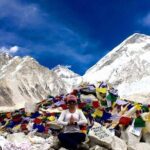
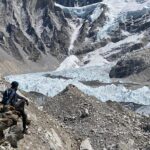
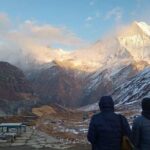
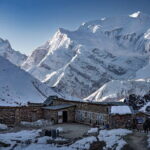
This is the big day. You’ll trek from Himalaya to ABC, ascending through more rugged terrain. The views along the way are breathtaking, with vistas of towering Himalayan giants. Once at ABC (4,130 meters), you’ll be amid an impressive natural amphitheater of snow-capped peaks. Many hikers describe the thrill of seeing the world’s highest peaks up close and feeling a profound sense of achievement. The camp itself is a surreal scene of snow and rock, perfect for photos and soaking in the grandeur of the Himalayas.
Day 5: Return trek from ABC to Bamboo
Descending back through the same scenic landscapes, you’ll relax at Bamboo (2,310 meters). This day offers a chance to reflect on your experience and enjoy the forested surroundings. The descent is easier on the knees, and many appreciate the quieter, less-crowded atmosphere here.
Day 6: Trek to Matque, then drive back to Pokhara
The trek from Bamboo to Matque is a gentle downhill, giving your muscles a break. Afterward, a scenic drive returns you to Pokhara, the perfect place to unwind, enjoy lakeside cafes, and process your mountain experience.
Day 7: Return to Kathmandu
The final day involves a scenic bus ride back to Kathmandu, ending your Himalayan adventure. Many reviewers note that the trip is well-organized, with most logistics handled seamlessly, allowing you to focus on the experience.
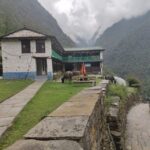
Throughout the trek, staying in teahouses offers a genuine mountain hospitality experience. These lodges provide basic comforts—shared bathrooms, simple bedding, and hearty, home-cooked meals. Many praise the food, especially the staple Dal Bhat, which provides the energy needed for long days. International options like pasta and fried rice are often available, catering to diverse tastes.
The tour’s inclusion of gear on loan—down jackets and sleeping bags—ensures you’re well-prepared without lugging heavy equipment. The group sizes are manageable, with licensed guides and porters to carry gear, making the trek easier and more enjoyable.
At $1,099 per person, this tour covers nearly all essentials: permits, guides, porters, gear, transportation, and accommodations. The price is competitive considering the inclusions, especially the permits (ACAP and TIMS), which are usually additional costs if you arrange independently. The group’s small to medium size offers a good balance between companionship and personal space, and the guides’ local knowledge enriches the experience.
One traveler noted, “The guides knew the route well and shared interesting stories about local culture, which made the whole trip more meaningful.” The included scenic bus ride from Pokhara to the trek start adds to the adventure, giving you a chance to see more of Nepal’s landscape.
The tour also offers a free Ncell SIM card with 20 GB data, helpful for staying connected or sharing your photos from the trail.
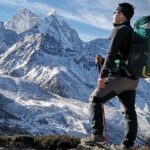
Many reviews highlight the stunning mountain views as the trip’s greatest reward. One remarked, “You get a panoramic view of Annapurna I and Machapuchare that’s hard to beat.” Others appreciated the authentic local interactions and the relaxed pace of the trek, which allows time to truly soak in the scenery.
Some concerns include the physical challenge of high-altitude trekking, especially for those not accustomed to elevation changes. It’s important to be honest about your fitness level and consider altitude sickness precautions.
This trek is ideal for active travelers seeking spectacular Himalayan views without the grueling 2-3 week schedule of some longer expeditions. It suits those who enjoy cultural exchanges in mountain villages and are comfortable with some physical exertion. It’s less suitable for travelers with mobility issues or pre-existing health conditions that make altitude or long walking days problematic.
This 7-day Annapurna Base Camp trek offers a fantastic balance of natural beauty, culture, and manageable adventure. The included logistics and accommodations make it accessible, while the scenery rewards those willing to walk in the mountains.
Travelers who value authentic mountain hospitality, breathtaking vistas, and a well-organized itinerary will find this tour a memorable experience. It’s particularly suitable for those who want a taste of the Himalayas without committing to a longer, more demanding expedition.
This tour provides excellent value, offering a genuine Nepalese mountain adventure that’s as scenic as it is rewarding. If you’re ready for a moderate trek packed with panoramic views and local charm, this experience is well worth considering.
What is included in the tour?
All pickups and drop-offs, 1 night in a 3-star hotel in Kathmandu, 2 nights in a 3-star hotel in Pokhara, teahouse stays along the route, permits, guides, porters, gear on loan, and a scenic bus ride are included.
Are meals provided?
Yes, breakfast, lunch, and dinner are included during the trek. Meals usually feature traditional Nepali dishes like Dal Bhat, plus international options like pasta and soups.
What gear is provided?
A down jacket and sleeping bag are included on loan, along with a duffel bag, map, and branded T-shirt.
Is the trek suitable for children or elderly?
This trek is best suited for active individuals with moderate fitness. It’s not recommended for people with mobility impairments or pre-existing health issues.
How physically demanding is the trek?
It involves several days of walking up to 4,130 meters elevation, so some fitness is needed. The itinerary is paced to allow acclimatization, but altitude sickness can still be a concern.
What is the accommodation like?
Basic teahouse lodges with shared bathrooms and simple bedding. They offer a cozy, authentic mountain experience.
Do I need travel insurance?
Yes, travel insurance including emergency evacuation is advised but not included in the tour price.
Can I book and pay later?
Yes, reservations are flexible with a pay-later option, allowing you to secure your spot and plan your trip with confidence.
Are there any extra costs I should expect?
Personal expenses like drinks, hot showers, laundry, and extra hotel nights are not included. Visa fees and international flights are also separate.
What is the best time to take this trek?
While not specified in the data, typical trekking seasons are spring and autumn when weather conditions are most stable, making for clearer mountain views.
This Annapurna Base Camp trek blends the thrill of mountain discovery with the comfort of organized logistics. For those craving mountain vistas, authentic Nepali culture, and a manageable challenge, it’s a route worth considering.
You can check availability for your dates here:You can also read our reviews of more hiking tours in Kathmandu