Planning a trek to the Kanchenjunga Base Camp? This 11-day adventure from Kathmandu offers an opportunity to see some of the Himalayas’ most spectacular peaks, including the majestic Kanchenjunga itself, the third highest mountain in the world. As travel writers, we’ve examined this tour in detail to help you decide if it matches your appetite for adventure, comfort, and authentic mountain experiences.
What we especially like about this trek? First, the flight from Kathmandu to Suketar gets you right into the heart of the mountains quickly, avoiding long overland drives. Second, the route through lush forests, vibrant villages, and alpine meadows offers a taste of real Nepalese mountain life.
However, a point to consider is the physical demand — this trek requires a good level of fitness and some prior trekking experience, especially for the high-altitude sections.
This tour is perfect for adventure travelers who want a balanced mix of natural beauty, culture, and a chance to stand at the foot of one of the Himalayas’ less-frequented giants. If you’re eager for an authentic, well-organized trek with logistical support, this experience might be just what you’re looking for.
- Key Points
- An In-Depth Look at the Kanchenjunga Base Camp Trek
- Starting Point: Kathmandu and the Flight to Suketar
- Day 2: Trek to Lali Kharka — Forests and Scenic Beauty
- Day 3: Kande Bhanjyang — Scenic Villages and Forests
- Day 4: Ghunsa — Suspension Bridges and Valleys
- Day 5: Kambachen — Alpine Meadows and Forests
- Day 6: Kanchenjunga Base Camp — The Magnificent Goal
- Days 7-8: Pang Pema — The Best Viewpoint
- Return Journey: Retracing Your Steps
- Practical Considerations: What to Expect
- Logistics and Logistics
- Transportation
- Duration and Group Size
- What to Bring
- The Price and Value
- Authentic Experiences and Unique Benefits
- Who Is This Trek Best Suited For?
- Final Thoughts
- FAQ
- More Hiking & Trekking Tours in Kathmandu
- More Tour Reviews in Kathmandu
Key Points
 1 / 5
 2 / 5
 3 / 5
 4 / 5
 5 / 5
- Stunning mountain views of Kanchenjunga and surrounding peaks are the main highlight.
- Flights from Kathmandu save time and add a sense of adventure from the outset.
- The trek involves challenging altitude gains, so good physical condition is essential.
- Lodging and permits are included, simplifying your planning.
- The tour offers a well-paced itinerary with built-in acclimatization days.
- It’s suitable for those with trekking experience and a love of remote mountain scenery.
An In-Depth Look at the Kanchenjunga Base Camp Trek
You can also read our reviews of more hiking tours in Kathmandu
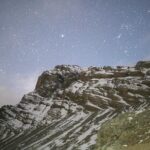
Starting Point: Kathmandu and the Flight to Suketar
The adventure begins with a domestic flight from Kathmandu to Suketar. This short hop is a real time-saver, bringing you closer to the mountains than long overland drives. This also kicks off the trip with a sense of excitement and altitude. Expect to fly over lush hills and dense forests, with the peaks of the Himalayas gradually coming into view.
The flight is part of what makes this trek stand out; it’s a chance to see Nepal’s varied landscape from above, with a quick transition from city to mountain. Once landed in Suketar, the trek officially begins.
Day 2: Trek to Lali Kharka — Forests and Scenic Beauty
From Suketar, your journey takes you through lush forests and stunning landscapes. Lali Kharka is a lovely starting point for the trek, offering a peaceful overnight stay. We loved the way the trail winds through dense greenery, with the sounds of birds and rustling leaves accompanying your steps. It’s a gentle introduction that warms you up for the days ahead.
Day 3: Kande Bhanjyang — Scenic Villages and Forests
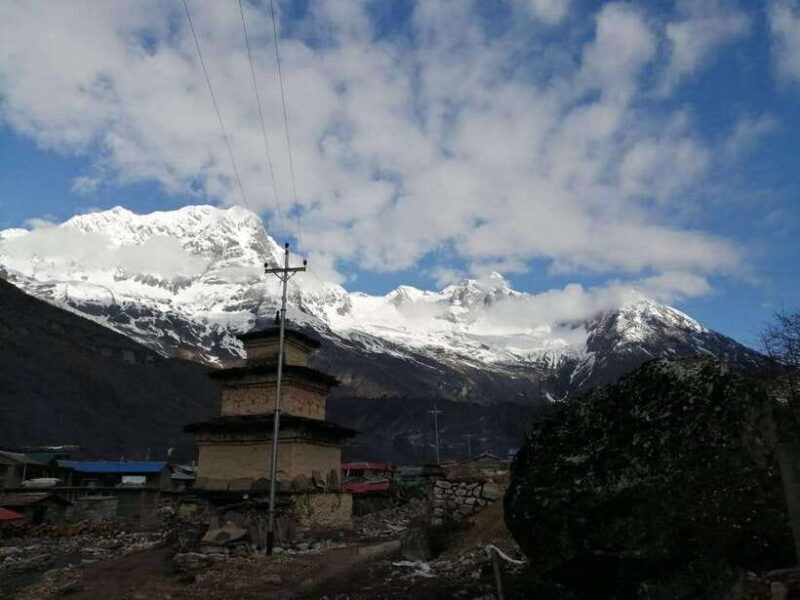
Continuing your trek, you’ll pass through charming villages and more forested areas. Kande Bhanjyang provides a good spot for a rest and a glimpse of local mountain life. Expect a trail that’s both manageable and visually rewarding — small mountain villages where you can observe traditional lifestyles, along with spectacular views of the surrounding peaks.
More Great Tours NearbyDay 4: Ghunsa — Suspension Bridges and Valleys
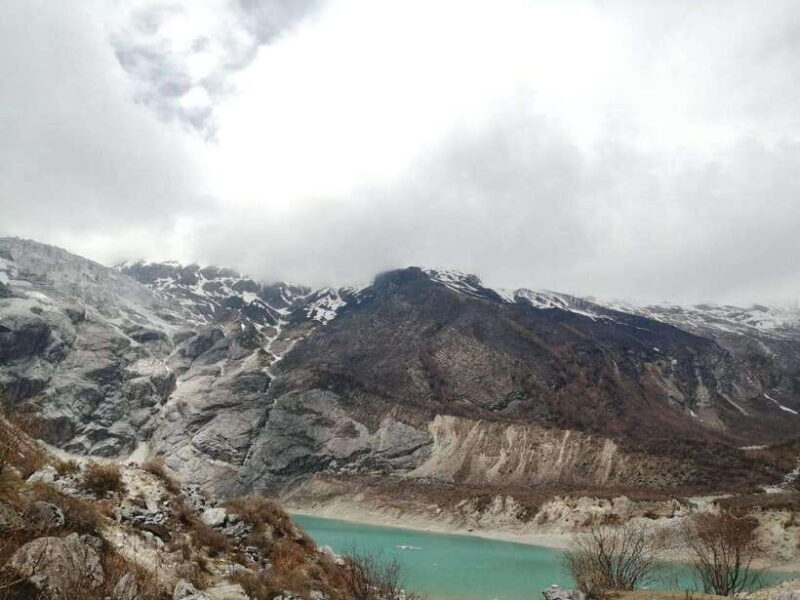
Crossing suspension bridges over roaring rivers, your route takes you into the scenic valley of Ghunsa. This village marks a significant milestone, as it’s a popular stop for trekkers heading to the high Himalayas. The scenery here is especially noteworthy — lush greenery, traditional stone houses, and the sound of flowing water make it an inviting stop.
Day 5: Kambachen — Alpine Meadows and Forests
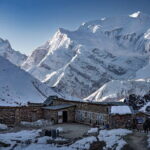
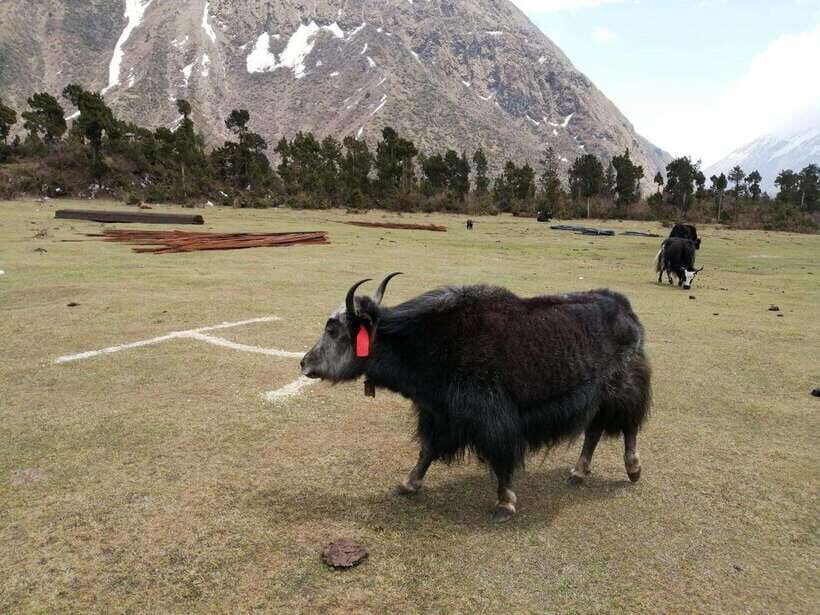
From Ghunsa, you’ll ascend through alpine meadows and dense forests as you make your way toward Kambachen. The landscape begins to change here, with the mountain air feeling sharper, and the views more dramatic. This part of the trek showcases the area’s natural beauty and the transition from forest to high-altitude terrain.
Day 6: Kanchenjunga Base Camp — The Magnificent Goal
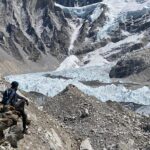
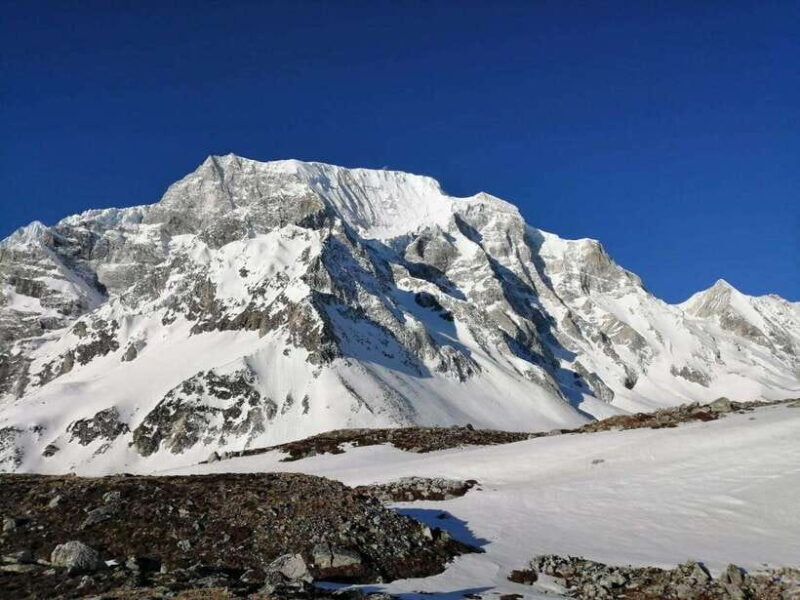
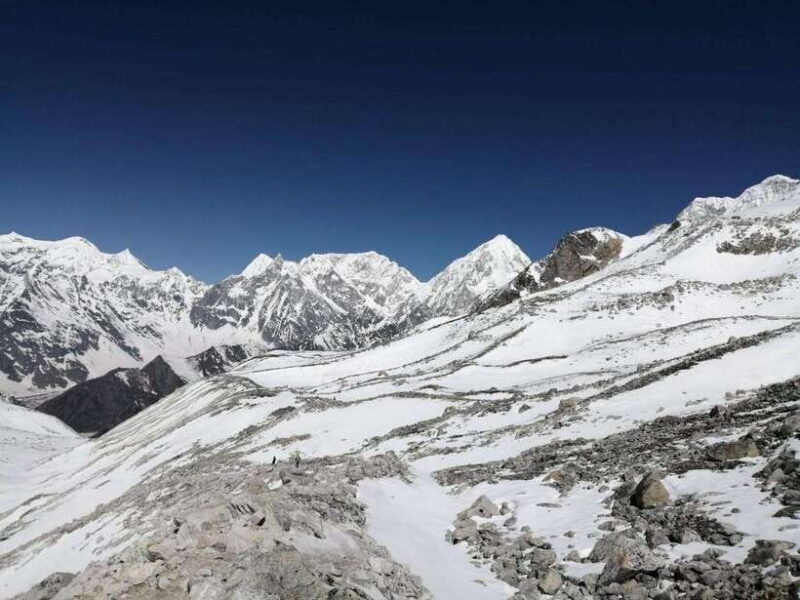
The highlight of the journey is reaching Kanchenjunga Base Camp. The climb involves navigating rugged terrain, but the reward is breathtaking: a panoramic vista of Kanchenjunga’s north face and surrounding peaks. Camping at the base camp gives you a front-row seat to some of the most spectacular mountain scenery in the Himalayas.
Days 7-8: Pang Pema — The Best Viewpoint
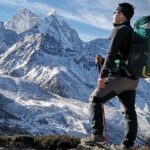
Pang Pema, the highest point on this trek, offers some of the most captivating views of Kanchenjunga and the neighboring mountains. Trekking to Pang Pema is demanding but worth every step for the visual payoff. You’ll be surrounded by towering summits and the vast wilderness of Nepal’s eastern Himalayas.
Return Journey: Retracing Your Steps
The trek back down takes you through familiar scenery, giving you more time to absorb the natural beauty. The ascent and descent are both physically demanding, but the experience of walking through such remote, untouched scenery is invaluable. The journey concludes with a return to Lali Kharka, then down to Suketar, where a flight back to Kathmandu awaits.
Practical Considerations: What to Expect
Logistics and Logistics
The tour includes all necessary permits and entry fees, so you won’t need to worry about additional paperwork. Accommodation during the trek consists of lodges, which are basic but comfortable enough for a mountain journey. The guide is English-speaking, ensuring clear communication and safety.
Transportation
The flight from Kathmandu to Suketar is a key component, adding a sense of adventure and saving hours of travel. From there, the group travels on foot, with the pace tailored to acclimatization needs. No porters are included, so it’s best suited for those comfortable carrying a light pack or willing to hire porters locally.
Duration and Group Size
The 11-day schedule balances travel and acclimatization, with built-in rest days. The tour operates as a private group, allowing for a more personalized experience. Check availability for different starting dates, as this trek is ideal for those with some trekking experience.
What to Bring
Essential items include comfortable shoes, warm clothing, a hat, camera, snacks, sunscreen, and water. Since weather can change rapidly, packing layers is advisable. Remember, no smoking, alcohol, or littering are permitted — respecting the environment and local culture.
The Price and Value
At $1,800 per person, this trek offers good value, considering it covers internal flights, permits, guide services, and accommodations. It’s a bit more costly than some overland options, but the convenience and scenery make it worthwhile.
Authentic Experiences and Unique Benefits
Many travelers appreciate the authentic mountain villages and spectacular views that are often missed on more commercial treks. The inclusion of flights means fewer days in transit and more time enjoying the scenery. Multiple reviews highlight the delicious local food and the quiet, untouched beauty of the region, making the journey both satisfying and peaceful.
Some have noted the challenging altitude, emphasizing the importance of proper acclimatization. The built-in acclimatization days are a thoughtful touch, reducing the risk of altitude sickness and making the experience safer and more enjoyable.
The fact that the trek allows for camping at the base camp adds an element of adventure, giving you a sense of real mountaineering rather than just sightseeing from afar.
Who Is This Trek Best Suited For?
This journey appeals most to experienced trekkers comfortable with high altitude and rugged terrain. Those who value scenic beauty over luxury will find the simple lodges and natural surroundings charming rather than basic. It’s perfect for adventure travelers eager to see one of the Himalayas’ lesser-visited giants and who want a well-organized, guided experience.
If you’re looking for a comfortable, easy walk, this trek might be too demanding. Conversely, if you’re after authentic mountain perspectives with logistical support, the Kanchenjunga Base Camp Trek offers a compelling package.
Final Thoughts
This trek offers a rare glimpse into the remote eastern Himalayas, blending breathtaking scenery with cultural richness and physical challenge. The flights save time and add a touch of adventure, making the experience accessible without sacrificing grandeur. The views from Kanchenjunga, especially from Pang Pema, are truly unforgettable — some of the best mountain panoramas Nepal has to offer.
While it’s not a leisurely stroll, the sense of achievement and awe more than compensate. Whether you’re an experienced trekker or an adventurous soul seeking a memorable mountain escape, this journey provides a great balance of natural beauty, adventure, and authentic Nepalese culture.
Kathmandu: Kanchenjunga Base Camp Trek with Flights
FAQ
Is this trek suitable for beginners?
No, this trek requires a good level of fitness and some prior trekking experience, especially considering the high-altitude sections.
Are meals included during the trek?
Meals are not included, so you’ll need to budget for food during your journey. Lodges typically offer simple, hearty meals.
What is the main highlight of this trek?
The magnificent views of Kanchenjunga from the base camp and Pang Pema are the highlights, along with passing through scenic villages and forests.
How long is the flight from Kathmandu to Suketar?
The flight is typically short, providing a quick and scenic route into the mountains, but the exact duration isn’t specified — just that it’s a flight.
Are permits included?
Yes, all necessary permits and entry fees are included in the tour price.
What should I pack for this trek?
Bring comfortable shoes, warm clothing, a hat, camera, snacks, sunscreen, and water. Weather can change rapidly, so layered clothing is recommended.
Can I book this tour with flexible payment options?
Yes, you can reserve now and pay later, allowing for flexibility in your travel planning.
This trek by Shriyan Worldwide Tours offers a fantastic chance to see the lesser-traveled side of Nepal’s Himalayas with organized logistics and the promise of stunning views and authentic mountain culture. It’s a journey worth considering if your heart beats for high places and remote wilderness.
You can check availability for your dates here: