Planning a safari to catch one of nature’s most incredible spectacles—the Great Migration—can feel overwhelming. There are countless options out there, but this 10-day tour offered by Afrishare Trekking & Safaris aims to give you a front-row seat to millions of wildebeest, zebras, and gazelles as they follow seasonal rains across Tanzania and Kenya.
Designed for wildlife enthusiasts who crave authentic moments and expert guidance, this adventure provides a well-rounded look at the Serengeti-Masai Mara ecosystem with the thrill of witnessing the migration’s dramatic crossings.
What makes this safari especially appealing? First, the chance to see the migration during its peak in July and August, when massive herds cross the Mara River—an iconic and nerve-wracking event. Second, you’ll travel with knowledgeable guides who are passionate about wildlife, ensuring your experience is both educational and engaging.
On the flip side, this tour isn’t for those seeking a luxury-only experience; it’s a true wilderness adventure that involves a lot of moving parts in a relatively short time frame. It’s best suited for active travelers ready to embrace early mornings and variable game-viewing conditions.
Key Points:
Incredible wildlife spectacle: Witness 2.5 million animals moving across two iconic parks during the migration.
Expert guides: Guides are knowledgeable, enhancing your understanding of the animals and ecosystem.
Cross-border experience: Travel between Tanzania’s Serengeti and Kenya’s Masai Mara for a true safari adventure.
Dramatic river crossings: See animals brave crocodiles at the Mara River—an unforgettable moment.
All-inclusive value: Food, park fees, and transport are covered, simplifying your planning.
Limited drawbacks: No international flights or visas included, so budget accordingly and plan ahead.
An Overview of the 10-Day Great Migration Safari
 1 / 5
1 / 5 2 / 5
2 / 5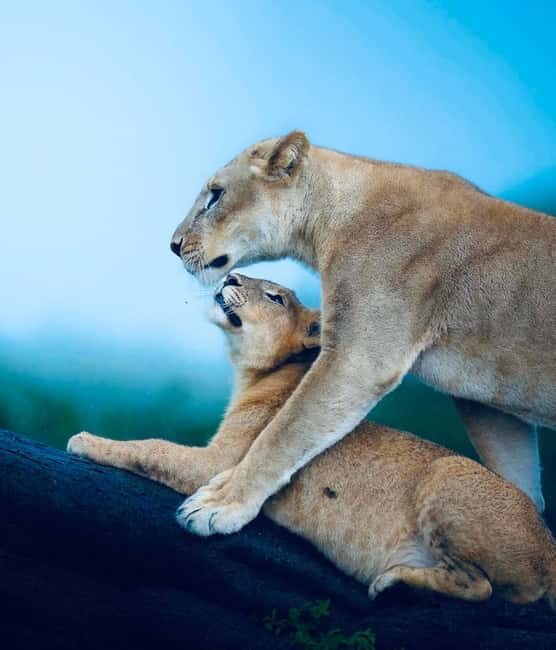 3 / 5
3 / 5 4 / 5
4 / 5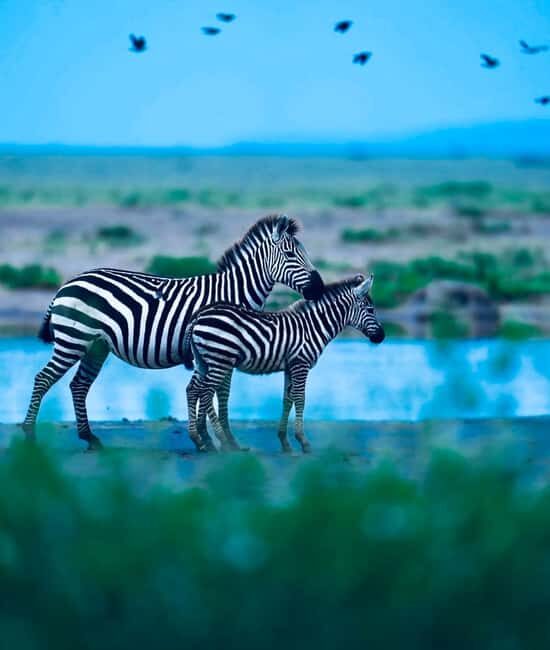 5 / 5
5 / 5This safari offers a comprehensive look at one of Africa’s most spectacular wildlife events, spread over ten days and covering key regions of Tanzania and Kenya. It’s not just about spotting animals; it’s about witnessing a dynamic natural cycle that defines the Serengeti-Masai Mara landscape.
You’ll start in Tanzania’s Serengeti National Park—famous for vast plains and abundant wildlife—where the migration peaks in July and August. As the herds move westward and northward with the rains, you’ll see large groups of wildebeest, zebras, and gazelles gathering in anticipation of crossing the Mara River. The highlight here is the Mara River crossing, where animals face crocodile-infested waters in a tense and dramatic scene that’s hard to forget.
After soaking in the Tanzanian wilderness, your journey continues into Kenya’s Masai Mara, where the migration continues, providing additional opportunities for spectacular sightings. The tour then tracks the herds as they start their return journey around October, offering a year-round view of migration patterns.
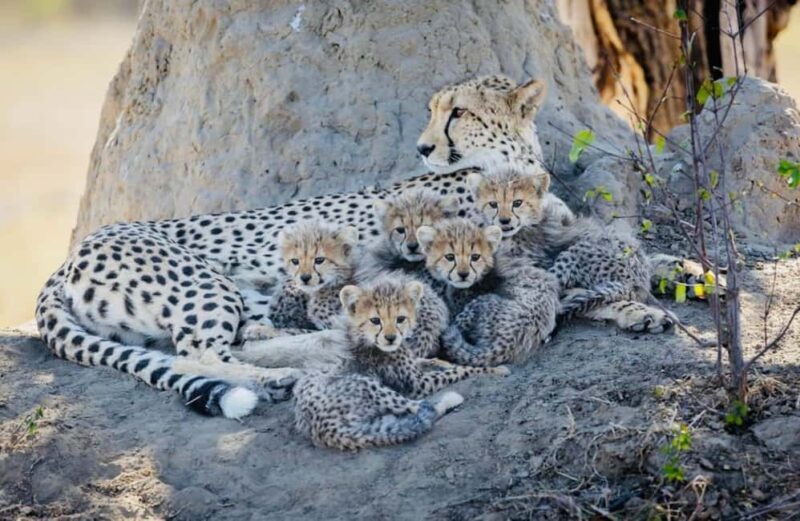
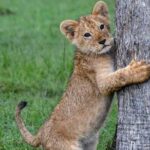
Throughout this time, you’ll explore diverse habitats, from the open plains to lush riverbanks, and get close to predators like lions, cheetahs, and hyenas. The experience is enhanced by a 4×4 safari vehicle with a pop-up roof, ensuring you get a clear view during game drives. Plus, all your meals, park fees, and bottled water are included—making it a hassle-free adventure.
You can check availability for your dates here:
👉 See our pick of the 16 Best Tours & Things To Do In Nairobi (With Prices)
What You Can Expect at Each Stage
Starting in Serengeti, Tanzania
Your adventure kicks off with a transfer to Serengeti National Park, a UNESCO World Heritage site. The expansive plains here are perfect for game viewing, and you’ll quickly get a sense of why this region is so iconic. As you settle into your accommodations, expect to be surrounded by the sounds of the bush—birds, insects, and distant animal calls. Early morning game drives are common, taking advantage of animal activity when they’re most active.
The Great Migration and Mara River Crossings
The core of this tour is witnessing the migration’s crescendo—the crossing of the Mara River. This is where wildebeest and zebras face crocodile-infested waters, and the struggle for survival unfolds in real time. Guides often share insights about the risks and strategies animals use, adding a layer of understanding that heightens the emotional impact.
In Kenya’s Masai Mara
After crossing into Kenya, the landscape shifts into the iconic Masai Mara. Known for its dense populations of big cats, this reserve offers more than just migration viewing. Expect to see lion prides lounging in the grass, cheetahs stalking prey, and hyenas scavenging. The guides’ local knowledge shines here—they often point out subtle animal behaviors and hidden spots.
The Return Journey
Around October, the herd begins its trek back to Tanzania, and your tour follows this movement. This part of the journey still offers plenty of wildlife encounters, with the added bonus of fewer crowds as the migration disperses in search of new grazing grounds.
You can also read our reviews of more tours and experiences in Nairobi
The Benefits of the Tour
Expert Guides
One of the most praised aspects, according to reviews, is the guides’ knowledgeable nature. They’re passionate, tell great stories, and help you identify animals you might otherwise overlook. This makes all the difference in transforming a good safari into an extraordinary one.
All-Inclusive Value
For $4,300 per person, the price includes transportation in a 4×4 with a pop-up roof, all park entrance fees, accommodation, meals, and bottled water. This comprehensive package means you won’t be constantly reaching for your wallet, and you can focus solely on enjoying the sights.
Authentic Wilderness Experience
The tour isn’t overly polished or commercialized. It’s about being in the presence of wild animals in their natural habitat, with some early mornings and a fair amount of travel. If you seek luxury, you might find this a bit rustic, but for wildlife lovers, it’s spot-on.
Cross-Border Adventure
Traveling between Tanzania and Kenya provides a unique perspective on the Serengeti-Masai Mara ecosystem. It’s fascinating to see the landscape and wildlife change as you move from one country to another, adding depth to your understanding of the region.
Practicalities and Considerations
Timing and Weather
Traveling during July and August aligns with the peak of the migration, especially the river crossings. The weather is generally dry and warm, but mornings and evenings can be chilly, so layering is wise.
Group Size and Transportation
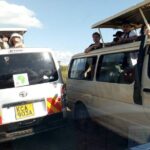
Most game drives are conducted in small, comfortable 4×4 vehicles, ideal for wildlife viewing while minimizing disturbance. The group size isn’t specified but typically ranges from small to medium, ensuring personalized attention from guides.
What to Bring
Comfortable shoes are essential for early morning game drives and walking safaris. A sun hat, biodegradable sunscreen, insect repellent, and plenty of water will make your days more comfortable. Since ATMs may not be available everywhere, bring enough cash for personal expenses and tips.
Health and Safety
A valid passport is required, with at least six months’ validity. Yellow fever vaccination might be needed, and travelers should respect local customs and wildlife regulations. Remember, littering and plastic bottles aren’t allowed, reflecting an emphasis on responsible tourism.
Final Thoughts
This 10-day Great Migration safari offers a well-rounded experience for nature lovers eager to witness one of the most spectacular wildlife phenomena on Earth. The combination of expert guides, well-organized logistics, and iconic scenery provides excellent value for those wanting an authentic safari adventure without the luxury price tag.
If you’re someone who appreciates detailed animal encounters, is comfortable with a bit of travel, and wants to see the migration at its most dramatic, this tour is a stellar choice. It’s particularly suited for travelers who aren’t just after photos but want to understand and feel connected to the wild cycle of life across the Serengeti and Masai Mara.
While it doesn’t include international flights or visas, the inclusive pricing for park fees, accommodations, and meals makes it straightforward to budget for. Just prepare for early mornings, variable weather, and the occasional bumpy ride—and you’ll be rewarded with memories that last a lifetime.
Kenya and Tanzania: 10-Day Great Migration Safari
FAQ
What is included in the tour price?
The $4,300 fee covers a professional English-speaking guide, 4×4 safari vehicle with a pop-up roof, accommodations, all meals during the safari, park entrance fees, and bottled water.
Are international flights included?
No, you will need to arrange your own flights to and from Nairobi or other departure points.
Do I need a visa?
Visa fees are not included, and you should check visa requirements based on your nationality before traveling.
Is this safari suitable for families or solo travelers?
While not explicitly specified, it’s generally suitable for active travelers comfortable with group travel and early mornings.
What should I bring?
Pack comfortable shoes, a sun hat, water, biodegradable sunscreen, insect repellent, and enough cash for personal expenses.
Can I cancel or reschedule?
Yes, you can cancel up to 24 hours in advance for a full refund, offering some flexibility in your planning.
What is the best time to see the migration?
The migration peaks in July and August, especially during river crossings, with the return occurring around October.
How many animals can I expect to see?
You’ll see hundreds of thousands to over two million animals, including wildebeest, zebras, gazelles, and predators like lions and cheetahs.
How big are the groups?
Group sizes are not specified but are typically small to ensure a personalized experience.
Is the experience suitable for photography?
Yes, the open 4×4 vehicles and close proximity to animals make it ideal for photography, especially during early morning and late afternoon light.
This safari presents a balanced mix of adventure, education, and breathtaking scenery—perfect for those eager to see one of Earth’s most extraordinary wildlife events while respecting the natural world.
You can check availability for your dates here: