Climbing Mount Kilimanjaro is one of those adventures that many dream about but few undertake. The 7-day Machame Route trek offered by Kili-Team Adventures promises to be a comprehensive, carefully planned journey that takes you through some of the most stunning landscapes in Africa — from lush rainforests to high alpine deserts — culminating at Uhuru Peak, the continent’s highest point.
While I haven’t personally climbed Kilimanjaro (that would be quite the feat), I’ve researched this tour extensively. What strikes me most is how well it balances adventure, acclimatization, and support, making it accessible for those with a serious sense of adventure but who also want the safety net of experienced guides.
Two things we particularly like: the expert guidance that can make the climb safer and more enjoyable, and the stunning sunrise views from the summit that are often called life-changing.
One potential consideration is the physical challenge — this isn’t a walk in the park. The altitude and cold can test your limits, so good preparation is essential. This tour suits travelers who are physically fit, eager for a genuine adventure, and want to experience Kilimanjaro with a trusted company.
If you’re looking for a well-organized trek that emphasizes safety and authentic experience over luxury, this tour could be just right.
- Key Points
- An Overview of the Kilimanjaro Climb
- Day-by-Day Breakdown
- Day 1: From Moshi to Machame Gate
- Day 2: Forest to Moorlands
- Day 3: Lava Tower and Barranco Camp
- Day 4: Barranco Wall and Karanga Valley
- Day 5: To Barafu Hut and Preparation
- Day 6: Summit Night
- Day 7: Descent and Return
- What Makes This Trek Stand Out?
- Practical Aspects and Value
- What to Bring & What Not to Bring
- Final Thoughts
- Frequently Asked Questions
- The Best Of Moshi!
- More 7-Day Experiences in Moshi
- More Hiking & Trekking Tours in Moshi
- More Tour Reviews in Moshi
Key Points
 1 / 4
1 / 4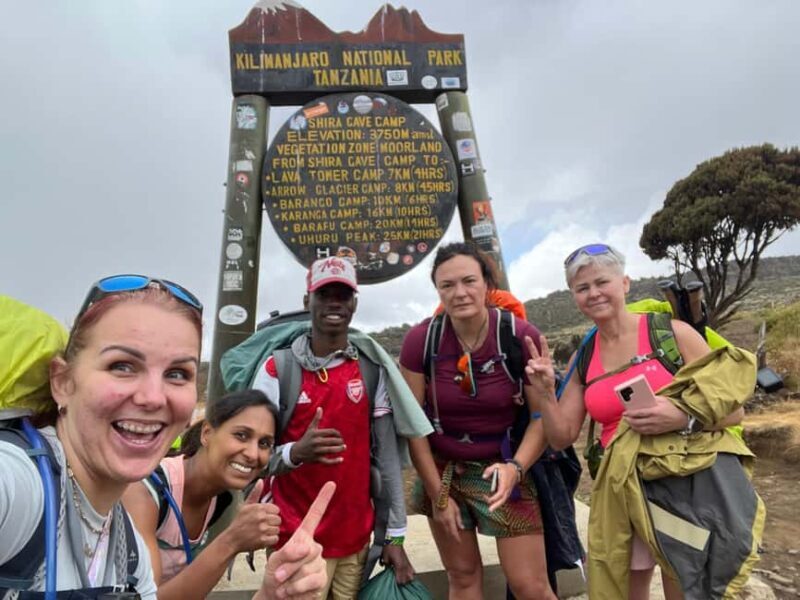 2 / 4
2 / 4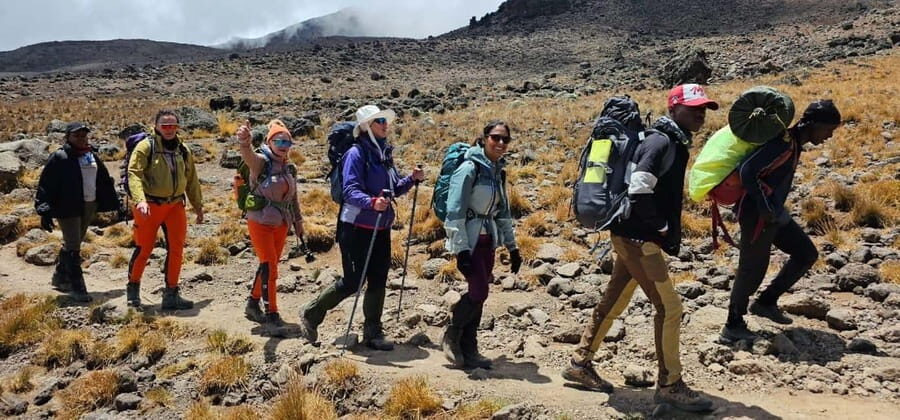 3 / 4
3 / 4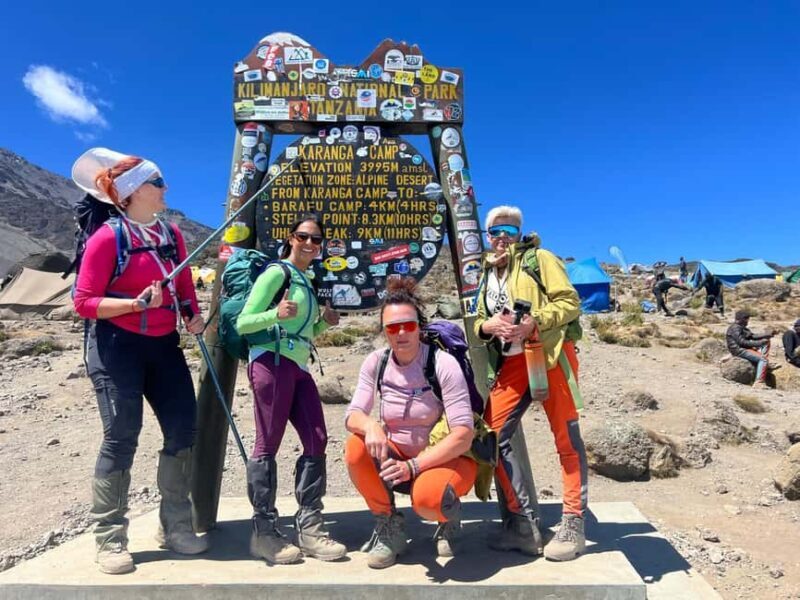 4 / 4
4 / 4- Expert-guided 7-day trek on the Machame Route, known for its scenic diversity.
- All-inclusive package with accommodations, meals, park fees, and support.
- Stunning sunrise view from the summit, one of the most memorable moments.
- Acclimatization strategy: trekking high and sleeping low to help prevent altitude sickness.
- Local guides and porters enhance safety, support, and the authentic experience.
- Suitable for those with good physical condition, but not recommended for pregnant women, individuals with mobility issues or heart problems.
👉 See our pick of the Moshi’s 16 Top Tours & Things To Do
An Overview of the Kilimanjaro Climb
Kilimanjaro is a bucket-list goal for many, and this 7-day trek provides a solid balance of challenge and support. The Machame Route, also known as the Whiskey Route, is popular for offering striking scenery and a more varied terrain than some other paths. It’s considered a good choice for travelers wanting to increase their chances of summit success thanks to the acclimatization strategy built into the itinerary.
Pricing at $2,466 per person, this package appears to offer fair value considering what’s included: all meals, park fees, camping, guides, porters, and transfers. When you factor in the cost of permits, gear, guides, and meals if going solo, this package simplifies everything and offers peace of mind.
You can also read our reviews of more hiking tours in Moshi
Day-by-Day Breakdown
Day 1: From Moshi to Machame Gate
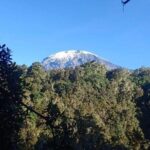
Your adventure begins with a drive from Moshi, a town near the mountain, to the Machame Gate. Expect a scenic drive through local villages before entering the Kilimanjaro National Park. Upon arrival, you’ll pass through the village of Machame — a glimpse into local life — and then start your trek through dense rainforest.
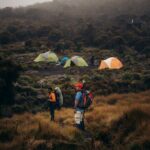
This first day is about acclimatization and gentle hiking. Walking through lush greenery, you’ll notice how the forest varies from the lower slopes. Reaching Machame Camp, you’ll settle into your tent — a surprisingly comfortable base for the night, especially considering the remote location.
Day 2: Forest to Moorlands
Leaving behind rainforest, your trail ascends along a ridge with views opening up. You’ll pass through heather and moorland, feeling the landscape shift beneath your feet. This section, crossing the Shira Plateau, is where the scenery starts to become more dramatic, with sweeping vistas and fewer trees.
Crossing a large river gorge to Shira 2 Camp is a highlight. It’s a good day for gradual elevation gain, helping your body adjust to higher altitudes. We love that this route introduces trekkers to diverse ecosystems, making each day visually rewarding.
More Great Tours NearbyDay 3: Lava Tower and Barranco Camp
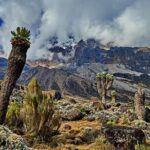
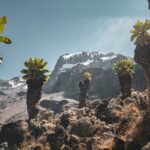
The trek continues eastward, climbing toward the Lava Tower, a 300-foot volcanic formation. It’s an iconic feature and a good place to pause. After visiting Lava Tower, you’ll descend into the Barranco Valley, passing through the surreal Senecio Forest — a strange collection of giant groundsels and senecio plants.
Reaching Barranco Camp at around 13,000 feet, this day is a blend of ascending and descending, which is crucial for acclimatization. Many reviews emphasize how important this day’s varied terrain is in setting up for the summit push.
You can also read our reviews of more tours and experiences in Moshi
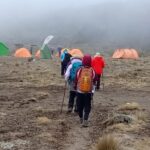
Day 4: Barranco Wall and Karanga Valley
Today features the famous Barranco Wall, a nearly 900-foot climb that’s steep but non-technical — you won’t need ropes, but your legs will feel it. The climb offers fantastic views and a sense of achievement once you reach the top.
From there, you’re hiking across hills and valleys before descending into Karanga Valley for your night’s stay. This day is densely packed with physical and mental challenges, but also stunning scenery. Expect a mix of rocky landscapes and lush valleys.
Day 5: To Barafu Hut and Preparation
Leaving Karanga, you’ll hike up to Barafu Hut, the base camp for the summit attempt. Here, you’ll be amid the rugged Southern Circuit, enjoying incredible views of Mawenzi and Kibo peaks. This day is about resting, hydrating, and preparing for the big push — often with early dinners and early bedtimes.
Day 6: Summit Night
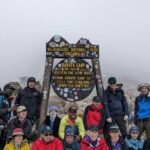
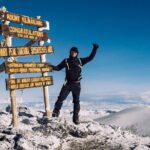
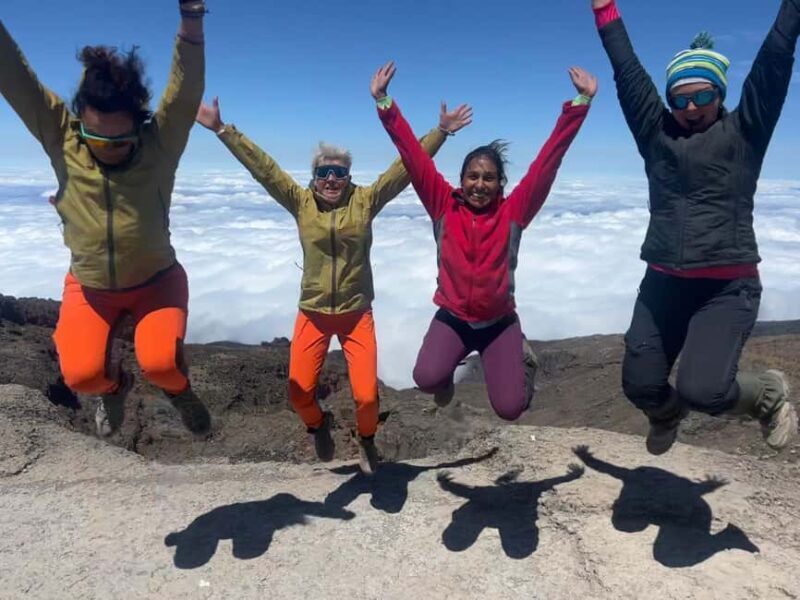
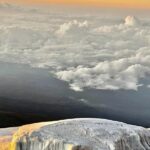
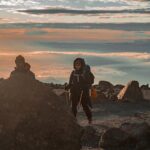
The most intense part of the climb begins around midnight. Equipped with headlamps and trekking poles, you’ll trudge through cold, windy conditions toward Stella Point. Reaching this point just before dawn offers an extraordinary view of the sun rising over Mawenzi Peak — truly a moment you won’t forget.
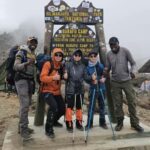
From Stella Point, it’s a final, steeper climb to Uhuru Peak — the highest point on Kilimanjaro. The sense of achievement is immense, but so is the physical and mental challenge. Many reviews mention how tough this section can be, especially with exhaustion and altitude affecting your stamina.
Day 7: Descent and Return
After celebrating at the summit, you’ll start your descent to Mweka Hut, stopping for lunch along the way. Expect a rocky trail that can be hard on your knees but offers lush forest scenery again. Reaching Mweka Gate, you’ll receive your certificates of achievement before heading back to Moshi.
What Makes This Trek Stand Out?
The expert guides are highlighted in reviews for their knowledge and support, which can make a huge difference when tackling Kilimanjaro’s challenges. Their encouragement, safety measures, and local insights help foster confidence.
The stunning views — from the lush rainforest to the stark, icy summit — are a key highlight. Many hikers talk about the sunrise from Uhuru Peak as a moment of pure magic, making the effort worthwhile.
Another big plus is the comprehensive support: all meals, camping gear, park fees, rescue fees, and porters are included, removing logistical headaches and letting you focus on the climb itself.
Practical Aspects and Value
At $2,466, this tour offers a lot for the price. The included guides, porters, transfers, and meals are substantial services that, if booked independently, would be costly and complicated to organize. The all-inclusive approach not only simplifies planning but ensures safety and support throughout the trek.
The acclimatization strategy of trekking high and sleeping low is a proven way to help prevent altitude sickness, a common concern on Kilimanjaro. Many reviews note that the route’s varied terrain and gradual ascent give trekkers the best chance of reaching the summit.
While the trek is not suitable for pregnant women, those with mobility issues, or heart problems, generally healthy and physically active travelers will find this a challenging but manageable adventure. The guides’ experience and the support crew are crucial for a successful, safe climb.
What to Bring & What Not to Bring
Packing wisely can make or break your experience. Essentials include warm clothing, sunglasses, a hat, camera, snacks, hiking shoes, sunscreen, water, gloves, and a daypack. You’ll want to be prepared for sudden weather changes, especially at higher altitudes.
Luggage restrictions are straightforward — smoking, plastic bags, alcohol, drugs, and littering are not allowed, so travel light and responsibly.
Final Thoughts
This Kilimanjaro trek via the Machame Route offers a well-organized, authentic adventure. It’s perfect for travelers who want to experience Kilimanjaro’s stunning landscapes without sacrificing safety or support. The inclusion of all essentials and the focus on acclimatization make it a good choice for those who are reasonably fit and prepared for the challenge.
Many reviews commend the knowledgeable guides and the breathtaking sunrise views, which can make the physical effort feel worthwhile. The trip’s structure encourages gradual acclimatization, increasing the likelihood of reaching the summit — a big plus for first-timers.
Ultimately, if you’re seeking an adventure that combines spectacular scenery, genuine challenge, and dependable support, this Kilimanjaro tour checks all those boxes.
Kilimanjaro: 7-Day Machame Route Trek with Transfers
Frequently Asked Questions
Is this trek suitable for beginners?
While the route is designed with acclimatization in mind, Kilimanjaro is still physically demanding. If you’re generally fit and prepared, this trek can be suitable, but it’s not recommended for absolute beginners without some prior hiking experience.
What is included in the price?
The total cost covers the guided 7-day trek, tents, all meals, park entrance and camping fees, rescue fees, guide services, porter support, and transfers from Moshi.
How many days does the trek take?
This adventure lasts 7 days, including travel to the mountain, acclimatization days, the summit push, and descent.
What is the main highlight of this tour?
Many find the sunrise from Uhuru Peak to be the most unforgettable moment — witnessing the sun rise over Mawenzi Peak after a cold, dark ascent.
Can I pay later or keep my plans flexible?
Yes, you can reserve your spot with a “Reserve & Pay Later” option, allowing flexibility before confirming your booking.
Is the trek suitable for pregnant women?
No, pregnant women are advised not to participate due to the physical and altitude challenges.
Are there any age restrictions?
The tour is not suitable for those with mobility impairments or with heart problems, but specific age limits aren’t mentioned.
What should I pack for the climb?
Warm clothing, sunglasses, a hat, camera, snacks, hiking shoes, sunscreen, water, gloves, and a daypack are essential.
What if I change my mind?
You can cancel up to 24 hours in advance for a full refund, providing some flexibility if your plans change unexpectedly.
This Kilimanjaro trip offers a genuine chance to stand on Africa’s rooftop, supported by experienced guides and a well-structured itinerary. Whether it’s your first high-altitude trek or a well-earned challenge, this tour balances adventure, support, and unforgettable scenery in a package that’s clear about its value and scope.
You can check availability for your dates here: