If you’re dreaming of standing on the highest point in Africa, this 8-day Kilimanjaro trek via the Marangu Route might be just what you’re looking for. While I haven’t personally climbed Kilimanjaro, I’ve spent plenty of time exploring its trails through the stories and reviews of those who have.
The Marangu Route, often called the “Coca-Cola Route,” is particularly appealing for its relative comfort—thanks to cozy hut accommodations—and its well-maintained paths.
What I love about this trek is how it balances moderate difficulty with stunning scenery that shifts from lush rainforests to stark, lunar-like landscapes. Plus, staying in huts with bedding means you won’t need to pack a tent or sleep on the ground, making it a more accessible option for many. But keep in mind, the ascent still involves high altitude, so proper acclimatization is essential.
This trek will suit those who want a manageable challenge with a good chance of reaching the summit, especially if a bit of comfort is a priority.
One potential consideration is the cost—at $2,950 per person, it’s a considerable investment, but many find the included services, such as park fees, guides, porters, and meals, justify the price. The experience is well-rounded, providing logistical support and safety, but it’s not intended for those seeking a rugged, tent-based adventure.
This tour is ideal for travelers who value professional support, spectacular views, and a less physically demanding ascent.
- Key Points
- An In-Depth Look at the Kilimanjaro Marangu Route
- Introduction to the Tour Experience
- The Itinerary Breakdown
- What Makes This Route Special
- The Guide and Support System
- Cost and Value
- Practical Tips for Preparation
- Who Should Consider This Trek?
- Summary
- FAQ
- The Best Of Moshi!
- More Hiking & Trekking Tours in Moshi
- More Tour Reviews in Moshi
Key Points
 1 / 2
1 / 2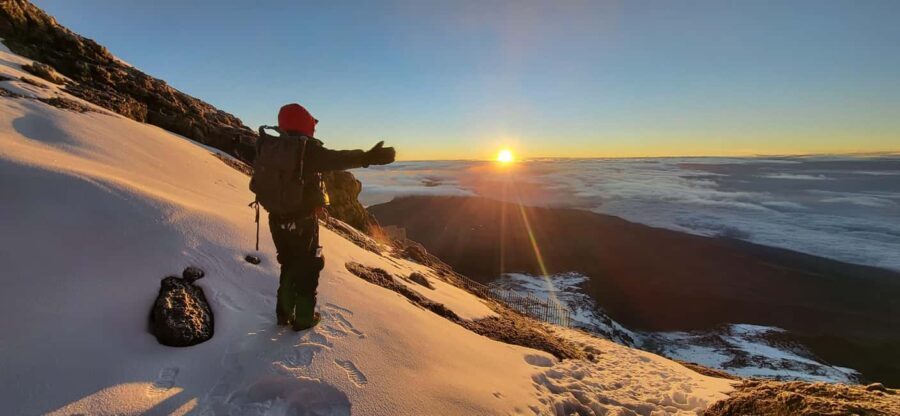 2 / 2
2 / 2- Comfortable hut accommodations eliminate the need for tents, offering a cozy sleeping environment.
- The diverse ecosystems provide incredible scenery, from lush rainforests to alpine deserts.
- The route includes acclimatization days to help your body adjust to high altitude.
- The guided support and included park fees add value, simplifying logistics.
- The trek is designed for moderate difficulty with well-maintained trails.
- The summit night is an unforgettable experience with sunrise views from Uhuru Peak.
👉 See our pick of the Moshi’s 16 Top Tours & Things To Do
An In-Depth Look at the Kilimanjaro Marangu Route
You can also read our reviews of more hiking tours in Moshi
Introduction to the Tour Experience
This 8-day Kilimanjaro adventure offers a more comfortable approach to climbing Africa’s tallest mountain. The focus on hut accommodations means you’ll rest in warm, furnished lodges rather than sleeping on the ground in tents. That’s a big plus for those who want to concentrate on the scenery and the achievement rather than battling cold and wet nights.
What really makes this trek appealing is the well-maintained trail and the opportunity to see a variety of ecosystems. From the dense rainforest at the start to the stark, almost otherworldly landscapes near the summit, every step is a visual feast. We particularly love how the route includes acclimatization days—a smart move that improves your chances of reaching the top and feeling good during the descent.
However, the price point of $2,950 might give some pause. For that, you get park fees, porters, guides, meals, and lodging, which all contribute to a smoother experience. Still, it’s a significant investment, so it’s worth considering whether the comfort and support are worth the cost for you.
The Itinerary Breakdown
Day 1: Arrival in Moshi
Your adventure kicks off once you land in Tanzania. A guide will meet you at the airport, providing a warm welcome and a briefing on what’s ahead. This is your chance to ask questions about gear, altitude, or any concerns, setting the stage for a smoother climb.
Day 2: Moshi to Mandara Hut (2,700m)
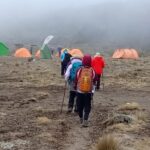
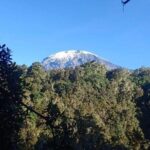
The journey starts with a transfer to Marangu Gate, where park fees are paid. You’ll begin your trek through lush rainforest, with a chance to spot colobus monkeys and coffee plantations along the way. After about seven hours of walking, you’ll reach Mandara Huts, where you can relax or explore the nearby Maundi Crater. This day introduces you to the mountain’s rich biodiversity and serves as a gentle start.
Day 3: Mandara Hut to Horombo Hut (3,720m)
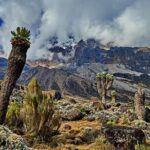
The trail gradually leaves the rainforest behind, revealing grassy plains, heather, and rocky outcrops. The scenery becomes more lunar as you ascend, and the air thins. An optional acclimatization hike helps your body adapt, which is crucial for summit success.
Day 4: Acclimatization at Horombo
This day is dedicated to adjusting to the altitude. You might explore Mawenzi Ridge or simply rest, both of which help prevent altitude sickness. We loved this pause—it’s a chance to absorb the mountain’s majesty at a more relaxed pace.
Day 5: Horombo to Kibo Hut (4,700m)
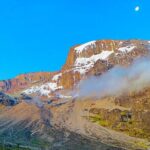
The landscape shifts to an alpine desert. You’ll pass through open, rugged terrain with fewer shelter options. Kibo Hut sits at a high point, preparing you mentally and physically for the summit push.
Day 6: Summit Night — Kibo Hut to Uhuru Peak (5,895m) and back
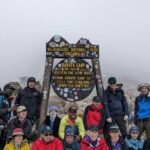
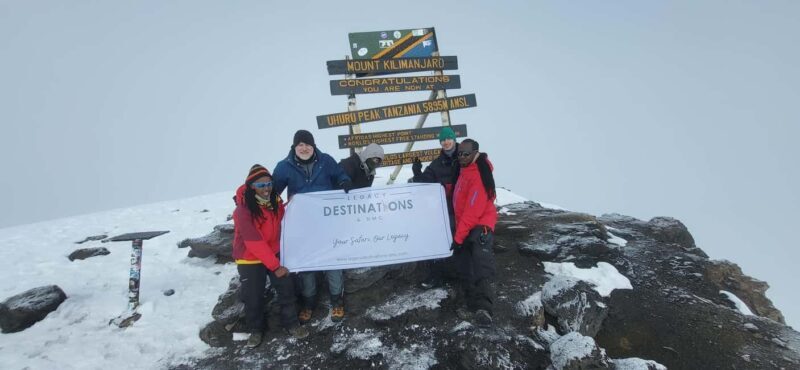
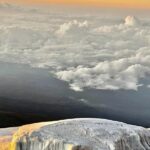
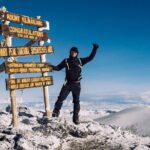
This is the most challenging part, beginning in the dark with a headlamp. The climb involves a steady ascent to Gilman’s Point before finally reaching Uhuru Peak for sunrise views. Many travelers describe this moment as surreal—standing at the highest point in Africa, witnessing the sun rise over the clouds. After celebrating, you descend back to Horombo for rest.
Day 7: Descend to Marangu Gate
Walking through the rainforest again, you’ll marvel at how different the scenery looks from the bottom up. This five to six-hour walk is a satisfying end to the trek, with a sense of accomplishment filling the air.
Day 8: Departure from Moshi
Time to relax and reflect on your achievement. The tour ends with transport back to the airport, leaving you with memories of an extraordinary journey.
What Makes This Route Special
The Hut Accommodation is a key feature. Unlike other routes where camping might be the norm, here you sleep in heated huts with beds and bedding. This means less fatigue from setting up camp and a warmer, more restful night—especially important at high altitude.
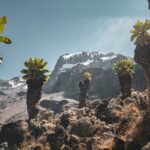
Another highlight is the diverse scenery. You’ll traverse multiple ecosystems, each offering unique visual rewards. The rainforest at the start is lush and vibrant, while the summit area feels stark and lunar, making every phase of the climb visually engaging.
The route’s well-maintained paths make it more manageable, especially for those with some trekking experience but not necessarily high-altitude mountaineering skills. The gradual ascent also helps with acclimatization, which many reviews emphasize as key to success.
More Great Tours NearbyThe Guide and Support System
Included in the package are private guides and porters, who carry supplies and provide expert support. Many reviews praise the professionalism of the guides, noting their ability to motivate and help manage altitude symptoms. The meals provided are said to be of high quality, served in the huts’ dining areas—an unexpected luxury on a mountain trek.
Rescue fees are covered up to 11,483 feet, adding an extra layer of security—an important consideration for comfort and safety.
Cost and Value
At $2,950, this tour might seem hefty, but it includes nearly everything: park fees, guides, porters, meals, accommodations, and rescue support. The convenience of having all logistics managed allows you to focus on the physical and emotional challenge of reaching the summit.
Many trekkers find that the value lies in the support system—having professionals handle permits, safety, and logistics makes a huge difference, especially if it’s your first high-altitude climb. The comfort of hut accommodations further reduces stress and fatigue, which can significantly impact your success and enjoyment.
Practical Tips for Preparation
Pack warm clothing, including hats, gloves, and rain gear, as weather can change swiftly on Kilimanjaro. Good hiking shoes are essential, and don’t forget sunscreen—altitude and reflection from the snow can be intense. Carrying plenty of water is vital, especially during the ascent days.
It’s not recommended for children under 12, pregnant women, or those with heart or respiratory issues, based on the altitude and physical demands. And remember, littering is strictly prohibited—respect the mountain.
Who Should Consider This Trek?
This Kilimanjaro climb suits travelers who want a comfortable, supported experience without sacrificing the awe of reaching Africa’s highest point. It’s perfect for those who value guided support, scenic diversity, and the safety net provided by well-planned logistics.
It’s also suitable for moderately experienced trekkers who can handle several days of hiking but prefer a route that minimizes camping and maximizes comfort. If you’re hesitant about high-altitude trekking but still eager for a challenge, this route offers a balanced approach.
However, if you’re seeking an ultra-rough adventure or have special health concerns, you might want to explore other routes or options.
Summary
This 8-day Kilimanjaro Marangu Route trek offers a well-organized, relatively comfortable way to stand on the Roof of Africa. The inclusion of hut accommodations, guided support, and the chance to witness the mountain’s astonishing scenery make it a popular choice for a first-time summit. The moderate difficulty level and acclimatization support increase your chances of success, while the diverse environments—from rainforests to mountain deserts—make every day special.
Although the price tag is significant, the often praised professionalism of the guides and the convenience of all-inclusive services add to the perceived value. Whether you’re looking for a manageable yet rewarding challenge or simply want to enjoy the mountain’s beauty with comfort, this trek could be your perfect Kilimanjaro experience.
Kilimanjaro: 8-Day Marangu Route Trek with Hut Accommodation
FAQ
Is this route suitable for beginners?
While the Marangu Route is considered one of the more accessible routes, it still involves several days of trekking at high altitude. It’s best suited for those with some trekking experience and good physical fitness.
What is included in the tour price?
The price covers park fees, airport transfers, porters, a private guide, a cook, meals, hut accommodations, and rescue support up to 11,483 feet.
Are there any days for acclimatization?
Yes, Day 4 is designated for acclimatization at Horombo Hut, helping your body adjust gradually to the altitude.
Do I need special equipment?
Essential gear includes warm clothing, hat, hiking shoes, sunscreen, rain gear, and gloves. The tour provides chairs and tables for meals, but personal gear is your responsibility.
Can I add extra days for safari or beach?
Yes, the tour mentions the possibility of adding extra days for safari or beach holidays after the trek, enhancing your overall Tanzanian experience.
What is the best time of year to do this climb?
While the tour details don’t specify seasons, Kilimanjaro’s best climbing weather tends to be during dry months, typically from late June to October and January to March.
Is it safe to climb with this tour provider?
According to the info, rescue fees are included, and guides are fluent in multiple languages. Reviews highlight professional support, making it a reliable choice for most trekkers.
To sum it up, this Kilimanjaro Marangu Route tour offers a well-supported, scenic, and relatively comfortable way to reach Africa’s highest summit. It appeals to travelers who want a mix of adventure and convenience, with the assurance of guided expertise. Whether it’s your first mountain climb or a bucket-list trip, this experience promises stunning views, memorable moments, and the satisfaction of conquering one of the continent’s most iconic landmarks.
You can check availability for your dates here: