Thinking about conquering Africa’s tallest peak? This 6-day Kilimanjaro climb along the Marangu route offers a practical way to reach the summit, especially if your schedule is tight. While it might not be the longest or easiest route, it’s undeniably popular for its convenience, comfort, and the chance to tick that mountain off your bucket list.
From the moment you arrive in Moshi, the tour sets the scene with seamless logistics—private transfers, gear checks, and a warm welcome from your guides. What makes this experience stand out? First, the permanent huts along the route provide a level of comfort not always available on mountain climbs. Second, the knowledgeable guides and supportive team consistently earn praise for their professionalism and care.
A possible consideration? Since the ascent and descent follow the same route, it can lead to crowded campsites and a steeper, more physically demanding climb without much time for gradual acclimatization. That said, this route remains perfect for those who want to maximize their time on the mountain without sacrificing the thrill of standing atop Uhuru Peak.
If you’re looking for a well-organized, authentic Kilimanjaro experience with a focus on safety and friendly support, this tour could be a great fit.
- Key Points
- A Closer Look at the 6-Day Marangu Route Experience
- Arrival and First Impressions
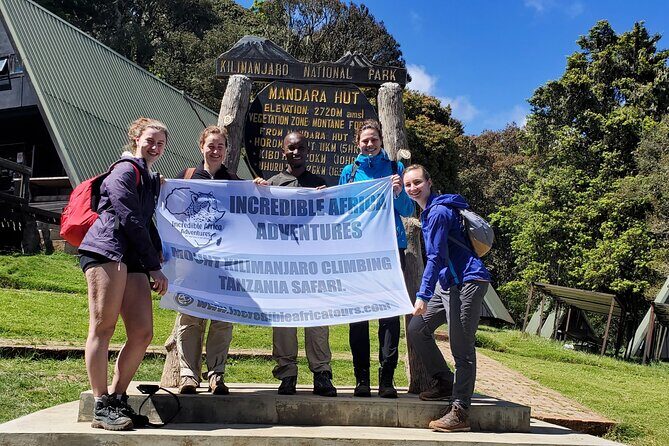
- Day 1: From Rainforest to Mandara Huts
- Day 2: Mandara to Horombo Huts
- Day 3: Rest and Acclimatization at Horombo
- Day 4: Horombo to Kibo Hut
- Day 5: The Summit Push
- Day 6: Descent and Celebration
- The Practical Side: What’s Included and What’s Not
- Price and Value
- Authentic Experiences and Genuine Support
- Who Should Consider This Tour?
- The Sum Up
- FAQ
- The Best Of Moshi!
- More 6-Day Experiences in Moshi
- More Tour Reviews in Moshi
Key Points
- Fast-paced route designed for travelers with limited time but still offers a full summit experience.
- Comfortable overnight stays in permanent huts, easing the challenge of rough camping.
- Expert guides and team known for professionalism and genuine care, making the climb safer and more enjoyable.
- Includes all park fees and taxes, plus three hot meals daily, ensuring good nutrition on the mountain.
- Potential for crowded conditions due to the route’s common use and same ascent/descent path.
- Excellent value, considering the comprehensive package and logistics support.
👉 See our pick of the Moshi’s 16 Top Tours & Things To Do
A Closer Look at the 6-Day Marangu Route Experience
You can also read our reviews of more tours and experiences in Moshi
Arrival and First Impressions
Your adventure begins the moment you land at Kilimanjaro International Airport, where your team will pick you up and transfer you to your hotel in Moshi. This initial step is crucial in setting the tone for your trip—professional, friendly, and stress-free. After a brief briefing, gear checks, and any necessary equipment hire, you’re ready to start your journey into the mountains.
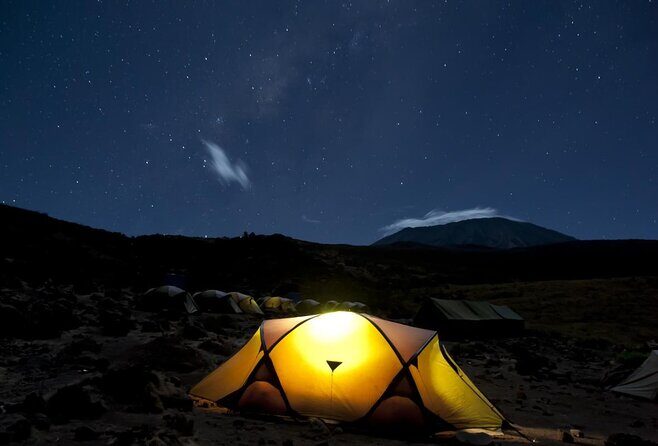
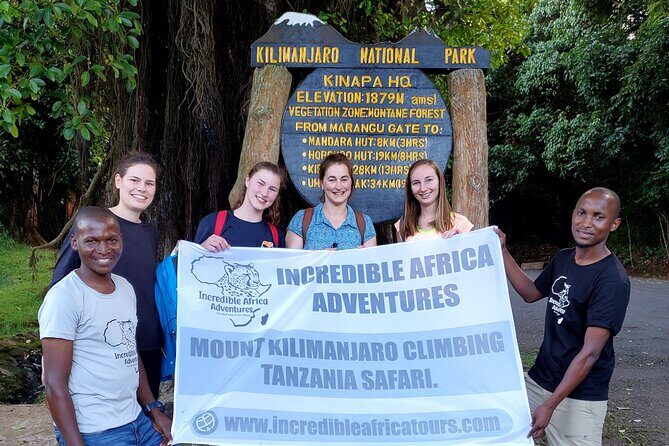
The Marangu route, often called the “Coca-Cola route,” is renowned for its permanent huts—a significant perk for those wary of sleeping in tents in unpredictable weather. The accommodation at Mandara Hut (2,750 m) starts your trek in lush rainforest, a stark contrast to the barren, rocky terrain higher up. Expect to spend around 4-5 hours on this first day, trekking about 7 km with an altitude gain of 950 meters.
Day 1: From Rainforest to Mandara Huts
Walking through the dense, humid forest, you’ll encounter a vibrant array of plant and bird life. The trek isn’t physically demanding but sets the stage with a gentle introduction to high-altitude walking. The lush environment offers a cooling break from the hot lowlands, and many guides recommend a relaxed pace here for better acclimatization.
Day 2: Mandara to Horombo Huts
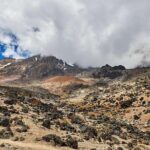
On the second day, you’ll cross moorlands and semi-desert landscapes as you ascend to Horombo Hut (3,780 m), covering about 11 km over 5-6 hours. With an altitude gain of roughly 1,030 meters, this stage introduces you to the higher, more arid environment of the mountain.
The reviews highlight the importance of acclimatization here; some of the group members found the landscape to be more exposed, but the team’s care and support help everyone adjust. This stop is also ideal for a short acclimatization walk—something your guides will encourage to help prevent altitude sickness.
Day 3: Rest and Acclimatization at Horombo
This day offers a chance to rest and explore the surrounding terrain. Our sources note that guides often take guests on short hikes here, which improves their chances of reaching the summit. Many climbers find this break essential; it’s a buffer for the demanding ascent ahead.

Day 4: Horombo to Kibo Hut
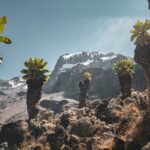
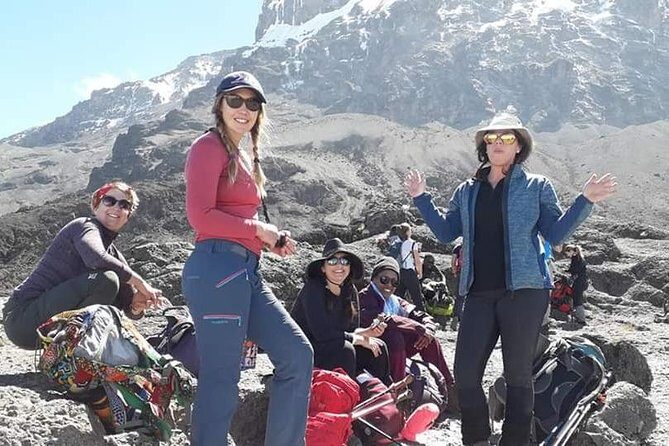
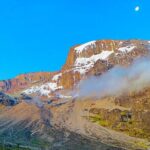
The trek from Horombo to Kibo Hut (4,700 m) is about 12 km and takes approximately 5-6 hours. The landscape shifts to a stark, semi-desert environment, with volcanic rocks and sparse vegetation. This is where you start feeling the altitude more acutely, with many noticing the thinner air.
Travelers consistently praise the guides’ professionalism, which is crucial as the terrain becomes more challenging. The team’s expertise in guiding and caring for climbers earns high marks, especially during this tougher stretch.
Day 5: The Summit Push
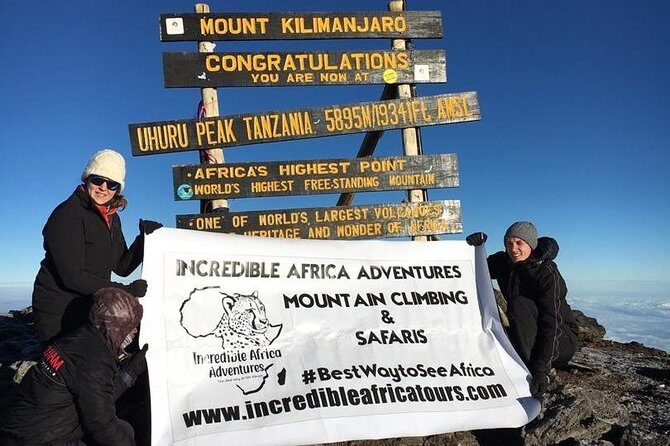
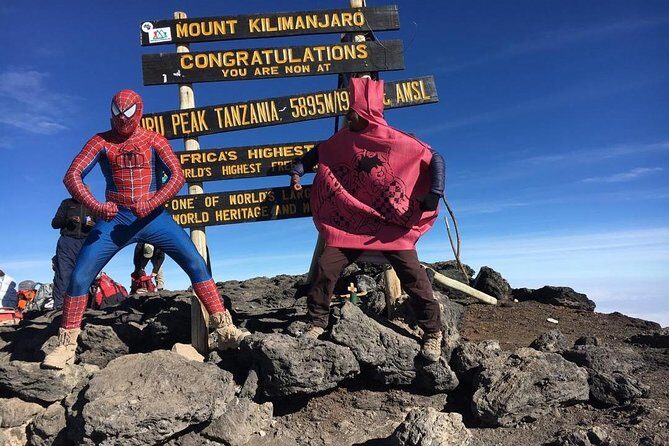
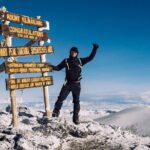
The highlight—standing on the Roof of Africa. The climb from Kibo Hut begins around midnight, with treacherous, steep sections passing Gilman’s Point before reaching the climax at Uhuru Peak (5,895 m). Expect a 6-8 hour trek, covering about 7 km with an altitude gain of over 1,100 meters.
Reviews from past climbers describe this as “not an easy climb,” but the team’s support makes all the difference. One reviewer said, “The guides were cheerful and made the climb fun,” emphasizing the importance of great leadership during these early morning hours. Reaching Uhuru Peak is an emotional moment—something most travelers say is worth every step.
Day 6: Descent and Celebration
Descending from Kibo to Horombo (about 12 km), and then from Horombo to Marangu Gate (18 km), the day is long but rewarding. As you leave the mountain, the landscape shifts from barren volcanic to lush rainforest again.
You’ll receive your Kilimanjaro summit certificate at the gate, a tangible reminder of your achievement. Afterward, a transfer back to Moshi or Arusha wraps up your adventure, leaving you with unforgettable memories.
The Practical Side: What’s Included and What’s Not
This package covers many essentials. The private transport from airport to hotel and back ensures you’re not left guessing about logistics. The accommodations in huts are a perk that adds comfort compared to tent camping, especially on the lower slopes. All park fees, taxes, and permits are included, along with three hot meals daily—a significant benefit as proper nutrition helps sustain energy levels. The team comprises professional guides, cooks, and porters, each playing a vital role in your safety and comfort.
Extras like personal gear, tips, and alcoholic drinks are not included, so budget accordingly. The tour emphasizes safety equipment—portable oxygen tanks, ox-meters, and first-aid kits—giving confidence that your guides are prepared for emergencies.
Price and Value
At $2,200 per person, this tour falls within a range that balances affordability with quality. Considering all-inclusive park fees, meals, guide services, and accommodations, it offers good value. Many reviews highlight how the team’s professionalism and support made a significant difference, justifying the cost for many climbers.
Authentic Experiences and Genuine Support
Reviewers consistently mention the knowledge and friendliness of the guides. One user said, “The guides were professional, caring, and well able to anticipate our needs,” which speaks volumes about the quality of leadership you’ll encounter. The team’s efficiency, combined with their warmth, fosters a positive atmosphere, which is crucial for such a challenging climb.
The caring support staff and well-prepared kitchen team ensure you’re well fed and cared for, which cannot be underestimated at high altitudes. The hot meals serve as morale boosters and keep energy levels stable during this demanding week.
Who Should Consider This Tour?
This climb suits adventurers with a reasonable level of fitness who want a shorter, more straightforward route to the summit without sacrificing safety or support. It’s ideal for those who prefer comfort in accommodation and appreciate having guides who are attentive and professional. If crowding and a steeper ascent aren’t deterrents, and you’re eager to stand on Africa’s tallest point within a tight schedule, this route can be a rewarding choice.
However, if you’re a seasoned hiker or prefer a more gradual acclimatization process, you might want to explore longer routes with more days for acclimatization. Still, for many, the Marangu route’s balance of convenience and challenge makes it a top pick.
The Sum Up
This 6-day Kilimanjaro climb on the Marangu route offers a compelling option for those pressed for time yet eager to experience the thrill of reaching Uhuru Peak. The inclusion of huts, professional guides, and all necessary park fees make it a practical and comfortable choice. It’s especially suited for travelers who value supportive, knowledgeable leadership and want a route with built-in rest and acclimatization.
While it’s not the longest or most leisurely route, the extensive support network and high-quality organization help mitigate some challenges. If you’re motivated, reasonably fit, and seeking a well-supported climb, this tour provides a solid pathway to the summit with plenty of authentic mountain moments.
Remember, climbing Kilimanjaro is as much about the experience and the journey as the final view from the top. With the right attitude and preparation, you’ll walk away with memories that last a lifetime—and perhaps a certificate to prove it.
Kilimanjaro Climb – 6 Days Marangu Route
FAQ
Is this tour suitable for beginners?
While the route is shorter and has huts, it still requires good physical fitness and acclimatization. Beginners with reasonable fitness levels and prior hiking experience can certainly do it, especially with proper preparation.
Are meals included?
Yes, three hot meals are provided daily while on the mountain. However, meals at your hotel before and after the climb, as well as drinks, are not included.
What equipment do I need?
The tour includes gear checks and options to hire equipment if needed. You should be prepared for high-altitude conditions, cold temperatures, and variable weather.
How many people will be in my group?
This is a private tour, so only your group will participate, ensuring personalized attention.
Is there a recommended booking time?
Most travelers book about 18 days in advance, indicating that spots fill up early, especially during peak seasons.
What support will I have during the climb?
Your guides, cooks, and porters work together to support your ascent, providing guidance, meals, and assistance as needed.
Can I expect crowded campsites?
Yes, the Marangu route’s popularity means campsites can be busy, especially at the huts, which is something to consider if you value more solitude.
What happens if the weather is bad?
The tour is weather-dependent, and if conditions threaten safety, the climb may be canceled or rescheduled. You’ll be offered a different date or a full refund.
How do I get back to Moshi or Arusha?
Transport from the Marangu Gate to your hotel is included, making the end of your trip straightforward and stress-free.
This detailed review should help you evaluate whether the 6-day Kilimanjaro Marangu route fits your adventure style. With the right preparation and expectations, it promises an authentic, well-supported climb that many travelers cherish for a lifetime.