If you’re considering climbing Mount Kilimanjaro, the Kilimanjaro Crater route offers a unique blend of incredible scenery, excellent acclimatization, and the thrill of sleeping in the crater itself. This review takes a close look at what this exclusive, less-crowded route entails, based on real traveler experiences and detailed itinerary insights.
We’ll cover what makes it stand out, along with some practical considerations to help you decide if it’s the right challenge for you.
What we especially like about this trek are its superb views of the northern slopes and the opportunity to camp in the Kilimanjaro crater, a rare privilege. Plus, the route’s focus on proper acclimatization can boost your chances of summiting successfully. On the flip side, it’s a longer, more demanding journey that calls for good physical fitness and some high-altitude experience.
This adventure suits experienced hikers looking for something off the usual tourist trail—those willing to embrace the challenges of high altitude and overnight camping in the crater. If you’re craving authentic wilderness, fewer crowds, and the chance to stand above most of the world, this climb might be perfect.
- Key Points
- The Route and Itinerary: What to Expect
- Day 1: Arrival and Preparation in Moshi
- Day 2: Into the Wild at Londorossi Gate
- Day 3: From Shira 1 to Shira 2, With acclimatization walks
- Day 4: Climbing Lava Tower, then descending to Moir Hut
- Day 5: Northern Slopes and Border Views
- Day 6: Reaching the 3rd Cave Camp
- Day 7: To the School Hut Summit Camp
- Day 8: Summit Night and Descent
- Day 9: Final Descent and Celebration
- Day 10: Rest and Departure
- What Makes This Climb Special
- Practical Considerations
- The Sum Up: Who is This Climb For?
- FAQ
- The Best Of Moshi!
- More Tour Reviews in Moshi
Key Points
 1 / 3
1 / 3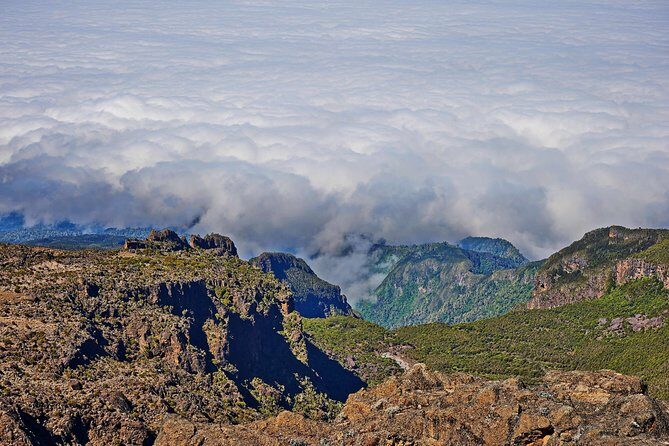 2 / 3
2 / 3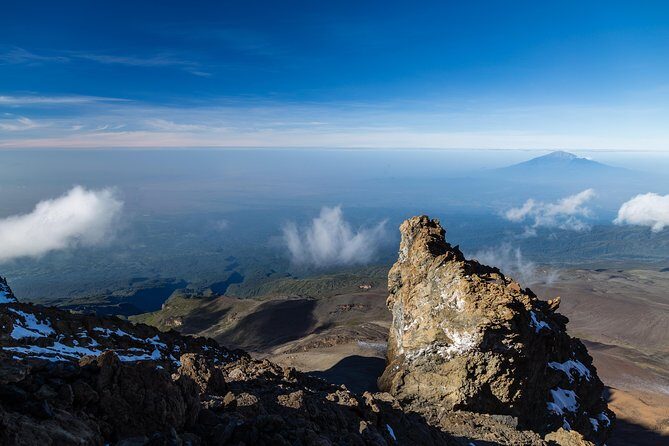 3 / 3
3 / 3- Longer, less crowded route offers a more secluded Kilimanjaro experience with spectacular northern views.
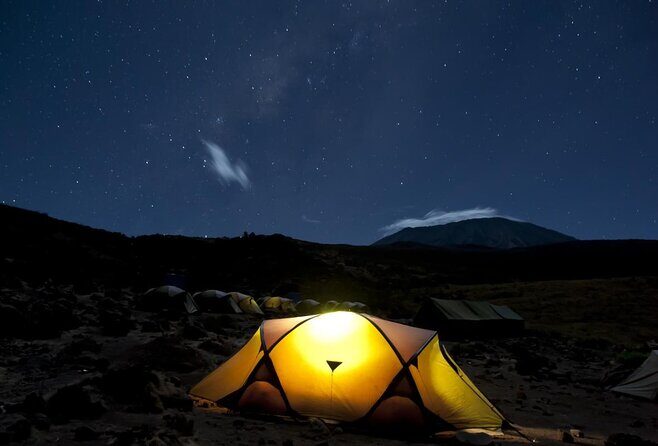
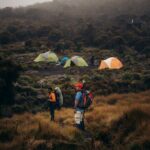
- Crater camping is a rare highlight, sleeping higher than most on Earth, beneath starry skies.
- Excellent acclimatization due to the route’s design increases your chances of reaching the summit.
- Experienced guides and support crew ensure safety and expert assistance throughout the trek.
- Price reflects value with all essential logistics, high-quality equipment, and expert guides included.
- Challenging high-altitude environment requires good physical fitness and high-altitude experience.
👉 See our pick of the Moshi’s 16 Top Tours & Things To Do
The Route and Itinerary: What to Expect
You can also read our reviews of more tours and experiences in Moshi.
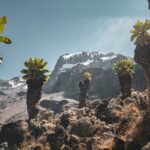
Day 1: Arrival and Preparation in Moshi
Your journey begins with pickup from Kilimanjaro International Airport, where an Altezza representative greets you. You’ll transfer to a comfortable hotel in Moshi, equipped with cozy rooms, hot water, Wi-Fi, and a swimming pool—perfect for relaxing after your travels. In the evening, a briefing prepares you for the adventure ahead.
This initial day sets a relaxed tone, giving you time to acclimate to the Tanzanian environment and get your gear in order. For most travelers, this is a chance to review important safety tips and clarify their expectations.
Day 2: Into the Wild at Londorossi Gate
The morning involves a support crew arriving to help you prep. The journey to Kilimanjaro’s western entrance at Londorossi Gate takes roughly 3.5 hours by vehicle, with a quick permit process and registration. You’ll then ride off-road to your starting point around 3,500 meters, offering your first stunning views of the Shira Plateau.
This part is not physically demanding but sets the stage for the high-altitude environment you’ll encounter. It’s a good introduction to the terrain and scenery you’ll be enjoying for the next few days.
Day 3: From Shira 1 to Shira 2, With acclimatization walks
Moving from Shira 1 to Shira 2 Camp involves a gentle altitude gain of 300 meters. The low overall physical effort allows space for appreciating Kilimanjaro’s diverse flora. On this day, there’s an optional acclimatization walk to Lava Tower—a strategic move to help your body get used to higher elevations.
Travel time is about six hours, and this day emphasizes gradual ascent, crucial for avoiding altitude sickness. Expect magnificent views, possibly of Mount Meru if the weather cooperates.
Day 4: Climbing Lava Tower, then descending to Moir Hut
This is a key day for acclimatization. After breakfast, you trek up to Lava Tower at 4,630 meters, with a pause at the summit—spending an hour or two to help your body adapt. The route is technical and involves ups and downs, sometimes uncomfortable, but essential for acclimating to higher elevations.
Your guide may opt to bypass Lava Tower—opting for a safer, lower-altitude route if needed. The day ends with a descent to Moir Hut. Total trekking time is about eight hours, with some physical challenge but a lot of scenery and the thrill of being higher than most climbers.
Day 5: Northern Slopes and Border Views
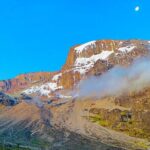
This day offers a long, gentle trek along Kilimanjaro’s northern slopes, passing close to Kenya’s border. The landscape features amazing views of the Tsavo and Amboseli Valleys, which are quite striking.
The route’s mostly gradual ups and downs make for a comfortable day, allowing your body to acclimate further. Expect to spend around seven hours trekking—more time on your feet, but less steep climbing.
Day 6: Reaching the 3rd Cave Camp
Continuing along the northern slopes, you’ll reach 3rd Cave Camp, where the trail intersects with the more popular Rongai route. By this point, many trekkers report feeling physically good, thanks to proper acclimatization. The shorter, less strenuous distance day ensures you’re ready for the summit push.
Total trekking time varies but is generally around 14 hours—an intense day but one that sets the stage for the final ascent.
Day 7: To the School Hut Summit Camp
Reaching 4,750 meters at School Hut is a significant milestone. The walk is technically straightforward but high enough to challenge even seasoned hikers. This night, you’ll rest well because the next step is the big one—summiting Uhuru Peak.
Most reviews highlight this as a manageable day if you’re well-prepared, with good pacing key. Expect breathtaking vistas and the thrill of being closer to the summit.
Day 8: Summit Night and Descent
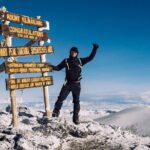
Starting around midnight, you’ll climb to Uhuru Peak at 5,895 meters. Though technically easy (no technical climbing), the high altitude makes it tough—most climbers find it physically demanding. The ascent offers a walk over glaciers and spectacular views of the crater and surrounding glaciers, which are sadly shrinking each year.
After summiting, you descend to Barafu Camp for a quick rest and lunch, then continue down to Millennium Camps. Special care is needed during descent, as most accidents happen here, so patience and alertness are vital.
Day 9: Final Descent and Celebration
From Millennium Camp, you make the final walk down to Mweka Gate, at 1,650 meters. The rainforest environment here is lush and tropical, a stark contrast to the high alpine zone. It’s a rewarding walk, and you’ll likely feel a mix of exhaustion and elation.
The day ends with a celebration and the chance to reflect on your accomplishment, plus the chance to receive your certificate of achievement.
Day 10: Rest and Departure
Your trip wraps up with a relaxed morning at the hotel in Moshi. Transfers to the airport are included, and you can extend your stay if you wish—perhaps to explore nearby attractions or relax before flying home.
What Makes This Climb Special
The Kilimanjaro Crater route is distinguished by its extended length (10 days), which allows for better acclimatization. The route’s unique northern slopes offer less crowding, providing a more personal wilderness experience. Perhaps the most extraordinary feature is crater camping, where you sleep above 5,000 meters—an experience few climbers get to have.
Guide expertise and support are consistently praised, with reviews highlighting the professionalism and knowledge of the team. The journey is designed not just to reach the summit but to do so with minimal altitude sickness risk, which increases the odds of success.
The route’s scenery is diverse, ranging from lush rainforests to glaciers and volcanic landscapes. The views across Kenyan borders and of diminishing glaciers add a special dimension, making this more than a typical trekking adventure.
Practical Considerations
While the journey offers immense value, it’s not suited for everyone. The duration (10 days) means a significant time commitment, and the high-altitude camping demands good physical fitness and some experience. The price of $6,466 includes most essentials—guides, permits, equipment, and meals—but travelers should budget extra for personal gear, tips, and travel to Tanzania.
The group size is not specified, but the tour emphasizes private arrangements, which many travelers find more comfortable for personalized pacing. The hotels and support are of high quality, ensuring a comfortable base during the prep days.
The Sum Up: Who is This Climb For?
This Kilimanjaro trek is best suited for experienced hikers wanting a less crowded, more authentic experience with the added adventure of crater camping. It appeals to those who appreciate stunning views and are willing to endure longer days and higher altitudes. The route’s focus on proper acclimatization makes success more probable, especially for seasoned trekkers.
If you’re seeking a challenging, rewarding journey that combines scenic diversity with a sense of solitude, this route offers excellent value and unforgettable memories. It’s for those ready to embrace the physical demands and high-altitude environment—prepared, motivated, and eager for a true mountain adventure.
Kilimanjaro climb, Kilimanjaro Crater route (10-day)
FAQ
What is included in the price of $6,466?
The price covers airport pickup and drop-off, all ground transportation, two nights in a comfortable hotel in Moshi, accommodation on Kilimanjaro (tents), meals, park fees, high-quality equipment, professional guides, medical support, unlimited oxygen, and certificates.
Is this route suitable for beginners?
No, this trek is designed for travelers with moderate physical fitness and some high-altitude experience. Its length, altitude, and camping in the crater require preparation and stamina.
How challenging is the high-altitude camping in the crater?
Sleeping in the crater at over 5,000 meters is a rare experience and requires good acclimatization. It’s more demanding than standard climbs, with potential risks due to the environment, so a realistic assessment of your physical condition is important.
What kind of support will I have during the climb?
A team of certified guides, camp masters, porters, and cooks support you throughout, with medical checks and unlimited oxygen available. Many reviews praise the knowledge and professionalism of the guides.
How do I prepare myself physically for this climb?
Regular hiking, cardio, and strength training are advisable. Focus on high-altitude hikes if possible. The route’s design supports acclimatization, but the physical challenge remains significant.
What if I want to extend my trip or need a late check-out?
You can extend your stay at the hotel for an extra fee, and the tour’s private setup allows some flexibility in scheduling your transfer and accommodations.
This Kilimanjaro climb offers a rare chance to see the mountain from a less-visited perspective, with expert support and the thrill of crater camping. It’s a demanding but rewarding adventure for seasoned travelers who want more than just a walk-up mountain.