- Introduction
- Key Points
- The Climb: An In-Depth Look at the Itinerary
- Day 1: Arrival and Hotel Comforts
- Day 2: Trek to Simba Camp
- Day 3: Ascending towards Second Cave Camp
- Day 4: To Kikilewa Camp and Rest
- Day 5: Up to Mawenzi Tarn
- Day 6: To Kibo Summit Camp
- Day 7: Summit Night and Descent
- Day 8: Final Descent and Certificates
- Day 9: Rest and Departure
- What Makes This Tour Stand Out?
- Pricing and Value
- Final Thoughts: Who Is This Tour Best For?
- FAQ
- Final Words
- The Best Of Moshi!
- More 7-Day Experiences in Moshi
- More Tour Reviews in Moshi
Introduction
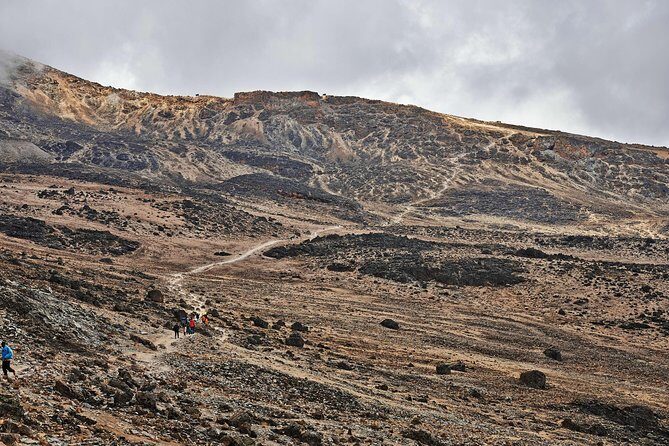
Climbing Mount Kilimanjaro is on many travelers’ bucket lists, and this 7-day Rongai Route with Altezza Travel seems to check all the right boxes. While we haven’t personally scaled the highest peak in Africa, we’ve gathered enough details and reviews to give you a clear picture of what to expect.
One thing we love about this tour is how it combines spectacular scenery with well-organized logistics. The route itself is described as the most picturesque and least crowded, which means you’ll get a more intimate experience with fewer fellow climbers. We also appreciate the emphasis on safety and comfort, from professional guides to quality gear and well-prepared tents.
However, a possible consideration is the price — at over $3,500 per person, it’s a significant investment. Still, when you look at what’s included—ground transport, hotel stays, park fees, and expert support—it offers solid value for a trek of this magnitude.
This tour is ideal for beginners wanting a guided, less crowded adventure or seasoned hikers seeking a scenic yet manageable challenge. If you’re ready for a week-long commitment in the mountains, this package could be your ticket to the Roof of Africa.
👉 See our pick of the Moshi’s 16 Top Tours & Things To Do
Key Points
- Expert guides and well-trained crew ensure safety, local knowledge, and encouragement throughout the climb.
- The Rongai Route offers stunning views, fewer crowds, and a smoother acclimatization process.
- Accommodation includes cozy hotel stays pre- and post-climb and high-quality tents on the mountain.
- The itinerary balances trekking and rest days, with acclimatization hikes to boost your chances of reaching Uhuru Peak.
- The tour provides a comprehensive experience, including permits, park fees, meals, and ground transportation.
- Price reflects the value of professional support, quality gear, and safety measures, rather than just the climb alone.
You can also read our reviews of more tours and experiences in Moshi
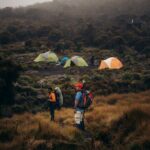
The Climb: An In-Depth Look at the Itinerary
Day 1: Arrival and Hotel Comforts
You’ll arrive at Kilimanjaro International Airport, where an Altezza Travel representative will greet you and whisk you off to a cozy hotel in Moshi. Expect a warm welcome with comfortable rooms, reliable Wi-Fi, and a good night’s sleep in preparation for the adventure ahead.
The hotel provides essentials—hot water, friendly staff, and a swimming pool—so you can unwind after your journey. In the evening, a briefing helps clarify what’s to come, including packing tips, the itinerary, and safety protocols. This initial step is vital for setting expectations and easing any pre-climb nerves.
Day 2: Trek to Simba Camp
After meeting your guides and crew, you’ll head to Kilimanjaro National Park’s Nalemuru Gate at 2,020 meters. The trek begins through lush coniferous forests typical of the mountain’s northern slope.
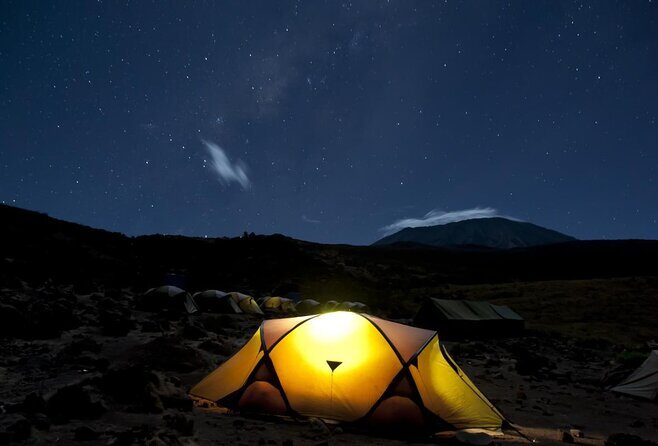
The walk to Simba Camp, at 2,625 meters, takes about 5 hours and is relatively gentle. The route’s beauty lies in the peaceful, almost untouched landscape, perfect for soaking in your first views of Kilimanjaro and feeling the mountain’s presence. The crew will have already set up your tents by the time you arrive, and dinner is prepared with care.
This stage emphasizes a relaxed pace, which is crucial for proper acclimatization early on. The guide’s advice is to avoid rushing, helping your body adjust gradually.
Day 3: Ascending towards Second Cave Camp
The trek continues in the morning after breakfast, heading to Second Cave Camp at 3,480 meters. It’s a short, manageable walk of around 3 hours, making it an ideal day for acclimatization.
In the afternoon, there’s a gentle hike towards Kikilewa Camp at 3,630 meters, gaining about 100 meters in altitude. This easy “acclimatization hike” (a recommended practice) helps your body adapt to higher elevations and improves your chances of reaching the summit.
From reviews, many travelers mention the value of these acclimatization days, with some describing the scenery as “incredible” and the guides as “helpful and attentive.” The route’s gradual ascent is designed to reduce altitude sickness, which can be a real obstacle on taller climbs.
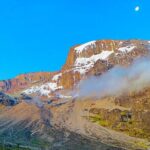
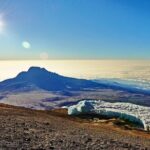
Day 4: To Kikilewa Camp and Rest
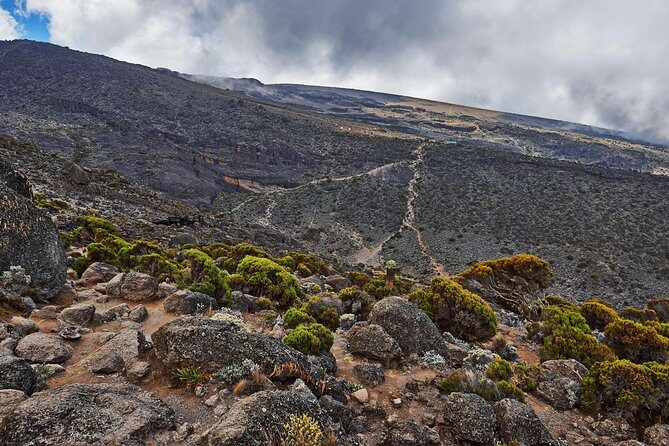
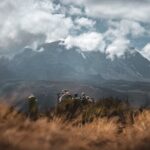
Today’s trek takes you from Second Cave to Kikilewa Camp. The landscape shifts from forest to more open, rocky terrain, with views of Kibo Volcano starting to come into focus if the weather permits.
After an early lunch, you have free time to rest or explore briefly. In the evening, your guide will review your health status and prepare you for the next stages. This rest and preparation are appreciated by many who’ve reviewed the climb—balancing effort with recovery to prevent fatigue.
Day 5: Up to Mawenzi Tarn
The day’s goal is Mawenzi Tarn Camp at 4,330 meters, perched at the foot of Mawenzi Volcano. The walk is about 7 hours, and again, the focus is on gradual elevation gain with a rest stop for lunch.
An acclimatization hike — with a slight 200-meter climb — is included, which many reviewers say significantly improves their summit success rate. The landscape becomes more rugged, and the mountain’s volcanic features become more prominent, adding to the visual appeal.
This day is often praised for its scenic beauty and the supportive crew that helps keep spirits high even as the altitude increases.
Day 6: To Kibo Summit Camp
From Mawenzi Tarn, you move toward Kibo Summit Camp, at 4,700 meters. The terrain becomes more rocky and semi-desert-like, with expansive views of Kilimanjaro’s volcanic slopes. The walk takes about 8 hours.
Many travelers mention how important staying well-hydrated and rested is here, as this is a key transition point before the summit attempt. The camp is smaller and more basic, but the anticipation builds as you prepare for the summit push.
Day 7: Summit Night and Descent
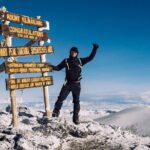
The big day—climbing to Uhuru Peak—begins around midnight. Your team departs from School Hut Camp at 4,715 meters, aiming to reach the summit at 5,895 meters. The climb is challenging, especially as you contend with the thinner air, but the guides are vigilant, with a guide for every two climbers.
Many reviews highlight the support from the guides and the camaraderie developed during this tough night. Reaching the summit is a moment of triumph, with some describing the experience as “beyond words” and “the most incredible achievement” of their lives.
After taking photos and walking on glaciers, you descend back to Horombo Camp, often stopping at Kibo Camp for rest. The descent is a mix of relief and exhaustion, but many say it’s the most rewarding part, knowing the summit is finally conquered.
Day 8: Final Descent and Certificates
Leaving Horombo, you walk back down to Marangu Gates at the mountain’s entrance, about 5 hours. This part is mostly downhill, giving your knees some respite. At the gate, you’ll share your memories with the crew and receive your certificates of achievement—a tangible reminder of your effort.
Day 9: Rest and Departure
After breakfast at the hotel, you’re transferred to the airport, with plenty of time to reflect on your journey, share photos, and start planning your next adventure.
What Makes This Tour Stand Out?
Stunning Scenery and Less Crowded Trails: The Rongai Route is lauded for its breathtaking vistas and relatively low number of climbers. Travelers frequently mention the peace and solitude during their trek, which makes for a more personal experience.
Well-Organized Support Crew: From reviews, it’s clear that guides and porters are highly praised. Many mention how helpful, friendly, and professional they are—often going above and beyond, such as bringing birthday cakes or ensuring everyone feels supported during tough moments.
Accommodation and Meals: The combination of cozy hotel stays and high-quality meals on the mountain provides comfort without sacrificing authenticity. The camp meals are described as tasty and energy-rich, vital for fueling your efforts.
Safety and Equipment: The inclusion of oxygen tanks, medical kits, and certified guides reassures many travelers. The size of the support team, with one guide per two climbers during summit night, offers peace of mind.
Value for Money: While the price might seem steep, it covers nearly all essentials—permits, park fees, gear, meals, and expert guides. Numerous reviews emphasize the professionalism and care of the team, which many feel justifies the cost.
Pricing and Value
At $3,507 per person, this climb isn’t cheap, but it’s an all-inclusive package that aims to maximize safety, comfort, and success. Guests receive airport transfers, hotel nights, permits, park fees, professional guides, meals, and all necessary gear, which would likely add up if you arranged independently.
Many travelers note that the support, expertise, and care provided by Altezza Travel make the price worthwhile. They describe the guides as “incredible” and appreciate the attention to detail, from acclimatization strategies to the quality of food and tents.
Final Thoughts: Who Is This Tour Best For?
This Kilimanjaro climb is perfect for adventurers seeking a guided, scenic, and manageable ascent. It suits those who want a supportive environment, with knowledgeable guides helping navigate the challenges of high-altitude trekking. The route’s fewer crowds and stunning views appeal to travelers craving a more intimate wilderness experience.
While it demands a moderate level of fitness, it is accessible to beginners who prepare well and follow the guide’s advice. The professional crew and safety measures provide peace of mind, especially for those new to high-altitude climbs.
Given its comprehensive support, this tour presents excellent value for travelers who want to focus on the achievement without worrying about logistics or safety. It’s a great choice for families, solo trekkers, or small groups looking for a well-organized, memorable adventure.
FAQ
Is airport pickup included?
Yes, the tour includes pickup from Kilimanjaro International Airport and transfer back at the end of your trip.
What’s included in the price?
All ground transportation, hotel stays (pre- and post-climb), permits, park fees, meals on the mountain, guides, porters, tents, and safety equipment are included.
Do I need my own gear?
You’ll need personal equipment such as hiking outfit, boots, sleeping bag, etc. These are available for hire if you prefer not to buy or bring your own.
How physically fit do I need to be?
A moderate fitness level is recommended. The trip includes acclimatization days and manageable trekking distances, but you should be prepared for altitude and some strenuous walking.
What about altitude sickness?
The itinerary is designed to help with acclimatization, and support crews are equipped with oxygen tanks and medical kits. Many reviews mention the importance of following rest and hydration advice.
Is the trip suitable for families?
Yes, several reviews highlight family groups enjoying this climb, with guides supporting climbers of different ages and fitness levels.
Can I extend my hotel stay?
Yes, late check-out options are available at an extra cost if you have an evening flight.
What is the cancellation policy?
Free cancellation is offered up to 24 hours before the start, allowing some flexibility in planning.
Why choose Altezza Travel?
Their professional, friendly guides, and well-organized support team earn high praise, making this a trustworthy choice for your Kilimanjaro adventure.
Kilimanjaro climb, Rongai Route (7-day)
Final Words
If you’re dreaming of standing on the summit of Africa, this Kilimanjaro Rongai Route with Altezza Travel offers a compelling mix of stunning scenery, thorough support, and authentic adventure. It’s especially suited for those who value safety, guidance, and a less crowded trail. While the price reflects the level of service, many travelers find it an investment worth making for an experience of a lifetime.
The combination of expert guides, scenic beauty, and a well-structured itinerary makes this climb a robust choice for first-timers and seasoned hikers alike. Prepare well, trust your crew, and you might just find yourself celebrating at Uhuru Peak, gazing out over the vast African plains.