If you’re contemplating tackling Africa’s tallest peak, the Kilimanjaro Rongai Route offers a compelling blend of adventure, scenery, and cultural insight. This 7-day climb, offered by Habari Adventure, has earned a flawless 5-star rating from six reviewers, highlighting its quality and the dedication of its guides.
Whether you’re an experienced trekker or a motivated first-timer, this route promises an authentic journey with a focus on safety, local expertise, and breathtaking views.
What makes this tour stand out? First, the guides are local Tanzanians with extensive knowledge not only of the mountain but also of flora, fauna, and local history. Second, the route offers varied landscapes—from pristine rainforests to lunar-like highlands—making each day visually engaging.
That said, the climb is physically demanding, especially the final summit push at night, so good preparation and moderate fitness are recommended.
This trip suits travelers who are eager for a well-organized challenge with a chance to learn about Tanzanian culture along the way.
- Key Points
- Why Choose the Rongai Route?
- Daily Breakdown: What to Expect
- Day 1: Starting in the Rainforest
- Day 2: Moorland Zone & Kibo View
- Day 3: Crossing the Moorland & Mawenzi
- Day 4: Climbing to Mawenzi Tarn Hut
- Day 5: The Saddle & Kibo Hut
- Day 6: Summit Night
- Day 7: Descent & Celebration
- What the Reviews Say
- Price & Value Analysis
- Practical Considerations
- Who Is This Tour Best For?
- Final Thoughts
- FAQ
- The Best Of Moshi!
- More Tour Reviews in Moshi
Key Points
- Expert local guides enhance safety and provide rich cultural and ecological insights.
- The 7-day itinerary balances gradual acclimatization with challenging summit days.
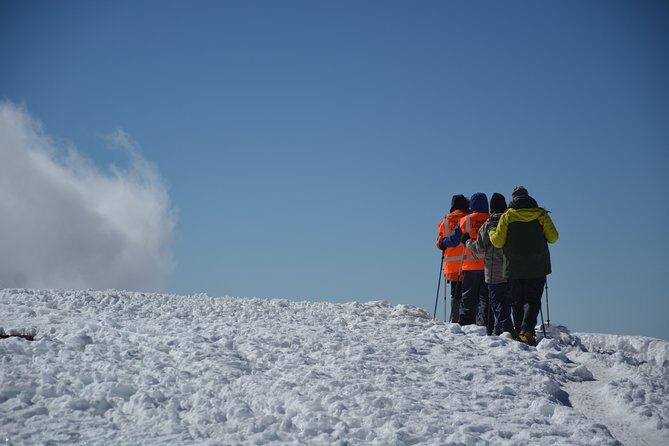
- The scenic diversity transitions from lush rainforests to alpine deserts, making every step visually rewarding.
- Delicious food and supportive team spirit are frequently praised by previous climbers.
- The price, around $2,840, reflects a comprehensive experience, including permits, guides, and accommodations.
- Group size is limited to 15, ensuring personalized attention and a more intimate experience.
👉 See our pick of the Moshi’s 16 Top Tours & Things To Do
Why Choose the Rongai Route?
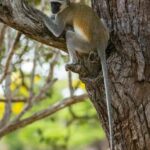
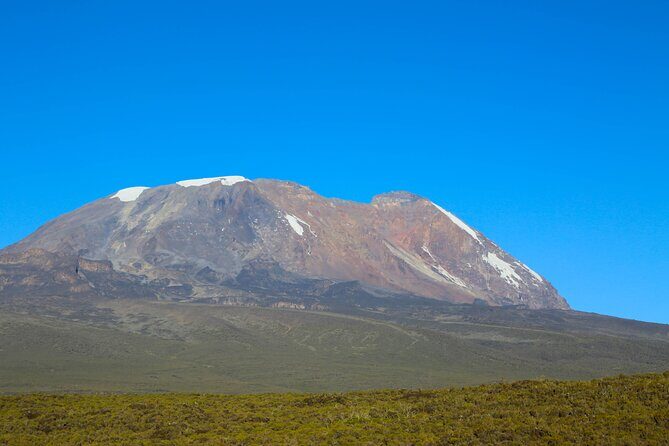
The Rongai Route begins at a relatively lower altitude near the Kenyan border, which some climbers find advantageous for acclimatization. The route’s ascent through the rainforest zone is lush, and wildlife sightings like zebras and monkeys are not uncommon early in the trek. As you ascend, the scenery shifts to moorland, alpine desert, and finally, the icy summit, giving a sense of progressing through different worlds.
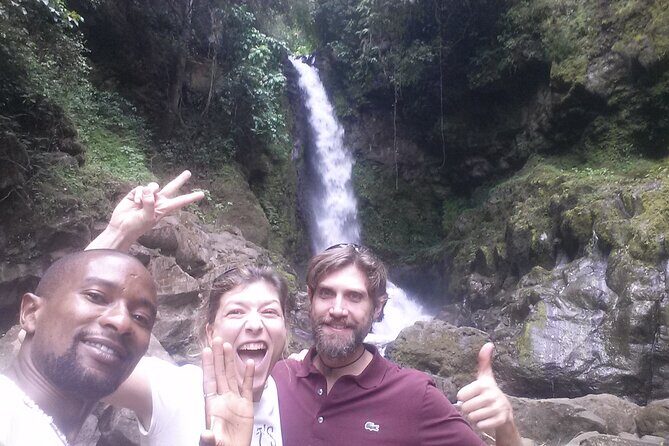
What makes this route particularly appealing is its less crowded nature compared to the Marangu or Machame routes. This means a more peaceful, personal experience and fewer fellow climbers competing for views or space. The guides here are lauded for their warmth, patience, and local knowledge, which transforms the climb into an educational adventure as much as a physical challenge.
You can also read our reviews of more tours and experiences in Moshi.
Daily Breakdown: What to Expect
Day 1: Starting in the Rainforest
Your journey kicks off with a drive from Moshi to Nalemoru Gate near the Kenyan border. From there, your trek begins in a dense rainforest, where you might spot monkeys or elephants if luck is on your side. The walk takes about three hours and is a gradual ascent, making it accessible for most with good walking stamina. The admission fee covers park entry, and the focus here is on gentle acclimatization, with scenic greenery all around.
Day 2: Moorland Zone & Kibo View
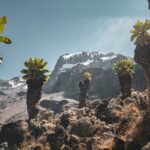
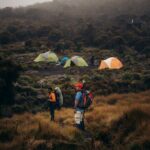
Climb from the rainforest to the second camp, situated in the moorland zone. This day is about four hours, and the views of Kibo and the eastern ice fields are impressive. The landscape is increasingly rugged, and the air feels crisper. The guides’ local expertise shines here—they’ll point out flora and fauna you might see, from towering lobelias to fascinating birdlife. The camp at 3,450 meters offers a good base to start your acclimatization process.
Day 3: Crossing the Moorland & Mawenzi
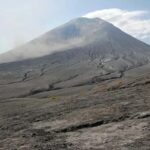
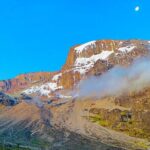
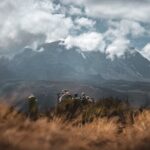
This day is especially scenic, with superb views of the crater rim and Mawenzi Peak. The trek takes around five hours and involves crossing the moorland zone, offering a taste of the rugged terrain ahead. You’ll lunch at Kikelelwa, surrounded by striking volcanic formations, before setting camp beneath the jagged spires of Mawenzi. The sense of remote wilderness is palpable, and previous climbers rave about the stunning scenery.
Day 4: Climbing to Mawenzi Tarn Hut
An easier, yet visually rewarding, day with a short but steep climb—about four hours—takes you to Mawenzi Tarn Hut. The camp is located in a cirque beneath Mawenzi’s spires, and the terrain here feels almost lunar. This day is vital for acclimatization, and the guides often recommend exploring the surrounding area to help your body adjust. Relax and enjoy the panoramic views or take a short walk to stretch before the final push.
Day 5: The Saddle & Kibo Hut
On Day 5, you traverse the lunar desert of the saddle—a desolate, expansive area between Mawenzi and Kibo. The walk takes around five hours and is a stark contrast to earlier lush zones. Reaching Kibo Hut at 4,700 meters, you settle in for the afternoon, resting and preparing for the summit night. The guides’ careful pacing here is appreciated; they prioritize your acclimatization and safety.
Day 6: Summit Night
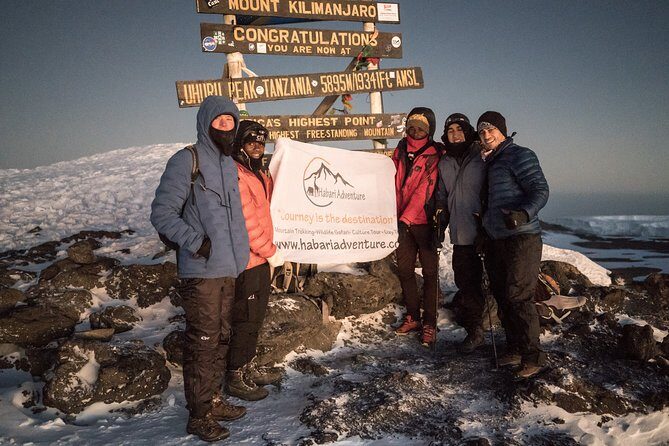
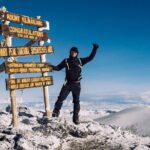
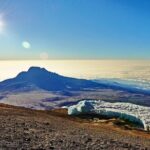
The final ascent begins at midnight, when the temperature is coldest, and the stars shine brightest. The steepest part of the climb tests your stamina—expect about five hours to reach Gilman’s Point at 5,685 meters. The sunrise from this point is often described as breathtaking, with Mawenzi glowing in the morning light. After a brief rest, the final hour takes you to Uhuru Peak, the highest point on Africa at 5,895 meters. Expect glaciers, ice sheets, and a feeling of triumph. The descent back to Horombo Hut takes the rest of the day, and most climbers are exhausted but exhilarated.
Day 7: Descent & Celebration
Your last day involves trekking down through the heath and moorland zones to Mandara Hut, where you’ll enjoy a hot lunch. The final stretch is a walk back through lush rainforest to the park gate, where you’ll receive your certificates of achievement. A transfer then takes you to Moshi, where a warm shower and a cold drink await—time to celebrate your success!
What the Reviews Say
Multiple travelers highlight the guides’ expertise and kindness as a key factor in their positive experiences. One reviewer mentions, “Trekking with the best guides!” and emphasizes how the guides’ warmth and support made the climb memorable. Another notes, “I felt comfortable and at home,” even as a solo traveler, thanks to the guides’ caring attitude.
The scenery consistently earns praise, with climbers describing the views of ice fields, jagged peaks, and expansive deserts as “spectacular.” Food and accommodation also receive good remarks, with climbers appreciating the delicious meals and comfortable camps, which help sustain energy during the demanding days.
Several reviews mention feeling safe and well cared for, especially for solo female travelers or those with limited trekking experience. The guides’ professionalism and local knowledge make a significant difference, transforming what could be a daunting challenge into an inspiring adventure.
Price & Value Analysis
At $2,840.39 per person, the cost covers permits, park entry, expert guides, camping equipment, meals, and transfers. While this isn’t a budget trip, the price reflects a comprehensive, well-organized service that emphasizes safety, comfort, and authenticity. Past climbers agree that the value is high for what’s included, especially considering the expertise of the guides and the quality of experience.
The small group size—capped at 15 travelers—ensures personalized attention, which can be invaluable in such a physically demanding environment. The inclusion of local guides adds cultural richness that many trekkers find worthwhile, turning a mountain climb into a cultural exchange.
Practical Considerations
- Physical Fitness: Moderate fitness levels are necessary. The final ascent is demanding, especially at altitude.
- Timing: The itinerary is designed to allow gradual acclimatization, reducing the risk of altitude sickness.
- Transportation: The drive from Moshi to the gate takes you into Tanzania’s lush landscapes, setting the tone for the adventure.
- Group Size: Limited to 15 travelers, enhancing safety and camaraderie.
- Weather Caution: The experience is weather-dependent; poor conditions may lead to cancellations or rescheduling.
Who Is This Tour Best For?
This Kilimanjaro climb is ideal for travelers who value local expertise, authentic scenery, and a supportive team. It suits those willing to commit physically and mentally to a challenging week, but who also want to ensure safety and comfort. The fewer crowds and personalized guides make it perfect for those seeking a less commercial, more genuine experience. It’s especially good for solo travelers or small groups wanting a culturally enriching adventure.
Final Thoughts
Climbing Kilimanjaro via the Rongai Route with Habari Adventure offers a well-balanced mix of adventure, culture, and natural beauty. The small group size, expert guides, and varied landscapes make this journey both accessible and memorable. The trip’s emphasis on safety and local knowledge means you’re not just climbing a mountain—you’re experiencing a piece of Tanzanian life and wilderness.
While the challenge is real, the reward is immense: standing at the top of Africa, with a panoramic view that few will forget. If you’re looking for an experience that combines physical achievement, cultural insight, and stunning scenery, this tour is hard to beat. Perfect for adventurous souls with a sense of curiosity, it promises to be a trip of a lifetime.
Kilimanjaro Climbing Rongai Route
FAQ
What is included in the tour price?
The $2,840.39 fee covers permits, park entry, guides, camping equipment, meals during the trek, and transportation from Moshi to the mountain gate.
How many days does the climb take?
The trek lasts about 7 days, allowing for gradual elevation gain and better acclimatization, which is key for success.
Is this route suitable for beginners?
While it’s designed to be accessible with a gradual ascent, climbers should have moderate physical fitness and be prepared for challenging summit nights.
What kind of support do guides provide?
All guides are locals trained in safety and first aid, offering ecological and cultural insights, ensuring safety, and providing moral support.
What are the accommodations like?
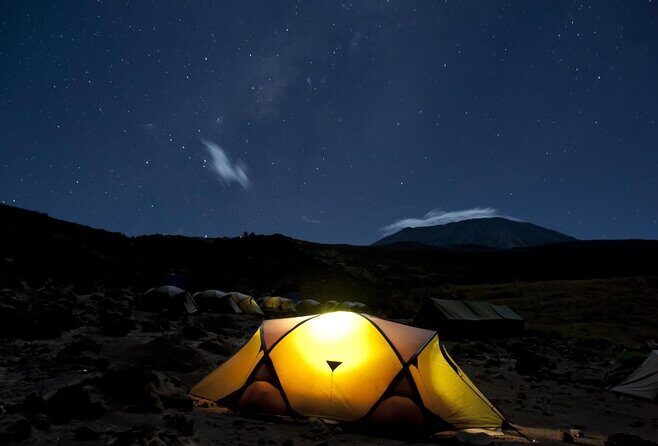
You’ll stay in tents at various camps along the route. The camps are well-equipped, and the guides ensure comfort where possible.
What is the best time of year for this climb?
While not explicitly stated, good weather is a requirement, so it’s best to go during the dry seasons, typically from June to October and from December to March.
Can solo travelers join?
Absolutely. The small group size and friendly guides make it suitable for solo travelers seeking camaraderie and support.
In essence, the Kilimanjaro Rongai Route with Habari Adventure offers a thoughtfully organized, culturally enriching, and physically rewarding experience for those ready for a true adventure. Whether it’s your first high-altitude trek or a long-held dream, this journey provides the kind of memories that will stay with you forever.