If you’re considering climbing Kilimanjaro, the Rongai Route offers a unique twist — quieter trails, spectacular northern views, and a more relaxed pace. This 6-day trek, provided by Afrishare Trekking & Safaris, promises an experience away from the crowded Marangu and Machame routes, with a focus on authentic scenery and good acclimatization chances.
What we love about this tour is its seclusion — you’ll find yourself in fewer crowds, surrounded by the mountain’s quieter northern slopes. Plus, the gradual ascent really helps with altitude adjustment, making the summit more achievable. On the flip side, the trek’s physical demands shouldn’t be underestimated, especially if you’re new to high-altitude hiking.
This adventure suits those with a decent level of fitness, looking for a more peaceful climb and willing to embrace some rugged terrain.
This trek is perfect for travelers who value privacy, stunning landscapes, and a more authentic Kilimanjaro experience. Whether you’re an experienced hiker or a determined novice, the route’s well-paced schedule and impressive scenery make it a compelling choice.
- Key Points
- An In-Depth Look at the Kilimanjaro Rongai Route
- Why Choose the Rongai Route?
- The Itinerary: From Forests to Glaciers
- The Rocky Climb and Alpine Desert
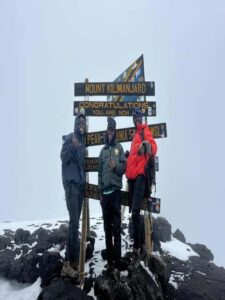
- The Summit: Uhuru Peak
- What to Expect at the Campsites
- The Practical Side
- Packing and Preparation
- Tips for Success
- Who Is This Trek Best Suited For?
- Final Thoughts
- FAQs
- The Best Of Kilimanjaro National Park!
- More 6-Day Experiences in Kilimanjaro National Park
- More Hiking & Trekking Tours in Kilimanjaro National Park
- More Tour Reviews in Kilimanjaro National Park
Key Points
- Less crowded route with fewer hikers than other Kilimanjaro treks
- Gradual ascent improves chances of successful summit and reduces altitude sickness risk
- Spectacular northern views and sightings of Mawenzi and glaciers
- Remote, authentic experience far from tourist-heavy paths
- Flexible programs (6 and 7 days) for better acclimatization
- Includes all essentials like park fees, guiding, meals, and transportation
👉 See our pick of the What Are The Best Tours & Things To Do In Kilimanjaro National Park? Our Top 16 Picks
An In-Depth Look at the Kilimanjaro Rongai Route
You can also read our reviews of more hiking tours in Kilimanjaro National Park
Why Choose the Rongai Route?
The main draw of the Rongai Route is its original northern start point, which is rarely visited by other hikers. This means you’ll enjoy more serene trails and a sense of solitude that’s hard to find on the busier routes. It’s also the only approach that begins on this side of Kilimanjaro, giving you a chance to see the mountain from a different perspective.
Another plus is the gradual ascent—which is especially valuable for those concerned about altitude sickness. The route’s gentle slope offers ample time for your body to adjust, increasing your chances of reaching Uhuru Peak successfully.
The Itinerary: From Forests to Glaciers
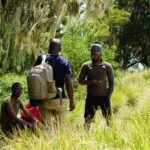
This 6-day itinerary balances walking, rest, and acclimatization. Starting from Nairobi or Kilimanjaro Airport, you’ll head to Rongai Gate, then hike through lush forest zones, which are lush with local flora and possibly some wildlife sightings. That first day is a gentle introduction, setting a peaceful tone for the journey.
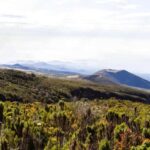
On Day 2, expect open moorlands with sweeping views of the mountain’s northern slopes. We love the way this landscape changes from dense forest to more exposed terrain, giving a sense of progression. The camp at Simba Camp at about 2,700 meters provides a cozy base for the night.
The Rocky Climb and Alpine Desert
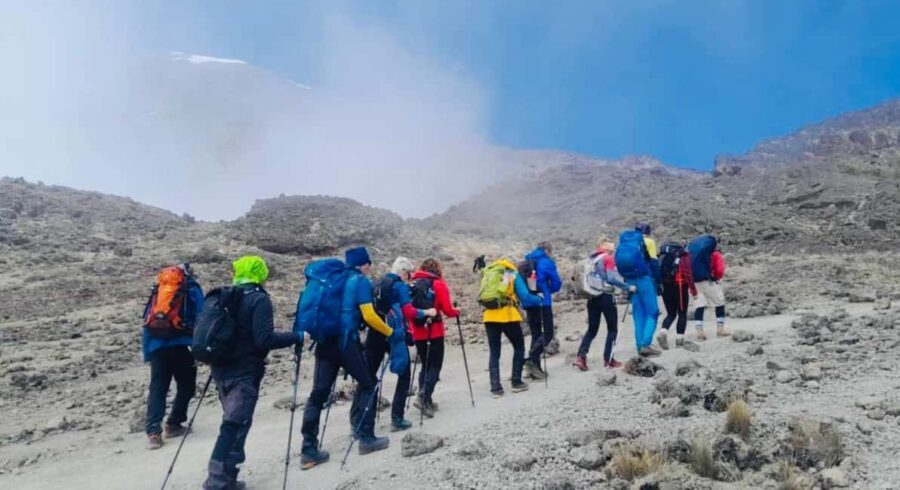
Days 3 and 4 ratchet up the terrain’s ruggedness. You’ll trek across alpine desert landscapes—fewer trees, more rocks, and spectacular panoramic views. The highlight here is reaching Kibo Hut at nearly 4,700 meters, where you’ll rest before the summit push.
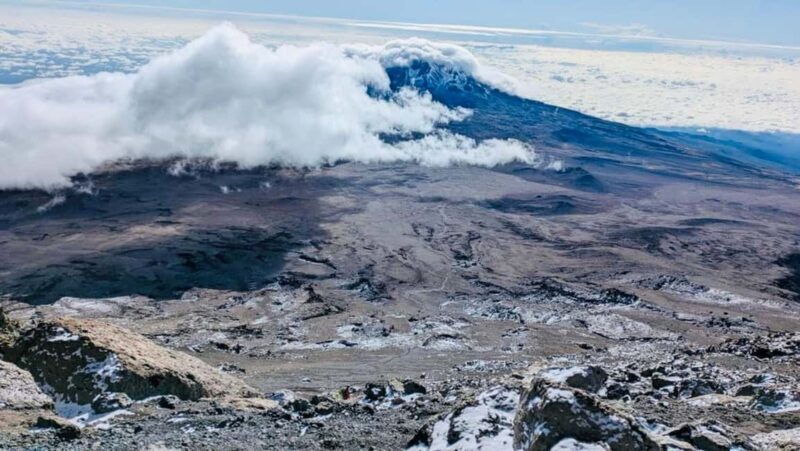
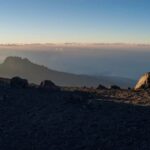
This part of the climb is where the scenery really comes alive. You’ll see Mawenzi, one of Kilimanjaro’s volcanic cones, and possibly catch glimpses of glaciers if weather permits. The rugged terrain is challenging but incredibly rewarding, especially when you get those up-close views of the mountain’s volcanic features.
More Great Tours NearbyThe Summit: Uhuru Peak
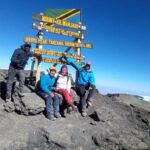
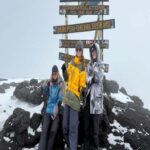
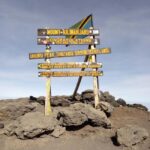
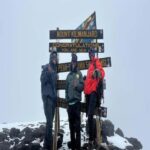
The most exhilarating part is the final climb. Starting around midnight, you’ll slowly ascend in the dark, using headlamps to navigate rocky paths. Reaching Uhuru Peak at sunrise offers a picture-perfect moment—stunning views, a sense of achievement, and the realization that your effort has paid off.
After celebrating at the summit, you’ll descend back to the high camp, then continue down to the Rongai Gate, completing your journey with a drive back to your hotel or airport.
You can also read our reviews of more tours and experiences in Kilimanjaro National Park
What to Expect at the Campsites
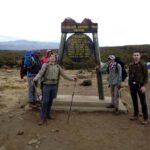
All campsites—Simba, Second, Third, and Kibo Hut—are basic but functional. They offer shelter and a chance to rest, but you’ll need to bring your own sleeping bag (rated to -10°C). The guides and porters handle most of the logistics, including setting up tents and preparing meals, so you can focus on acclimatizing and enjoying the views.
The Practical Side
This tour includes all park fees, camping, and rescue fees, plus transportation to and from the mountain gate. The guided service ensures safety and local expertise, with a guide, porters, and a cook included.
While the price of $2,290 might seem steep, it covers most essentials—meals, permits, and logistics—and the value lies in the quieter, more authentic experience. You’ll also appreciate the flexibility offered by options to extend to a 7-day program, giving extra days for acclimatization.
Packing and Preparation
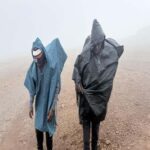
Be prepared for temperatures dropping below -10°C at the summit. Warm layered clothing, sturdy hiking boots, gaiters, and trekking poles are must-haves. Sun protection is essential—sunscreen, sunglasses, and a hat—since UV rays are stronger at high altitudes.
Hydration is key, so bring a hydration system or water bottles with a capacity of at least 2.3 liters. Also, a lightweight sleeping bag is recommended for comfortable rest in the tents.
Tips for Success
- Take it slow: The route’s gentle slope helps your body adapt, so don’t rush.
- Stay hydrated and eat well: Proper nutrition and fluids boost your chances of summit success.
- Listen to your guides: They know the mountain best; rest when needed.
- Acclimatize properly if you can extend your trip—it’s worth it for the increased success rate.
Who Is This Trek Best Suited For?
This climb works well for adventurers seeking solitude and authentic scenery, rather than those looking for a quick, crowded ascent. It’s a good fit for those with a moderate fitness level willing to do some physical effort, especially because the route’s gradual slope aids acclimatization.
While beginners can consider this route, it’s not recommended for people with heart, respiratory issues, or altitude sickness history. The trek demands endurance and good health. If you’re after a more peaceful, less crowded Kilimanjaro experience with scenic variety, this route offers excellent value.
Final Thoughts
The Rongai Route is a fantastic choice for travelers wanting an off-the-beaten-path approach to Kilimanjaro. The route’s scenery is stunning, from lush forests to stark alpine deserts, and the fewer hikers give a sense of tranquility that many climbers treasure.
The well-planned 6-day schedule offers a solid chance of reaching the summit, especially if you’re attentive to acclimatization and pacing. While the trip isn’t cheap, the inclusive price and authentic experience justify the investment.
If you’re looking for a more serene Kilimanjaro adventure that prioritizes scenery, solitude, and success, then the Rongai Route is definitely worth considering.
Kilimanjaro: Rongai Route 6-Day Hiking Adventure
FAQs
How long is the trek each day?
Most days involve 4 to 8 kilometers of hiking, with the ascent becoming more rugged toward the summit. Expect 4 to 5 hours of walking on average per day.
Are meals included?
Yes, all meals during the trek are included, prepared by guides and porters at campsites.
What is the accommodation like before and after the trek?
The tour includes accommodation before and after the climb, typically in lodges or hotels arranged by the provider.
What equipment do I need to bring?
Warm layered clothing, hiking boots, gaiters, trekking poles, headlamp, sunglasses, sunscreen, water bottles, rain gear, and a sleeping bag rated to -10°C.
Is this route suitable for beginners?
It’s suitable for those with a moderate fitness level and some hiking experience; however, it’s not recommended for people with serious health issues or little physical preparation.
What kind of scenery will I see?
Expect lush forests, open moorlands, alpine deserts, Mawenzi volcanic cones, glaciers, and breathtaking sunrise views from the summit.
How does the price compare to other Kilimanjaro treks?
While $2,290 may be higher than some routes, it includes most costs—guides, permits, meals, transport—and offers a more secluded experience, often valued by seasoned trekkers.
What if I want extra acclimatization time?
You can opt for the 7-day program, which adds an extra day for acclimatization, improving your chances of a successful summit.
Are there any restrictions?
People with heart problems, respiratory issues, altitude sickness, or low fitness levels should reconsider this trek or consult their doctor beforehand.
How do I book this tour?
You can reserve your spot with Afrishare Trekking & Safaris, with the option to book now and pay later, giving you flexibility in planning.
In the end, this Kilimanjaro trek via the Rongai Route strikes a balance between adventure, scenery, and tranquility — qualities that can turn a climb into a memorable journey rather than just a checklist.
You can check availability for your dates here: