Traveling to Okinawa offers a chance to dive into a culture that celebrates beauty in imperfection. One of the most engaging ways to connect with this philosophy is through the Kintsugi Experience in Naha. While we haven’t personally tried it, the glowing reviews and detailed descriptions paint a vivid picture of what makes this workshop special.
It’s not just about repairing pottery; it’s about embracing the story behind a broken object and turning it into a piece of art.
What we love about this experience is how accessible it is—no previous experience needed—and how it provides a tangible souvenir that’s personal and meaningful. Plus, the knowledgeable guides and short duration make it a perfect activity for travelers with limited time.
The only potential drawback? Since this is a simplified version of traditional Kintsugi, the finished piece isn’t suitable for eating or drinking, but it still makes a stunning display piece.
This tour suits those who want a hands-on cultural activity, appreciate craftsmanship, or are simply looking for a memorable, authentic souvenir. It’s especially appealing for families, solo travelers, or anyone eager to learn a philosophical art form that emphasizes beauty in flaws.
Key Points




- Accessible for all: No experience necessary, guided step-by-step by friendly instructors.
- Culturally enriching: Learn about Kintsugi as a philosophy, not just a repair technique.
- Creative and personal: Leave with a unique piece you made yourself—perfect for decorating or as a gift.
- Time-efficient: Just about 1.5 hours, ideal for busy travelers.
- Value for money: For around $60, you get a memorable, handcrafted souvenir and a deep cultural experience.
- Small group setting: Up to 10 participants, ensuring personalized attention.
What Is Kintsugi and Why Is It Special?
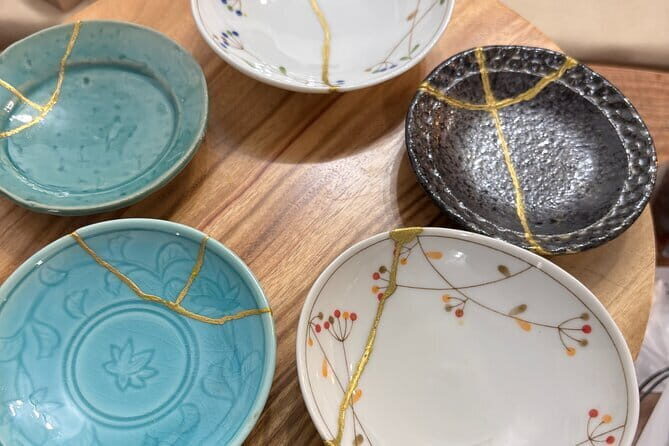
Kintsugi is the traditional Japanese art of repairing broken pottery with gold or silver lacquer. But it’s so much more than just a repair method. It’s a practice rooted in the idea that imperfections and flaws are part of an object’s beauty. The philosophy encourages us to value wounds as part of our story, making the restored object more compelling than before.
During the workshop, you’ll learn how to revive a broken piece of pottery—carefully and patiently—using techniques that incorporate traditional Kintsugi methods, although in a simplified form suitable for a short class. The goal isn’t perfection but rather transforming a flawed object into a work of art that reflects resilience and beauty.
One of the most appealing aspects noted in reviews is how this process can be mindful and calming. Several guests mention how focusing on the stitches and the repair helps quiet the mind, providing a break from the busy travel schedule.
You can also read our reviews of more tours and experiences in Naha.



How the Experience Unfolds
The meeting point is at Urushi Studio Kodemari in Naha’s Maejima district, a charming spot near public transportation. The workshop lasts approximately 1.5 to 2 hours, making it a practical choice for those on a tight schedule.
Upon arrival, you’ll be greeted by friendly, English-speaking guides who will walk you through each step. The class starts with a brief explanation of Kintsugi’s cultural and philosophical background, setting the stage for what’s to come.
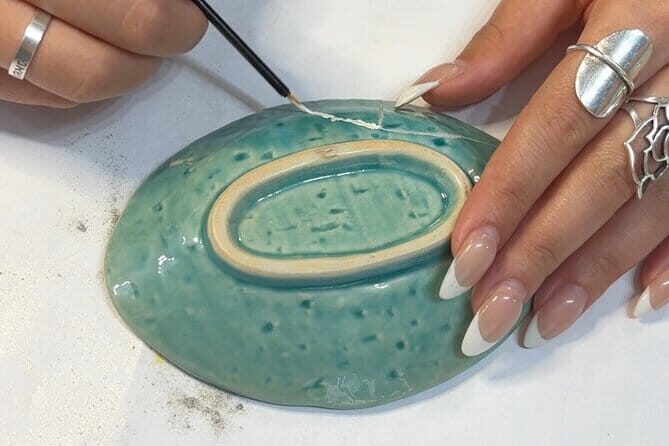
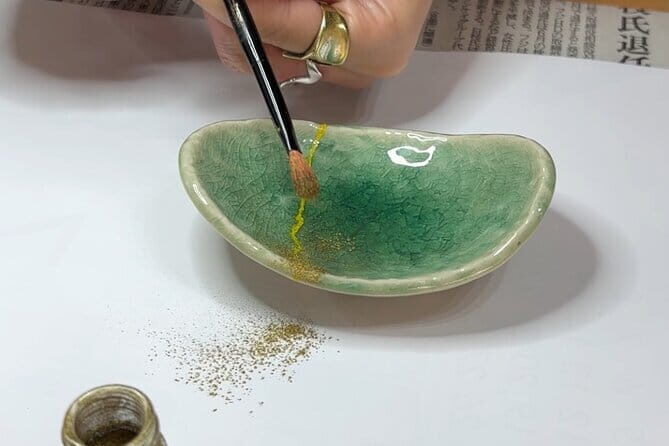
Next, you’ll choose a broken piece of pottery—perhaps a plate, small bowl, or decorative item—provided by the studio. Your instructor will demonstrate the process: cleaning the pottery, applying lacquer, and carefully adding gold or silver powder to highlight the cracks. The simplified process allows anyone to succeed, even if it’s your first time working with ceramics.
Throughout, the guide is patient and encouraging, making sure you understand each step. As you work on your piece, you might find the process surprisingly soothing, a chance to slow down and reflect. When finished, you’ll leave with a uniquely restored object—a symbol of resilience and beauty—that makes a wonderful interior piece or gift.
Since the work created is a simplified version, it’s mainly for display and won’t be suitable for food or drink. However, the aesthetic appeal is undeniable; these pieces look great on shelves, desks, or as part of a decorative collection.
The Value of the Experience
While $60.59 might seem modest, the value lies in the personal touch and cultural connection you gain. Instead of buying a mass-produced souvenir, you end up with a handcrafted object infused with meaning. Many reviewers highlight how special it feels to create something with your own hands, especially guided by knowledgeable instructors.
The small group size—max 10 travelers—ensures individual attention and a relaxed atmosphere. This intimacy can make even first-timers feel confident and supported, which is reflected in reviews describing the guides as kind, patient, and fluent in English.
Another point to consider is the short duration—just about 1.5 hours—making it an efficient yet impactful activity. Whether you’re on a tight schedule or simply want a meaningful break from sightseeing, this experience delivers a satisfying taste of Japanese craftsmanship without taking up your entire day.
Real Experiences from Travelers
Reviewers consistently praise the guides’ friendliness and expertise. For example, one says, “The instructor was kind and encouraging, and she spoke English very well,” highlighting how accessible and welcoming the experience feels, even for non-Japanese speakers.
Many mention how the end result exceeds expectations: “We loved our end result as we did it,” and “You’re sure to impress with your talent,” capturing the pride and joy of creating your own art piece.
Several guests note the cultural and emotional significance of the process, with one describing it as “such a special experience,” that will remain a highlight of their time in Japan.
Practical Details
Getting to the workshop is simple, as it’s located within walking distance of public transportation in Naha. There is no car park, so travelers arriving by bus or train will find it convenient.
The activity is suitable for most travelers, including families and individuals. As it’s a small group, those looking for a personalized, intimate experience will find it a good fit.
The full booking confirmation is received within 48 hours, and the activity can be canceled for free up to 24 hours in advance. This flexibility adds peace of mind for planning.



The Sum Up
The Kintsugi Experience in Naha offers a unique window into Japanese culture, combining craftsmanship, philosophy, and creativity. It’s a wonderful option for travelers who want to create a personal souvenir that is both beautiful and meaningful. The friendly guides and concise format make it accessible and enjoyable, especially for those short on time but eager to connect with local traditions.
If you’re interested in art, mindfulness, or simply a different kind of souvenir, this workshop is a solid choice. It’s especially ideal for families, solo travelers, or anyone wanting a tangible reminder of resilience and beauty in imperfection.
While it may not produce a usable dish or cup, the visual appeal and story behind each piece make it a treasured memento. Plus, you’ll leave with a sense of accomplishment and a deeper appreciation for Japanese culture.
Kintsugi Experience in Naha, Okinawa – Art from Broken Pieces!
FAQ
Is prior experience needed to participate?
No, this workshop is designed to be approachable for everyone, regardless of skill level.
Can I use the repaired pottery for eating or drinking?
No, the finished pieces are mainly for display and decoration, not for food or drink.
How long does the workshop last?
Approximately 1.5 to 2 hours, making it a great short activity during your day in Naha.
Is the workshop suitable for children?
Most travelers can participate, and it’s a good family activity, especially since it’s guided and beginner-friendly.
What language are the guides speaking?
Guides speak English fluently, making the process accessible to international visitors.
How many people are in each group?
The activity is limited to a maximum of 10 travelers, ensuring personalized attention.
Where is the meeting point?
At Urushi Studio Kodemari, located at 2-chome-16-6 Maejima, Naha, Okinawa.
What is the cancellation policy?
You can cancel free of charge up to 24 hours before the activity. Refunds are provided if canceled within this window.
This Kintsugi workshop offers more than a craft; it provides a chance to craft a story, embrace beauty in flaws, and take home a meaningful piece of Okinawa’s culture.