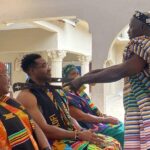
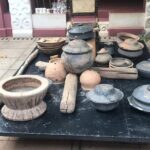
This experience made our article of Our Picks For The 16 Best Tours & Things To Do In Kumasi.
- Kumasi: Manhyia Palace and Museum Guided Tour
- Key Points
- An Introduction to the Kumasi Tour Experience
- Exploring the Palace and Museum in Depth
- The Significance of Manhyia Palace
- The Museum and Its Exhibits
- Learning About The Political System and Festivals
- What To Expect During the Tour
- Meeting and Duration
- Physical Environment and Accessibility
- Tips for a Great Experience
- What’s Not Included
- Authenticity and Value
- The Sum Up
- FAQ
- The Best Of Kumasi!
- More Guided Tours in Kumasi
- More Tours in Kumasi
- More Tour Reviews in Kumasi
Kumasi: Manhyia Palace and Museum Guided Tour
If you’re planning a visit to Kumasi and want to get a real sense of the Ashanti people’s history and culture, the Manhyia Palace and Museum guided tour offers an engaging, informative experience. This tour provides a window into the traditions, political structure, and royal heritage that still shape the Ashanti identity today. It’s a chance to see the official residence of the Asantehene—the king of the Ashanti—and to walk through the stories told by artifacts and historic displays.
What we love about this experience is how accessible and well-organized it is. The knowledgeable guides make complex history understandable and engaging, and the entrance fee of $47 per person offers a good value considering the depth of information and the opportunity to see the royal thrones and artifacts. One potential consideration: the tour is not suitable for those with mobility issues or wheelchair users, as the palace’s layout might be challenging.
This tour is best suited for history buffs, culture enthusiasts, or anyone curious about Ghana’s traditional authority systems. It’s especially rewarding if you’re interested in royal history or the ongoing cultural traditions of the Ashanti people.
You can check availability for your dates here:
👉 See our pick of the Our Picks For The 16 Best Tours & Things To Do In Kumasi
Key Points
- Insight into Ashanti history through a visit to the Manhyia Palace Museum.
- Understanding of the political systems that have sustained the Ashanti Kingdom for centuries.
- Close-up views of royal regalia and thrones, including those of past kings.
- Visual appreciation of architectural styles, blending Ashanti designs with colonial influences.
- Authentic cultural context through exhibits and explanations about festivals like Adae Kese.
- Knowledgeable guides who answer questions and enhance the experience.
You can also read our reviews of more guided tours in Kumasi
An Introduction to the Kumasi Tour Experience
When we picture Ghana’s cultural heart, Kumasi often comes to mind—vibrant, historic, and deeply rooted in tradition. The Manhyia Palace and Museum tour opens a door into that world, giving visitors a chance to learn about the Ashanti people, their history, and their ongoing cultural practices. This is not just a sightseeing stop; it’s an educational experience that leaves you with a better understanding of how the Ashanti define themselves through their monarchy and traditions.
For about $47, you’ll spend a few hours immersed in stories of kings, resistance against colonial powers, and the symbolic power of the royal throne. The tour starts at the palace entrance, where the guide welcomes you into a world of history, architecture, and cultural symbolism. The information shared is delivered with enthusiasm and clarity, making complex political and historical concepts accessible to all visitors.
While the tour is rich with noteworthy moments, one thing to keep in mind is the physical layout of the palace—staying on your feet for a couple of hours might be tiring for some. Also, photography in the royal chambers is not permitted, so you’ll want to focus on capturing the exhibits and the impressive architecture outside.
Exploring the Palace and Museum in Depth
The Significance of Manhyia Palace
Constructed in 1925 by the British, the Manhyia Palace didn’t just serve as a royal residence—it symbolized the resilience of the Ashanti monarchy. Originally a gift to King Prempeh I after his exile, the palace now functions as the administrative and ceremonial hub for the Ashanti king. Its architecture is a fascinating blend: traditional Ashanti motifs meet colonial British influences, creating a building that echoes its history of cooperation and conflict.
Surrounded by lush gardens and a white and red brick façade, the palace’s appearance hints at the grandeur and dignity of Ashanti royal authority. From the outside, you get a glimpse of tradition’s importance, balanced with colonial history—a visual story of resilience and adaptation.
More Great Tours NearbyThe Museum and Its Exhibits
Within the palace grounds lies the Manhyia Palace Museum, which opens a treasure chest of artifacts and relics. Here, you’ll see photographs that capture pivotal moments in Ashanti history, from resistance to colonization to modern celebrations. The exhibits include regal regalia, royal paraphernalia, and the actual thrones of past kings—a highlight for many visitors.
One reviewer shared, “It was very formative and the guide was very accommodating,” emphasizing that the museum’s collection, along with the guide’s explanations, makes the history tangible. It’s a place where you can better understand the political and social systems that kept the Ashanti Kingdom intact through centuries.





Learning About The Political System and Festivals
The guide explains the complex political system of the Ashanti Kingdom, emphasizing the role of the Asantehene and the traditional councils. This helps visitors appreciate how the monarchy continues to influence local governance and cultural events.
During the tour, you’ll learn about the Adae Kese Festival, a major cultural event that honors the ancestors and reinforces the unity of the Ashanti people. Seeing artifacts and hearing stories about these festivals offers insight into the ongoing cultural traditions that remain alive today.
What To Expect During the Tour
Meeting and Duration
Expect to meet at the entrance of the Manhyia Palace, where your guide will gather your group—usually a small, friendly group that fosters a personal learning environment. The entire tour lasts approximately 2 to 3 hours, giving you ample time to explore both the palace and the museum.
Physical Environment and Accessibility
The palace’s layout includes well-maintained gardens and some pathways that may pose challenges for those with mobility impairments. The tour is not suited for wheelchair users, and a respectful dress code is advised—think modest clothing that covers shoulders and knees, in keeping with the royal setting.
Tips for a Great Experience
- Wear comfortable shoes as you’ll be walking and standing quite a bit.
- Bring a hat and sunscreen to protect against the sun.
- A camera is encouraged (but no flash photography inside the chambers).
- Carry water to stay hydrated, especially if visiting during the hotter parts of the day.
What’s Not Included
The price covers the guided tour and museum entry, but it doesn’t include hotel pickup or meals, so plan accordingly. It’s worth arriving a bit early to soak in the surroundings and get your bearings.
Authenticity and Value
At $47, this tour offers a sincere look into the Ashanti monarchy’s history and culture. Compared to other cultural experiences in Ghana, this one is quite focused and well-organized, with a dedicated guide providing context and answering questions.
Reviewers like Abena praised the knowledgeable guides and the interactive nature of the tour, with comments such as, “It was very formative and the guide was very accommodating.” That kind of personalized attention significantly enhances what could otherwise be just a superficial visit.
Most visitors find the experience to be educational and moving—an authentic glimpse into Ghana’s cultural heartbeat. While it might not appeal to those seeking a casual, quick overview, it’s ideal for travelers eager to understand the deeper roots of Ghanaian society.
The Sum Up
For anyone interested in Ghanaian history, royal traditions, or cultural heritage, the Manhyia Palace and Museum guided tour provides a meaningful, well-led exploration. It combines historical artifacts with storytelling, making the past come alive in a way that’s both engaging and informative. The knowledgeable guides help you understand the significance of the artifacts, the political structures, and the ongoing cultural practices like festivals.
This experience is especially valuable for those who want a respectful, authentic look at Ghana’s royal history without the hassle of planning complex logistics. It’s a chance to connect with the local culture on a deeper level, all for a reasonable price.
If you’re curious about royal dynasties, traditional governance, or simply want to see a stunning example of colonial and local architecture, this tour will serve you well. It’s a notable highlight in Kumasi that can enrich your understanding of this vibrant city and its people.
Kumasi: Manhyia Palace and Museum Guided Tour
FAQ
Is the tour suitable for children or families?
Yes, the tour can be enjoyed by families, especially those interested in culture and history. Keep in mind, the walking and the dress code, so prepare children accordingly.
Are there any age restrictions?
There are no specific age restrictions, but the tour involves walking and standing, which might be tiring for very young children.
Will I see the royal chambers?
No, photography inside the royal chambers is not permitted, and the guide will not take visitors inside those rooms for preservation reasons.
Can I take photos of the artifacts?
Yes, photography is allowed in the museum, but flash photography is prohibited to protect the exhibits.
How long does the tour last?
The entire experience lasts around 2 to 3 hours, including the visit to the palace and the museum.
Is there a dress code I should follow?
Yes, modest attire covering shoulders and knees is recommended, respecting the royal and cultural significance of the site.
What should I bring?
Comfortable shoes, a hat, sunscreen, a camera, and water are advisable. Be prepared for Ghana’s warm climate.
Are there options for last-minute booking?
Yes, you can reserve your spot and pay later, offering flexibility in planning your trip.
In summary, the Kumasi Manhyia Palace and Museum guided tour offers a focused, enriching experience for travelers eager to understand the Ashanti monarchy and cultural traditions. With knowledgeable guides, authentic artifacts, and a respectful atmosphere, it’s an excellent way to connect with Ghana’s royal heritage in a meaningful way.
You can check availability for your dates here: